Barony Parish Church: A Former Glasgow Church Now Serving as Barony Hall
Site at a Glance
- Popularity
- High
- Country
- United Kingdom
- Primary era
- Modern
- Eras represented
- Modern
- Civilizations
- British
- Site type
- Religious
- Remains
- Church
On this page11 sections
History
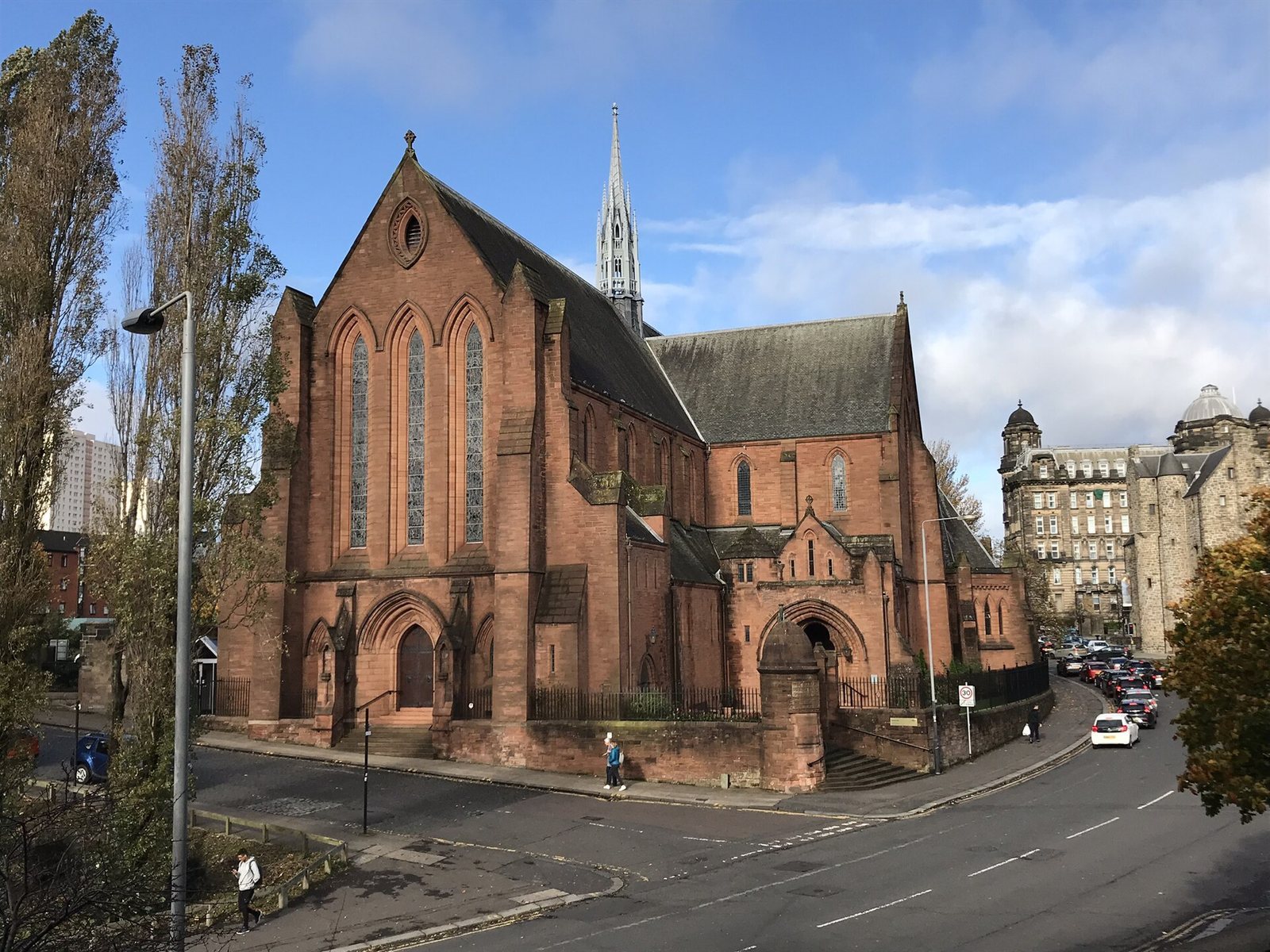
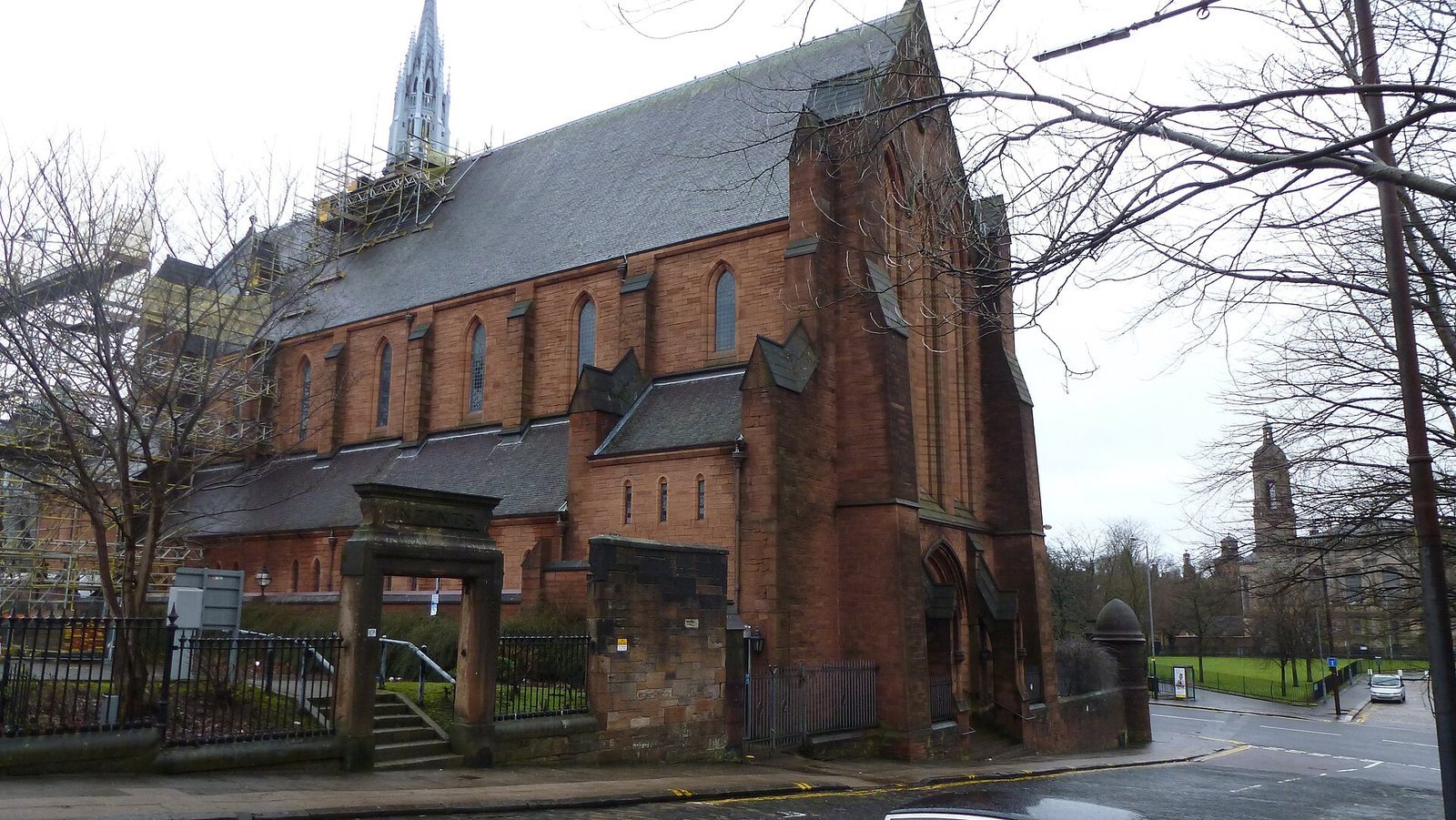
Barony Parish Church, now Barony Hall, is a former church in Townhead, Glasgow, United Kingdom. Its congregation belonged to the Church of Scotland, Scotland’s national Presbyterian church. The parish took its name from the Barony of Glasgow, a feudal territorial estate or jurisdiction. Its present building was dedicated on 27 April 1889 in Victorian neo-Gothic style, a nineteenth-century revival of medieval Gothic forms.
Parish and early church
The parish institution existed by at least 1595. Its ministers included Zachary Boyd, who served from 1625 to 1653; John Burns, from 1774 to 1839; Norman McLeod, from 1851 to 1872; and John White, from 1911 to 1934. As the church’s condition worsened, architect James Adam rebuilt it in 1798, and the building opened the next year. Its design drew both approval and sharp criticism. McLeod reportedly told Queen Victoria that he considered it Europe’s ugliest church. The crypt served as a burial ground until 1844.
Congregational change and replacement
For many parishioners, reaching the church was difficult, especially in winter, when the roads were dirt tracks. The church also could not meet all the congregation’s spiritual needs. Local people therefore established chapels of ease, subsidiary places of worship for parishioners who had difficulty reaching their parish church. The congregation later divided into the parishes of Shettleston in 1847, Calton in 1849, Maryhill in 1850 and Springburn in 1854.
Some worshippers returned to St George’s Tron, others went to Dennistoun Blackfriars, and many attended Glasgow Cathedral. Among the relics transferred to the cathedral was the Communion Table, and a chapel was established in its crypt. A replacement church followed to address the congregation’s difficulties. J. J. Burnet and J. A. Campbell designed it after a competition. At its dedication, John Caird, a Church of Scotland minister and Principal of the University of Glasgow, preached that pure worship need not be expressed through harsh or base forms.
Decline and university use
The congregation declined rapidly from the 1950s, after the Townhead Comprehensive Development Area was established. Nearby houses were demolished to make way for the Royal College of Science and Technology’s expansion, now part of the University of Strathclyde. Barony Parish Church was among the few buildings in the immediate area to survive the 1960s clearances.
In 1982, the congregation joined with St Paul’s and St David’s, also known as Ramshorn, to form Barony Ramshorn. The last service at Barony Parish Church took place on 6 October 1985. The University of Strathclyde acquired the Castle Street buildings in 1986 and restored the church in 1989. After deconsecration, the building became Barony Hall, a university ceremonial hall used for graduations, student examinations and other events.
Remains
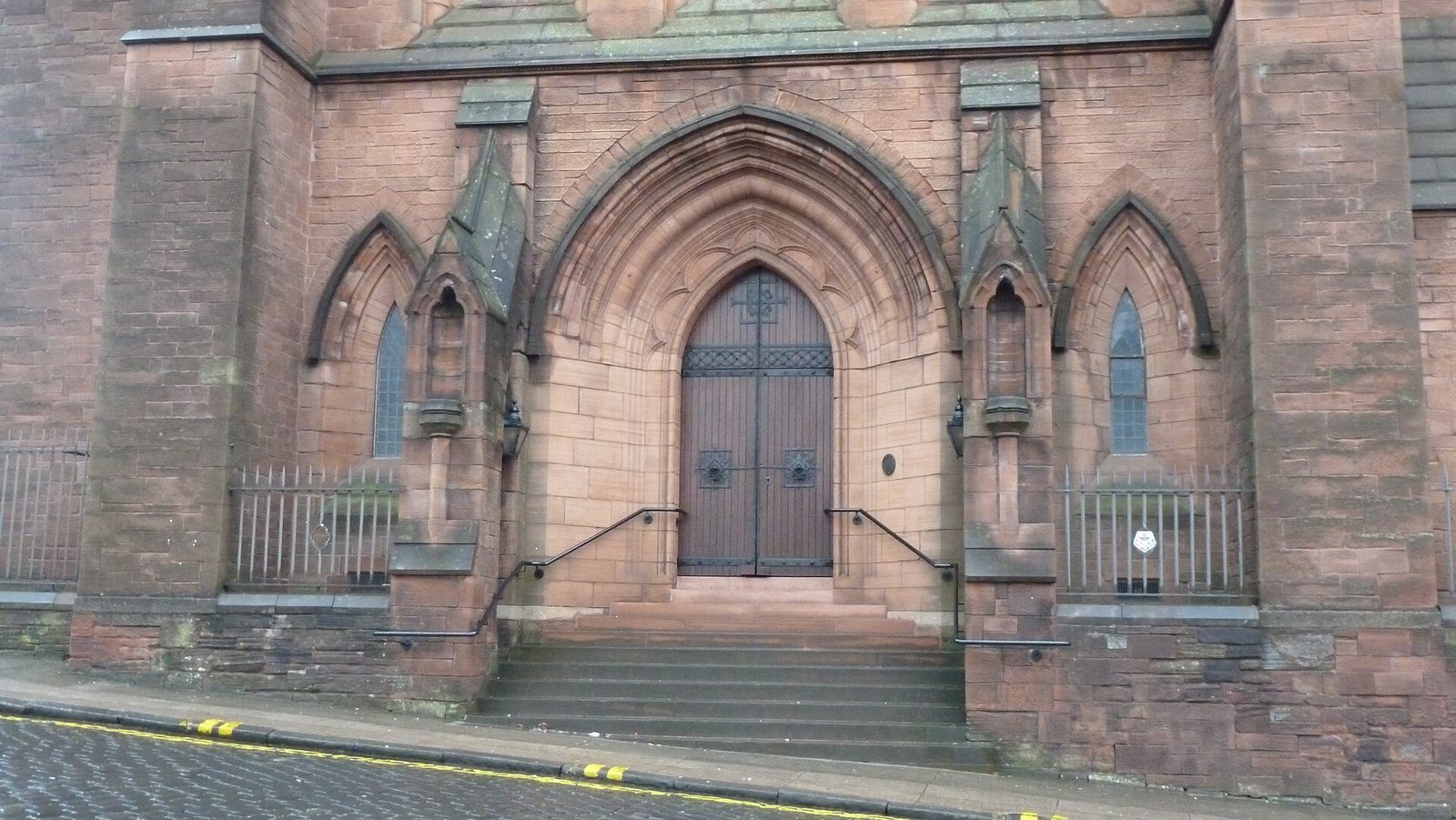
The surviving church stands on the west side of Castle Street in Townhead, near Glasgow Cathedral, Glasgow Royal Infirmary and Provand’s Lordship. Red sandstone forms the building, whose design drew inspiration from Girona Cathedral and Dunblane Cathedral.
Interior spaces
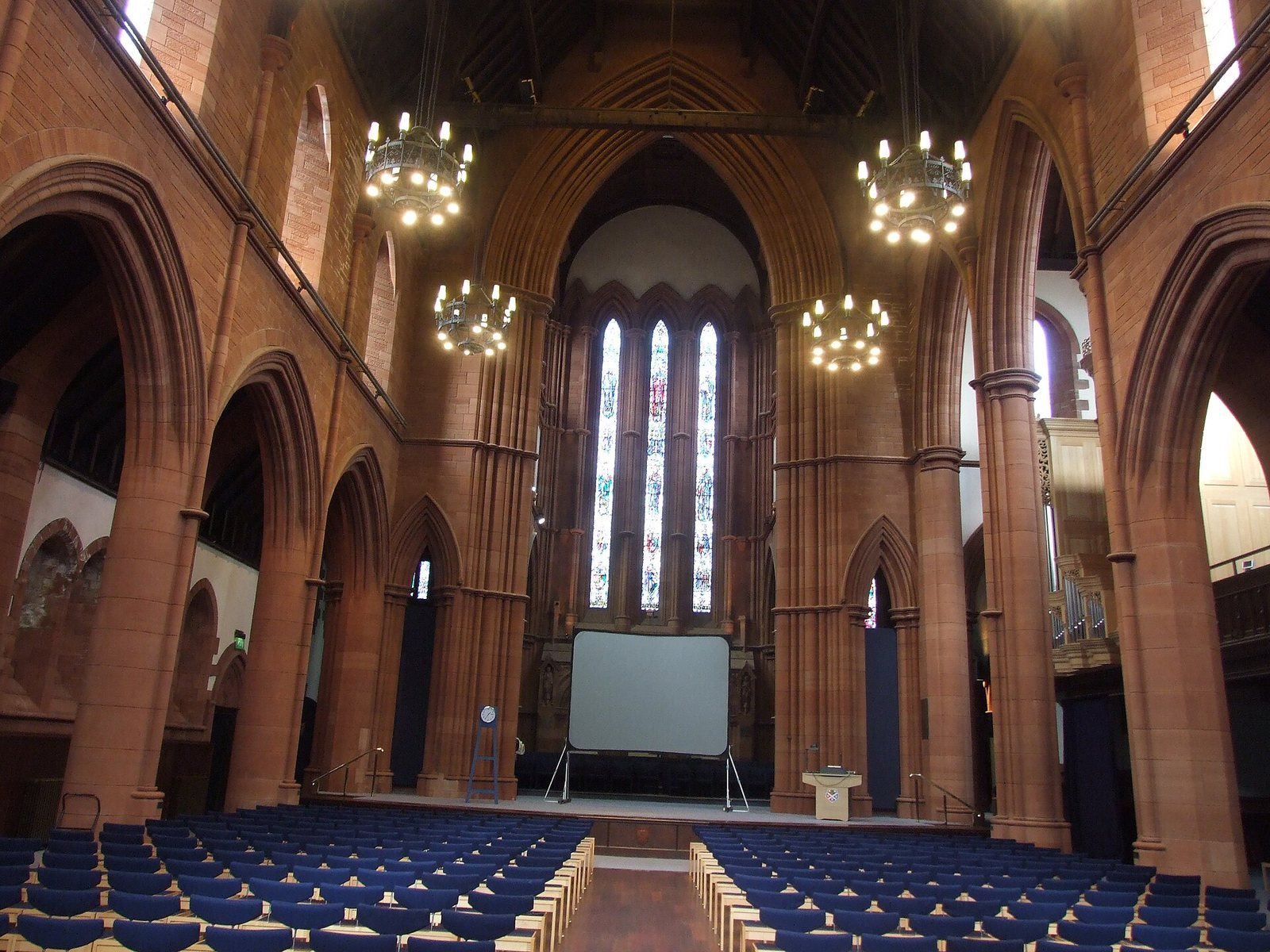
The building contains the Great Hall and its balcony, as well as the Winter Gardens, Bicentenary Hall and Sir Patrick Thomas Room. The Great Hall has more than 250 square metres of floor space. Its flat floor can seat up to 500 people in theatre-style rows, or up to 600 when the balcony is used.
Memorials and inscriptions
War memorial
A memorial to the war dead stands at the side of the Great Hall stage. It bears 125 names connected with the church.
Foundation stone from the earlier church
Beneath the war memorial lies a foundation stone from the church opened in 1799. It carries the names of ministers who served during that building’s roughly ninety-year life.
Corner pillar
A pillar at the corner of Castle Street and Rottenrow carries an inscription dedicating the church to the glory and worship of God and recording its dedication on 27 April 1889. A later inscription, added after the university acquired the building, names it Barony Hall and identifies it as part of the university campus.
Maurice Taylor Organ
Installed in 2010, the Maurice Taylor Organ was designed for performances of music by Johann Sebastian Bach, the German composer central to the Baroque tradition, in its original form. It has 41 speaking stops, controls for sets of sound-producing pipes, three manuals (keyboards), one pedal and 3,000 pipes. Its keys and stops operate through mechanical linkages. The bellows can be worked with foot pedals or electronically.