Museumkelder Derlon: A Roman Archaeological Museum in Maastricht
Site at a Glance
- Popularity
- Medium
- Country
- Netherlands
- Primary era
- Classical
- Eras represented
- Iron Age, Classical
- Civilizations
- Celtic, Roman
- Site type
- Religious
- Remains
- Sanctuary
On this page14 sections
History
From fort to hotel
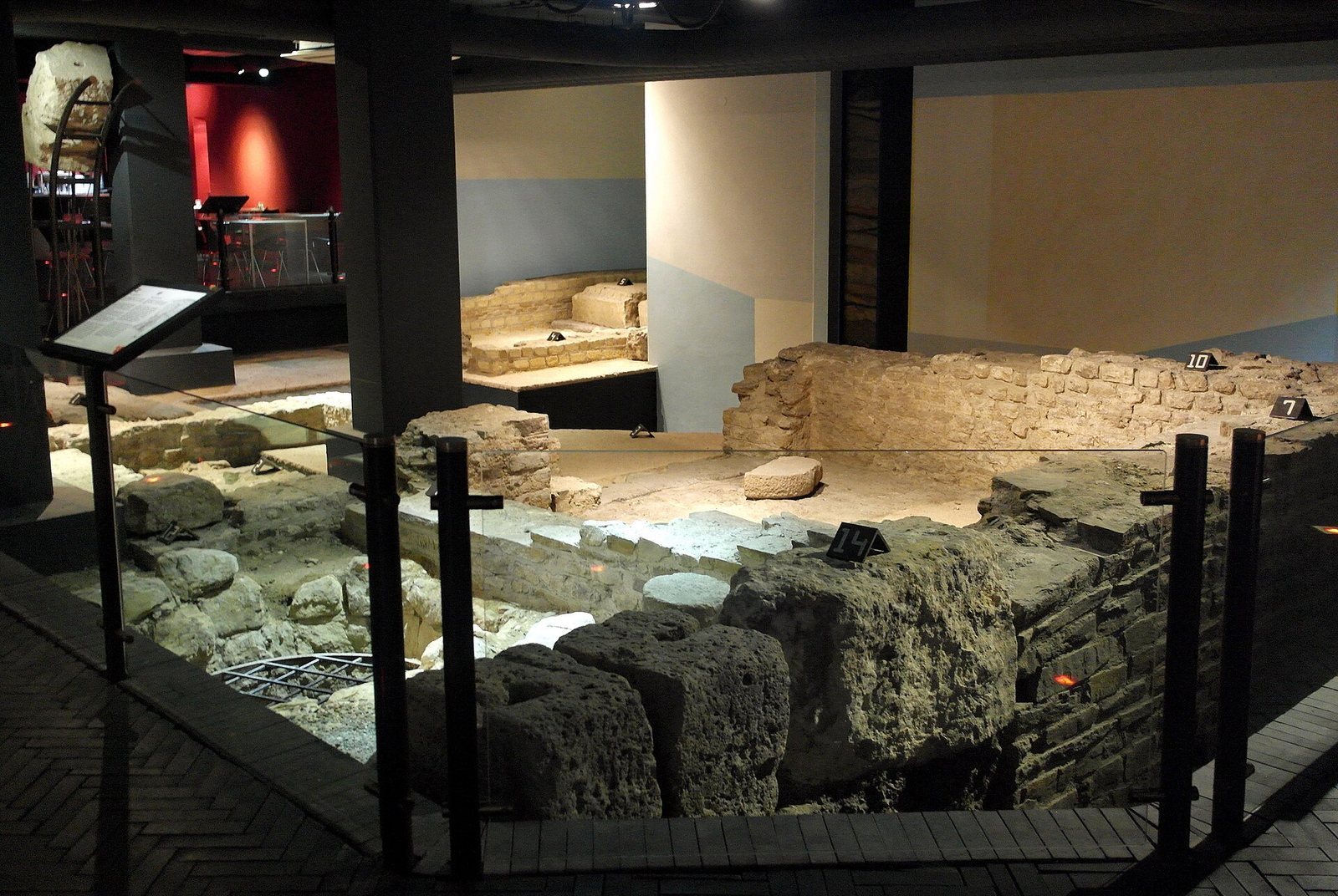
Museumkelder Derlon is an archaeological museum in the basement of Hotel Derlon in Maastricht, Netherlands. It preserves remains from a Roman sanctuary enclosure dating to the first half of the second century.
A late Roman fort preceded the Church of St Nicholas, which stood on the site from about 1340 until 1838. A hotel built in 1870 later occupied the northeast corner of Onze-Lieve-Vrouweplein.
Excavation and preservation
In the late 1970s, the hotel’s owner judged the building outdated and planned to replace it. After demolition, Maastricht’s municipal archaeological service, led by city archaeologist Titus Panhuysen, was permitted to investigate before construction began. The location was considered likely to contain important archaeological remains.
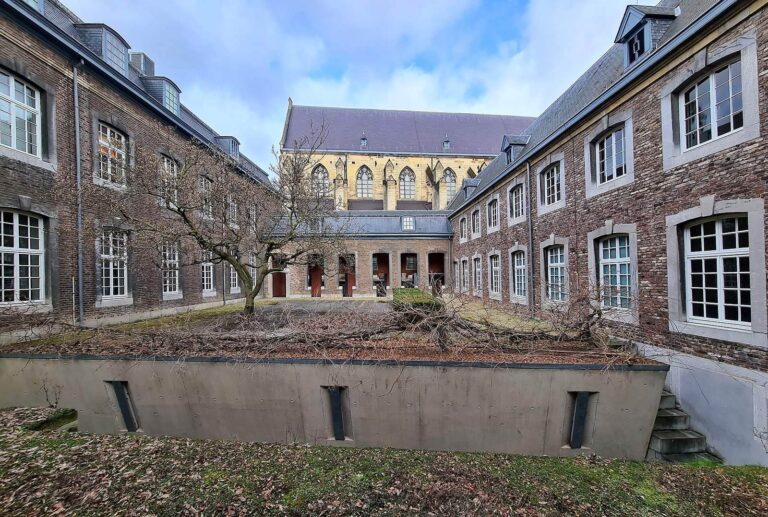
Work began on 17 June 1983. Discoveries extended the planned 90-day excavation by more than two months, and it ended on 29 November. Excavators reached 5–6 metres below street level and uncovered evidence including an earlier road, a Roman sanctuary and parts of the late Roman fort. A further excavation in the Basilica of Our Lady’s adjoining cloister courtyard in 1996 established the sanctuary’s full plan. Its temple was thought to lie beneath the basilica.
Preserving the sanctuary remains in their original location required substantial changes to the new hotel’s design. The Roman building remains found in 1983 were restored in 1987 and incorporated into the revised plans. The site was designated a Dutch national monument in 2003 and protected from 2004.
Remains
Roads and sanctuary
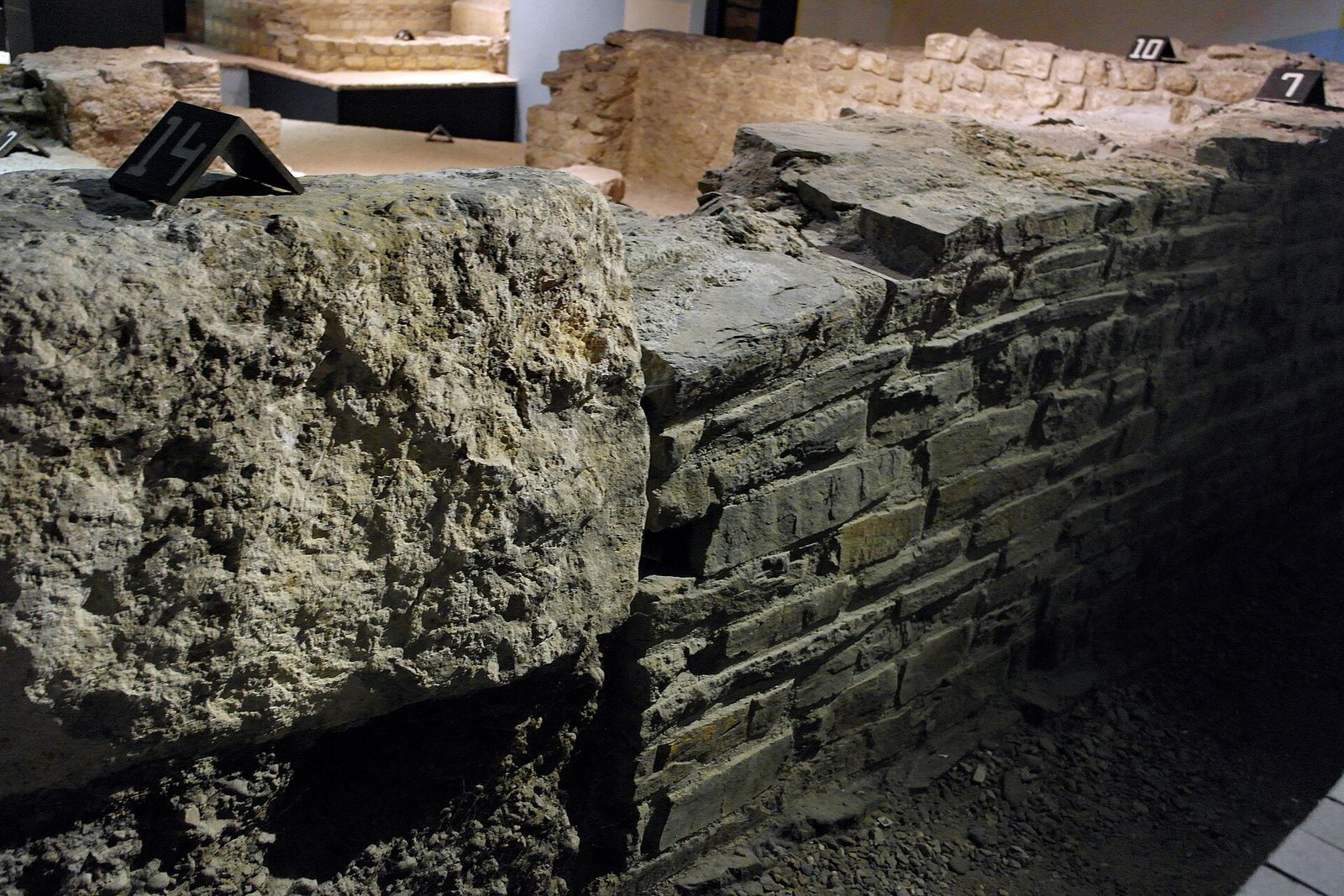
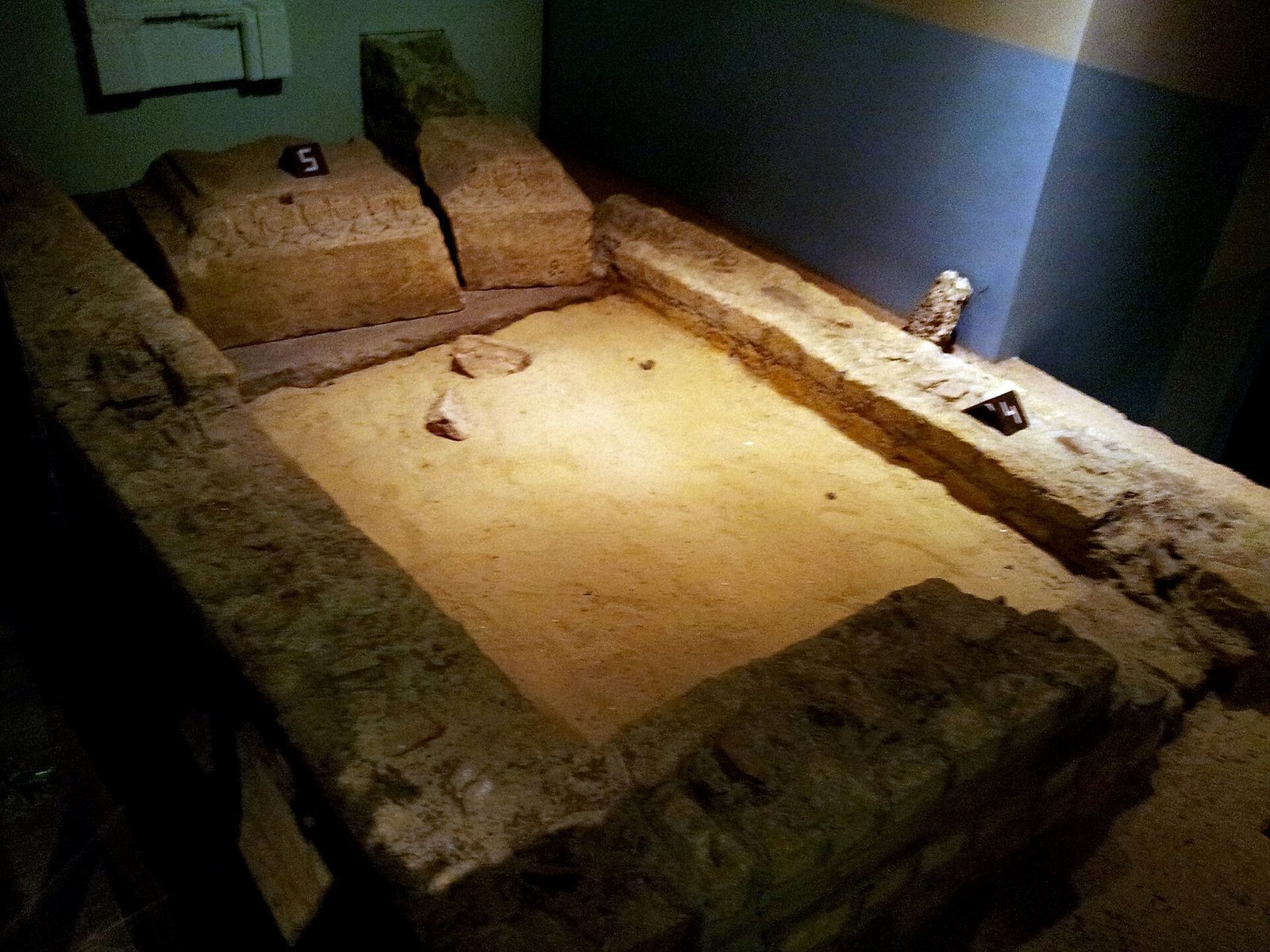
The small museum displays excavated building remains in the hotel basement, behind a glass balustrade. The remains include road surfaces and structures from the Roman sanctuary.
Road surfaces
One road, probably Celtic, was paved with cobbles from the Meuse. A separate gravel road incorporated several large stone blocks reused from earlier construction.
Sanctuary enclosure
The sanctuary was surrounded by a walled enclosure with an entrance in its north wall. This sacred precinct dates to the first half of the second century.
Courtyard
Within the enclosure was a walled courtyard, also dating to the first half of the second century. Its surface was finished with red mortar mixed with crushed ceramic.
Later Roman structures and objects
Jupiter column
A walled plot dating to the third quarter of the second century contains part of the base of a column that originally stood about nine metres high and carried a statue of Jupiter, a principal Roman god. About eight other column fragments survive, including two larger pieces. The identifiable remains include the feet and attributes of Fortuna, goddess of fortune, and parts of Venus and Hercules. Four fragments came from the statue of Jupiter, which stood about two metres high.
Shop and portal
A space identified as a small shop dates to the third quarter of the second century and was restored in the third century. Beside the sanctuary entrance, a portal with reused decorative mouldings dates to the early third century.
Well
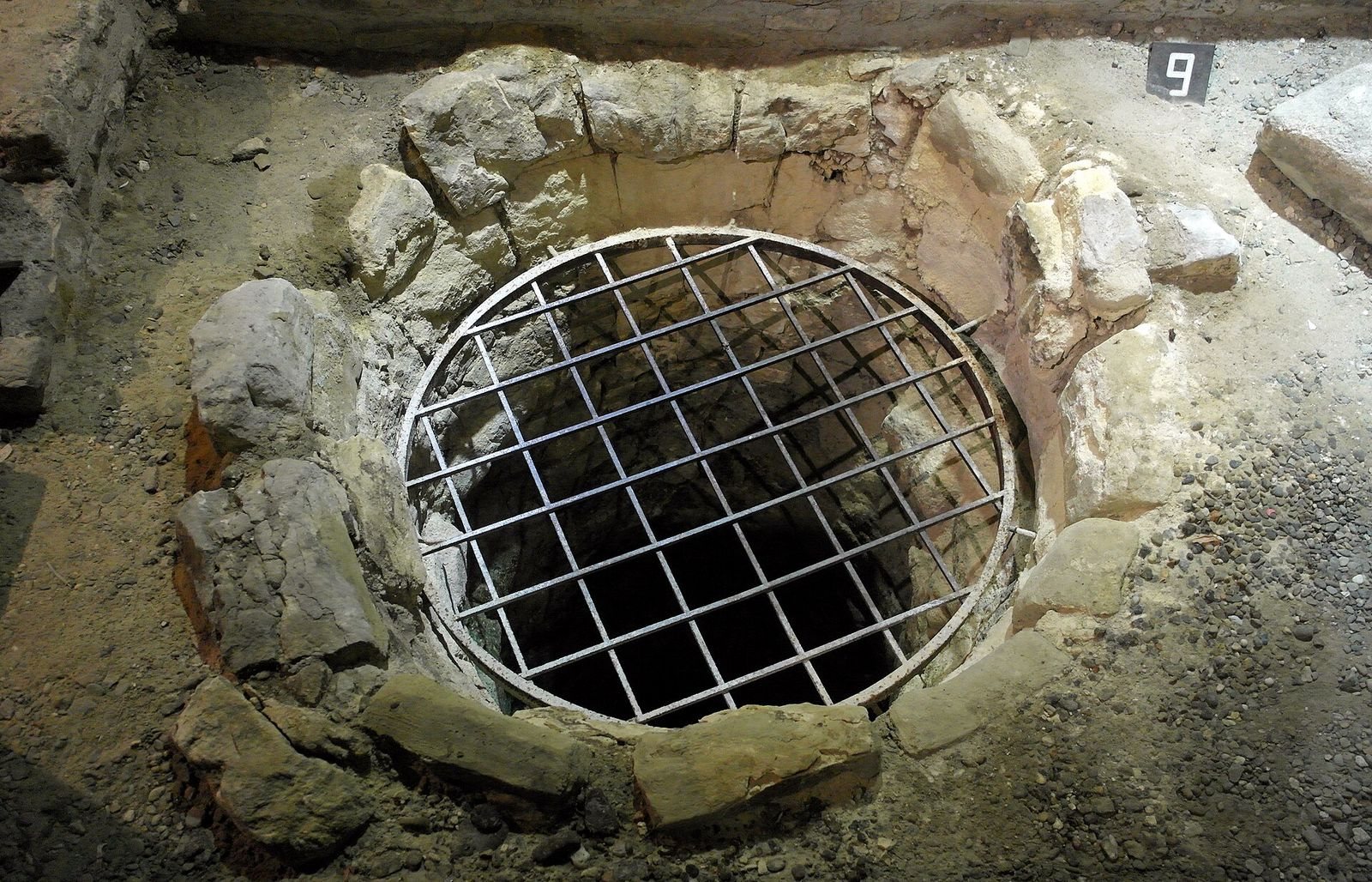
A well built before AD 270 from locally quarried marl, a local limestone-rich rock, was later filled in. It is among the oldest marl-stone structures in Limburg.
Fort and warehouse
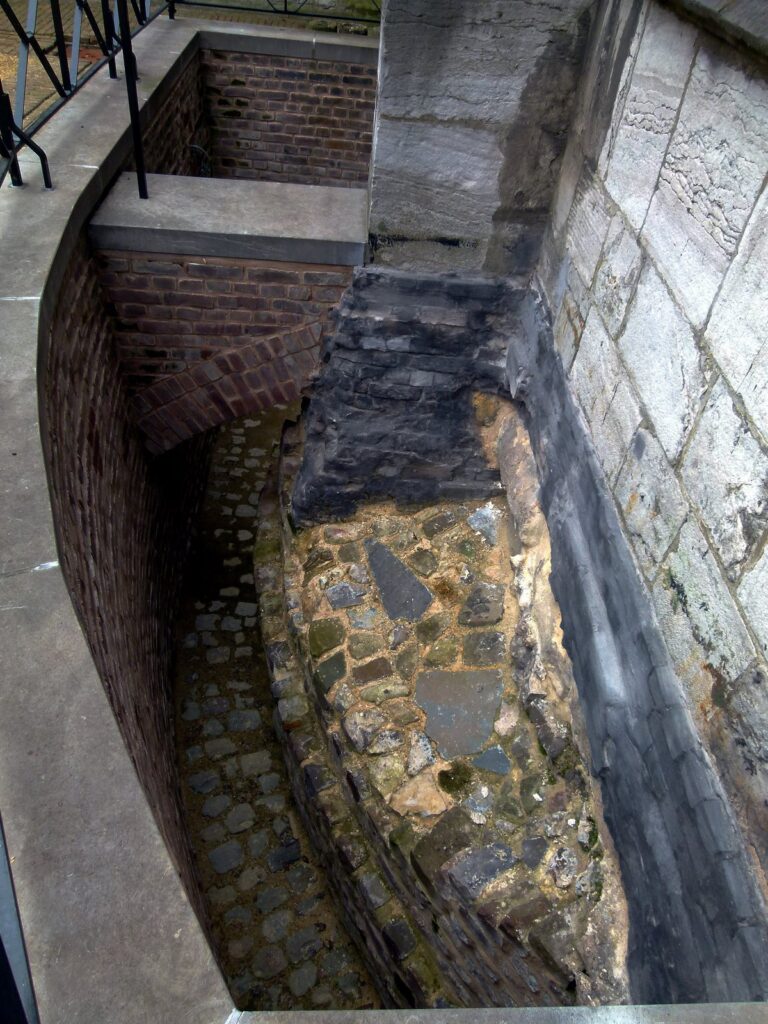
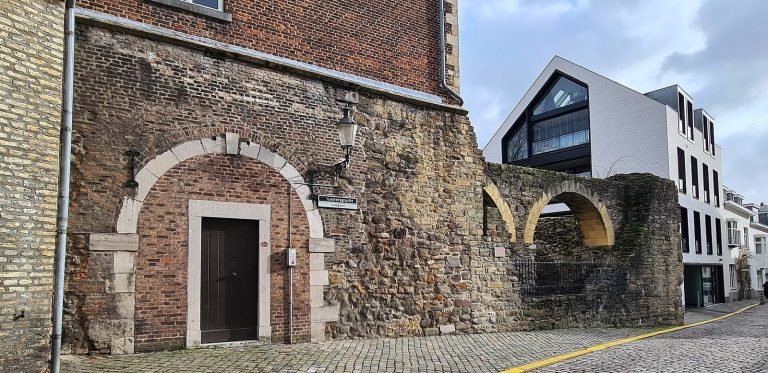
Sections of the late Roman fort’s walls survive, along with its western entrance gate, dated to AD 333. A fourth-century warehouse, possibly military in use, was built against the inner face of the fort wall. Its foundations incorporated reused walling and material from demolished structures.
Finds
Display cases contain Roman architectural fragments, pottery, glassware and metal objects. They also include a pouring spout from the La Tène Iron Age culture, shaped as an animal’s head and possibly representing a bull.