Mitsuya Kofun: An Octagonal Burial Mound in Gunma, Japan
Site at a Glance
- Rating
- 4
- Popularity
- Medium
- Country
- Japan
- Primary era
- Medieval
- Eras represented
- Medieval
- Civilizations
- Yamato
- Site type
- Burial
- Remains
- Burial Mound
On this page4 sections
History
Mitsuya Kofun is an octagonal burial mound in central Gunma, Japan, probably built in the latter half of the seventh century during the final phase of the Kofun period, an era associated with large elite burial mounds. Octagonal tombs were also used for imperial-class burials associated with Emperor Jomei, Emperor Tenji, Emperor Tenmu, and Empress Jito. At Mitsuya, the form points to the distinctive standing of the local elite.
A chiefly burial-mound group northwest of Mitsuya was among the leading groups in Kamitsukeno, an ancient region broadly corresponding to present-day Gunma. It ranked behind the group at Soja in Maebashi. Together, these burial groups help explain how the Yamato polity, an early Japanese political authority, extended centralized rule in the region.
The Yoshioka Town Board of Education excavated Mitsuya Kofun in 1993, with the findings reported in 1996. Gunma Prefecture designated it a historic site in 1995 and extended the designated area in 2001.
Remains
The mound
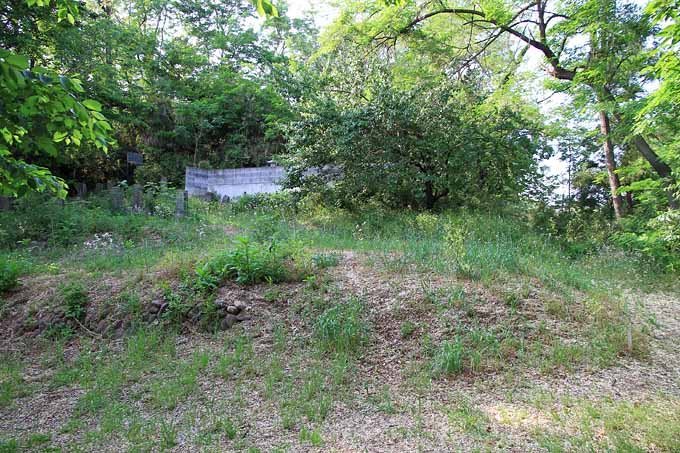
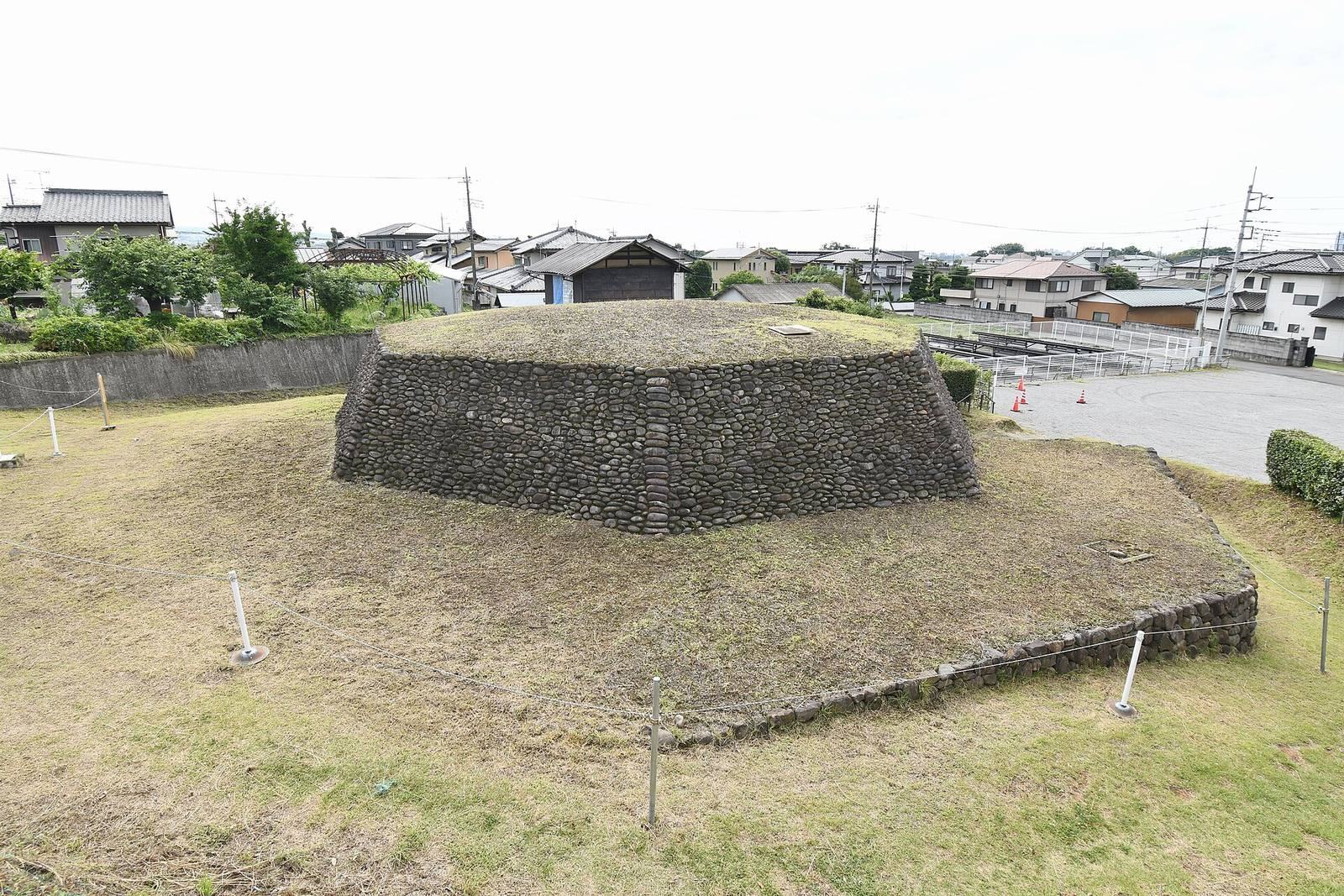
The two-tiered mound has a regular octagonal plan and stands on the eastern foothills of Mount Haruna, beside the left bank of a stream that flows into the Tone River. Its diagonal measures about 23.8 metres, and its surviving height is 4.5 metres. The lower tier’s sides are about 9 metres long, while those of the upper tier are about 6 metres. The earth was laid in horizontal layers roughly 10 centimetres thick using a technique similar to ramming. The measurements are thought to reflect a unit equivalent to about 30 centimetres, comparable to a foot used in Tang China.
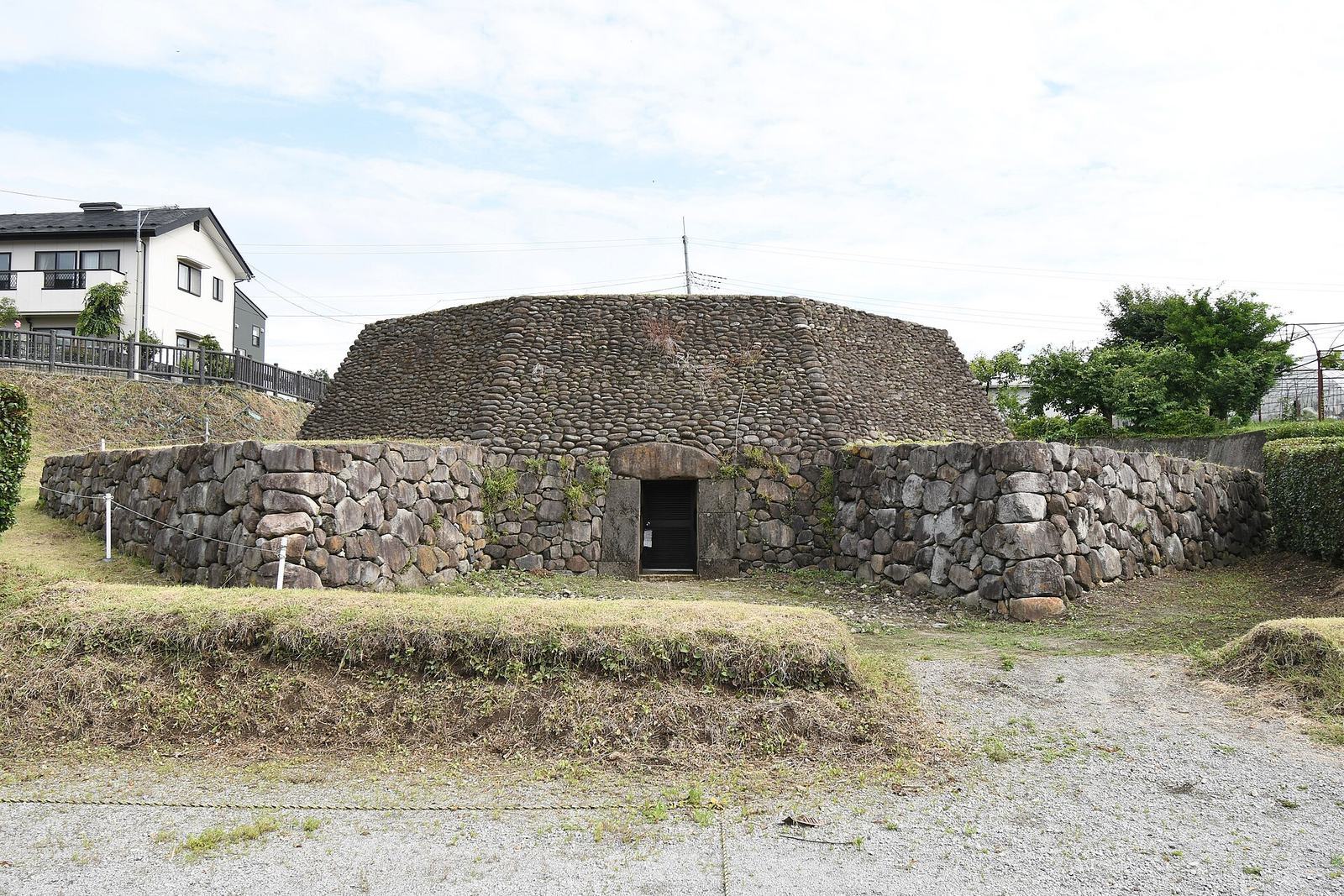
Stone facing covers the mound, with mountain stones on the lower tier and carefully laid, flat river stones on the upper. A moat encircles the structure.
Burial chamber
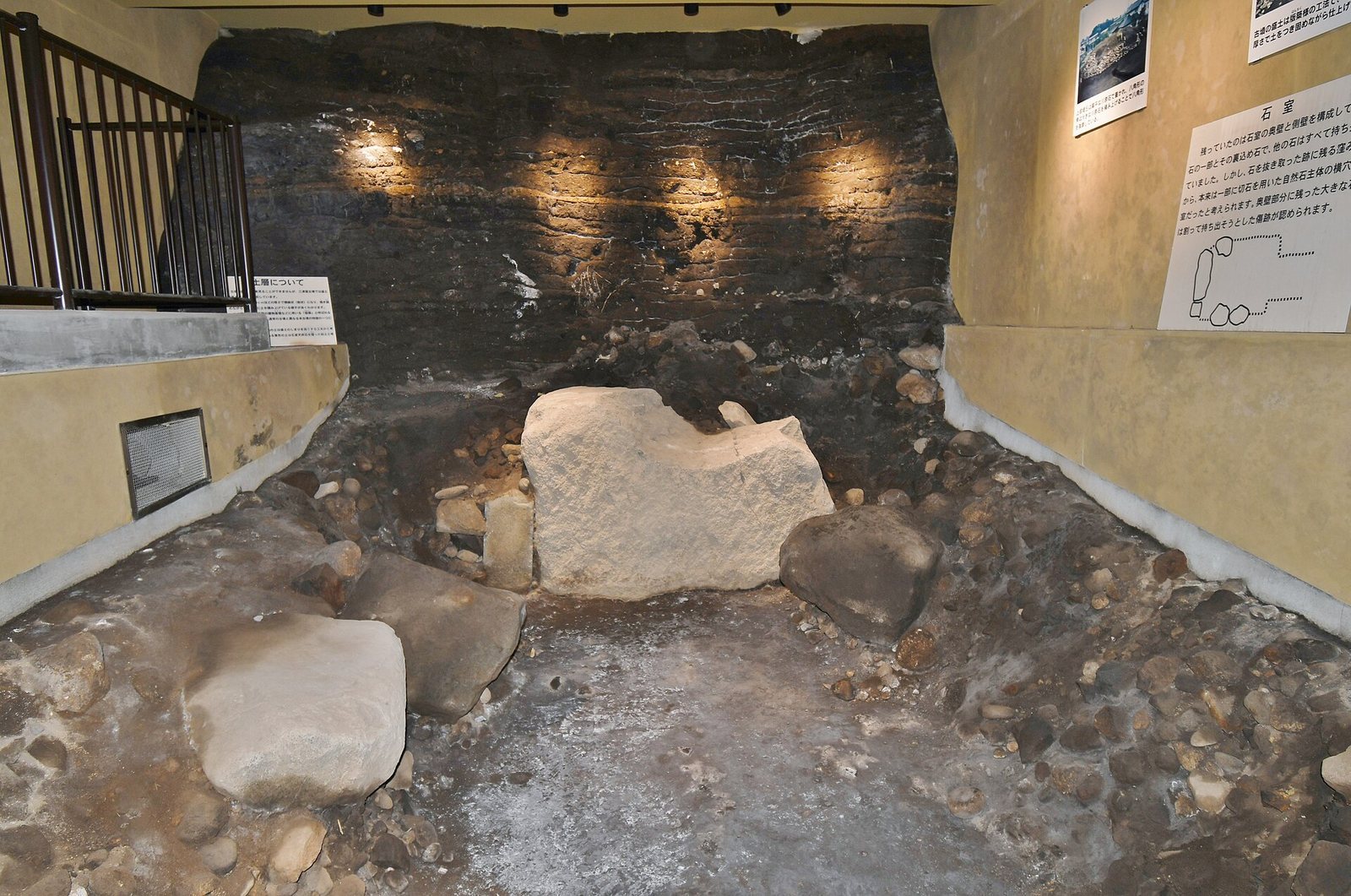
A stone passage enters the burial chamber from the south, with an open forecourt in front. The burial room is wider than its entrance passage, leaving a projecting shoulder on either side. Its rear wall lies at the centre of the octagonal mound. The chamber’s masonry is heavily damaged and consists mainly of irregularly placed natural stones; some cut stones are also thought to have been used. Robbery and damage have left the grave goods impossible to identify.