The Tribunal: A 15th-Century Merchant’s House in Glastonbury
Site at a Glance
- Rating
- 4.1
- Popularity
- Low
- Country
- United Kingdom
- Primary era
- Medieval
- Eras represented
- Medieval, Early Modern
- Civilizations
- English
- Site type
- Domestic
- Remains
- House
On this page17 sections
History
Medieval origins and later changes
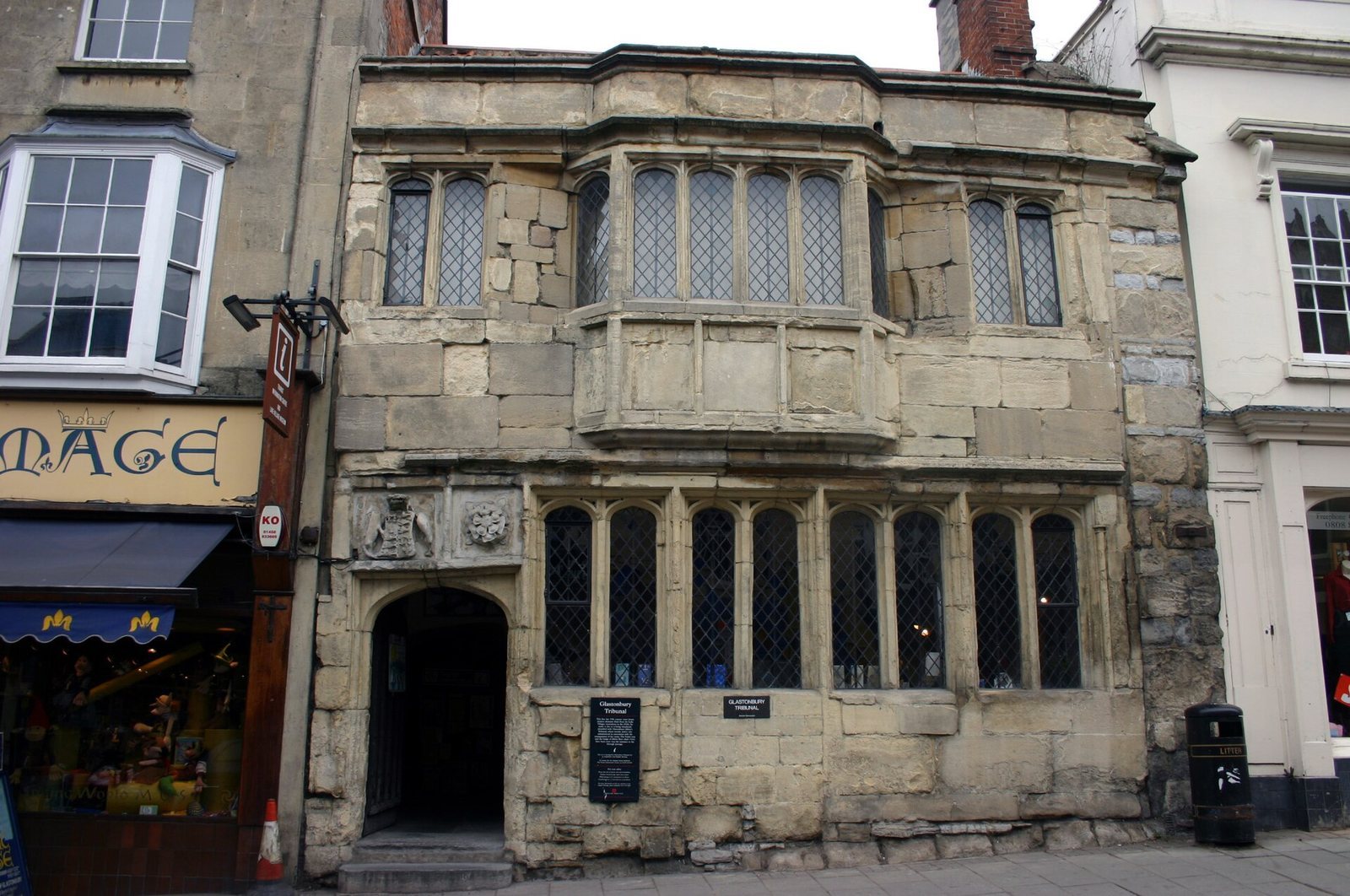
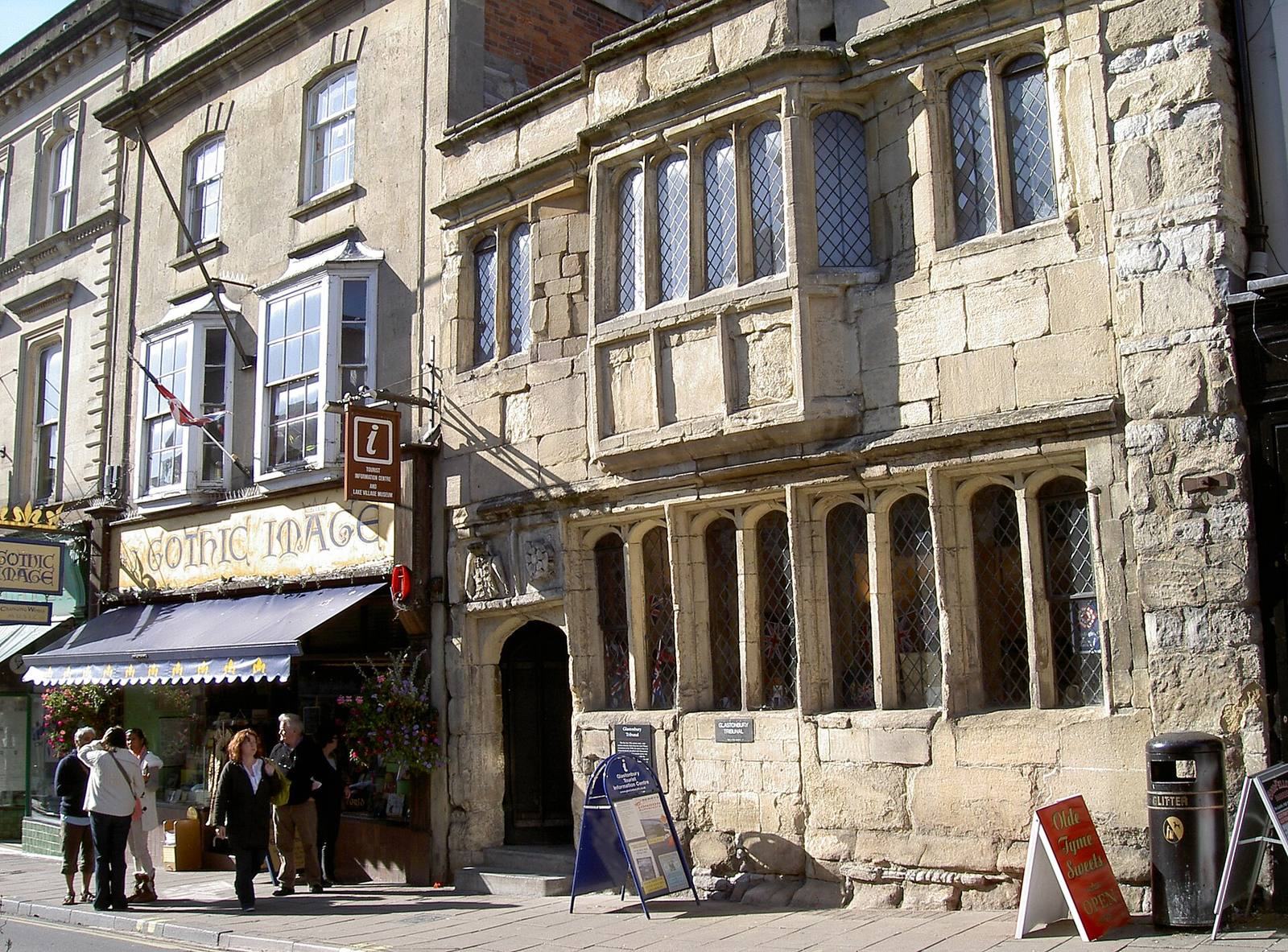
The Tribunal is a merchant’s house built mainly in the 15th century in Glastonbury, Somerset, United Kingdom, on the site of a wooden building from the 12th century. A new facade was added in the 16th century.
Changing uses and the Tribunal name
The building served at different times as a shop, school and convent. During the second half of the 18th century, it operated as a school where young men studied commercial subjects. It may also have been used as a hospice during the time of Abbot Richard Beere, the head of Glastonbury Abbey. A 1716 document mentions “Beere’s Hospital,” but it is uncertain whether it refers to this building.
The name “Tribunal” arose from a mistaken association with the abbey’s courts, which administered secular justice for Glaston Twelve Hides. A hide was a historic measure used to assess land and taxation. The historian John Collinson may have introduced the building’s name in 1791; when the antiquary Richard Warner investigated it in 1826, he could not determine its origin.
The building was also believed to have hosted trials by Judge Jeffreys after the 1685 Monmouth Rebellion. Jeffreys was associated with the Bloody Assizes, the trials held after the rebellion, but no evidence places court proceedings in The Tribunal.
Present care and use
English Heritage holds the building in guardianship, and Glastonbury Town Council manages it. The council runs Glastonbury Museum at the Tribunal, whose exhibitions are curated by the Glastonbury Antiquarian Society. The building is listed Grade I, the highest category of listed-building protection in England, reserved for buildings of exceptional interest.
Remains
Plan and exterior
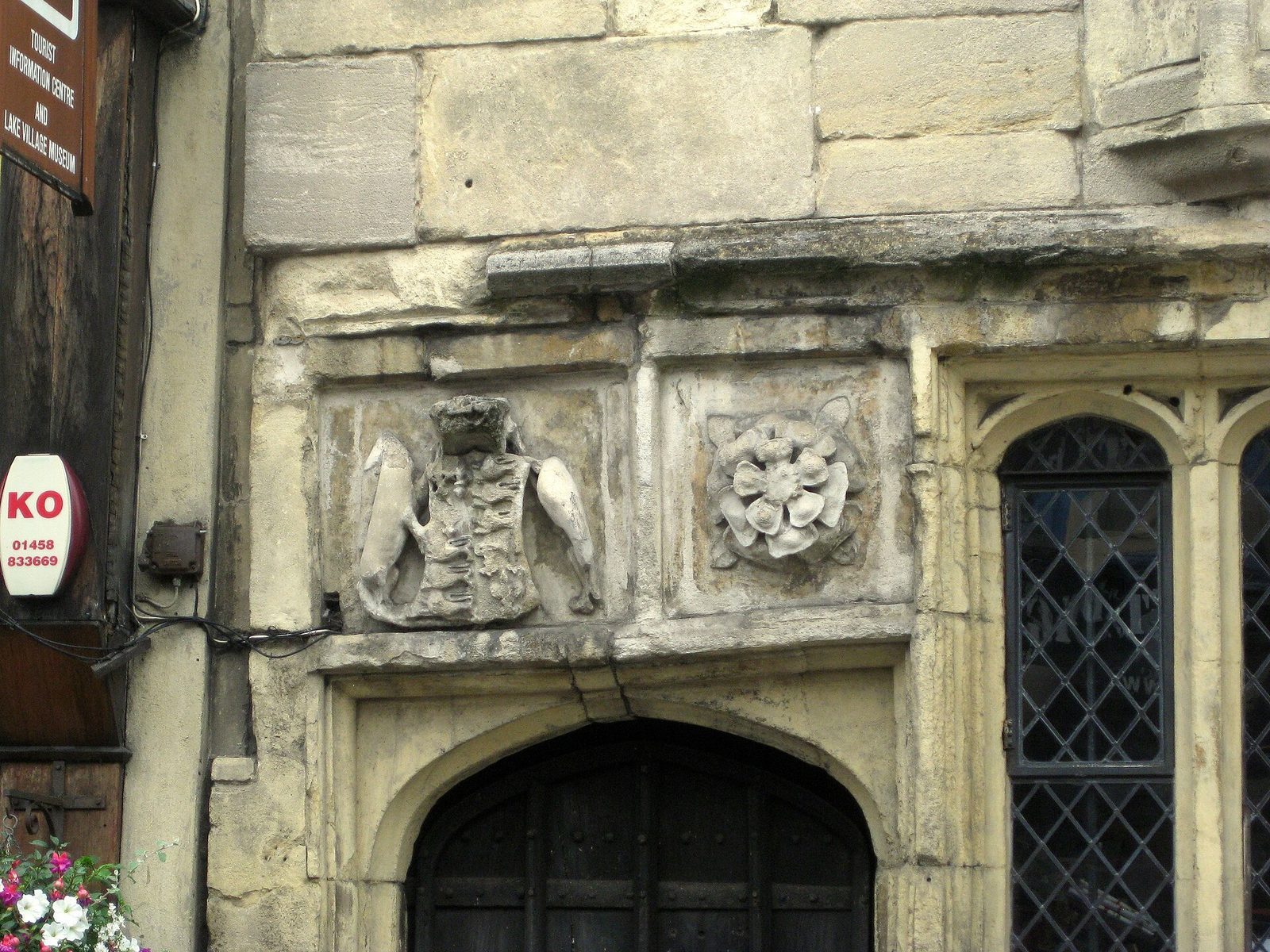
The house has two rooms on the ground floor, with an attached kitchen, and a staircase between the rooms leading to living quarters above. Its present front wall, built later than the original house, consists of medieval stonework. The 16th-century facade may include stonework and a window taken from the abbot’s lodgings behind Glastonbury Abbey’s great kitchen. Similar features appear in an engraving from 1712. By 1723 the building was ruinous and its front wall was gone. Above the original doorway are the royal arms and a Tudor rose, an emblem of the Tudor dynasty.
Ground-floor rooms
Front room
An arched fireplace stands in the front ground-floor room, with a recess on either side. The room may once have been a shop, but trade there ended after the new front wall was installed.
Hall and kitchen
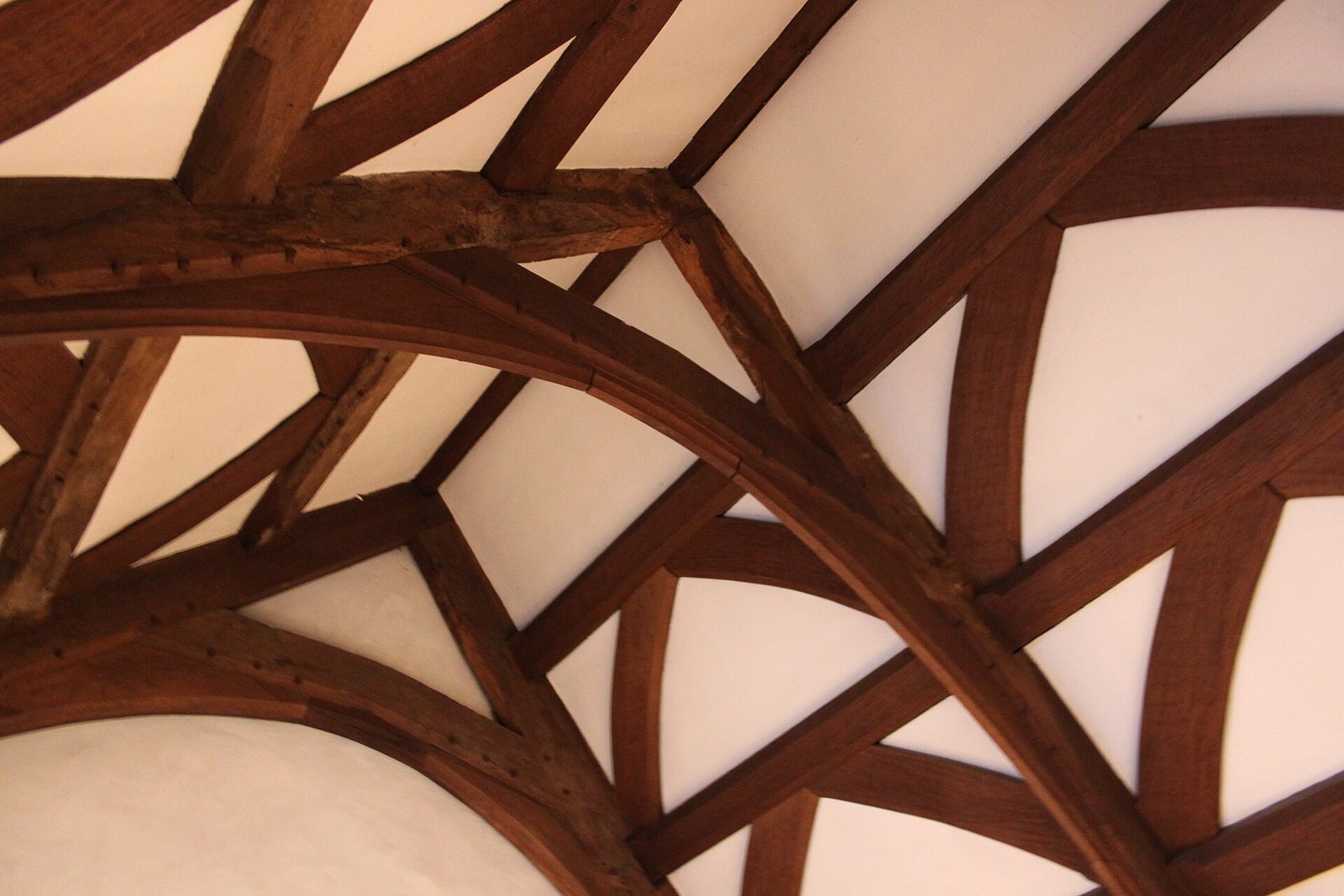
The rear ground-floor room was the hall. It retains ceiling panels from the 16th century, a four-light window and plaster decoration from the Elizabethan era, the reign of Elizabeth I from 1558 to 1603. The kitchen block was also added during that era.
Upper-floor rooms and staircase
Front room
The front room above was formerly divided by a partition. Its larger, open space was created when the new front wall was added. The roof is supported by wooden trusses with curved braces.
Rear room
The rear upper room retains the remains of a large fireplace. Its chimney was blocked when the ground-floor fireplace was installed.
Staircase
The present wooden staircase replaced an earlier stone one. Fragments of the stone steps still project from the walls.
Museum collections
The museum displays objects from Glastonbury and from the Iron Age Glastonbury Lake Village near Godney. The village was established around 300 BC and remained occupied into the early Roman period, around AD 100. It was abandoned, possibly as water levels rose, and peat preserved its finds nearly intact.
Lake Village objects
Among the displayed finds are a clay bellows nozzle, whetstones, iron knives and iron currency bars, which could be exchanged for goods. Some original storage jars are also shown; Arthur Bulleid reassembled them.
Glastonbury Bowl
The metal Glastonbury Bowl consists of two sections riveted together and repaired several times. Its lower section dates to the Iron Age. The upper section was probably added in the 1st century AD, made from a single sheet that may have been reused from another object, then riveted to the lower part.
Log canoe
A log canoe dating to the 8th or 9th century AD was found near the Lake Village. It is displayed in the kitchen at the rear of the building.