Finchcocks: An Early Georgian Country House and Former Keyboard-Instrument Museum
Site at a Glance
- Rating
- 4.9
- Popularity
- Medium
- Country
- United Kingdom
- Primary era
- Early Modern
- Eras represented
- Early Modern
- Civilizations
- British
- Site type
- Domestic
- Remains
- Elite Residence
On this page13 sections
History
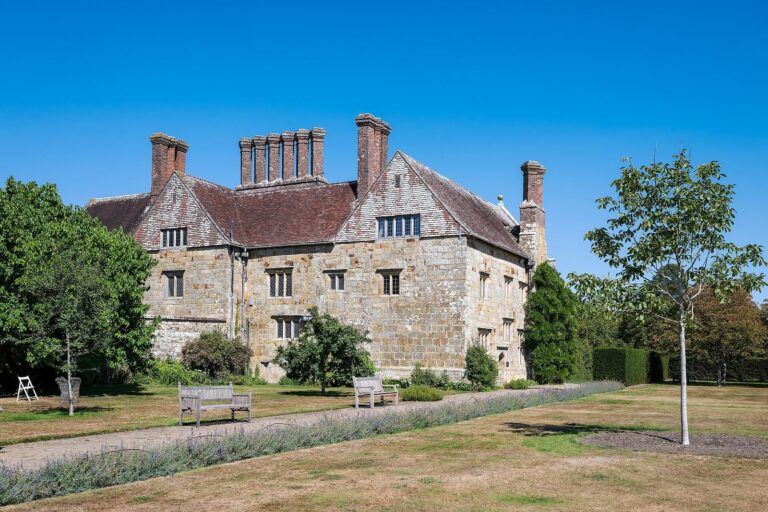
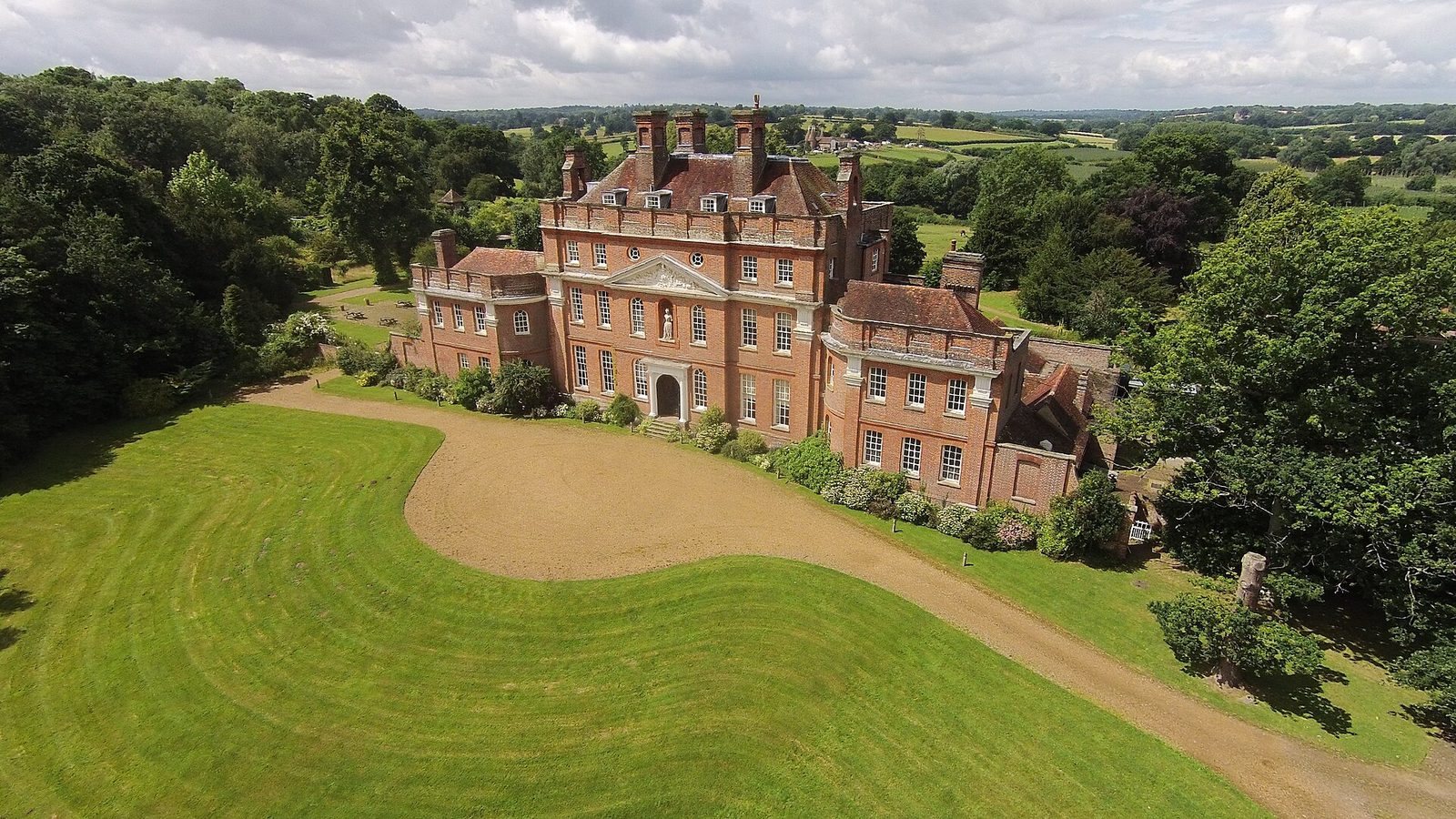
Finchcocks is an early Georgian country house in the United Kingdom, built in 1725 in the English Baroque style, known for dramatic forms and bold classical details. The name comes from a family who lived on the site in the thirteenth century. An earlier owner, Edward Horden, served as Clerk of the Green Cloth under Edward VI, Mary I and Elizabeth I. This Royal Household officer helped organise royal travel and oversee household accounts. Horden’s family crest is displayed above the front door.
The Bathurst family and later owners
Edward Bathurst (1680–1772), a London barrister and Master of the Middle Temple, had the present house built and lived there until his death. The Middle Temple is one of England and Wales’s four professional institutions for barristers. Bathurst transferred the estate to Charles, his son from his second marriage. When Charles died in 1767, his brother Richard inherited it. Richard was a minor canon, a clergyman serving a cathedral without being a cathedral canon, and lived at Finchcocks until 1796. He also inherited a Jamaican plantation worked by enslaved people.
Robert Springett bought Finchcocks in 1797 and increased the estate from 210 to 344 acres. In 1863 Richard Springett sold it to his neighbour Edward Hussey of Scotney Castle. During Hussey’s ownership, Sir James Stirling rented the house, living there from 1882.
School use and musical life
During the Second World War, pupils and teachers from King’s School, Rochester, stayed at Finchcocks before the army requisitioned the house. From 1960 to 1970 it served as a school for the Legat Ballet, a classical ballet school associated with teachers Nicolas and Nadine Legat.
Finchcocks also became a setting for music. A jazz club founded by Alastair Laurence and later developed by Roan Kearsey-Lawson grew into a prominent venue. Performers included Frank Holder and Duncan Lamont, and the club appeared on BBC One. Early-music performers, among them Trevor Pinnock, Simon Preston and Nigel North, used the house and its period instruments for recordings. Its rooms also hosted concerts and other musical events.
The Burnett museum and the house today
Richard and Katrina Burnett acquired Finchcocks in 1971 and restored it. Richard had acquired a collection of historical keyboard instruments the year before, and in 1976 the couple opened the house as a museum and centre for concerts and musical events. The Adlam Burnett workshop, established there by Derek Adlam and Richard Burnett, gave instrument makers the opportunity to study original historical keyboards and make copies.
The Burnetts retired in 2015, and many instruments were sold at auction for charity. The museum closed in 2017. Fourteen instruments were retained as the Richard Burnett Heritage Collection, with plans at the time to house them at the Burnetts’ home in Tunbridge Wells. The house was later sold to Neil and Harriet Nichols, who use it as their family home and for residential piano courses and charitable concerts.
Finchcocks received Grade I listing in 1952, the highest English listed-building category, reserved for buildings of exceptional architectural or historic interest. Its walled garden, summerhouse and ha-ha are listed at Grade II, a category for buildings of special interest.
Remains
Exterior
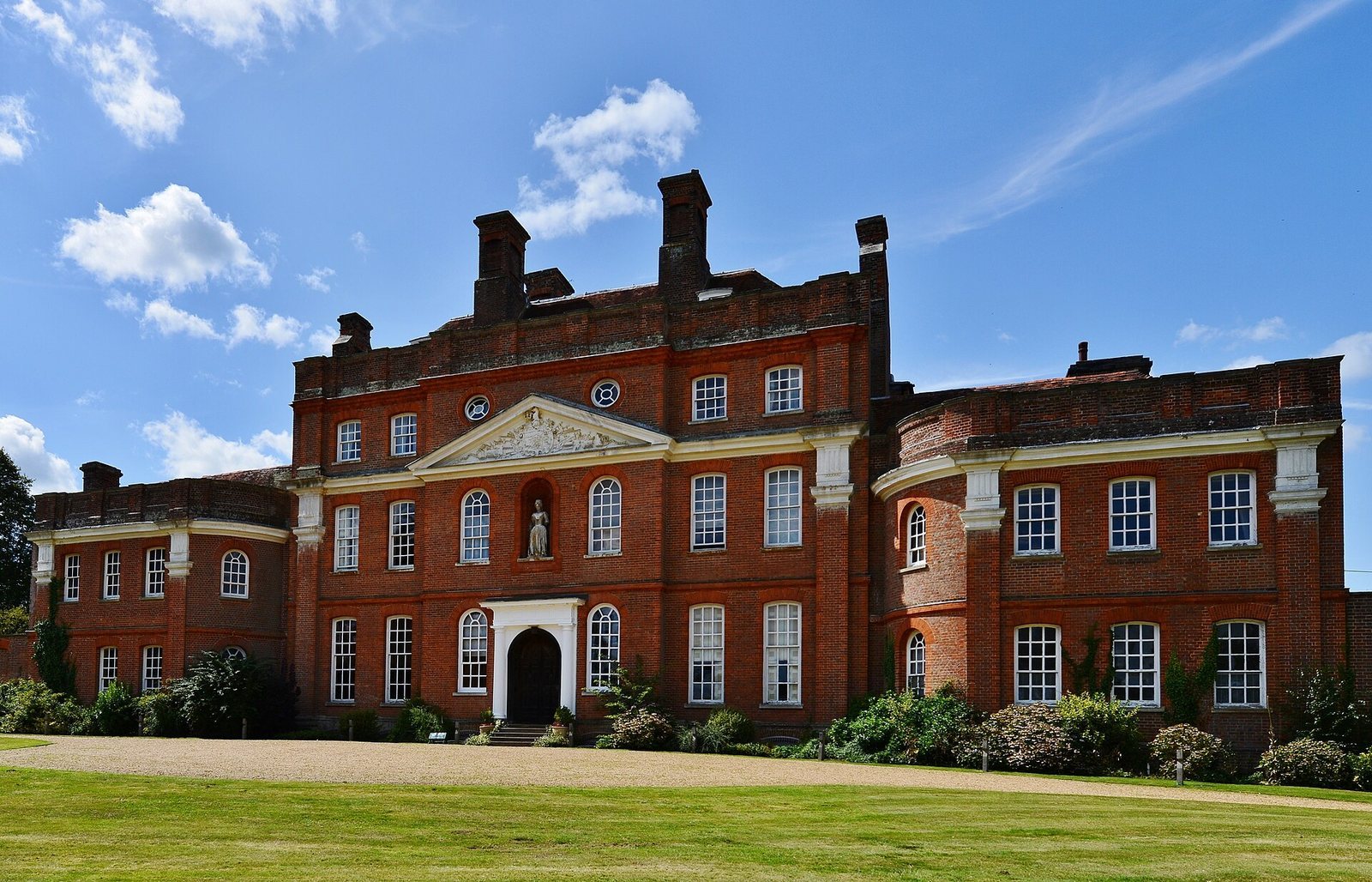
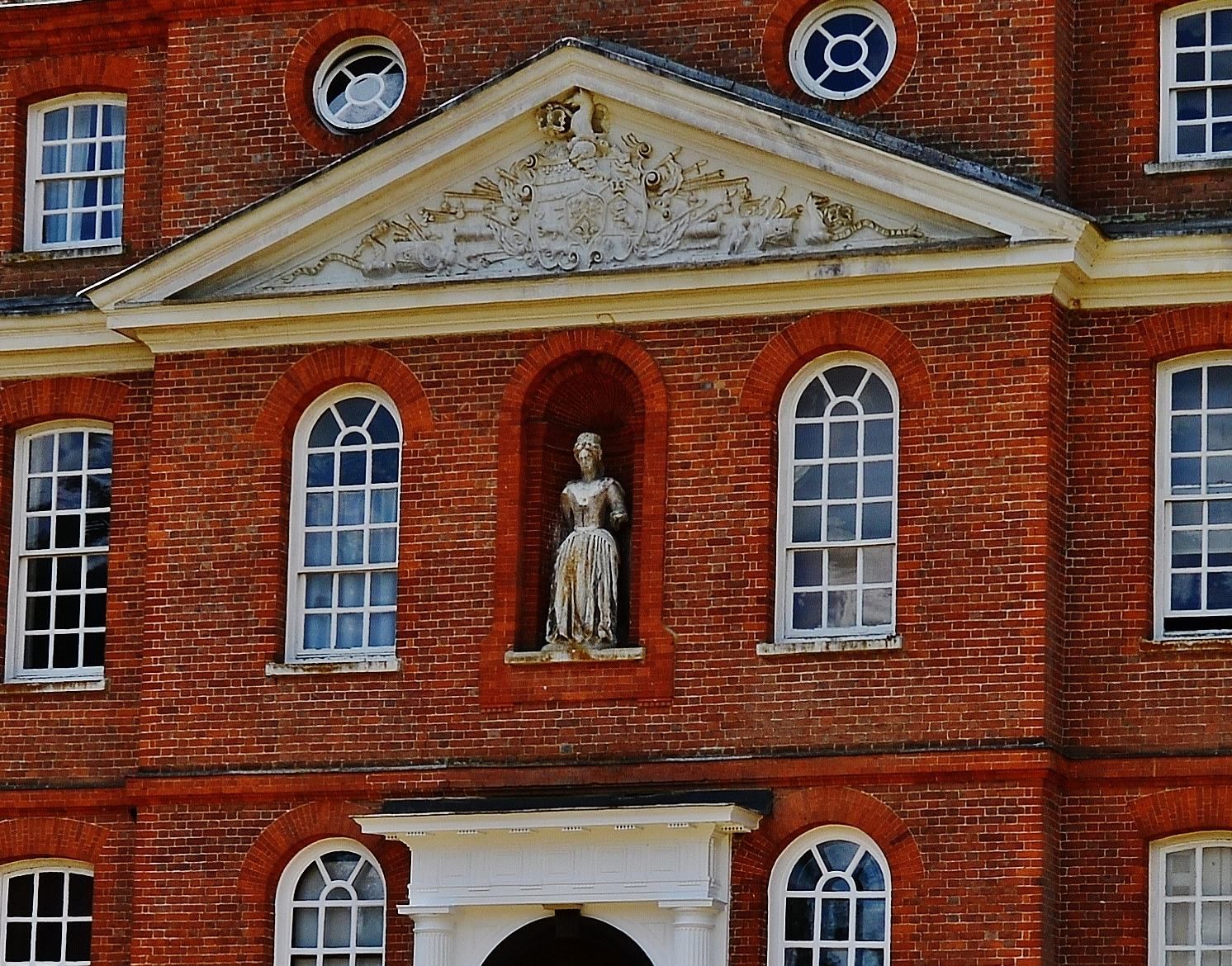
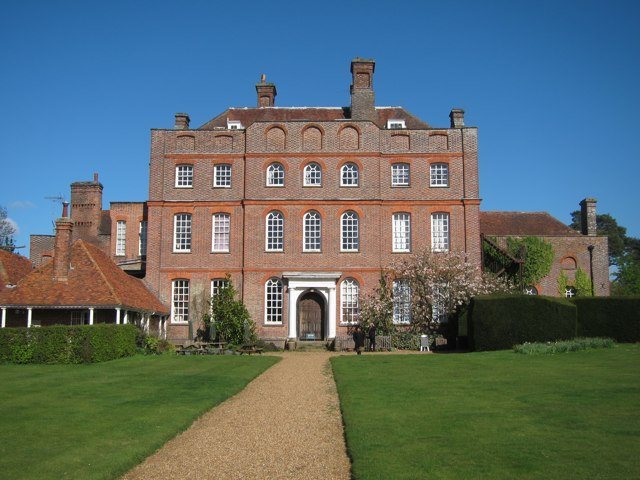
The house has an elongated rectangular main block with curved wings projecting from either side, and a floor area of 15,387 square feet. Its dramatic brick front is finished with a painted, moulded cornice supported by Tuscan pillars, a relatively plain classical design. A pediment above bears the Bathurst coat of arms. The simpler west-facing rear has a base course and a plat band, a horizontal strip of masonry, with pillars echoing those on the front. The house is attributed to Thomas Archer, an English architect associated with the English Baroque.
Interior
Four storeys rise above a vaulted cellar. A central hall runs through the building, and the rooms connect with one another to form an interior about 13 metres deep. High ceilings and oak panelling remain features of the rooms. The cellar’s elaborate vaulted construction may have delayed the building of the projecting wings.
Grounds
Parkland extends in front of the house. Behind it are formal lawns, mature shrub borders and an orchard planted for wildflowers. The grounds also contain a walled garden and a summerhouse. A ha-ha, a sunken ditch that separates garden from surrounding land without interrupting the view, lies to both the east and west of the house. The wider landscape includes farmland and hop gardens in Kent.
Former musical collection
Clavichords and harpsichords
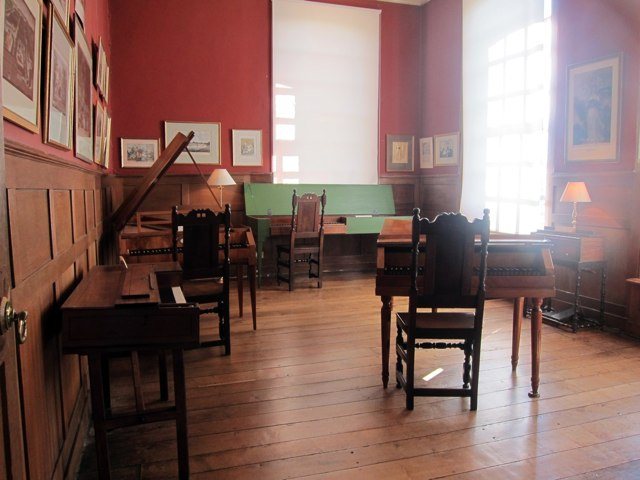
The museum’s keyboard instruments included clavichords, which produce sound when small pieces called tangents strike strings, and harpsichords, which pluck their strings. Examples included an unfretted clavichord by Lindholm and Söderström from 1806 and a fretted one by Georg Friedrich Schmahl from 1807. In a fretted clavichord, neighbouring notes share strings; in an unfretted instrument, each note has its own pair. Harpsichords included a double-keyboard instrument by Thomas Blasser from 1744 and a single-keyboard example by Joachim Antunes from 1785. Other types included an Onofrio Guarracino virginal, a small kind of harpsichord, from 1668, and bentside spinets, compact instruments with a curved side.
Organs
Organ holdings ranged from chamber organs to mechanically played instruments. A chamber organ from about 1680 and another from about 1790 were among the collection, as were instruments by John Byfield, dated 1766, and John Avery, dated 1792. The collection also included a barrel organ by William Ayton from about 1800, played by turning a cylinder, and a portable cob organ by the Autophone Company from about 1885. Other examples included an Alexandre Père et Fils harmonium from 1859 and a miniature free-reed organ from about 1860.
Pianos
The pianos covered a wide range of designs and makers. An early example was a square piano by Johannes Zumpe and Gabriel Buntebart, dated 1769. The holdings also included a grand piano by John Broadwood and Son from 1792 and several instruments by Muzio Clementi and Company, including grands from around 1800 and 1822. Nineteenth-century examples included a Frederick Beale upright euphonicon, a type of upright piano, from about 1842, and a cabinet upright by John Broadwood and Son from about 1830. Other former holdings included pianos by Sébastien Érard, Collard and Collard, Conrad Graf and Johann Baptist Streicher. Some instruments later entered other collections, including a Broadwood grand from 1859 at Hammerwood Park.
Other instruments and displays
Other objects included a cylinder music box with drum and bells from about 1895, a piano accordion from about 1850, and a symphonion, or disc music box, from about 1895. A dulcitone from about 1920 produced sound as hammers struck tuning forks, while a digitorium from about 1870 was designed for keyboard finger practice. The house also contained musical pictures and prints, as well as an exhibition on London’s eighteenth-century pleasure gardens, landscaped grounds for public leisure and entertainment. Its subjects included Vauxhall and Ranelagh Gardens.