Mansehra Rock Edicts: Ashoka’s Inscriptions of Moral Law
Site at a Glance
- Popularity
- Medium
- Country
- Pakistan
- Primary era
- Classical
- Eras represented
- Classical
- Civilizations
- Mauryan
- Site type
- Civic
- Remains
- Monument
On this page4 sections
History
Ashoka and the edicts
The Mansehra Rock Edicts are inscriptions issued under Ashoka of the Mauryan Empire, an ancient South Asian empire, outside Mansehra, Pakistan, in the third century BCE. They belong to a group of 33 inscriptions associated with Ashoka and express aspects of his dharma, his moral law, also called the Law of Piety. Their statements include the expansion of Buddhism, and the edicts rank among South Asia’s earliest unequivocal evidence of writing.
Ashoka’s change in outlook followed his forces’ conquest of Kalinga, a kingdom in eastern India, where the fighting caused destruction. Dismayed by its effects, he later embraced Buddhism. He visited Buddhist sacred places across the Mauryan Empire and erected inscribed pillars setting out a new moral code.
The use of Kharosthi, an ancient script used in Gandhara, has been interpreted as evidence that Achaemenid influence, associated with a Persian ruling dynasty, persisted there after Alexander the Great’s brief influence in the fourth century BCE.
Decipherment and modern recognition
James Prinsep was the first to decipher Kharosthi, after which Ashoka’s edicts written in the script could be translated. In 2004, Pakistan’s Department of Archaeology and Museums submitted the site for UNESCO World Heritage consideration under cultural criteria ii, iii, and vi. It remains on UNESCO’s Tentative List of proposed World Heritage sites.
Remains
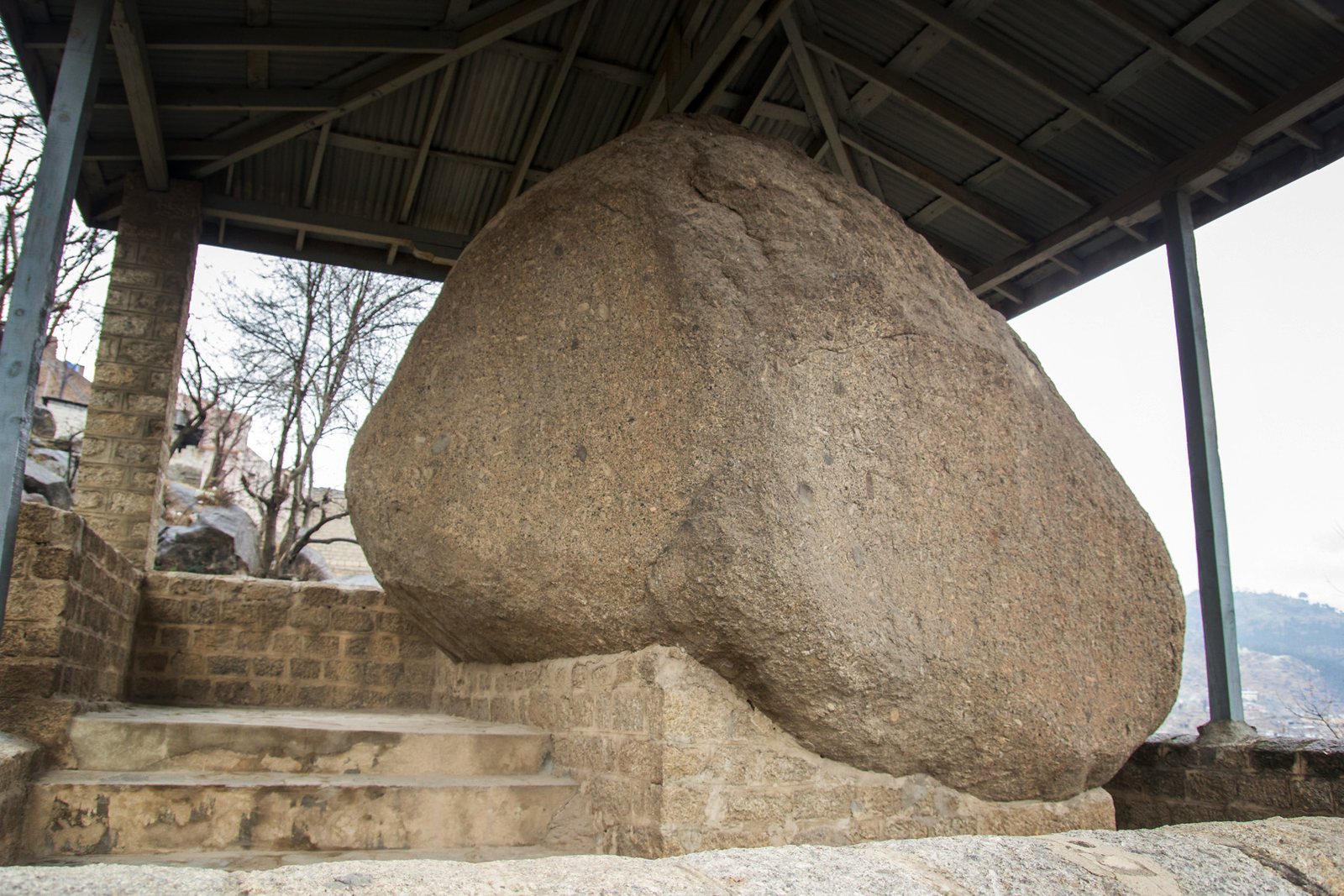
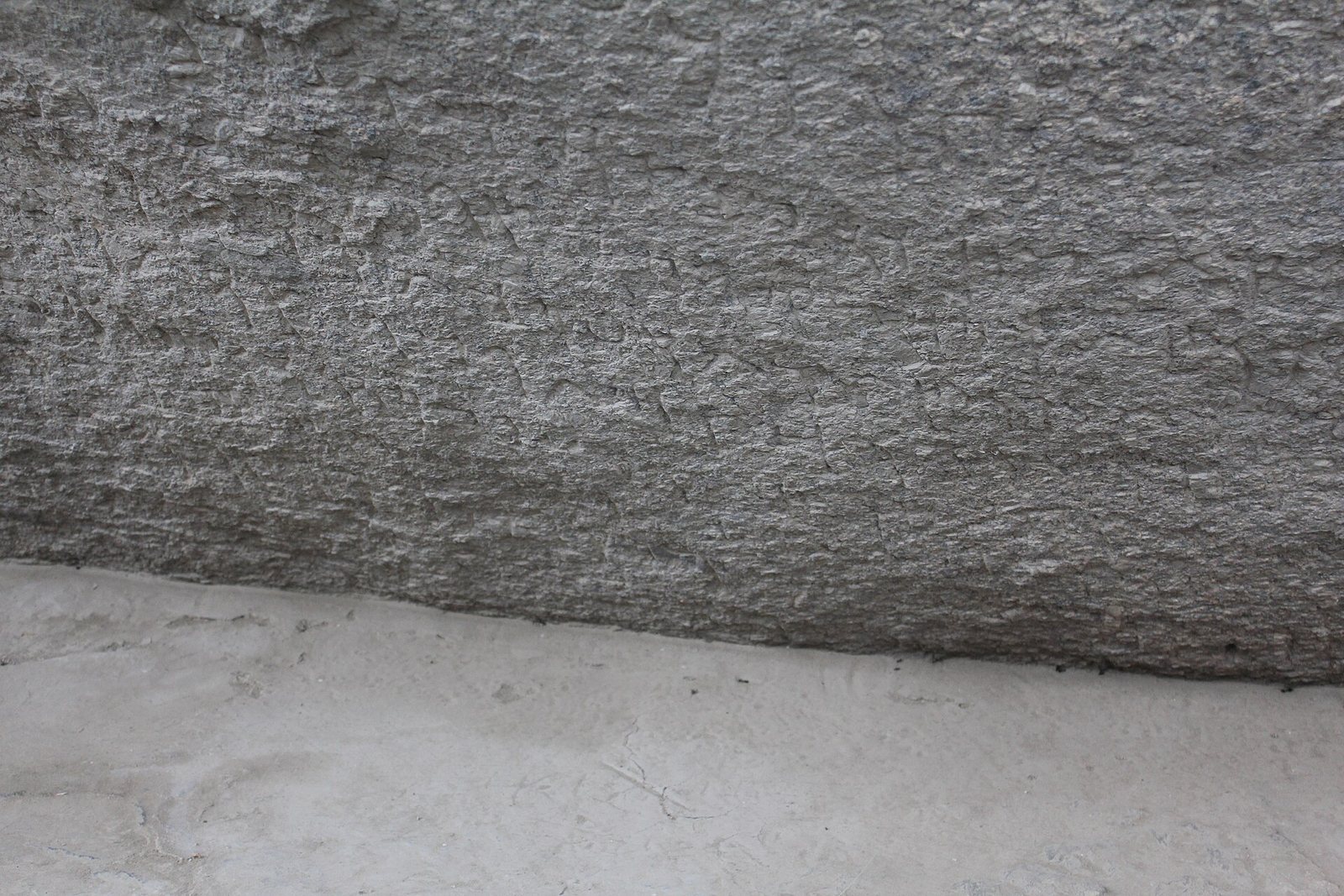
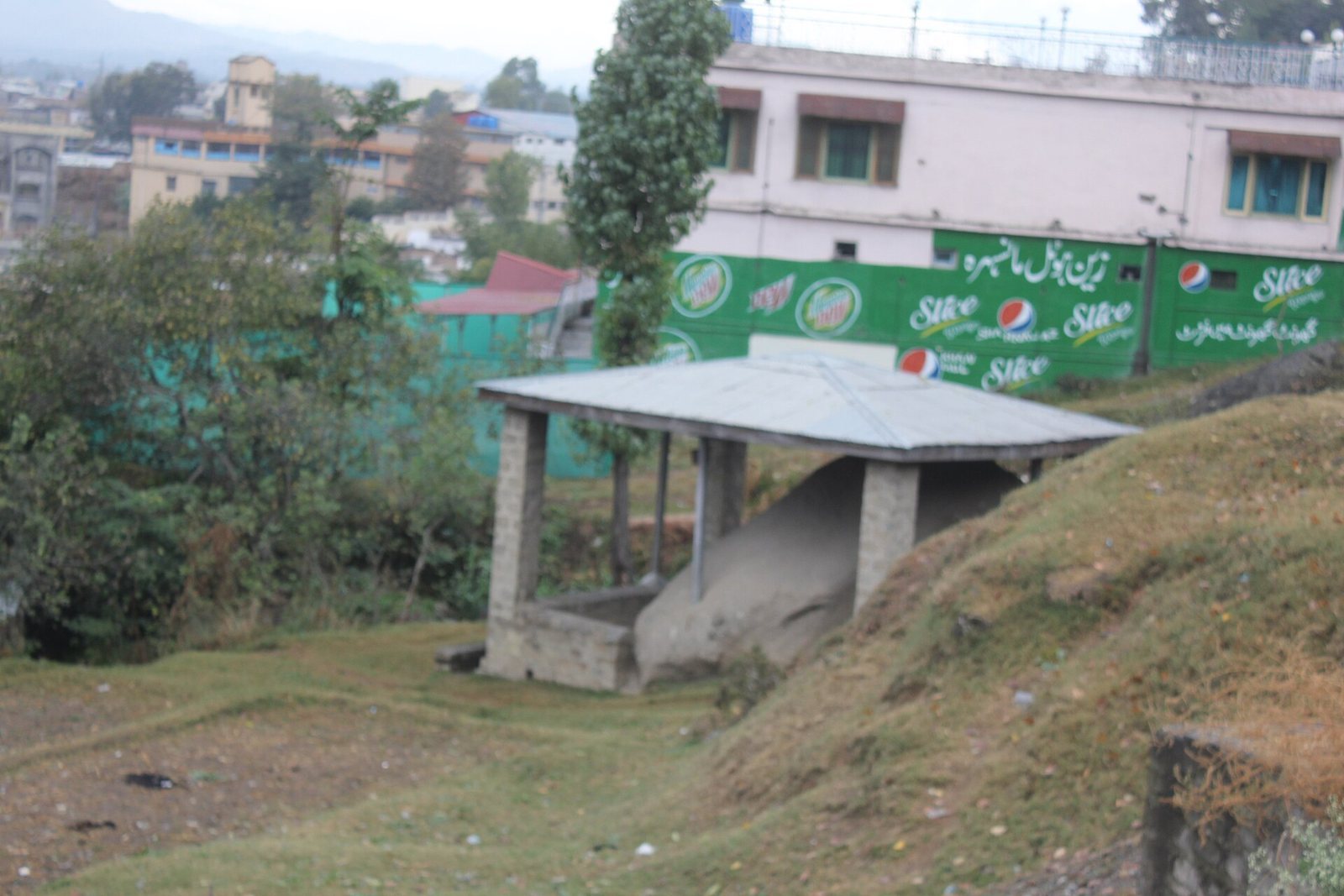
Fourteen edicts are carved into three boulders on the outer face of a small rocky hill outside Mansehra. They form four numbered groups: edicts 1–8, edicts 9–11, edict 12, and edicts 13–14. The writing runs from right to left in Kharosthi. Protective canopies provided by Pakistan’s Department of Archaeology and Museums shelter the inscriptions from weather, which had threatened the rocks and made the text harder to read.
The site lies near the Karakoram Highway, along the ancient Silk Route and beside an old route connecting the Peshawar Valley with Kashmir. Taxila is to the south, while Abbottabad is close to the east.