Muzaffarabad Fort: A Defensive Stronghold in Pakistan
Site at a Glance
- Popularity
- High
- Country
- Pakistan
- Primary era
- Early Modern
- Eras represented
- Early Modern, Modern
- Civilizations
- British, Mughal
- Site type
- Military
- Remains
- Fort
On this page6 sections
History
Chak and Bomba rule
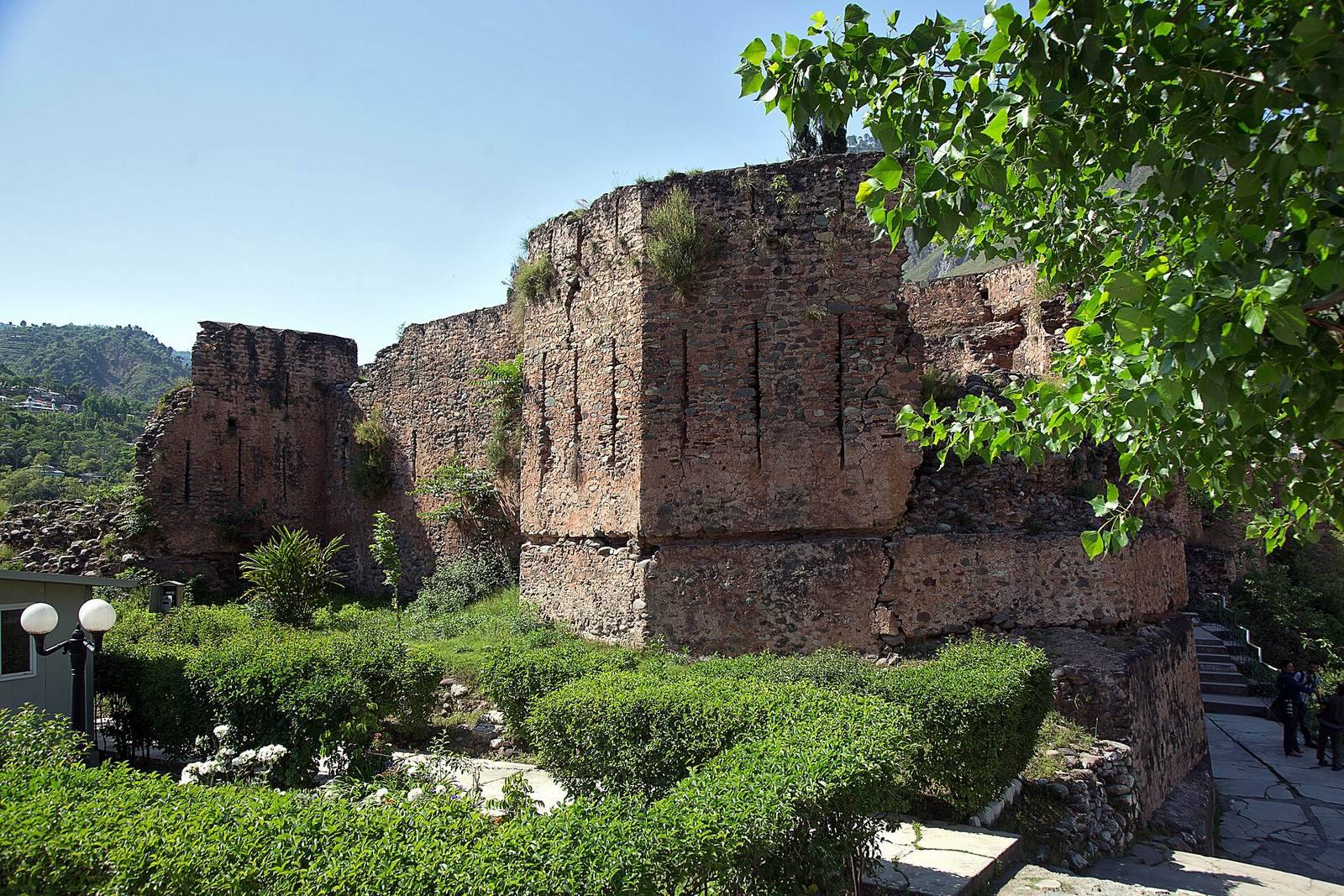
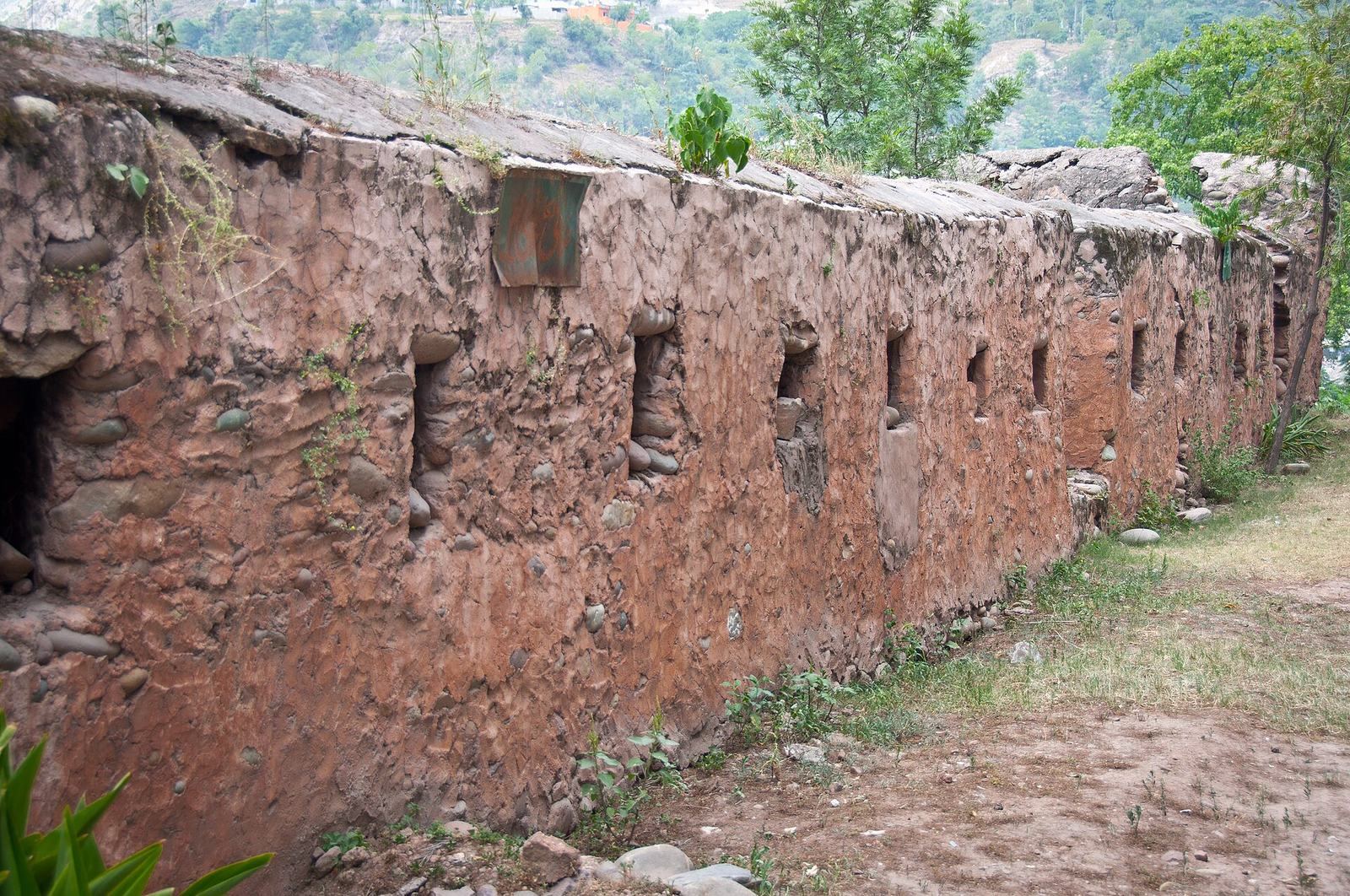
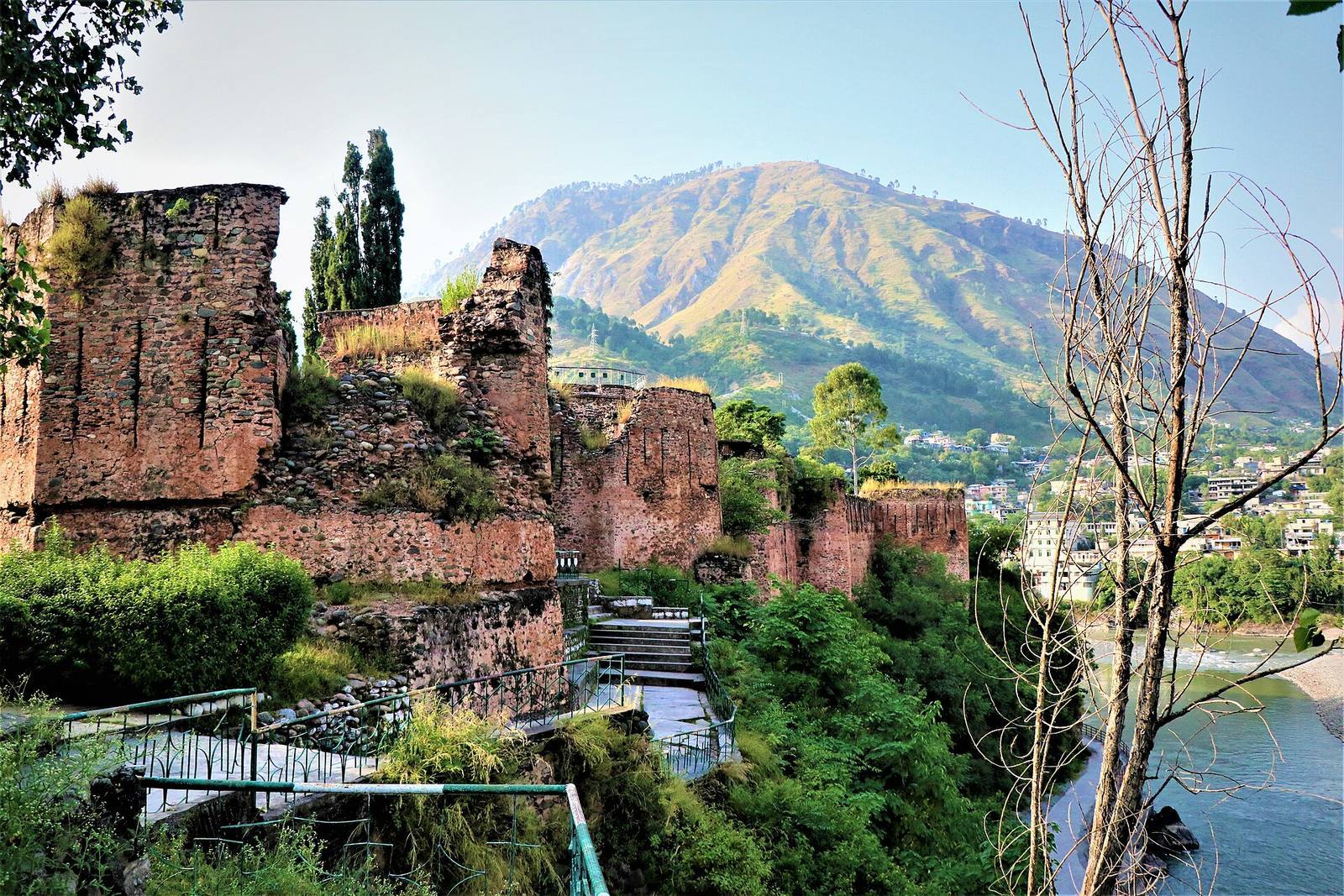
Muzaffarabad Fort, also known as the Red Fort, is a defensive fort west of Muzaffarabad in Pakistan, begun in 1559 by the Chak rulers of Kashmir. They started building it to guard against an anticipated Mughal threat to the town. After the Mughal Empire, a major South Asian empire, annexed Kashmir in 1587, the fort lost importance. Construction was completed in 1646 under Sultan Muzaffar Khan, a ruler of the Bomba dynasty, a regional house associated with Kashmir, and the founder of Muzaffarabad.
Dogra reconstruction and military use
In 1846, Gulab Singh of the Dogra dynasty began rebuilding and enlarging the fort for political and military operations. His successor, Ranbir Singh, completed the work. Dogra forces used the fort until 1926, when a new cantonment, or military station, was built and the fort was abandoned. The forces left around the middle of 1947, when the fort was decommissioned.
Damage and conservation
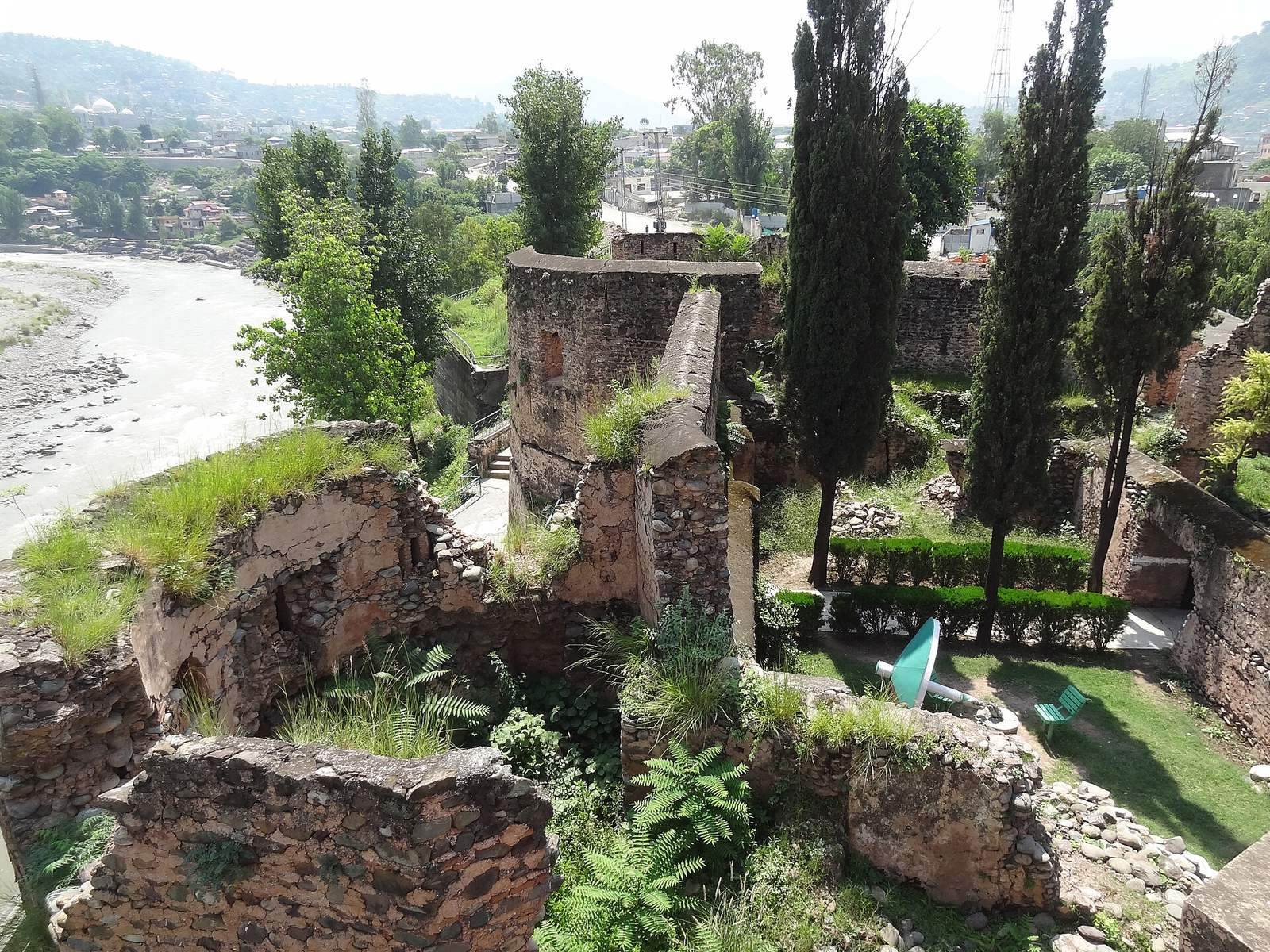
Raiders and dealers stole most of the relics kept in a museum associated with the fort. The 2005 Kashmir earthquake destroyed a large portion of the structure. In October 2019, the Government of Azad Kashmir and the Lahore Walled City Authority agreed to work toward the fort’s restoration and conservation, along with that of other major heritage sites in Azad Kashmir.
Remains
Layout and surviving features
The fort stands west of Muzaffarabad, with the Neelum River, formerly called the Kishan Ganga River, bordering it on three sides. Terraces and steps on the northern side descend toward the riverbank, and parts of the north side are damaged. The main gate is on the eastern side, where it was protected from floodwaters. An inn stood at the entrance, and only traces of it survive. The fort’s design and structure point to the involvement of skilled designers and builders, though none are identified.