Hattō-ji Temple: A Tendai Buddhist Complex in Japan
Site at a Glance
- Popularity
- Medium
- Country
- Japan
- Primary era
- Modern
- Eras represented
- Early Modern, Modern
- Civilizations
- Tokugawa
- Site type
- Religious
- Remains
- Monastery
On this page7 sections
History
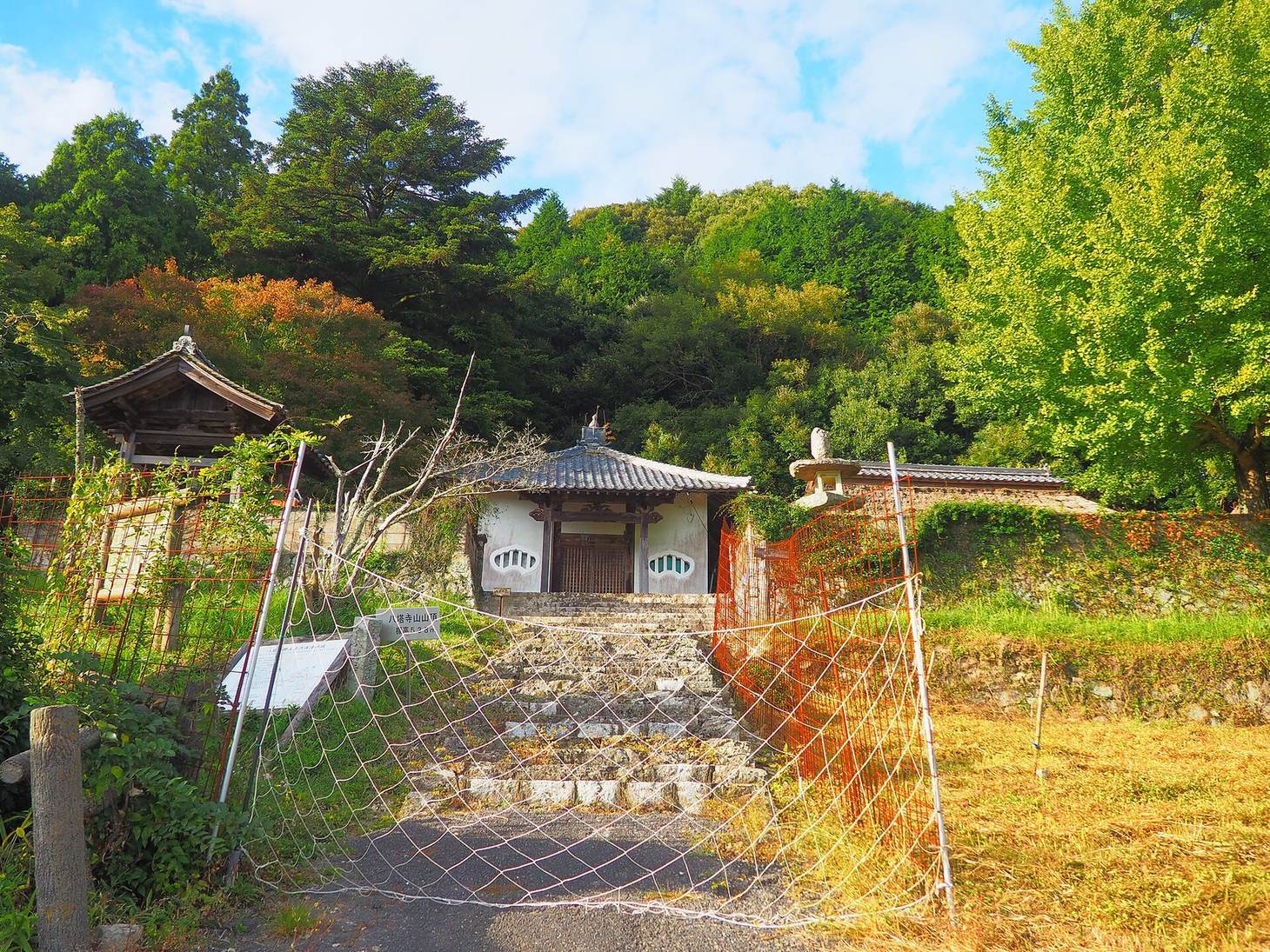
Hattō-ji Temple is a Tendai Buddhist temple in Japan, traditionally founded in 728 during Emperor Shōmu’s reign. Its establishment is attributed to the monk Dōkyō, who is said to have acted under imperial order. The nearby Sannō Shrine is also associated with this early foundation tradition. For much of its history, “Hattō-ji” referred to the surrounding locality as well as the temple; from the Edo period onward, the name came to refer to a single temple.
Medieval history
In 1184, Minamoto no Yoritomo, founder of the Kamakura shogunate, ordered his commander Kajiwara Kagetoki to rebuild Hōjuin, one of Hattō-ji’s temple establishments, and make it a place of prayer for the Minamoto clan. An order issued that year barred bandits, hunters, and woodcutters from entering within one ri, a traditional Japanese distance unit, of Hattō-ji. Similar restrictions followed. Retired Emperor Go-Toba passed through the locality in 1221 while being sent into exile. A copy of an order issued under the shogun Ashikaga Yoshimitsu in 1388 places Hattō-ji in Mimasaka.
Fires struck the complex in 1302 and 1388. In 1517, forces of the regional leader Uragami Muramune burned Jōshōin, where a force loyal to Akamatsu Yoshimura was encamped. Two years later, the lord of Mitsuishi Castle attacked a camp at Hattō-ji belonging to one of Yoshimura’s retainers. The defenders retreated to Kōzuki, and the main hall and other temple buildings burned. Hattō-ji was left almost entirely devastated. In 1521, Muramune placed a prohibition notice at the temple.
Patronage and religious affiliations
In 1582, Toyotomi Hideyoshi granted 500 koku to Jōshōin. A koku was a traditional measure of rice yield also used for land and stipends. The temple lands were confiscated in 1591, but Ukita Hideie, a territorial lord, granted Jōshōin 50 koku in 1595. In 1629, the Ikeda family allocated the three establishments a total of 36 koku, 4 to, 5 sho, and 4 go, with smaller units to, sho, and go supplementing the koku. Jōshōin received 12 koku; Hōjuin and Myōōin received 10 each, and the remainder was assigned to repairs. Ikeda Mitsumasa granted the same total in 1634, and successive domain lords continued such support until the Meiji Restoration, the nineteenth-century transition that restored imperial rule.
Hattō-ji’s Buddhist affiliations varied over time. In 1649, Kōyasan, a major centre of Shingon Buddhism, declared that only Shingon members could reside at Hattō-ji through the end of the Tenshō era, a late-sixteenth-century Japanese era. By 1761, Jōshōin was identified with Tendai, a distinct school of Japanese Buddhism, while Hōjuin and Myōōin belonged to Shingon. The Sannō Shrine became the village’s tutelary shrine, associated with its protective deity, in 1665.
Officials were appointed to oversee rebuilding in 1706, and construction for the three temple establishments was approved the following year. In 1824, the two Shingon establishments sought permission to transfer their combined 20 koku of temple land to Jōshōin and leave the mountain. A dispute over rebuilding was settled through mediation by an Okayama domain official in 1833. In 1838, Hōjuin and Myōōin separated from Hattō-ji as Kōkenji.
Modern preservation
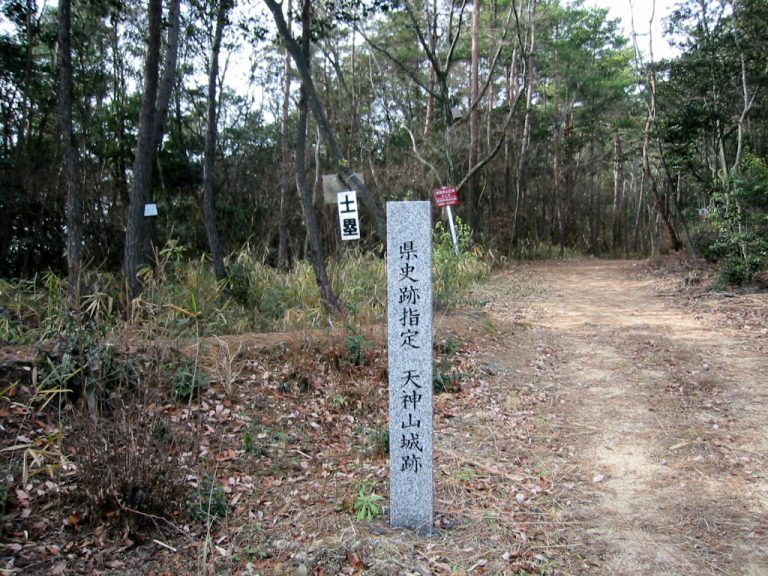
In 1974, the entire mountaintop was registered as Hattōji Furusato Village, the first registration of its kind in Okayama Prefecture, and was preserved and improved. The surrounding area became a local nature conservation area in 1978.
Remains
Temple complex
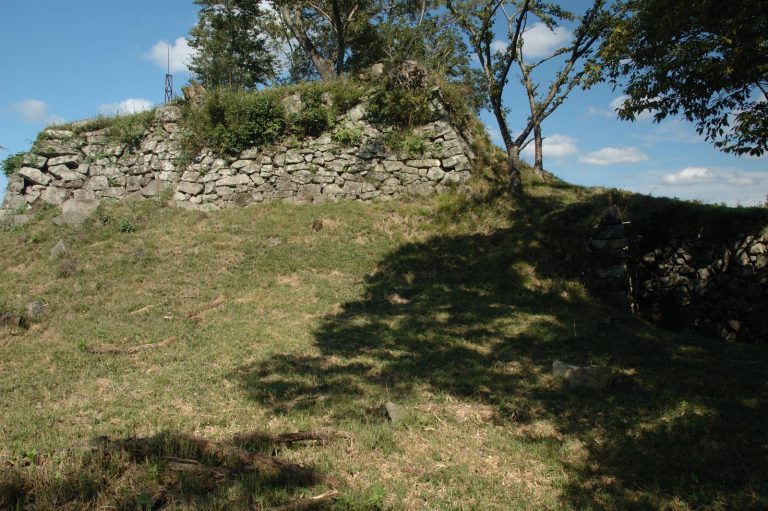
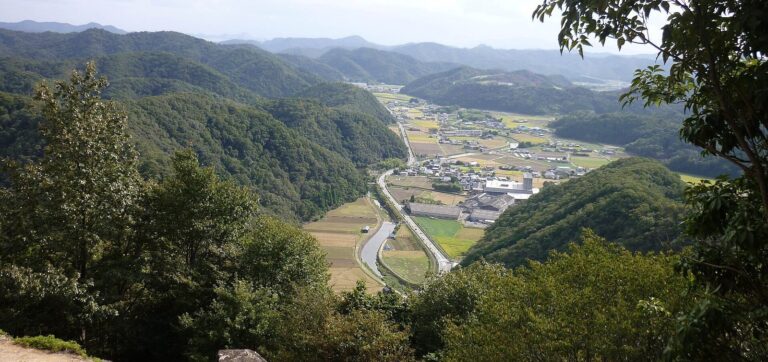
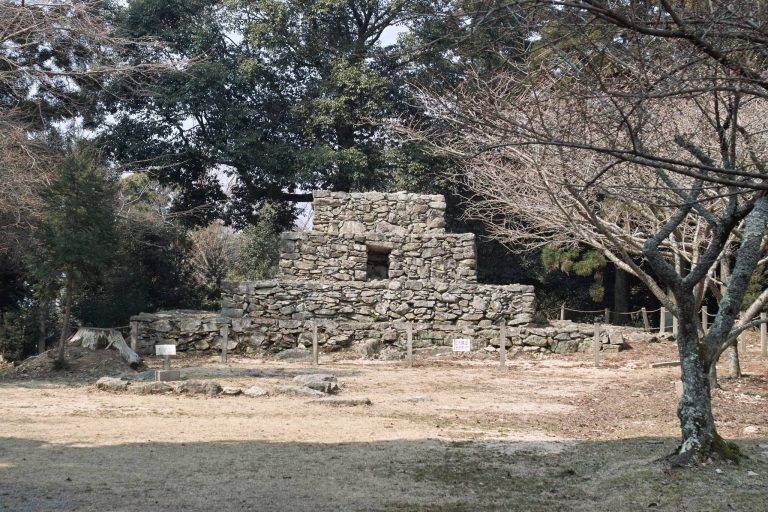
Hattō-ji stands at the foot of 539-metre Hattō-ji Mountain, which extends across the former provinces of Bizen, Harima, and Mimasaka. Tradition describes the temple at its height as having eight establishments, 64 monks’ quarters, and pagodas. A rebuilding plan for Hōjuin in 1184 specified a complex of seven halls, 72 monks’ quarters, and a thirteen-storied pagoda. Repairs in 1626 addressed the main hall and that pagoda. Work sponsored in 1663 covered the main hall, a three-storied pagoda, a bell tower, the Sannō Shrine, and the shrine’s worship hall. By 1763, only the pagoda’s lowest story remained. A fire that began in a temple barn in 1790 destroyed the temple buildings and three houses; only Myōōin’s earthen storehouse survived. A monk’s residence and kitchen building were constructed in 1832.
Grounds, images, and surviving objects
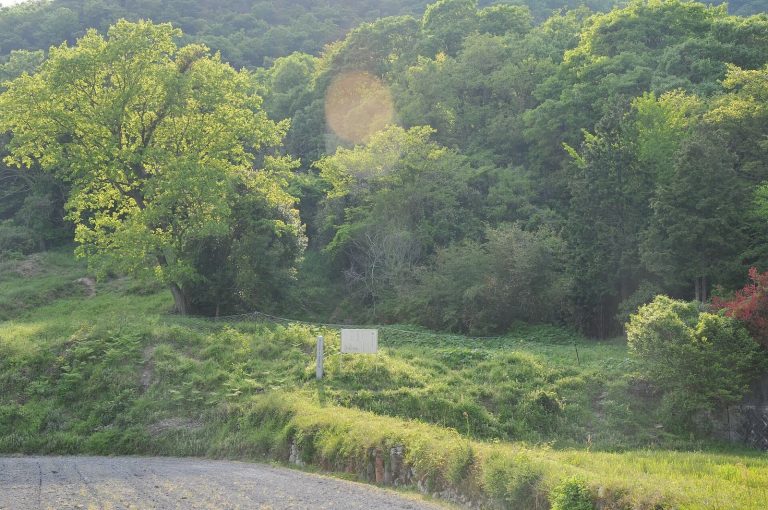
Two ponds were made in 1662. During work on another pond in 1824, 511 old coins were unearthed. Markers defining the boundaries of Bizen, Harima, and Mimasaka were completed in 1828, comprising 25 mounds and three stones. Hattō-ji’s principal image is an eleven-faced Kannon, the Buddhist figure associated with compassion, traditionally attributed to the monk Gyōki. The bronze bell donated in 1646 survives. A stone monument commemorates Go-Toba’s passage through Hattō-ji in 1221.