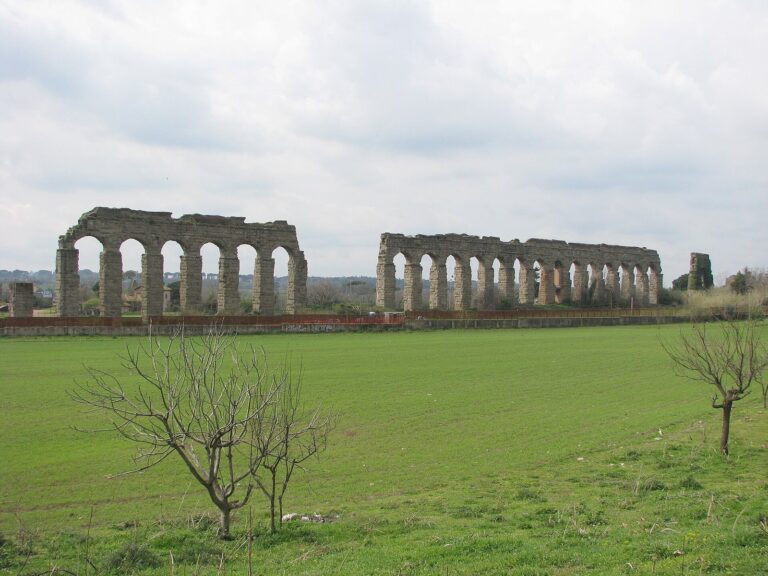
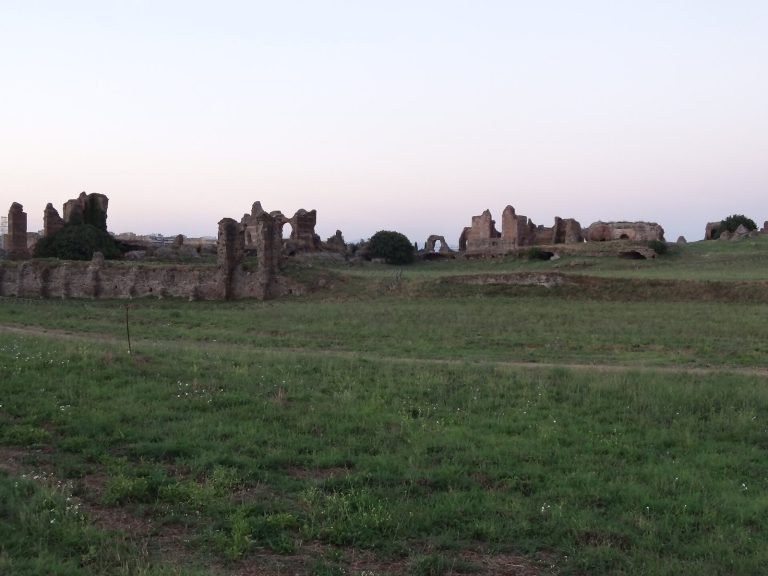
Casal Rotondo: A Roman Mausoleum on the Appian Way
Site at a Glance
- Popularity
- Medium
- Country
- Italy
- Primary era
- Classical
- Eras represented
- Classical, Medieval
- Civilizations
- Roman
- Site type
- Burial
- Remains
- Tomb
On this page7 sections
History
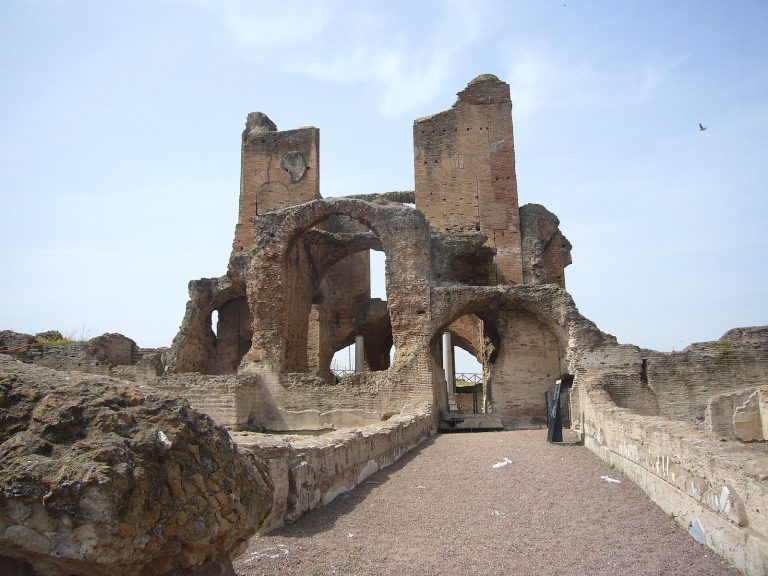
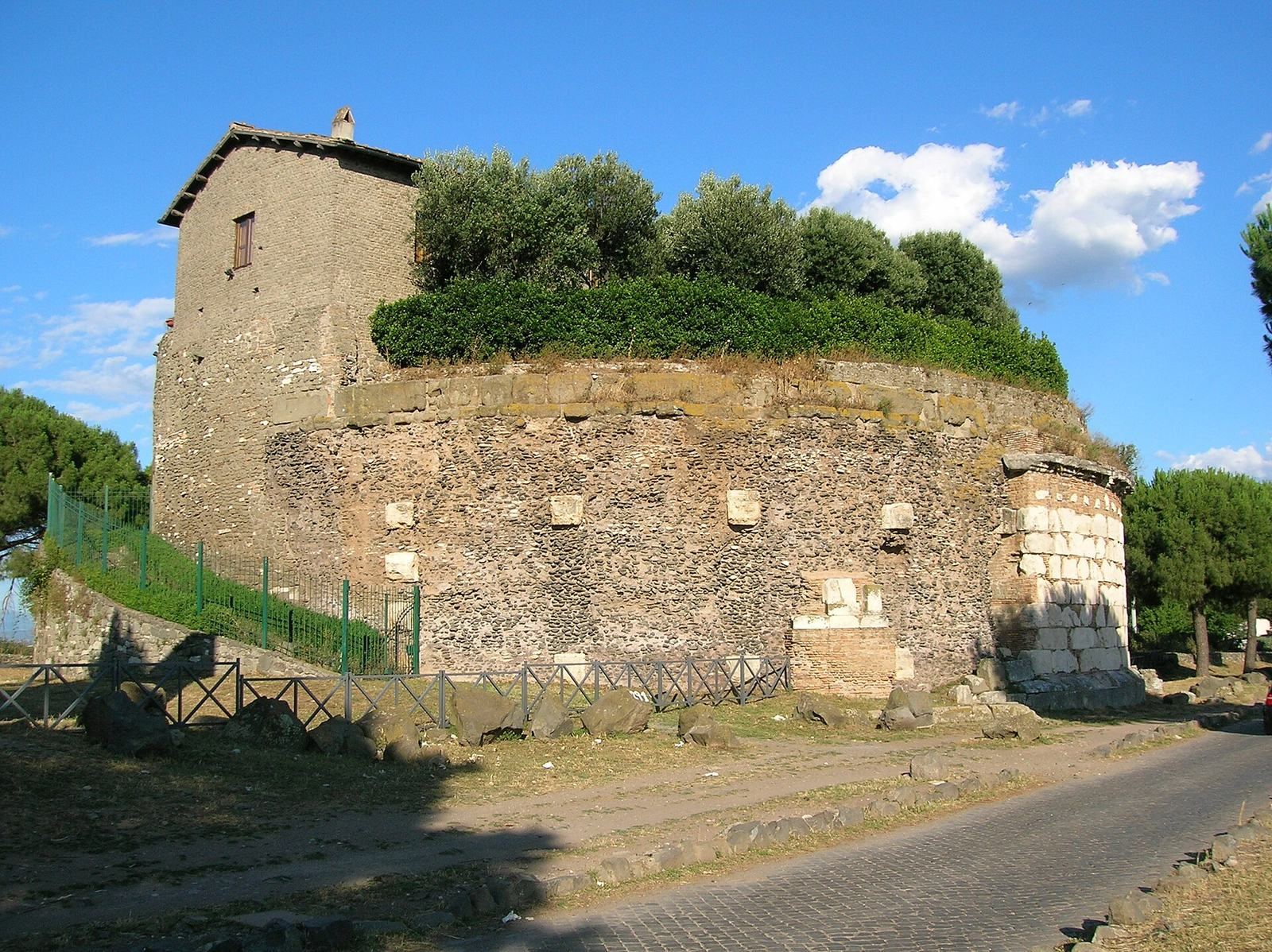
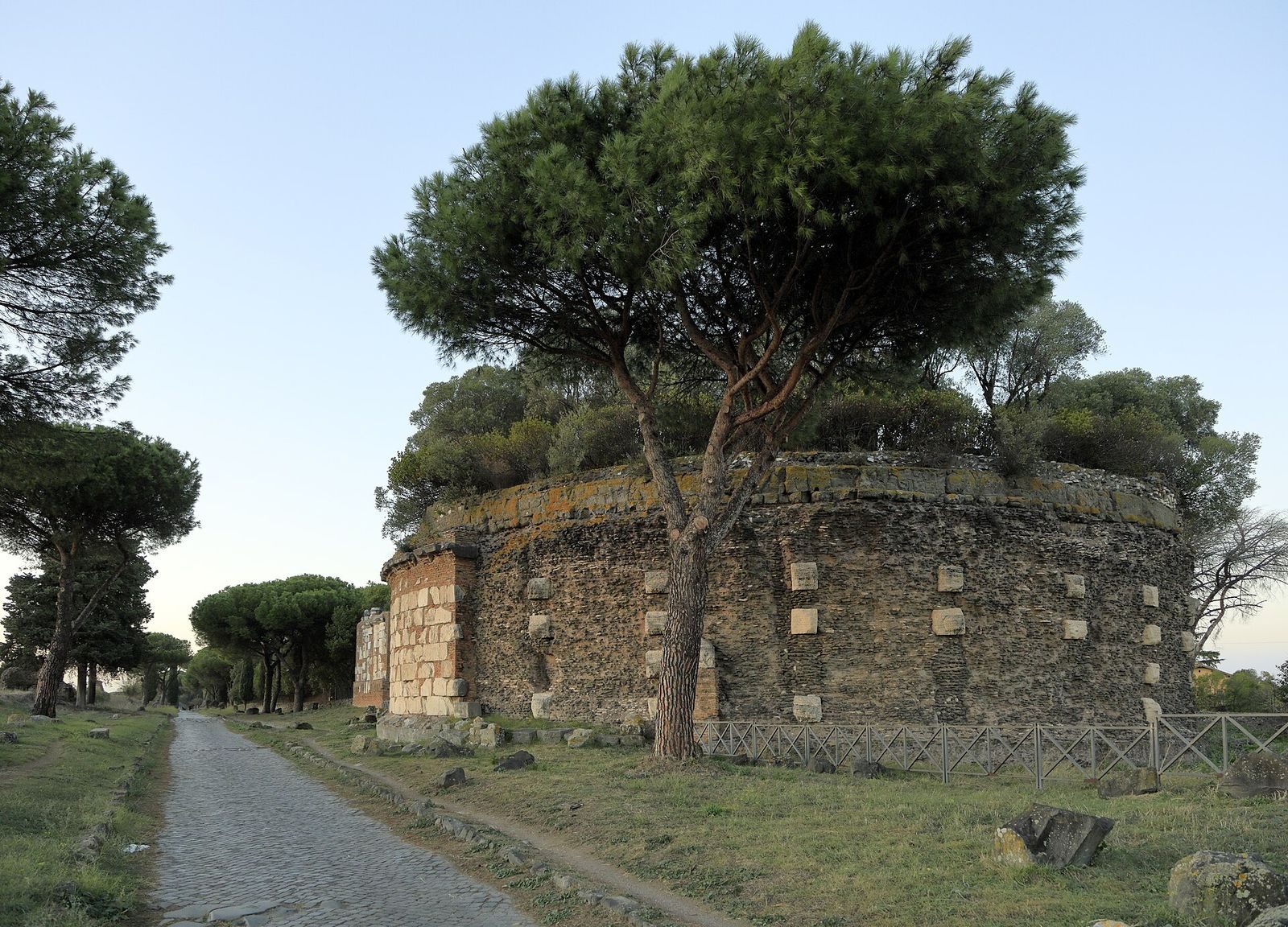
Casal Rotondo is a Roman circular mausoleum on the Appian Way in Italy, built around 30 BCE more than 10 km from Rome. It is the largest circular Roman mausoleum that survives along the road.
Roman burial landscape
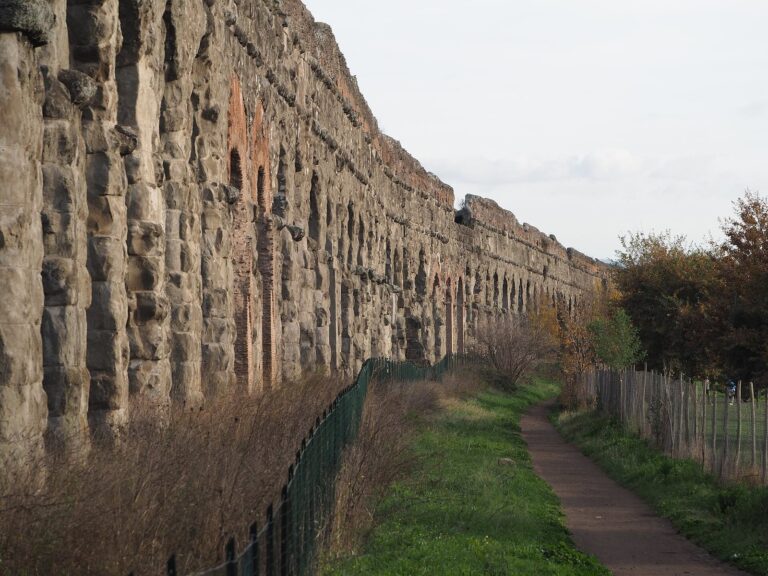
By the fifth century BCE, the Twelve Tables, Rome’s early law code, prohibited burial within the city walls. Tombs therefore stood beyond the city, including beside the Appian Way, a principal road leading from Rome. Casal Rotondo formed part of this roadside funerary landscape.
Medieval reuse
In the Middle Ages, a farmhouse was built atop the tomb. The property belonged to the influential Savelli family and formed part of a chain of watchtowers along the Appian Way. The name Casal Rotondo refers both to the mausoleum’s rounded shape and to the farmhouse later placed above it.
Canina’s interpretation
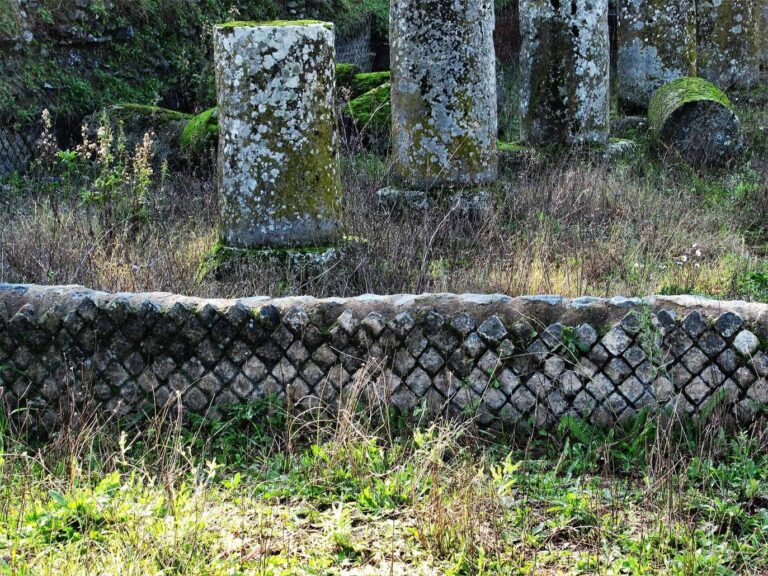
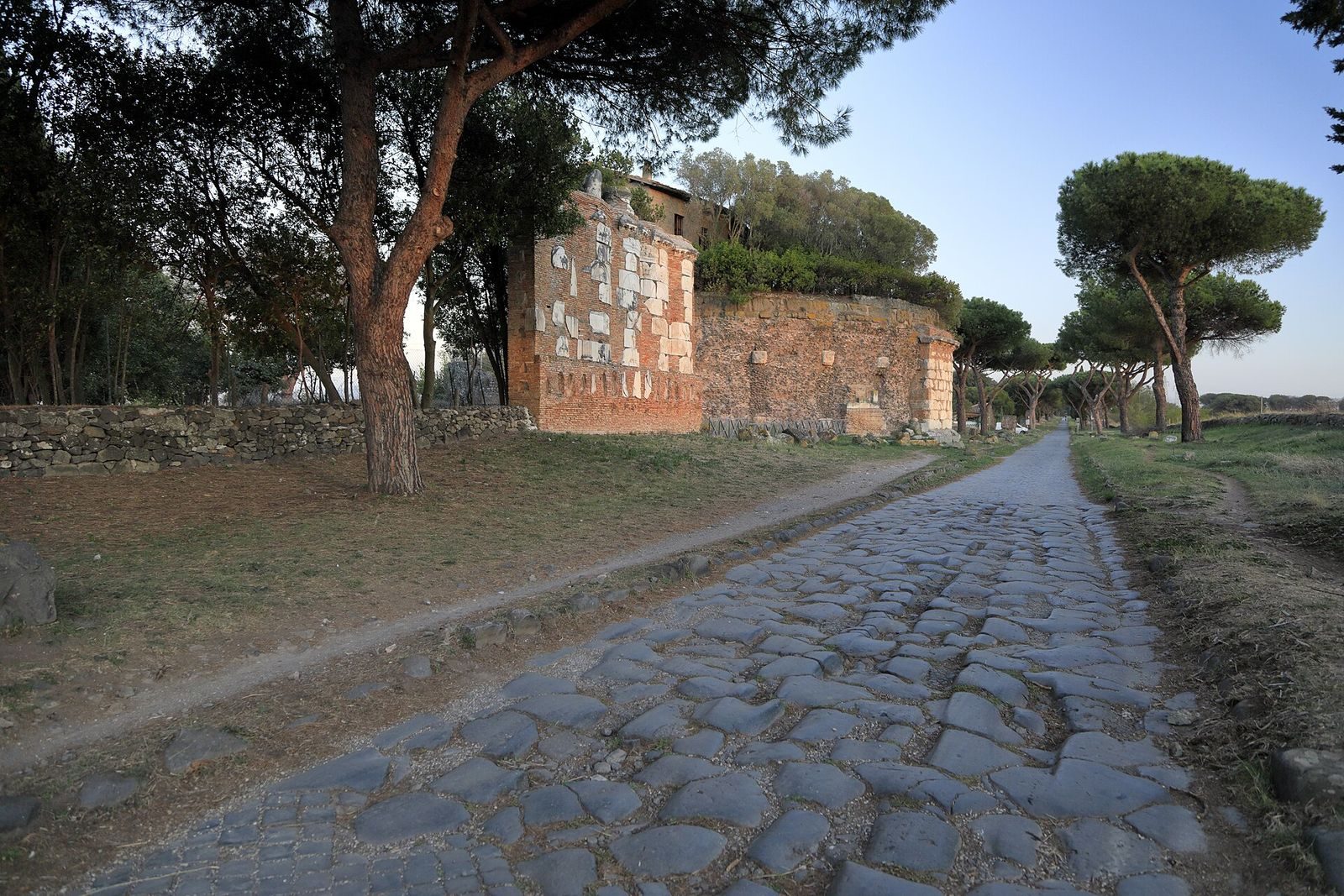
Before 1856, Italian archaeologist Luigi Canina built a brick display wall near the mausoleum for an inscribed fragment and other architectural pieces found nearby. He identified the tomb as the burial place of Marcus Valerius Messalla Corvinus, a statesman and military commander, and proposed that his son, the senator Marcus Aurelius Cotta Maximus Messalinus, had built it. This identification rested on a fragment bearing the letters “COTTA.” The fragment and related pieces are now thought more likely to have come from a smaller nearby monument, and the mausoleum’s occupant remains unknown.
Remains
Mausoleum and farmhouse
The surviving complex centers on a circular mausoleum about 35 m in diameter. Its base was decorated with a frieze, a patterned horizontal band, and incorporated seating where travelers could rest in the shade. Seating ran along both the upper and lower edges of the base. The mausoleum originally had a conical roof; a small medieval farmhouse was later built over its remains and still stands.
Brick display wall
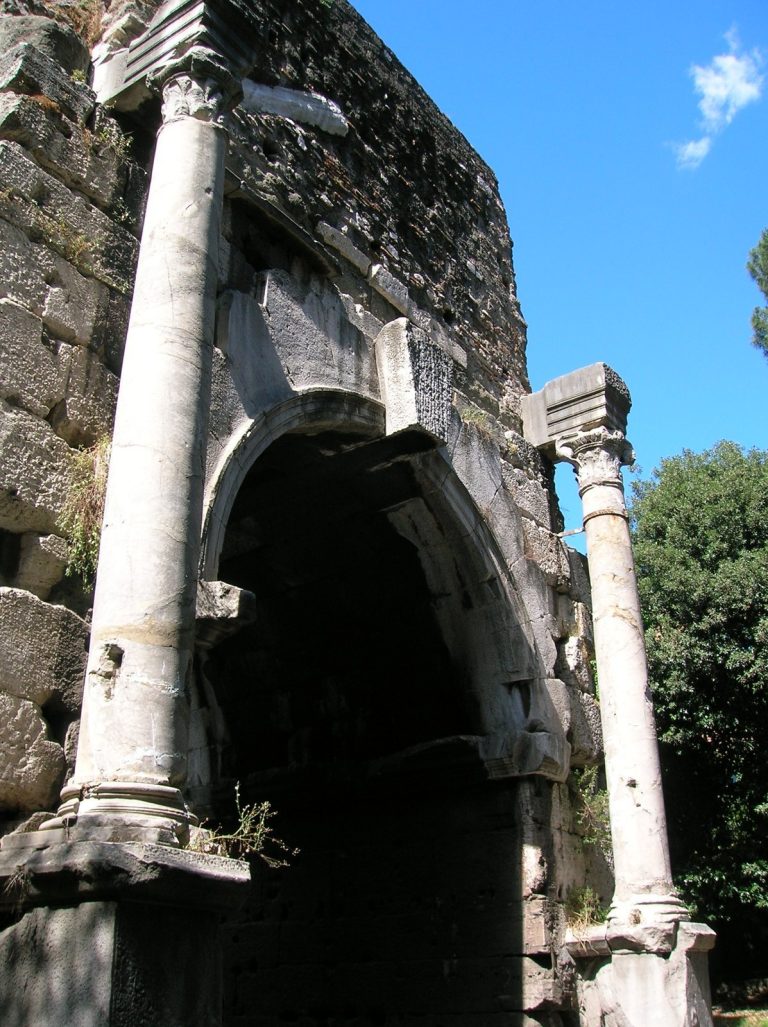
The nearby brick wall features marble inlays and displays architectural and sculptural fragments. These pieces, once associated with the mausoleum, are now considered more likely to have come from a smaller monument nearby.