Cetatea Fetei: A Medieval Episcopal Castle in Romania
Site at a Glance
- Popularity
- Medium
- Country
- Romania
- Primary era
- Medieval
- Eras represented
- Medieval
- Civilizations
- Hungarian
- Site type
- Military
- Remains
- Castle
On this page10 sections
History
Cetatea Fetei, also known as Cetatea Florești, is a medieval castle ruin near Florești, Romania. Thought to have originated as a royal castle, it was built before 1241 as a watch and observation post against Mongol incursions. After the Diocese of Transylvania acquired lands around Cluj and Gilău, the fortress became an episcopal stronghold defending those lands. Defensive works built before 1282 are attributed to Bishop Peter Monoszló.
Early Episcopal Castle
The earliest defenses were probably made of timber and may have been lost during the Mongol invasion of 1241–42. The castle was rebuilt in stone afterward. It may also have been intended to limit the privileges of nearby Kolozsmonostor Abbey, a medieval monastery. In the 1220s, the bishop, accompanied by priests and armed retainers, attacked and plundered the abbey.
Castellans and Rebellion
Ladislaus Kán, the senior regional governor known as voivode of Transylvania, held the fortress from 1307 to 1311. A castle castellan, or governor, named Thomas, son of Ambrosius, appears in a record from 1312. A bishop’s castellan at Fenes is mentioned in 1357, and a 1373 document names Nicholas of Gerend as castellan for Bishop Demetrius of Transylvania.
The castle had been abandoned and was probably destroyed in 1437 during the Transylvanian peasant uprising led by Anthony Budai Nagy. The revolt began in response to Bishop George Lépes’s difficult system of church taxation, and the episcopal castle was among its targets. After the uprising was suppressed, the Catholic bishopric built a stronger castle at Gilău in 1439, which took over Cetatea Fetei’s role.
Traditions and Modern Recognition
Local traditions give several explanations for the fortress’s name and past. One tells of a lord who abducted young women and imprisoned them in the castle; after a captive’s lover heard her singing, he set the fortress on fire. Other stories say fairies built the castle and left treasure in its cellar, or that priests imprisoned poor local people there. A separate tale links the name to a village girl captured by Tatars, a term that could refer to Mongol forces, who endured torture rather than reveal where her people were hiding.
Archaeological investigations in the early 1990s revealed a combination of timber and stone defenses not previously known in medieval Transylvania. The castle ruin is protected as a monument of national importance in Romania.
Remains
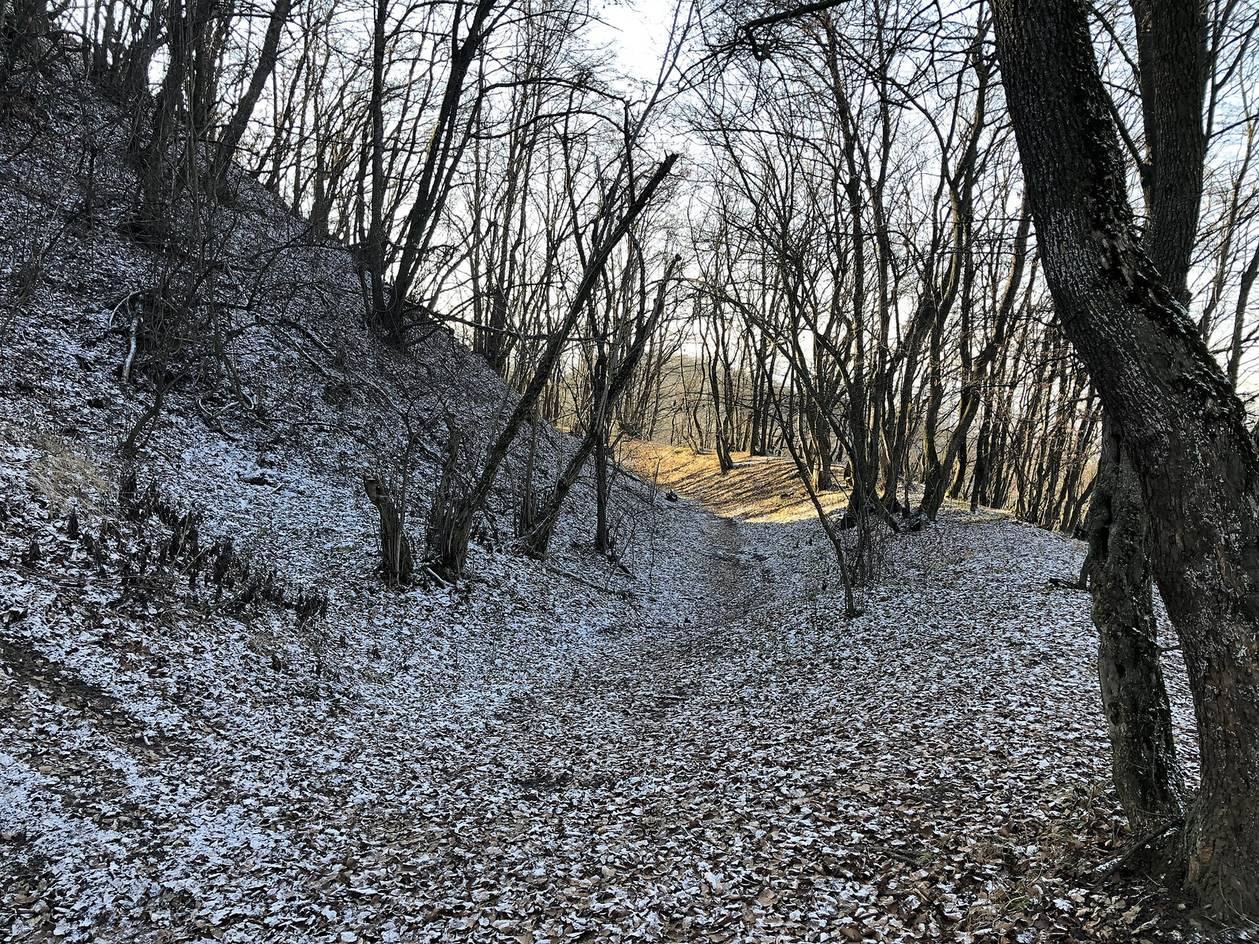
The ruins occupy a wooded summit about 550 metres above sea level, overlooking the Someșul Mic valley between Cluj and Gilău and the surrounding heights. The castle’s elliptical footprint measures about 60 by 35 metres, with its long axis running northwest to southeast. Earthworks protect the western side, while ditches encircle the other sides. Natural stone and brick were used in the construction.
Stone and Timber Defenses
Palisade and Wall
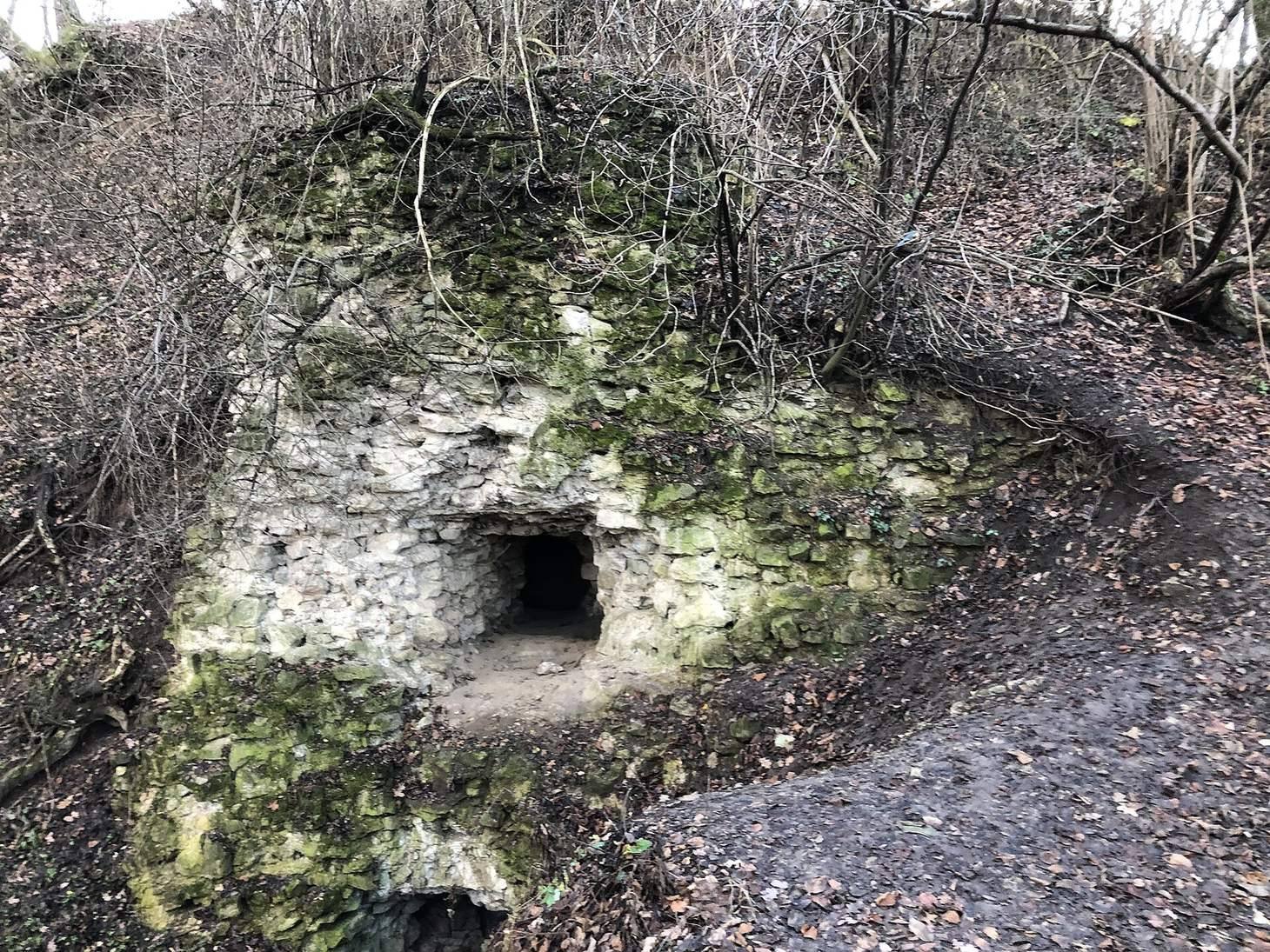
Excavations uncovered a double timber palisade, a defensive barrier made from upright stakes or logs, measuring 4.4 metres thick, beside a stone wall. The two defenses stood at the same time. A surviving stretch of wall is about 6 metres across and 6.75 metres high. An opening in it measures 1.9 by 1.3 metres and extends 1.5 metres into the masonry.
Subterranean Features
Tunnel
A well-like opening marks the beginning of an underground passage. An iron gate blocks it a few metres in, and the tunnel’s destination is unknown.
Large Cavity
In the early twentieth century, spiritualists from Cluj searching for treasure found a large cavity at the site. It measures 10 metres high, 40 metres long, and 20 metres wide.