Kula Norinska Fort: An Ottoman River Fortress in Croatia
Site at a Glance
- Popularity
- Medium
- Country
- Croatia
- Primary era
- Early Modern
- Eras represented
- Early Modern, Modern
- Civilizations
- Ottoman
- Site type
- Military
- Remains
- Tower
On this page5 sections
History
Kula Norinska Fort is a stone fortress tower on the Neretva River in Croatia, near the Norin tributary and opposite the settlement of Kula Norinska. Built around 1500, soon after the Ottomans took control of the Neretva valley, it was intended to block Venetian ships and secure the river route toward Bosnia and Herzegovina.
Ottoman rule and construction
The Neretva borderland extended from the Neretva to the Cetina. It was held by Croatian and Hungarian kings, who ruled under a shared crown, until 1440. The Bosnian nobleman Stjepan Vukčić Kosača controlled it for the next twelve years, and Venice took over in 1452. After Ottoman conquests in Bosnia in 1463 and Herzegovina in 1482, the Neretva valley came under Ottoman rule and was attached to the Herzegovina administrative district. By 1499, Ottoman control had spread across the borderland as far as Makarska.
The fort’s precise construction date is unknown. The Ottoman travel writer Evlija Čelebija attributed its building to Kodža Mustapaša Ušćuplija, also known as Skopljak, a military commander in Bosnia.
Venetian captures and Ottoman return
Venetian forces took the fort in 1685. One legend tells of forty fighters from the coast who hid nearby in agreement with Venetian governor Pietro Valier. A man known to the fort’s commander approached with gifts. When the gate opened, he held it from closing, allowing the others to enter. Troops led by Valier then arrived and captured the fort.
Andrija Kačić Miošić offered a different version in a poem published in 1759. It credits five local men, Toma Kusturić, Jakov Zmijarević, Grgur Damić Bogunović, Cvjetko Bilas, and their leader Nikola Vladimirović, with seizing the fort while its Ottoman troops were in Gabela celebrating Eid, a major Muslim festival. The poem says that Marcantonio Giustinian, the elected head of Venice, rewarded the men.
Five Franciscan friars, members of a Catholic religious order, were killed in the surrounding area. Petar Matić was killed near the fort and buried on Bobalj hill; Mate Nadnanović was also among the dead. Jozo Tvrtković of Bagalovići was killed near the fort while hearing confession, and Petar Vardašević was beheaded near Norin. Bono Vardašević is identified as Kula’s first parish priest after the capture.
In 1686, the Ottoman pasha of Herzegovina, a senior official and military commander, retook the fort. Tradition holds that its small garrison resisted for several days, then set off charges prepared in the wall and escaped through the resulting breaches. In 1688, Venetian forces under General Corner sailed up the Neretva in galleys, or oared warships, and bombarded the tower. The Ottoman garrison fled. The Venetians captured its commander and killed the other fleeing troops, ending Ottoman possession of the fort. The victory helped secure the lower Neretva, encouraged returning residents and refugees to resettle the area, and gave Venice a base from which to plan the capture of Gabela, also known as Čitluk.
French and Austrian rule
After Venice fell to Napoleon in 1797, Dalmatia came under French rule. An imperial decree of 14 November 1811 placed the fort in the care of Frano Nonković, a descendant of Nikola Nonković, a commander on the Neretva frontier. Nikola had fled from Hutovo to Opuzen around 1685.
When Austrian forces reached Opuzen in 1813, Major Marojević demanded the fort’s surrender in a letter dated 30 November. Nonković refused in a reply of 2 January 1814 and held the fort for another six months. After Franciscan priests from Zaostrog and his family persuaded him to leave, he sank the cannons in the Neretva and buried documents, the treasury, and the flag in the fortress at Gabela. The Norinska fort then passed to Austrian control.
The fort continued in military use into the nineteenth century, including during the occupation of Bosnia and Herzegovina. Austrian authorities later auctioned it, and Frano Nonković’s grandson Niko bought it and converted it into a windmill.
The settlement across the river took its name from the fort and is now the seat of the municipality of Kula Norinska. The fort belonged to the former municipality of Opuzen and appeared on its coat of arms; it is also shown on the present coat of arms of the city of Opuzen.
Remains
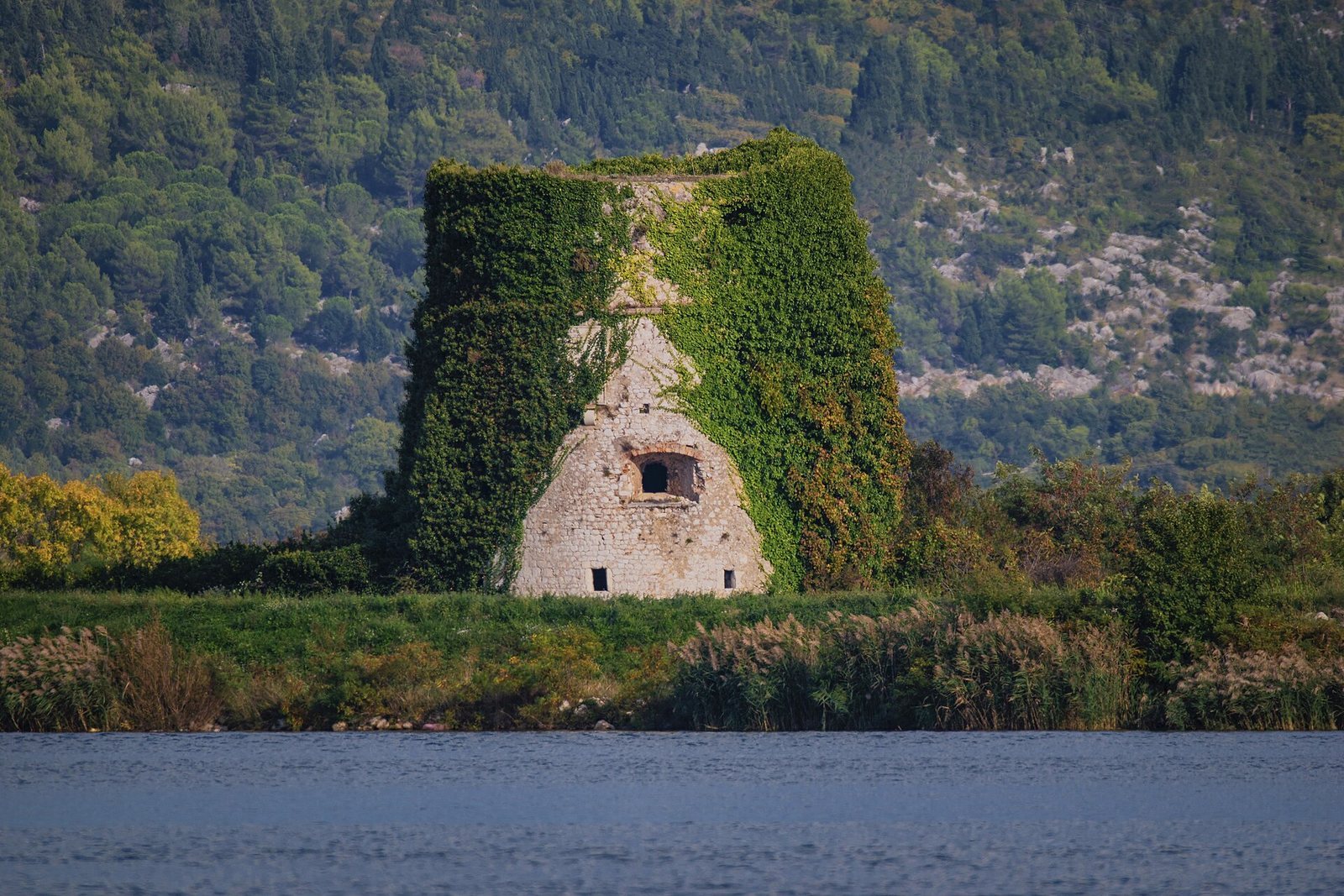
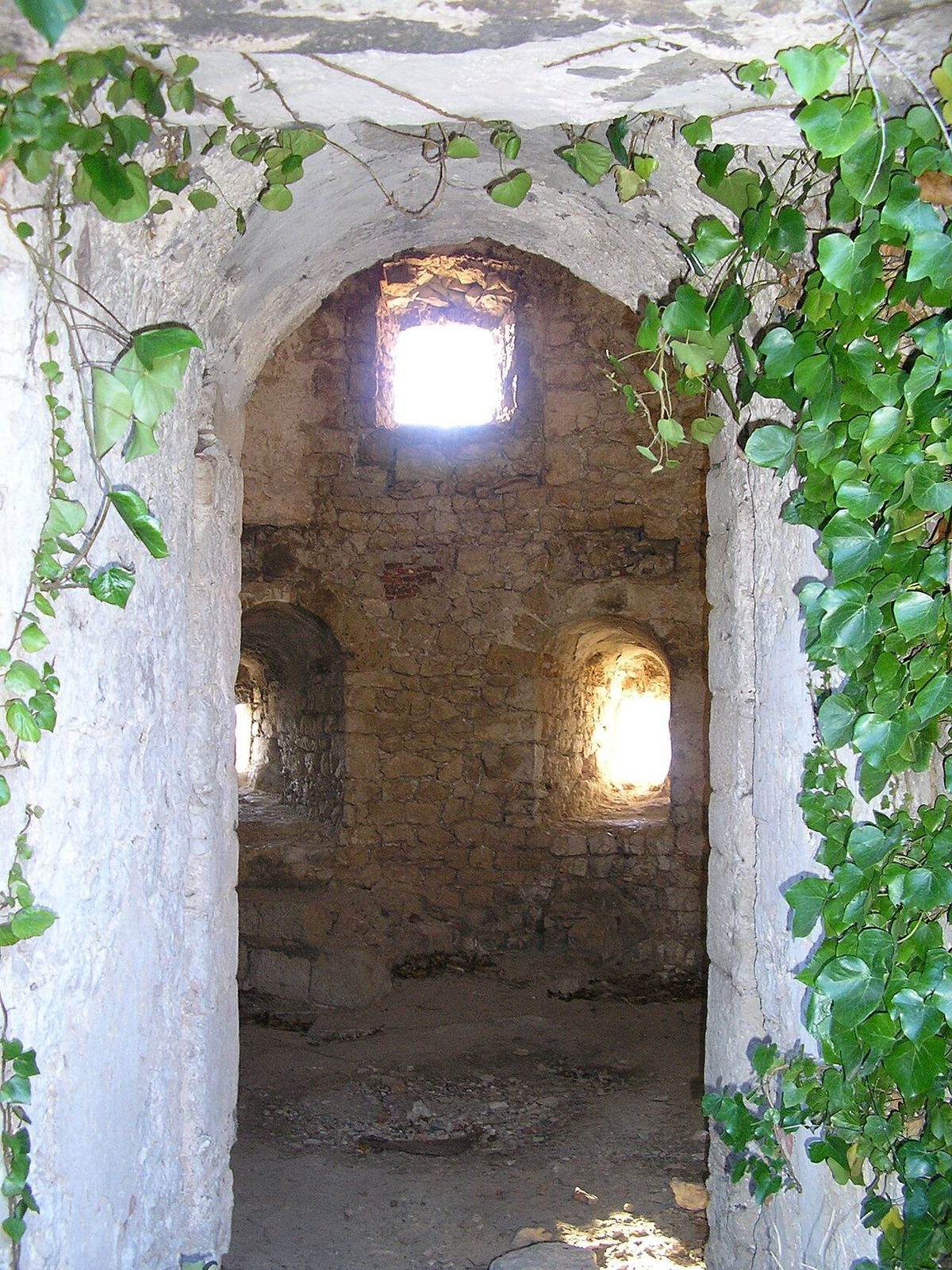
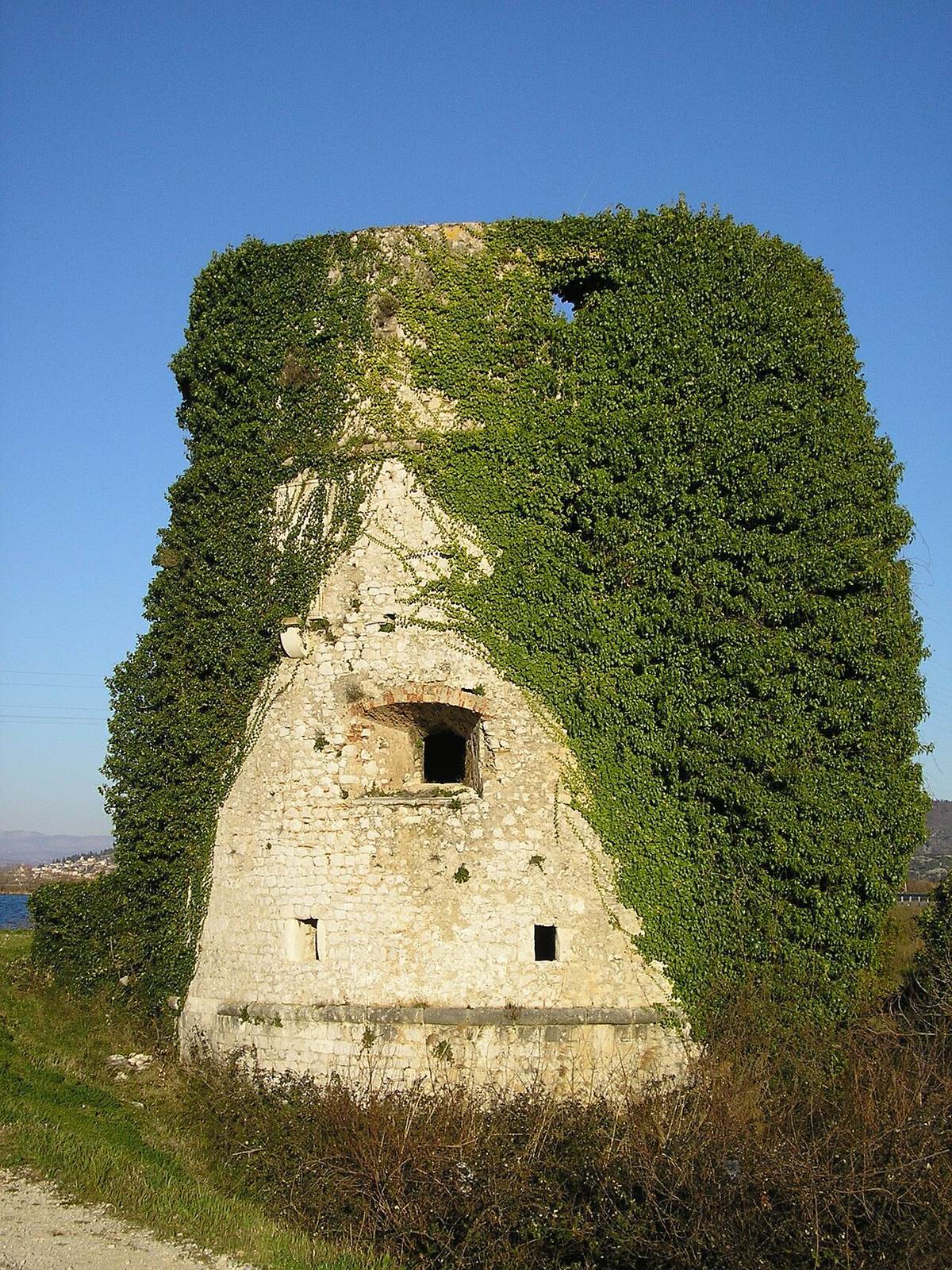
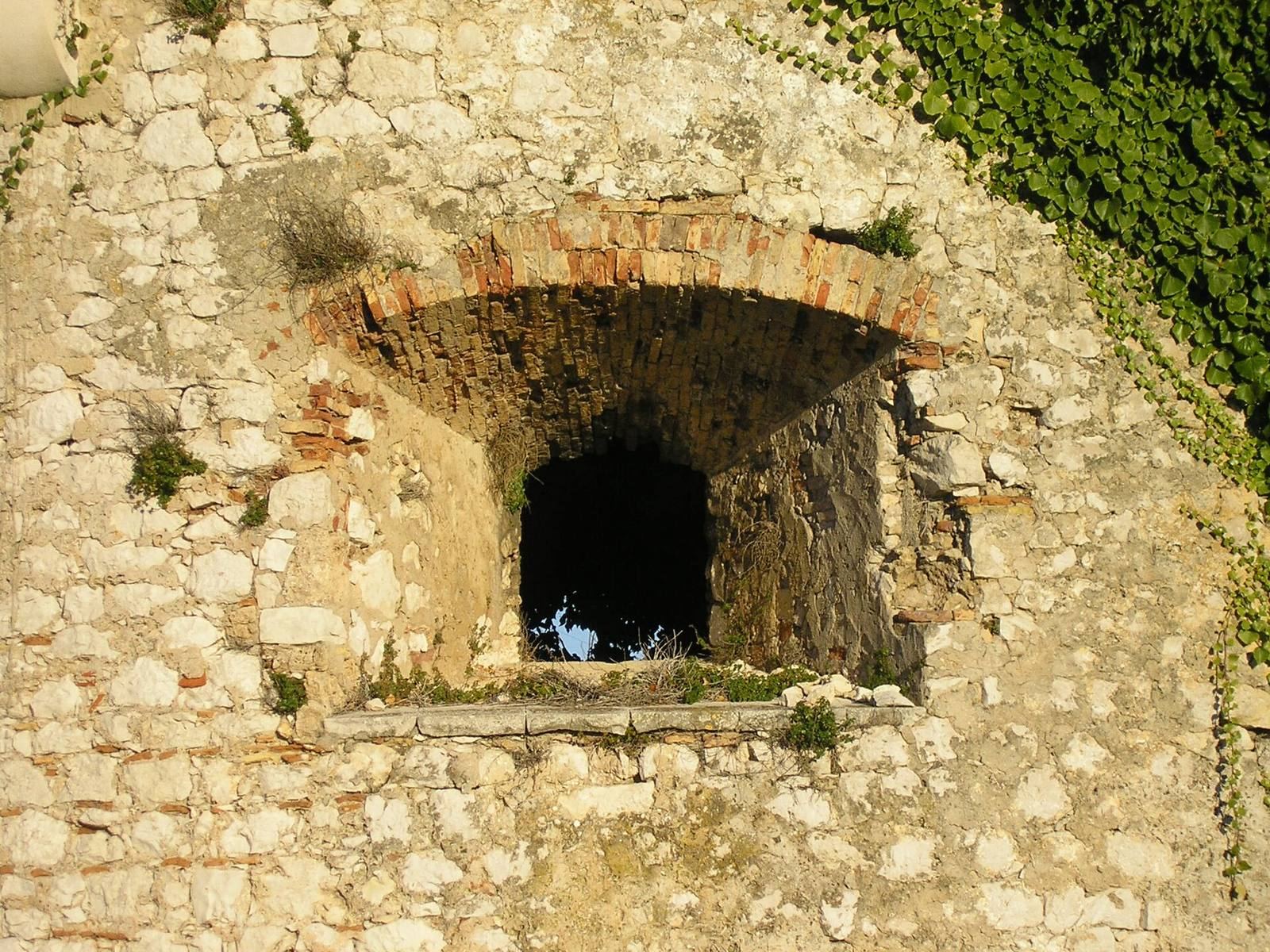
The fort stands 14 metres above sea level on the Neretva’s left bank, near the mouth of the Norin tributary, where it entered an earlier channel of the river. The stone tower is a lowland fortification, built on relatively level ground rather than a hilltop. It faces the settlement of Kula Norinska across the river. Today it is an abandoned ruin, largely covered in ivy, but survives to nearly its full height.
In a description from 1665, Evlija Čelebija described the tower as having seven storeys, a count that does not fit its present form. Local tradition says that two lower levels sank into marshy ground. Another explanation proposes that the upper two levels were removed after damage raised fears that the tower might sink.
A large white cross and memorial plaque were placed on the tower during the 1933–34 Catholic Holy Year, a special year of religious observance. The plaque marked the 200th anniversary of the Metković parish and the 250th anniversary of the fort coming under Croatian rule; Don Frane Bulić composed its text. The cross and plaque were blessed at a ceremony on 30 September 1935. An earlier ceremony had been prevented by Yugoslavia’s royal dictatorship under King Alexander I, established in 1929.