Walled Town of Počitelj: A Medieval Fortress and Ottoman Settlement
Site at a Glance
- Popularity
- Medium
- Country
- Bosnia and Herzegovina
- Primary era
- Early Modern
- Eras represented
- Medieval, Early Modern
- Civilizations
- Kingdom of Bosnia, Ottoman
- Site type
- Military
- Remains
- Fortified Town
On this page12 sections
History
The walled town of Počitelj occupies the left bank of the Neretva River in Bosnia and Herzegovina. Its first fortress, later the citadel, was probably built around 1383 by Bosnian King Tvrtko I, and the fortified settlement is thought to have taken shape around the same time. Počitelj controlled a merchant route from the Adriatic coast through the Neretva valley and into the Bosnian interior. It also served as the governing center of Župa Dubrava, an administrative district.
Medieval stronghold
Počitelj’s position at Bosnia’s westernmost point gave it strategic importance from the 13th to the 17th century. The Kosača noble family controlled the fortress and settlement, first under Stjepan Vukčić and later under his successor, Vlatko Hercegović. Charters issued in 1444 and 1448 by King Alfonso V of Aragon and Naples and Holy Roman Emperor Frederick III provide the first written references to Počitelj, though the settlement probably existed earlier.
A Hungarian garrison was stationed in the town from 1463 to 1471. Between 1464 and 1471, Vladislav Hercegović fortified Počitelj with support from Dubrovnik, Hungarian King Matthias Corvinus, and the Pope.
Ottoman rule and renewed importance
The Ottomans captured Počitelj after a brief siege in 1471, and the town initially lost strategic importance. Under Ottoman rule, which continued until 1878, authorities expanded the fortifications and developed the settlement. Public buildings were constructed between 1471 and 1698, while the town’s broader development continued through the 16th to 18th centuries.
After the Venetians captured and destroyed Gabela in 1698, Počitelj regained strategic importance. It served as the center of a military district from 1713 to 1835 and as a judicial district under a qadi, a judge applying Islamic law, from 1782 to 1879.
Decline, conflict, and protection
Austro-Hungarian rule, established in 1878, ended Počitelj’s strategic role. The town then declined, and its population gradually decreased. The loss of its military function helped preserve its historic urban and architectural ensemble.
During the 1992 to 1995 war in Bosnia and Herzegovina, Počitelj and its surroundings suffered extensive damage. Croatian forces heavily damaged the town in 1993; bombardment destroyed major works of 16th-century Islamic art and architecture, and much of the population was displaced.
Počitelj was included in the World Monuments Watch list of 100 endangered cultural heritage sites in 1996. A protection program begun by the Federation of Bosnia and Herzegovina in 2000 addressed deterioration, repairs to damaged buildings, support for the return of displaced people, and long-term revitalization of the historic town. The historic urban site received National Monument status on 21 January 2003. Its architectural ensemble is also on UNESCO’s Tentative List, which identifies sites considered for possible future nomination to the World Heritage List.
Remains
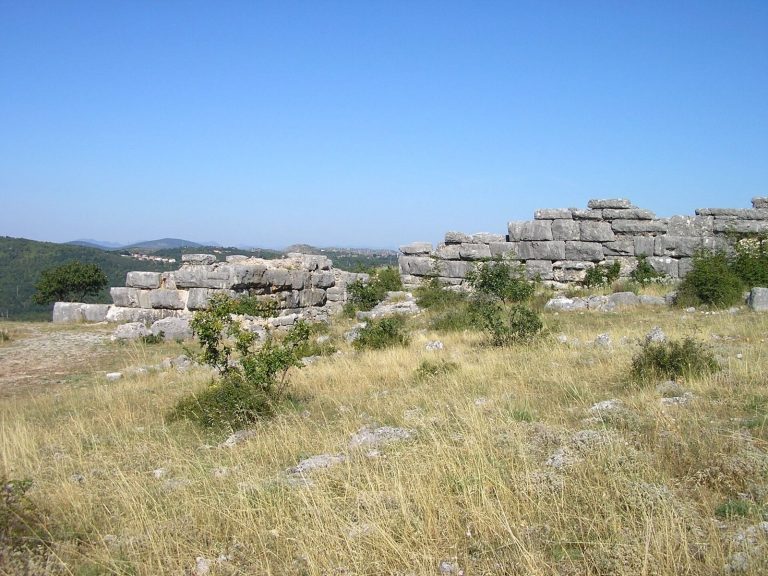
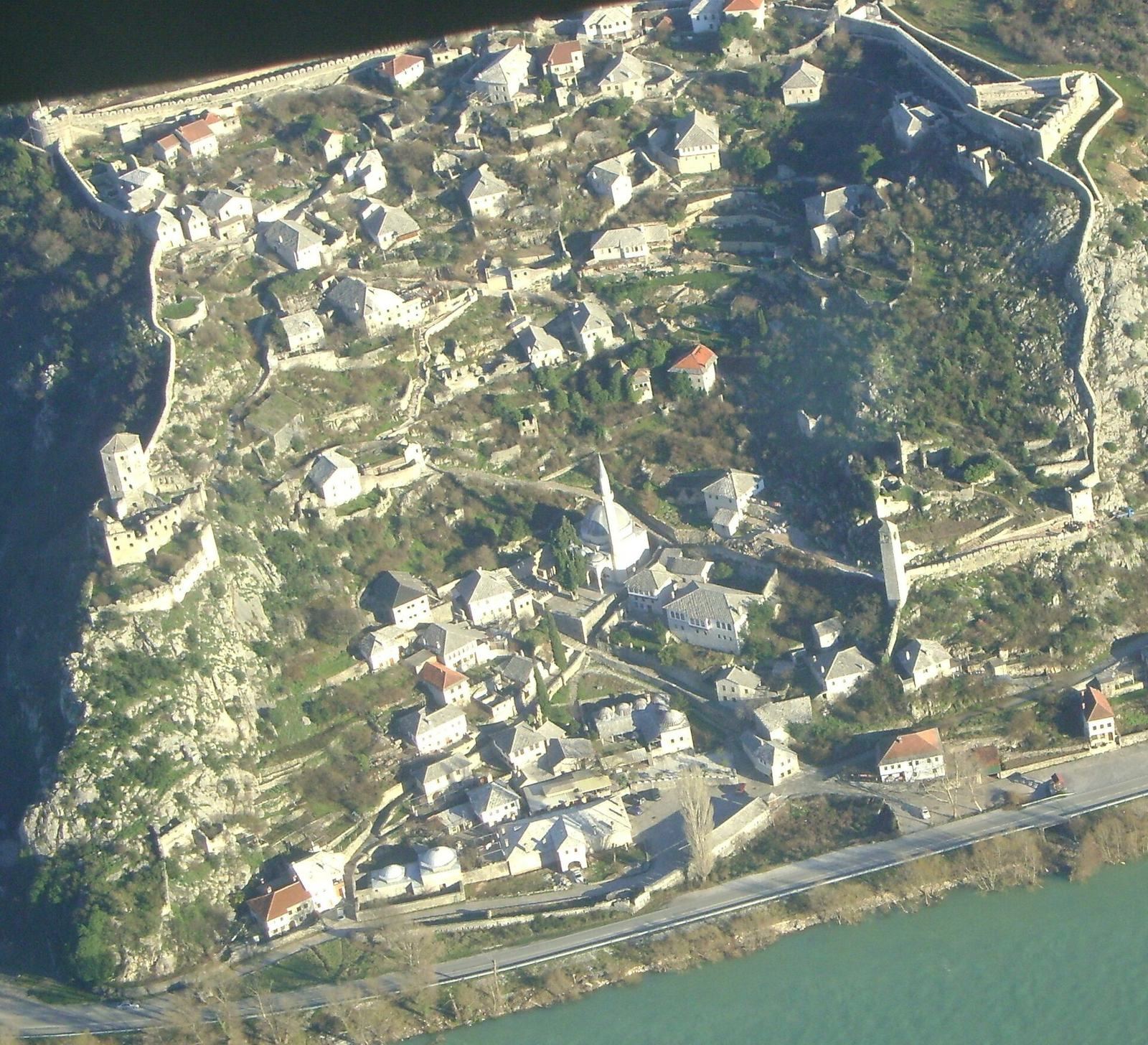
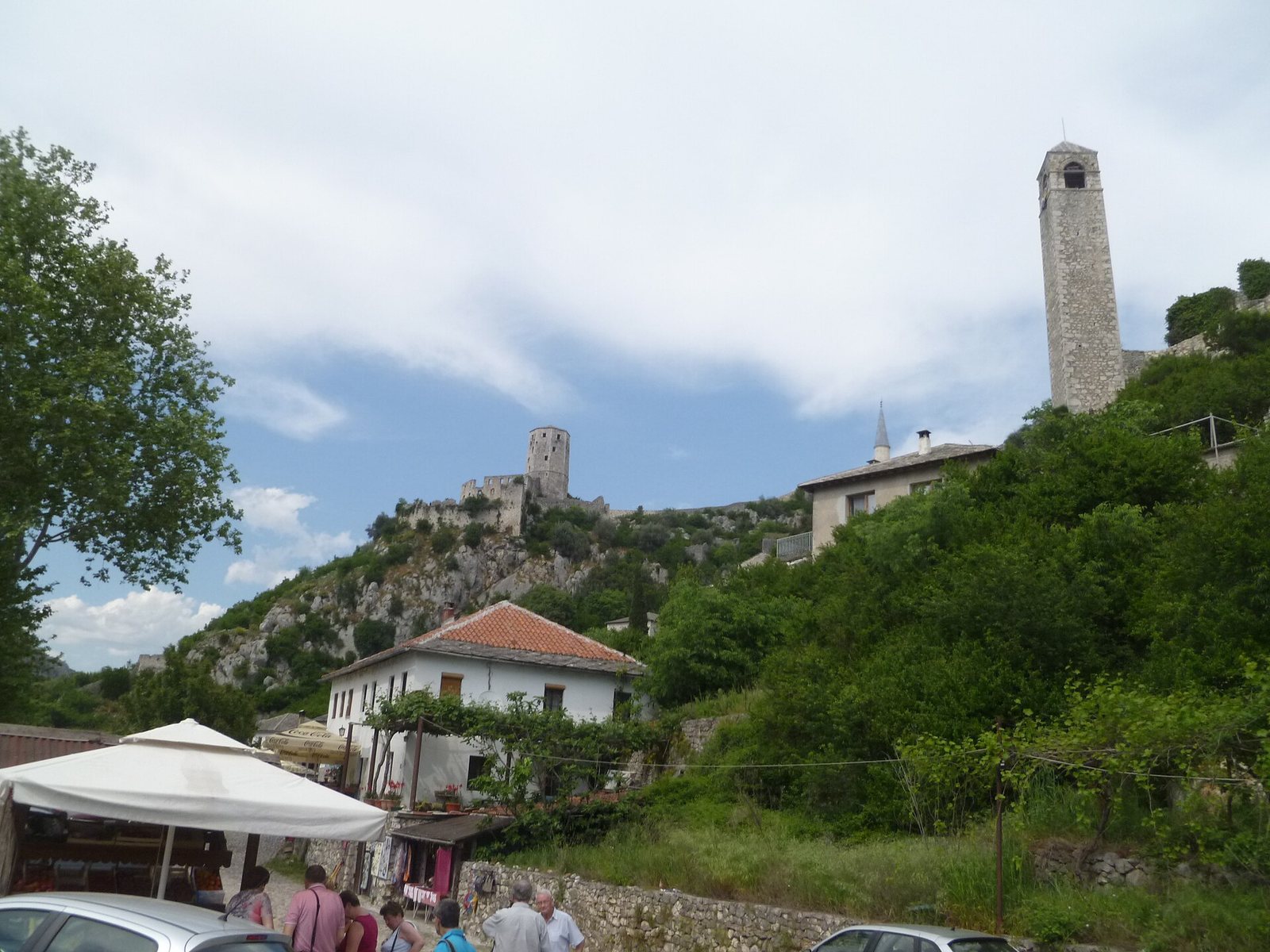
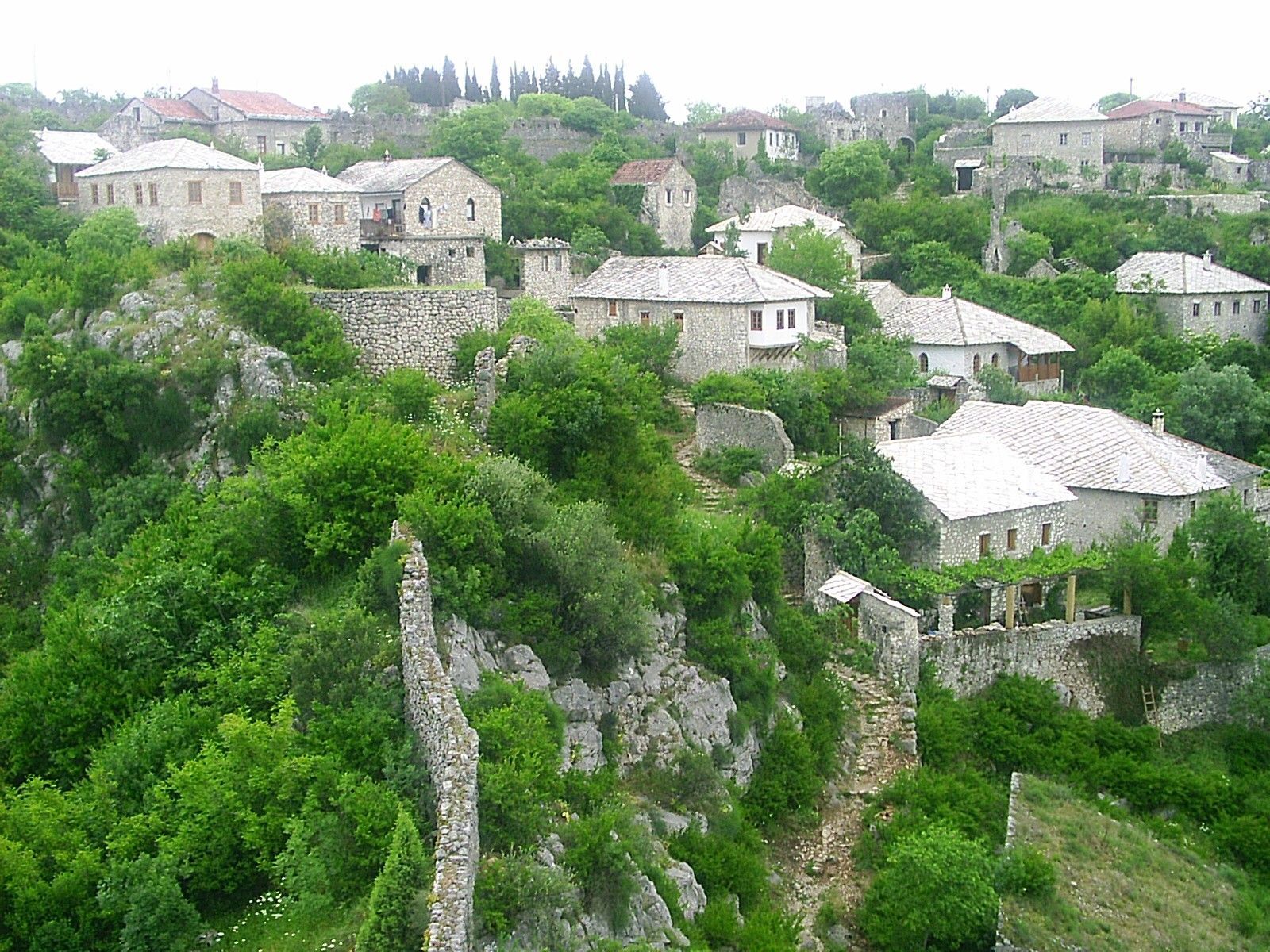
Počitelj’s stone-built town occupies a natural karst amphitheater on the west-facing left bank of the Neretva. Its medieval defenses and Ottoman-Mediterranean settlement form a connected historic ensemble, with streets and houses with gardens below the citadel. The town lies along the Mostar to Metković main road, about 30 kilometres south of Mostar and 3 kilometres northeast of central Čapljina.
Urban form and fortifications
Walled settlement
The town’s stone buildings form a fortified complex with medieval and Ottoman phases. Its layout and materials reflect the character of small Ottoman-Mediterranean settlements. Streets and houses with gardens make up the built area below the citadel.
Citadel and Gavran Captain’s Tower
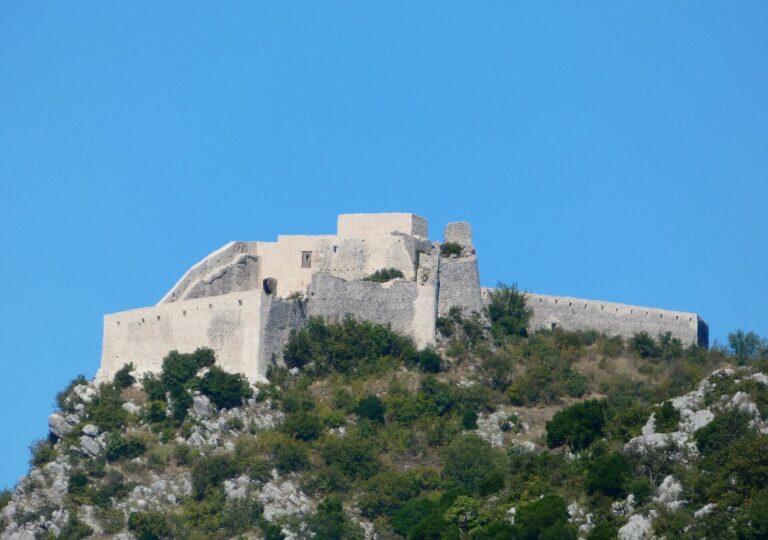
The citadel stands on a steep cliff at the northern corner of the town wall. Its main tower, the Gavran Captain’s Tower, has a silo-like form and rises from karst rock above the Neretva, overlooking the town and its surroundings.
Religious, civic, and residential buildings
Šišman Ibrahim Pasha Mosque
The domed mosque, also known as the Hajji Alija Mosque, is noted for its acoustics. “Hajji” is an honorific for a Muslim who has completed the pilgrimage to Mecca. The mosque was restored in the 1970s, heavily damaged in 1993, and restored again in 2002.
Clock tower and public buildings
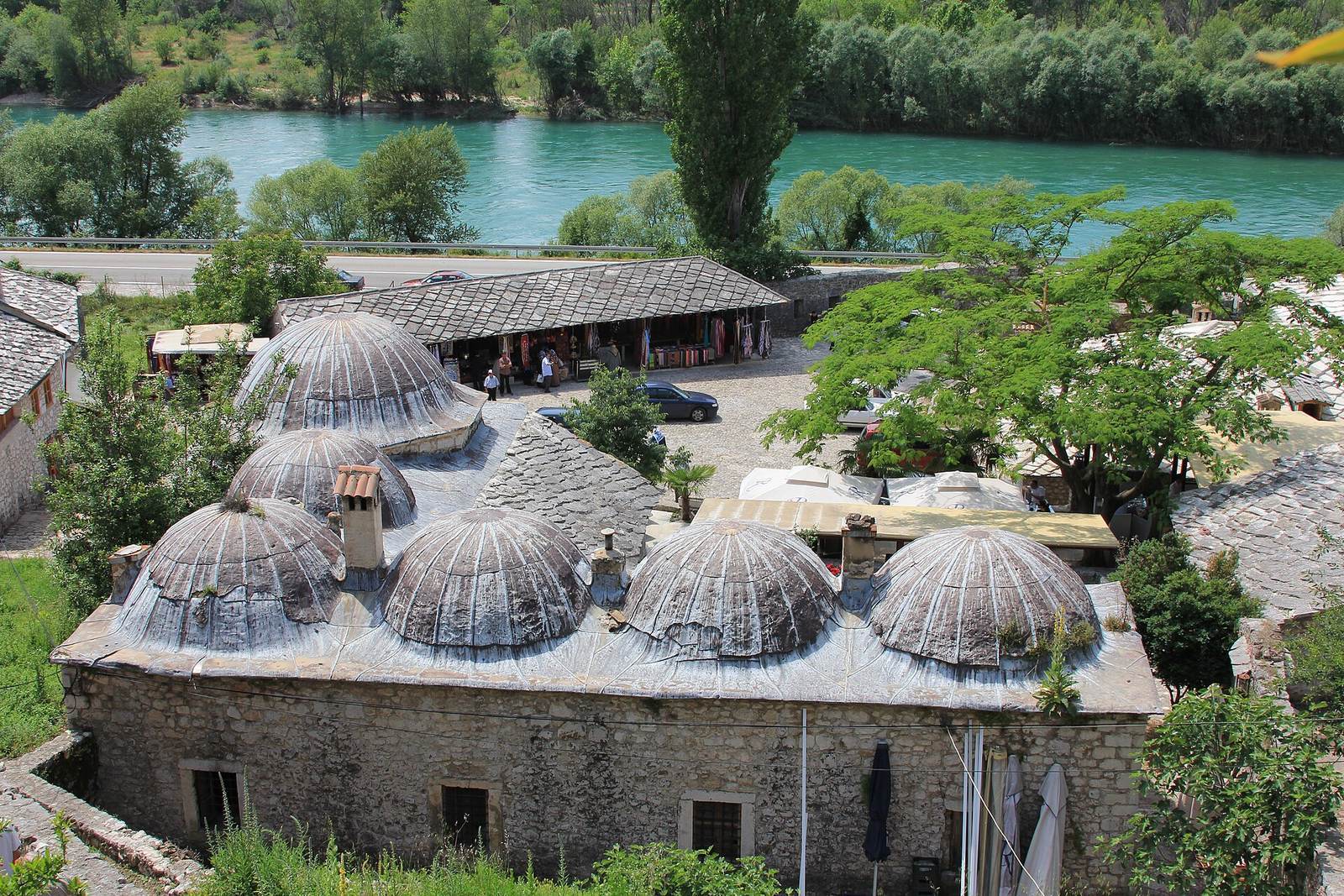
The town’s Clock Tower stands near the river toward the southern walls. Ottoman-era public buildings included mosques, a charitable food kitchen, an elementary religious school, an Islamic school, a public bathhouse, and an inn.
Gavrankapetanović House
Built in the late 16th century, the Gavrankapetanović House takes its name from the family of Počitelj’s captains and is a characteristic example of local residential architecture. It is the town’s only house with separate rooms for men and women. From 1961 to 1975 it housed an artists’ colony described as the longest-operating in Southeast Europe. The house was burned during the Bosnian War and restored to its original state in 2003.