Tsukuo Hachiman Shrine: A Shinto Shrine with Uncertain Origins
Site at a Glance
- Popularity
- Medium
- Country
- Japan
- Primary era
- Medieval
- Eras represented
- Medieval, Early Modern
- Civilizations
- Tokugawa
- Site type
- Religious
- Remains
- Sanctuary
On this page12 sections
History
Origins and traditions
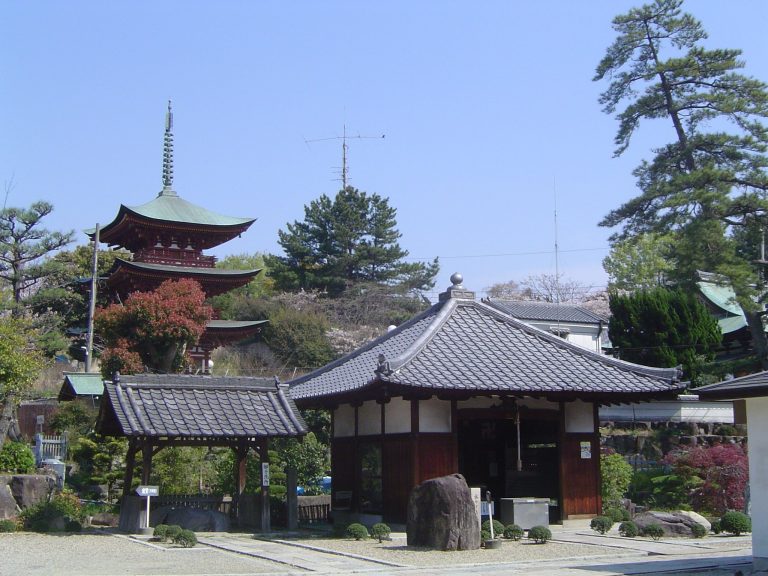
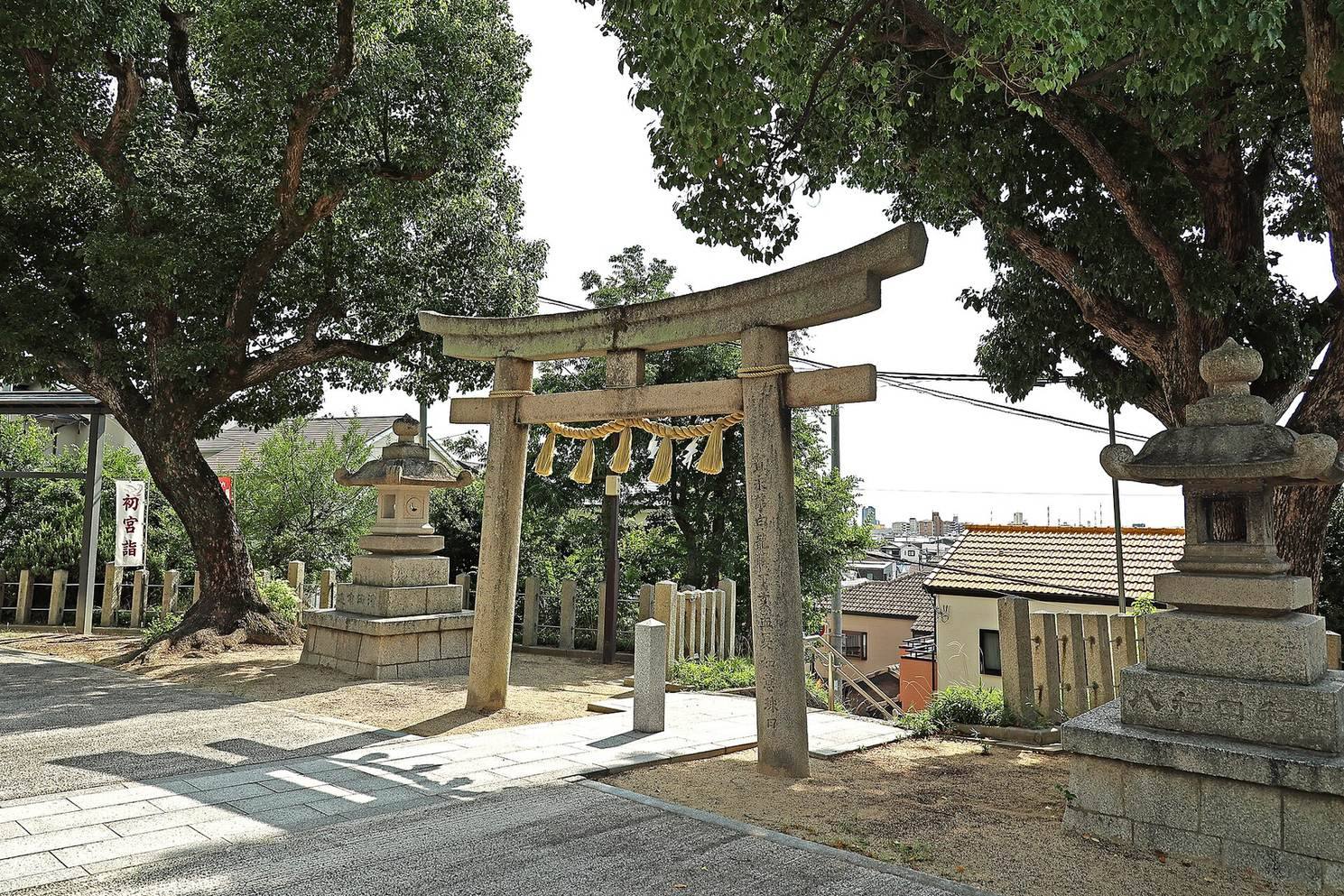
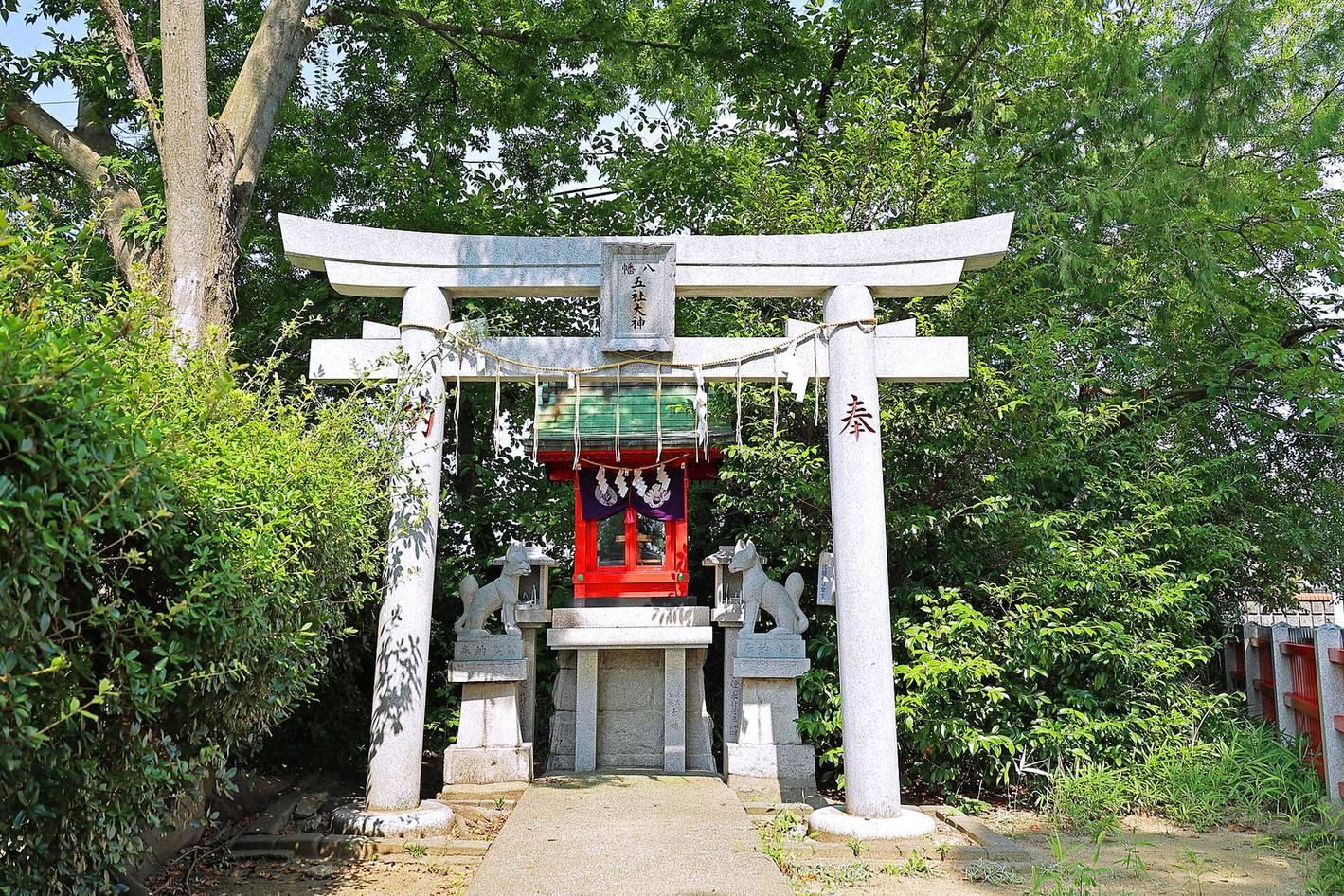
Tsukuo Hachiman Shrine is a Shinto shrine in an unidentified location in Japan. Its foundation date is uncertain. One tradition says an ancient sanctuary to Amaterasu, a central Shinto deity, and Ukanomitama, a deity associated with food and grain, stood within the present precinct. It places the erection of a shrine building and the enshrinement of Hachiman, a major deity in Japanese religious tradition, during Emperor Montoku’s reign (850–858). Another tradition dates the enshrinement of Hondawake, associated with Hachiman worship, to 957–961. Registers from 1688, 1705, and 1870 give no year for the enshrinement.
A tradition also links the shrine and the place-name Tsukuno with Empress Jingu, a semi-legendary figure in accounts of Japan’s early history. Returning by ship from a foreign land, she is said to have traveled upriver, landed, and rested on a nearby hill in a crouched position. One explanation connects that action with the place-name and the shrine’s origin; another says local people bowed before her. A 1677 document concerning the shrine’s tax-exempt land presents a related version, identifying Jingu with Hachiman and connecting her crouching to the name Tsukuno. It says the land retained its exemption through repeated surveys because of this tradition.
Yoshitsune in local tradition
Local tradition says that Minamoto no Yoshitsune, a twelfth-century military commander, took shelter at Tsukuno during a storm while sailing toward a place that may have been Yashima. He was accompanied by Benkei, traditionally remembered as his warrior-monk companion, and another associate, and is said to have visited the shrine. A local headman supposedly hosted the party, then faced punishment and death for doing so. Tradition also connects an image of Amida, a Buddha central to Pure Land traditions, with the headman’s former residence in his memory. Yoshitsune’s visit to Tsukuno cannot be confirmed.
Medieval accounts describe sea journeys that may have helped shape the local story, but they do not establish that Yoshitsune came to Tsukuno. The Tale of the Heike, a narrative of the conflict between the Minamoto and Taira clans, says that in February 1185 Yoshitsune led a small force by ship to pursue the Taira after his elder brother, Minamoto no Yoritomo, ordered a campaign. High waves damaged the vessel. The narrative also recounts that in November Yoshitsune fled by sea to escape Hojo Tokimasa, a leading figure in the early Kamakura government, but violent winds drove him ashore and he continued overland. The historical diary Gyokuyo records that Yoshitsune and a few companions escaped by small boat from Daimotsuura in Settsu Province to the Izumi coast.
Buddhist institutions and modern changes
During the Edo period (1603–1868), when Japan was ruled by the Tokugawa shoguns, the shrine precinct included Buddhist facilities alongside the shrine. A letter from 1691 records that quarters for a Buddhist monk associated with the shrine were built in 1660 and a Kannon hall, dedicated to a bodhisattva associated with compassion, in 1665. The monk lived in the quarters and died in 1690.
Government measures separating Shinto and Buddhism led to the removal of the Kannon hall, bell tower, and Buddhist temple in 1870. In 1872 the shrine received the formal rank of a village shrine in Japan’s modern classification system. A filing from 1871 uses an earlier shrine title, while a donor list from 1895 uses the name reflected in “Tsukuo Hachiman Shrine,” indicating that the change occurred during the early Meiji period (1868–1912).
Remains
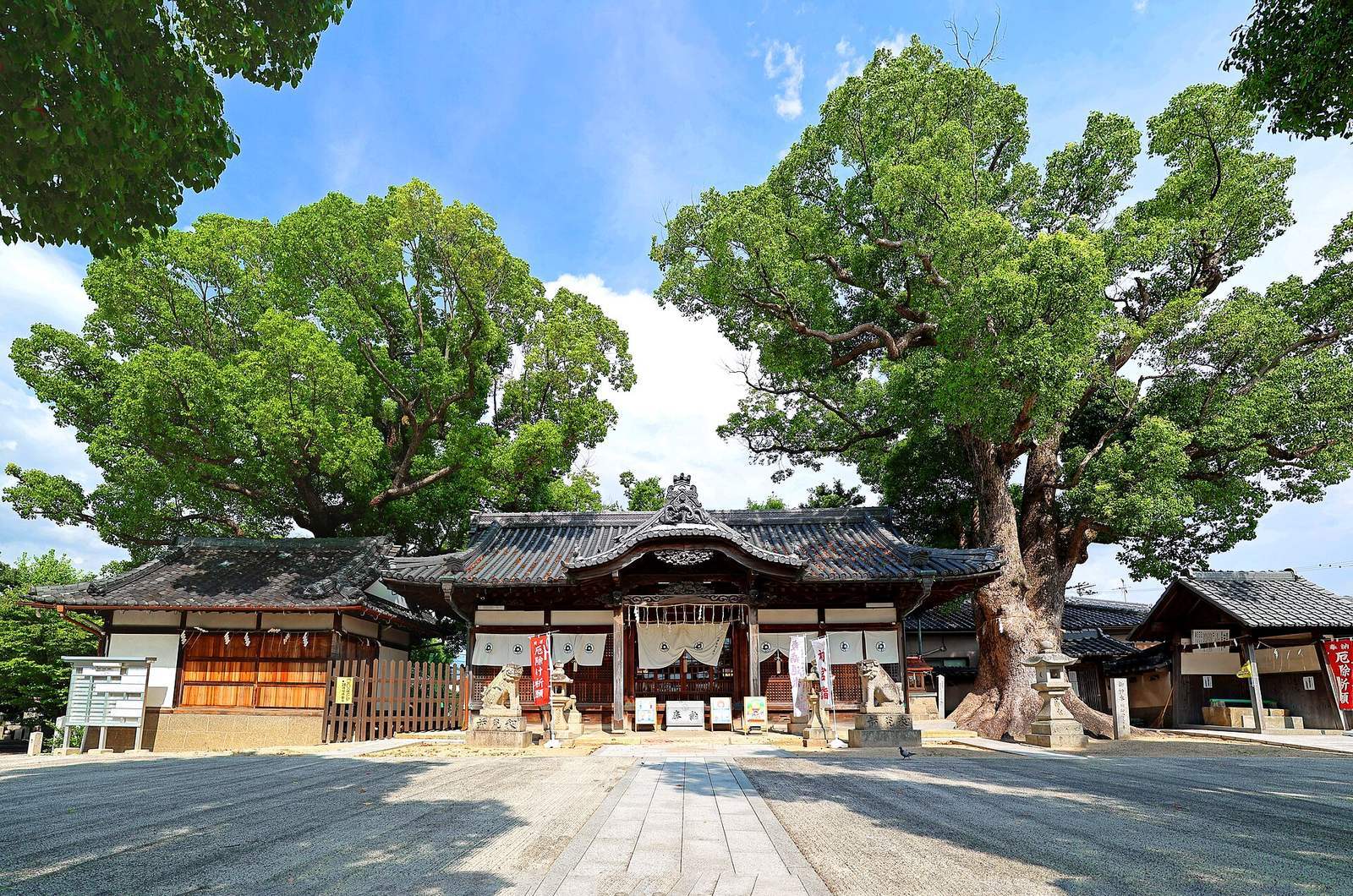
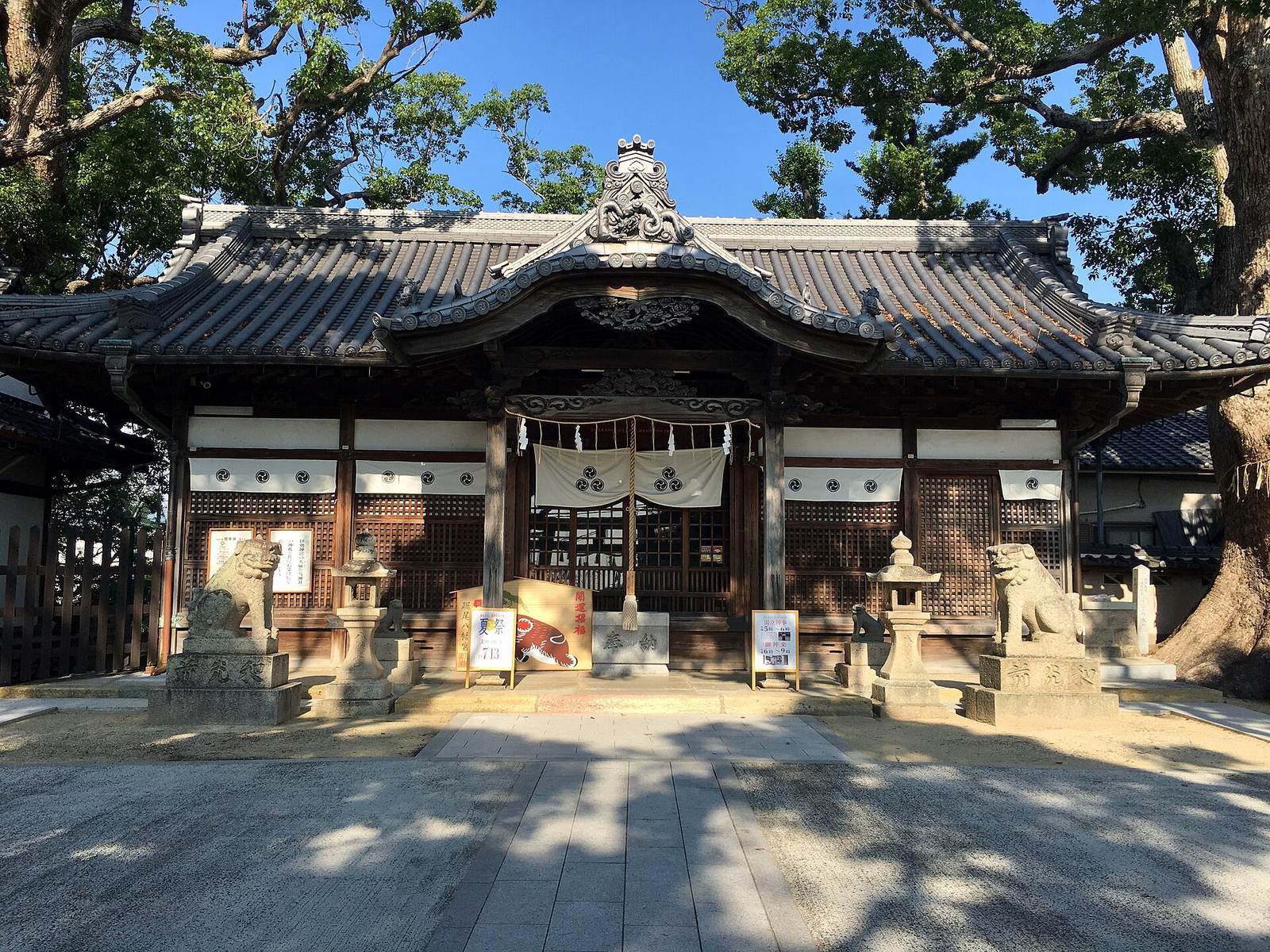
A precinct plan from 1679 records the layout of the main shrine buildings, which occupy the same positions as today. It also places the former shrine-associated Buddhist temple near the area of the present shrine office and depicts a bell tower and Kannon hall. The main sanctuary is in nagare-zukuri, a shrine style whose front roof slope extends over the entrance.
Trees and memorials
Camphor trees
Two camphor trees are positioned in relation to the worship hall. The tree to its right is estimated to be about 850 years old; the one behind the hall on the left is about 700 years old.
Monk’s gravestone
A gravestone for the monk who served the shrine’s Buddhist community remains in the precinct. It is known as Wart Jizo, referring to Jizo, a bodhisattva often represented in local devotional settings.
Remains associated with Yoshitsune
Resting stone
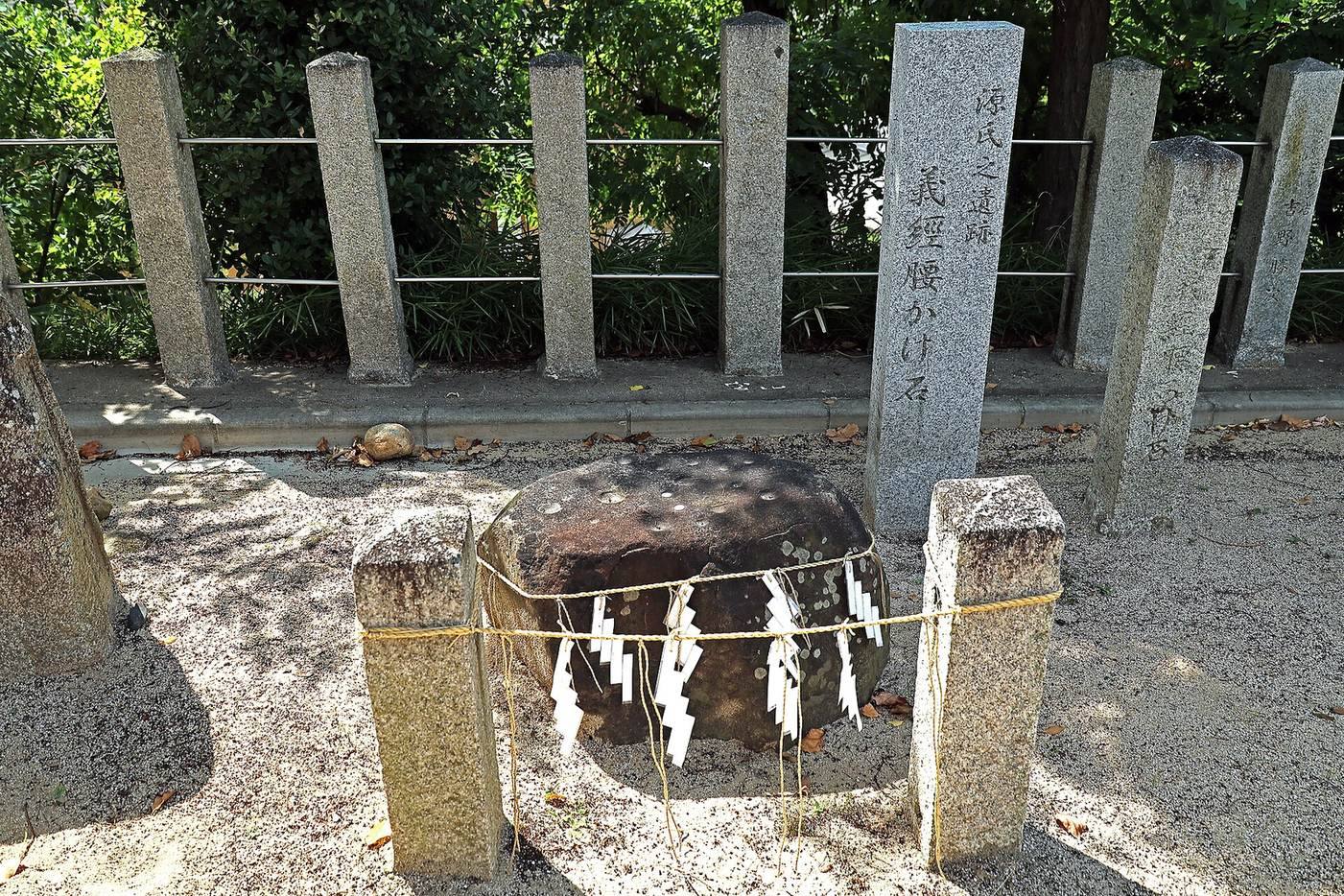
A stone in the shrine grounds is traditionally identified as the place where Yoshitsune sat and rested during his supposed visit.
Letters and utensils
The shrine preserves three documents traditionally presented as thank-you letters from Yoshitsune, Benkei, and their companion to the headman who hosted them. Eating utensils said to have belonged to Yoshitsune are also among the shrine’s treasures.
Saddle
A saddle said to have been offered by Yoshitsune after he prayed for military success remained a shrine treasure until around the Meiji period, then went missing. A drawing held by Negishi Horse Racing Memorial Park bears an inscription associating the saddle with Yoshitsune and a farmer from Tsukuo. An original illustration in a historical collection resembles a saddle attributed to Yoshitsune and preserved at a shrine in Nara Prefecture.