San Martino del Vescovo: A Florentine Oratory for Charitable Aid
Site at a Glance
- Popularity
- Medium
- Country
- Italy
- Primary era
- Medieval
- Eras represented
- Medieval
- Civilizations
- Republic of Florence
- Site type
- Religious
- Remains
- Chapel
On this page8 sections
History
San Martino del Vescovo, also known as the Oratory of the Buonomini di San Martino, is a Roman Catholic oratory in Florence, Italy, dedicated to Saint Martin of Tours and rebuilt in Renaissance style beginning in 1479. It belongs to the Archdiocese of Florence and links the history of a medieval parish to the continuing charitable work of a Florentine confraternity.
The parish church
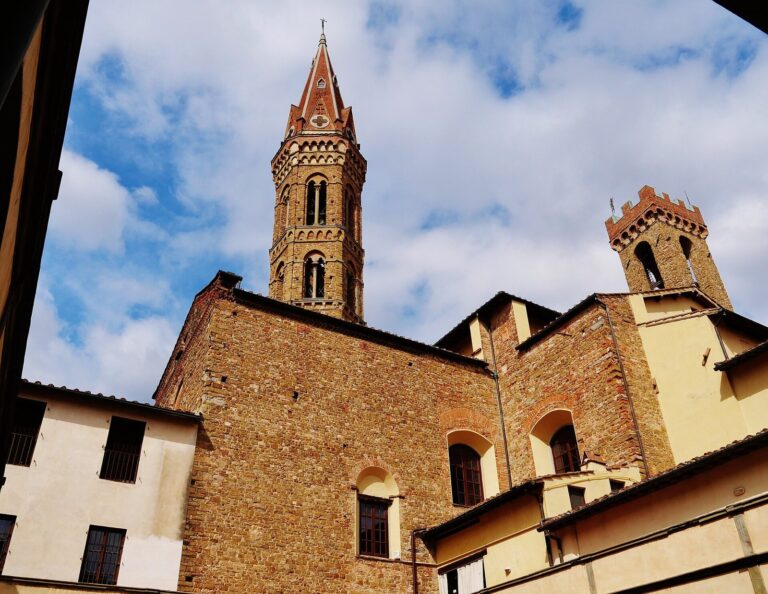
An earlier church of San Martino was known by 986 and was probably founded in the tenth century. Its foundation has been attributed either to the Bishop of Fiesole, as founder or benefactor, or to his nephew, as builder. The church stood near the Badia Fiorentina and received patronage from prominent local families, including the Donati and Alighieri. Local tradition identified it as the church where Gemma Donati, wife of the medieval poet Dante Alighieri, married him.
As Florence’s population grew and the city spread during the later Middle Ages, smaller parishes were gradually suppressed. San Martino was among them, and its original church site lay to the left of the present oratory.
The Buonomini and their charitable work
The Buonomini, a lay confraternity or religious association, was founded in 1442 by Saint Antonino Pierozzi, a Dominican friar and archbishop of Florence. The Dominican Order is a Catholic religious order associated with preaching and teaching. The confraternity’s twelve members were chosen from the Buca di San Girolamo, another Florentine lay association. Cosimo de’ Medici the Elder, a Florentine political leader and patron, contributed to its support.
The Buonomini helped the poveri vergognosi, families who had fallen into hardship but avoided public begging because of shame or concern for their social standing. Before 1482, the members moved their work from the house of Primerano di Jacopo, a shoemaker among the original twelve, to the oratory. The confraternity’s reputation for practical, discreet aid led Pope Eugenius IV to call its members the “Angels of Florence.” During Savonarola’s brief rule of Florence, the Dominican preacher directed 3,000 florins to the confraternity from a tax the diocesan clergy paid to the Republic.
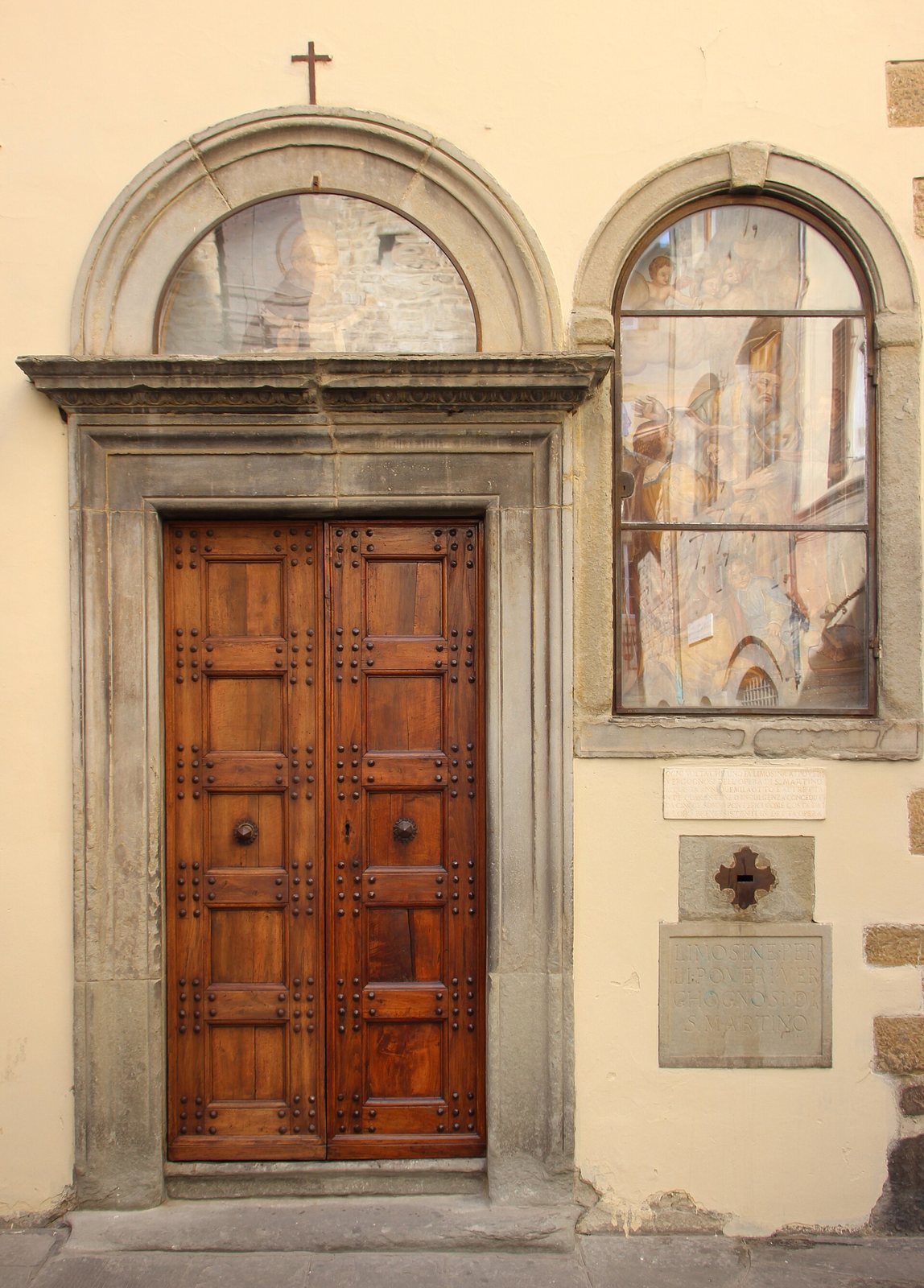
The confraternity remains active, and its assistance continues to be given discreetly. When funds are urgently needed, its members light a candle at the entrance. This custom gave rise to the saying “to be reduced to one’s last resources.” A restoration program for the frescoes and interior took place in April 2011.
Remains
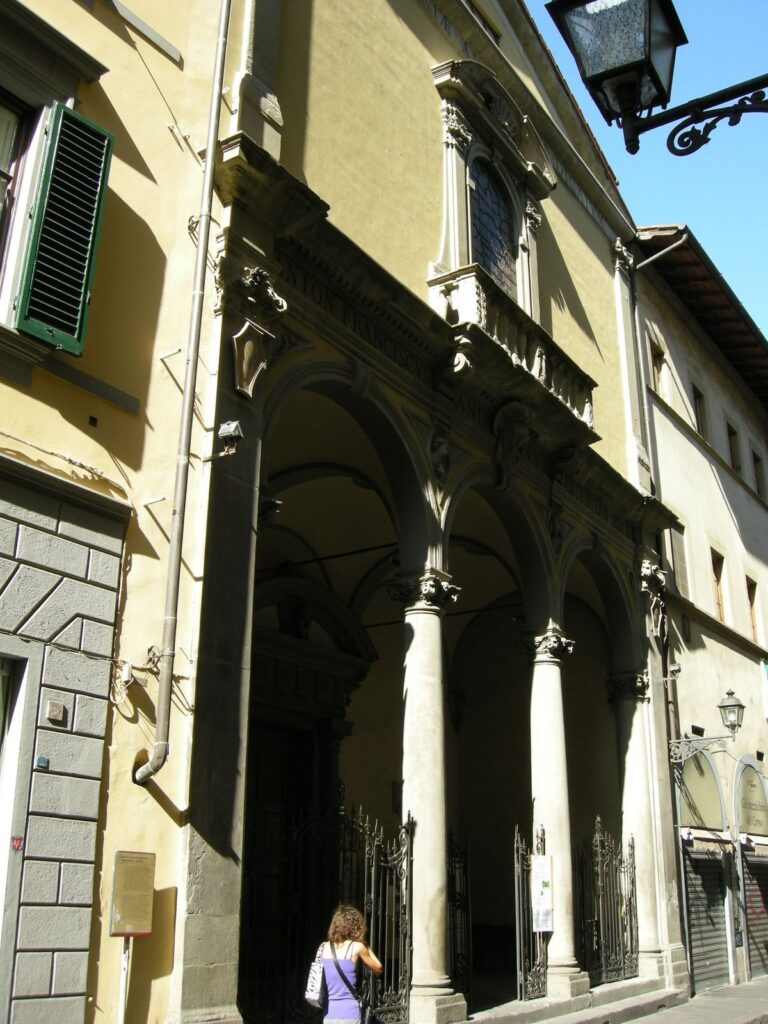
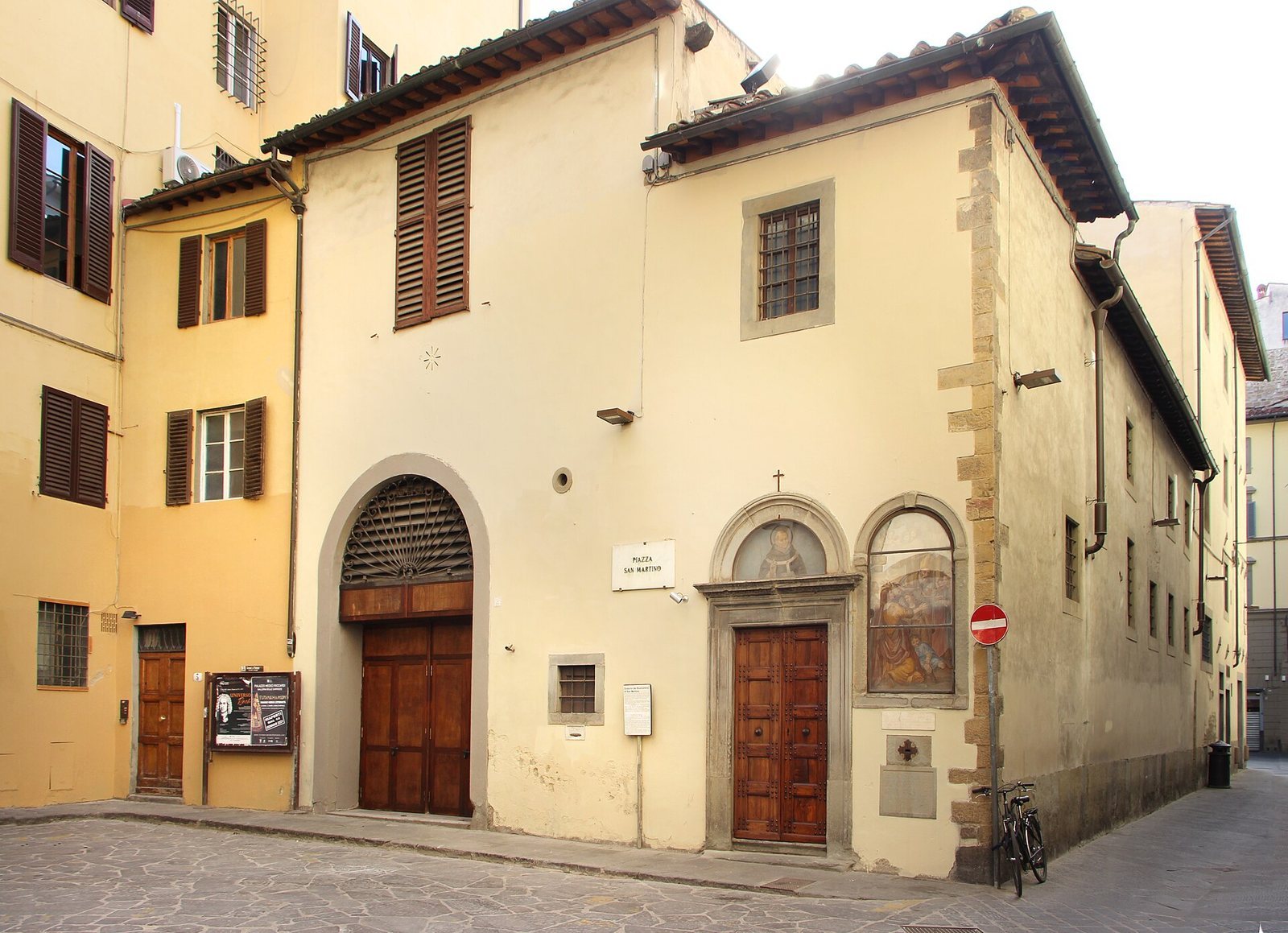
The oratory occupies the small Piazza San Martino, at the end of Via de’ Magazzini and the corner of Via Dante Alighieri, opposite the Torre della Castagna. It stands beside the site of the earlier church. That church had a different orientation: its altar faced east, while its façade faced the opposite direction, toward Piazza dei Cimatori. Its position divided a larger square; the present arrangement includes Piazza San Martino in front of the oratory and Piazza dei Cimatori.
Oratory decoration
The fresco cycle
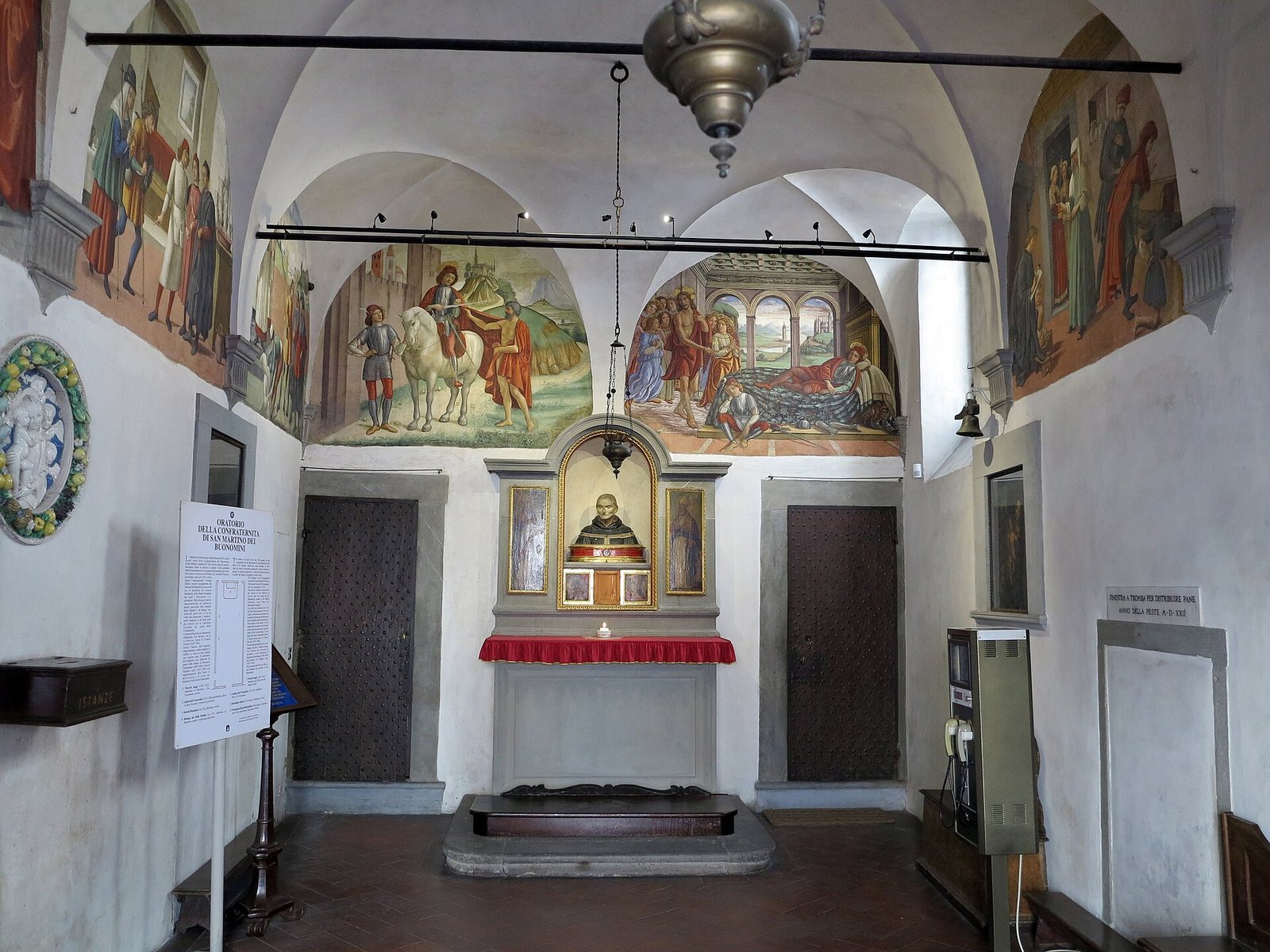
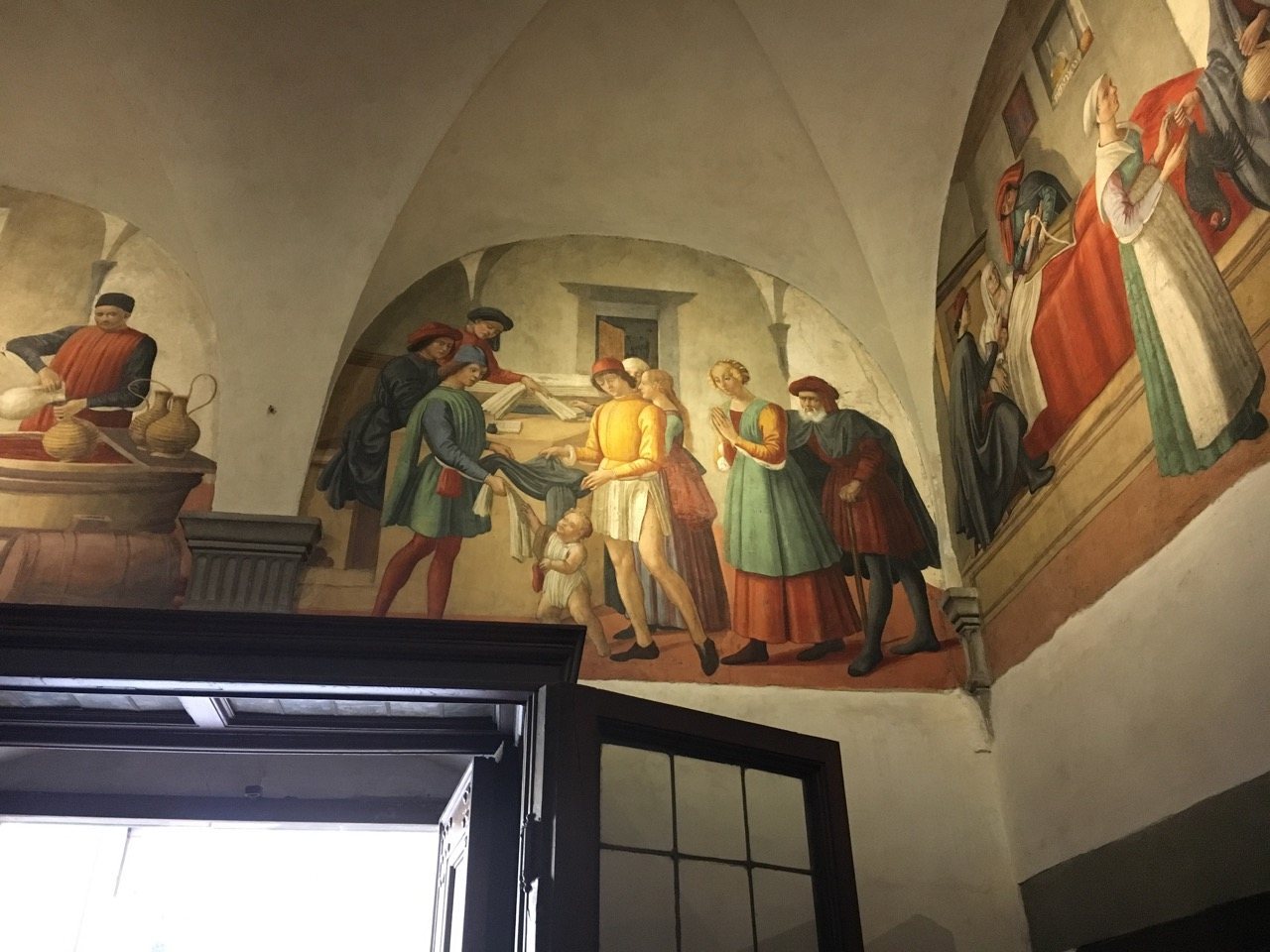
The interior contains ten painted lunettes, crescent-shaped areas of wall. The frescoes, made by applying pigment to wet plaster, are generally dated to 1478–81, although the dating remains disputed. Beside the altar, two scenes show Saint Martin of Tours, a fourth-century Christian bishop remembered for sharing his cloak with a poor man. One depicts that act; the other shows the Dream of Saint Martin.
Other lunettes portray acts of practical mercy, including burying the dead, welcoming pilgrims, visiting prisoners and the sick, clothing the naked, and giving drink to the thirsty. The cycle also includes a visit to a family in need and scenes of notarial work, the recording of legal acts, showing a marriage and an inventory. In the scene of a sick visit, the Buonomini bring a chicken, a flask of wine, cloth, and thread to a woman who has recently given birth. Furniture and a servant receiving the gifts indicate the family’s former prosperity. The confraternity members wear dark mantles and red head coverings.
The paintings are usually associated with the workshop of Florentine Renaissance painter Domenico Ghirlandaio. Miniaturist Francesco d’Antonio has been suggested as a stronger candidate for the painter, while Bartolomeo di Giovanni has been proposed for at least nine of the ten lunettes. The Dream of Saint Martin has also been attributed to Lorenzo di Credi.
Altar and paintings
A niche above the small altar holds a bust of Saint Antonino, generally attributed to Andrea del Verrocchio, a Florentine sculptor and painter. Nearby paintings attributed to Simone Ferri show Saint Martin and Saint Nicholas of Bari at the sides, with two panels depicting episodes from Saint Antonino’s life below. A fifteenth-century panel on the right wall depicts the Madonna and Child and belongs to the Peruginesque school, a style associated with the Umbrian painter Perugino. An altarpiece showing the Madonna with the Infant Jesus and Saint John is attributed to Niccolò Soggi.
Facade shrine and charity box
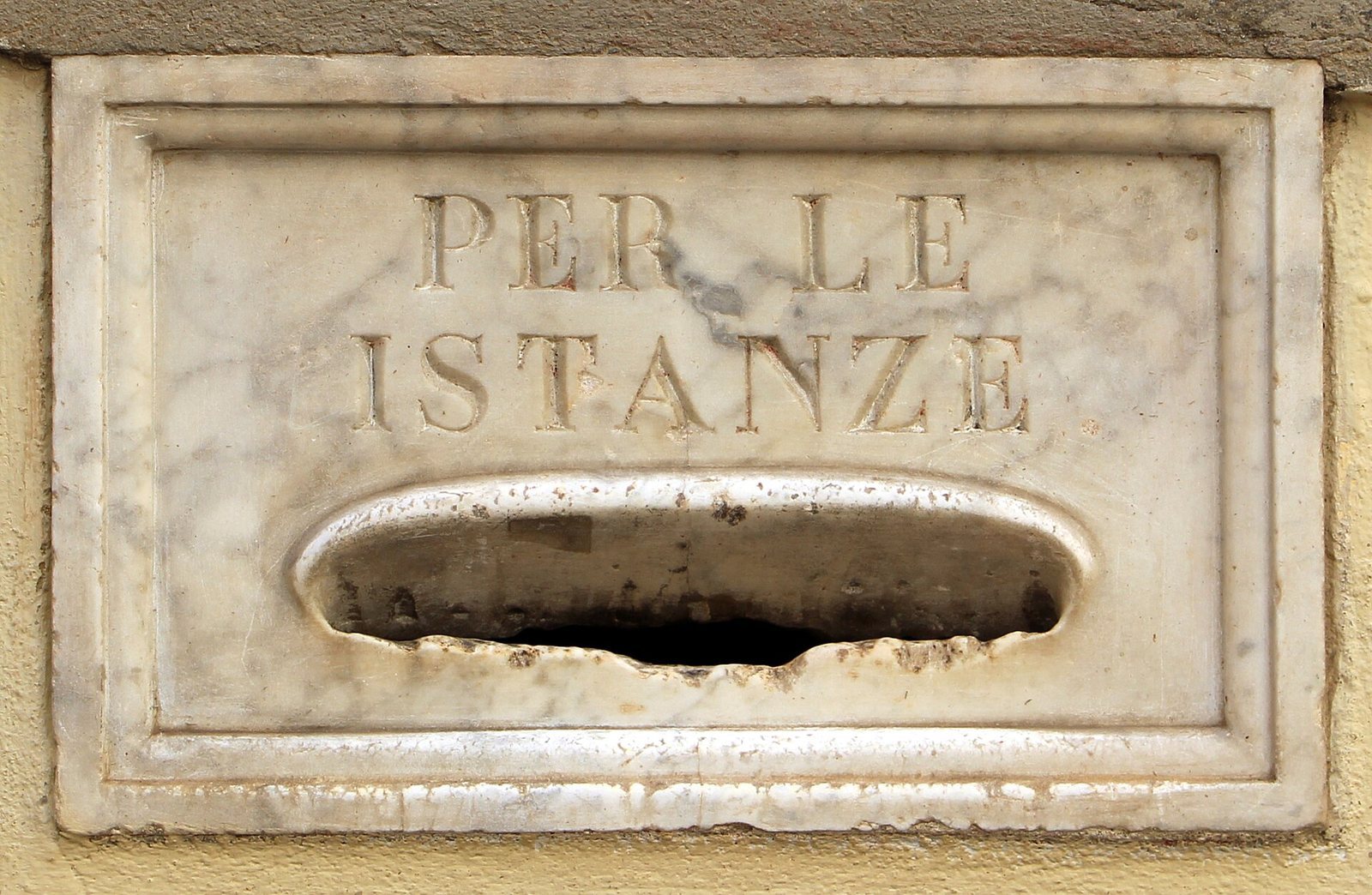
On the façade, a tabernacle, or small shrine for a sacred image, depicts Saint Martin giving alms to the poor. Made by Cosimo Ulivelli, it stands above the charity box. A grey stone plaque below the box identifies the people assisted by the confraternity.