Dream Stele: Thutmose IV’s Royal Monument at the Great Sphinx
Site at a Glance
- Popularity
- Very High
- Country
- Egypt
- Primary era
- Bronze Age
- Eras represented
- Bronze Age
- Civilizations
- Egyptian
- Site type
- Civic
- Remains
- Monument
On this page10 sections
History
Thutmose IV and the Sphinx
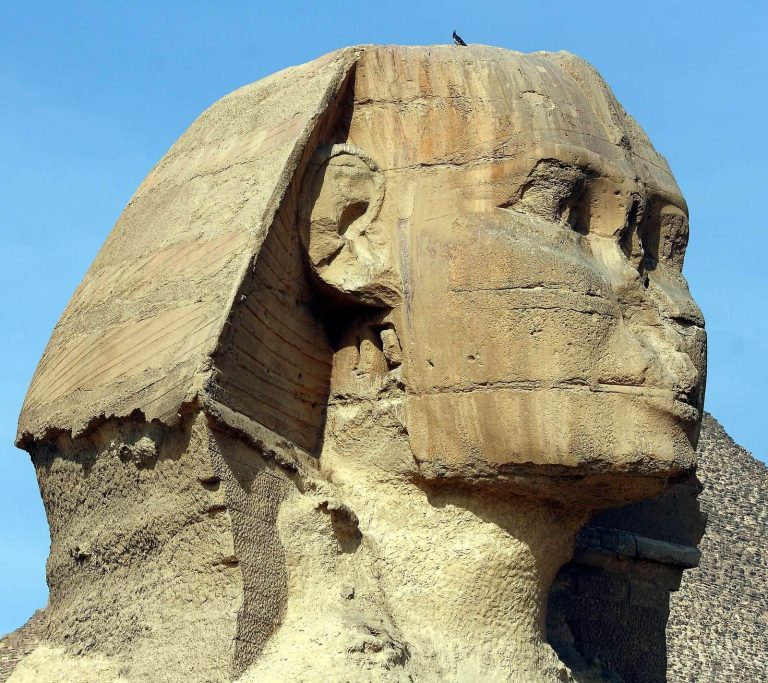
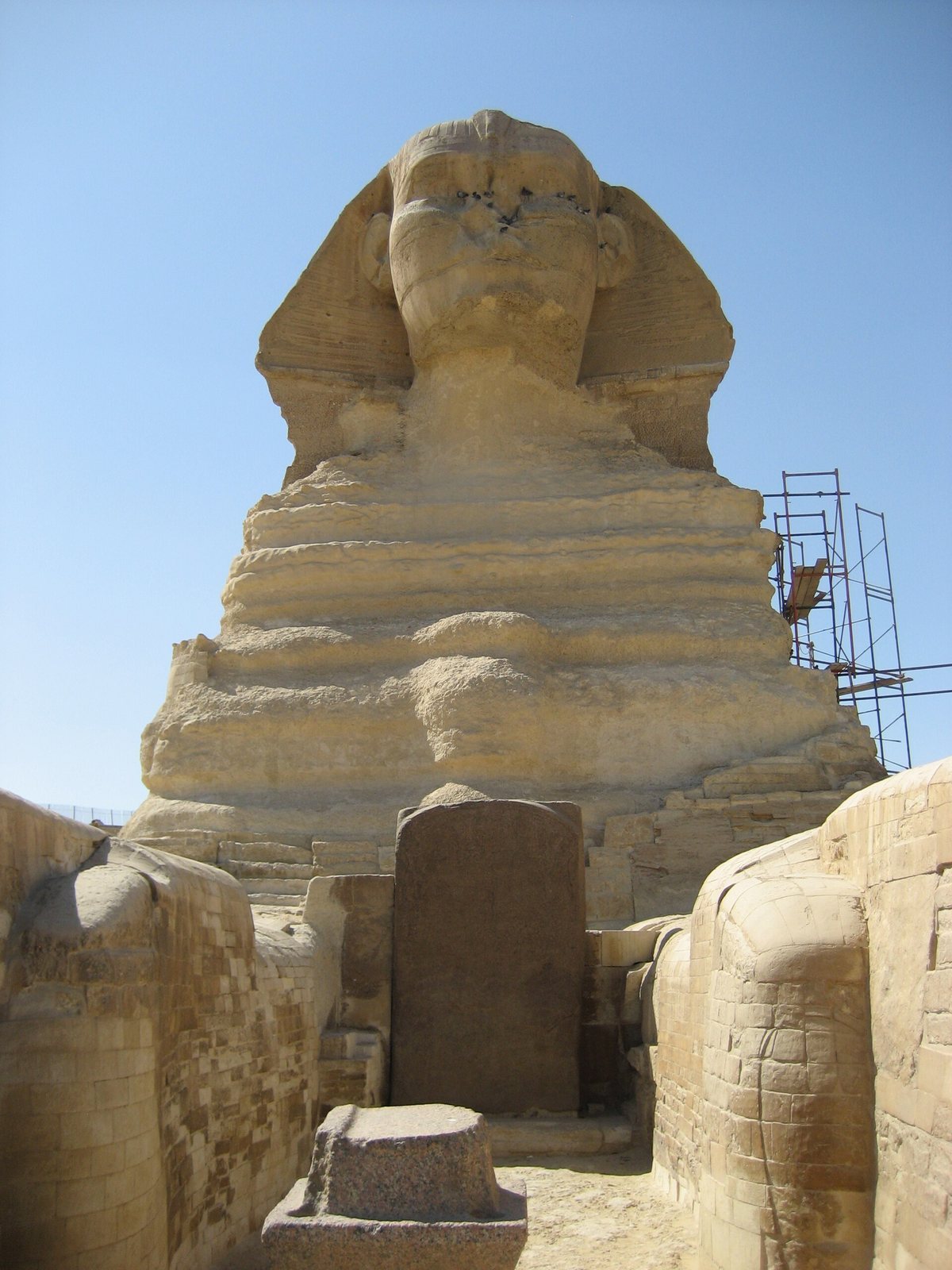
The Dream Stele is a royal monument between the Great Sphinx’s front paws at Giza, Egypt. Pharaoh Thutmose IV erected it around 1401 BC, in the first year of his reign during the 18th Dynasty, a ruling house of New Kingdom Egypt. Its inscription presents his kingship as divinely authorized, an idea also used by Hatshepsut, Thutmose III, and Thutmose IV’s father, Amenhotep II.
The inscription recounts that Thutmose, still a prince, hunted in the desert around Memphis. He shot at a target with copper bolts and pursued lions and smaller game from his chariot. At midday, he rested in the Sphinx’s shadow with two followers and fell asleep. The deity Hor-em-akhet-Kheperi-Ra-Atum then spoke through the Sphinx, promising him kingship and asking him to clear the sand that covered it.
After becoming king, Thutmose cleared the sand and undertook work to protect the Sphinx’s forepaws. The inscription praises his service to the gods, describing the construction of limestone sanctuaries and the provision of offerings. It places the Sphinx within a sacred landscape associated with Memphis and the route to Heliopolis’s western burial ground. Its conclusion may have described Thutmose’s response and confirmed the work he carried out.
The request to clear the sand has prompted the interpretation that Thutmose was not the expected heir and used the monument to strengthen his claim. This view has also been linked to three finely carved stelae, now lost, that showed other sons of Amenhotep II offering gifts to the Sphinx; their names had been erased. The Dream Stele does not settle the question of succession. Appeals to divine approval were also part of wider royal practice in the 18th Dynasty.
Rediscovery and later interpretation
Italian explorer and excavator Giovanni Caviglia rediscovered the stele in 1818 while clearing the Sphinx. A medical hypothesis published in 2012 proposed that familial temporal-lobe epilepsy could help explain the early deaths of Thutmose IV and other 18th-Dynasty pharaohs, and might also account for the religious vision described in the inscription.
Remains
The stele
Granite slab and reused stone
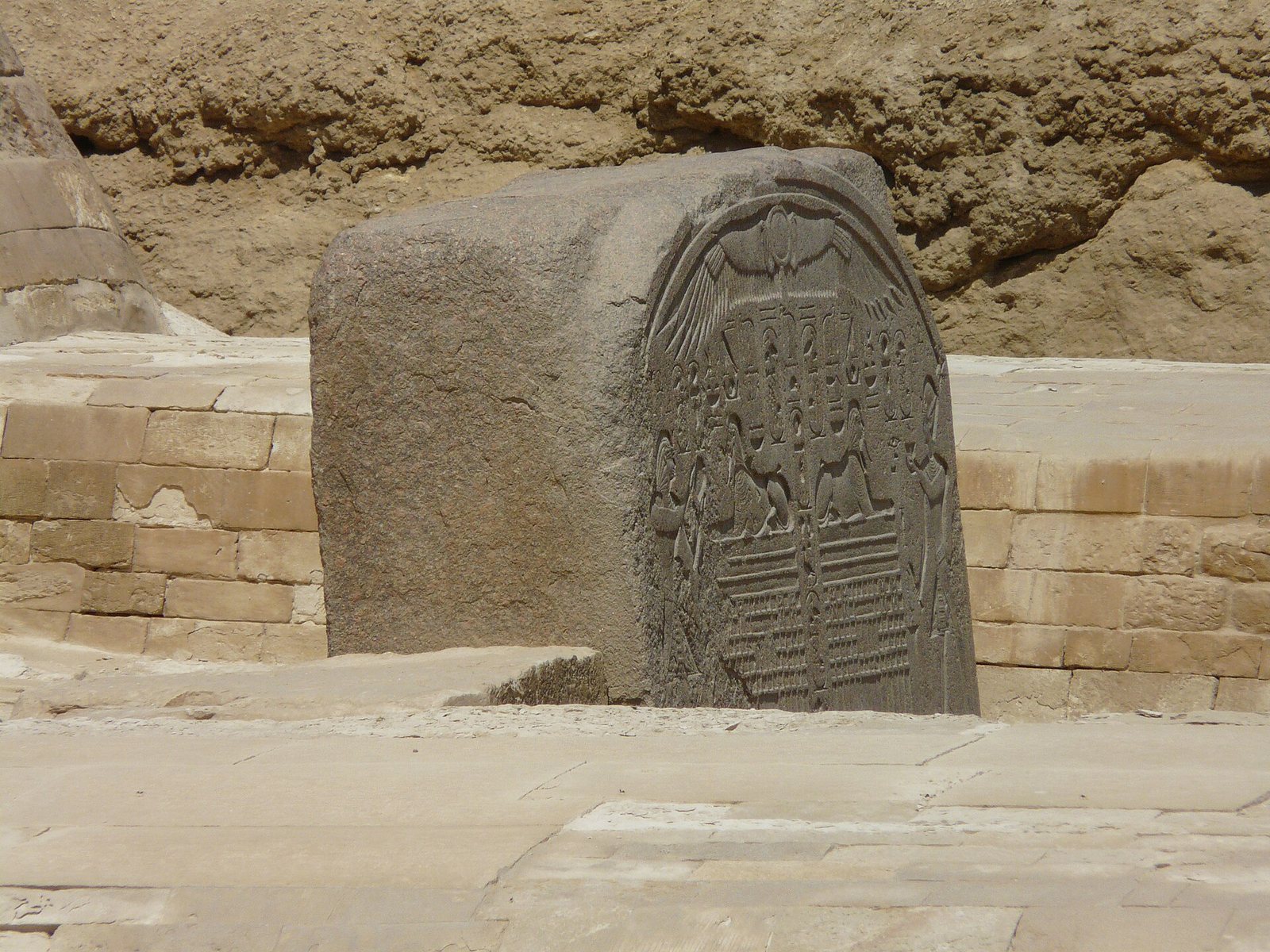
The rectangular granite stele stands 3.6 metres high and weighs about 15 tons; its restored height is estimated at roughly 3.7 metres. Sockets on its back match those at the threshold of Khafre’s mortuary temple, a temple associated with a ruler’s funerary cult. This correspondence supports the possibility that the stele was made from a reused doorway lintel.
Relief and inscription
In the semicircular field above the main scene, Thutmose appears on either side of the Sphinx, making offerings and pouring ritual liquids. The Sphinx sits on a raised pedestal with a door depicted at its base. The elevated image may have been an artistic way to place the Sphinx above the king’s head and shoulders; it has also prompted speculation about a temple or passage beneath the Sphinx.
The inscription is badly damaged. An uneven crack begins at line twelve, and only parts of the next two lines survive. The remaining text extends about 1.2 metres along the left edge and 1.6 metres along the right, with roughly half the inscription lost.
Associated architecture
Open-air chapel
Thutmose IV also built a small open-air chapel between the Sphinx’s paws. The stele originally formed the chapel’s back wall.
Forepaw casing
Large limestone blocks encase the Sphinx’s forepaws, providing protection against wind erosion.