Jinju Fortress: A Walled City in South Korea
Site at a Glance
- Popularity
- High
- Country
- South Korea
- Primary era
- Medieval
- Eras represented
- Medieval, Modern
- Civilizations
- Goryeo
- Site type
- Military
- Remains
- Wall
On this page5 sections
History
Construction and attack
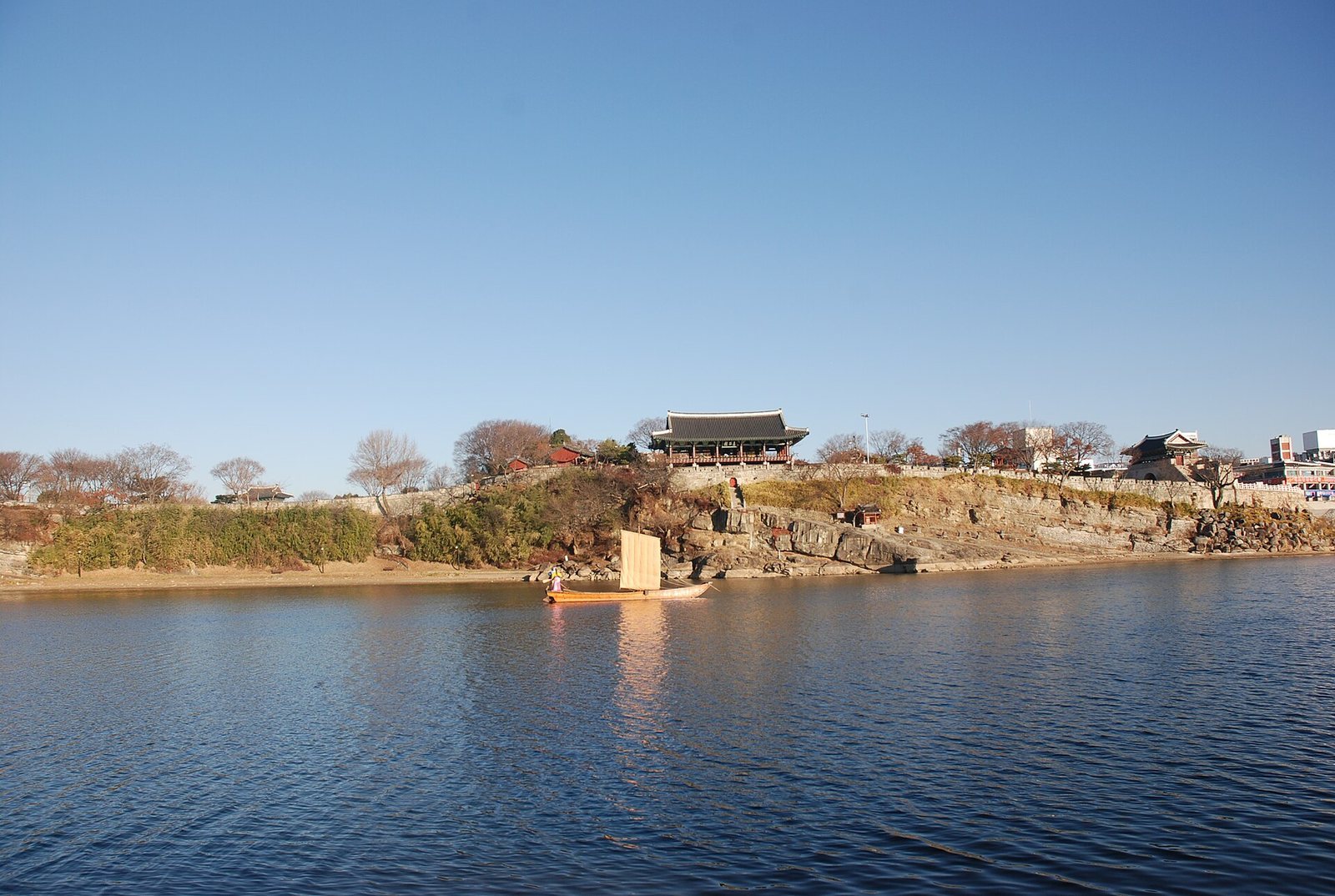
Jinju Fortress was a walled city on the Nam River in South Korea, near the port of Busan. It was a key city during invasions from Japan. Its walls were rebuilt in 1377, then collapsed two years later following attacks by Japanese sea raiders. Reconstruction is associated with 1379, the fifth year of King Woo’s reign in Goryeo, a Korean dynasty. The walls were completed in 1380.
Provincial administration
From 1895, the fortress served as the provincial office for South Gyeongsang Province through the Joseon dynasty and the Korean Empire, the state that followed Joseon. During Japanese colonial rule in Korea, it housed the provincial office for Keishōnan Province, the name used for the province under Japanese rule, until 1925.
Designation and restoration
South Korea designated Jinju Fortress Historic Site No. 118 on January 21, 1963. Restoration began in 1969, and repairs to the fortress were completed in 1975. Private houses within the walls had been removed by the end of 1984.
Remains
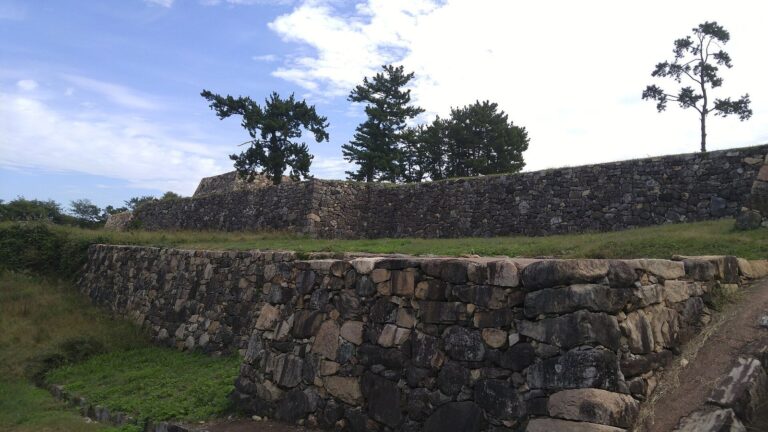
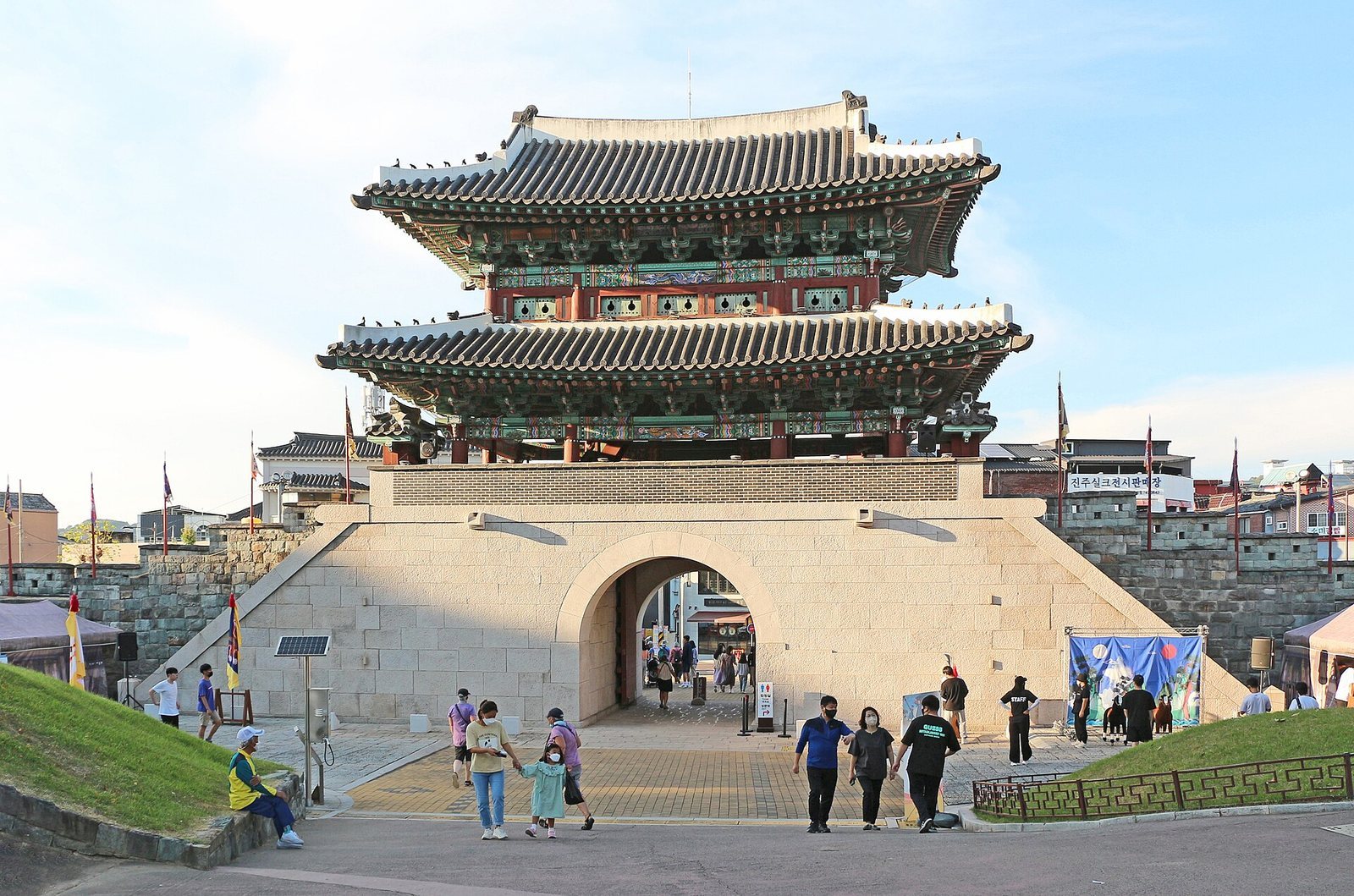
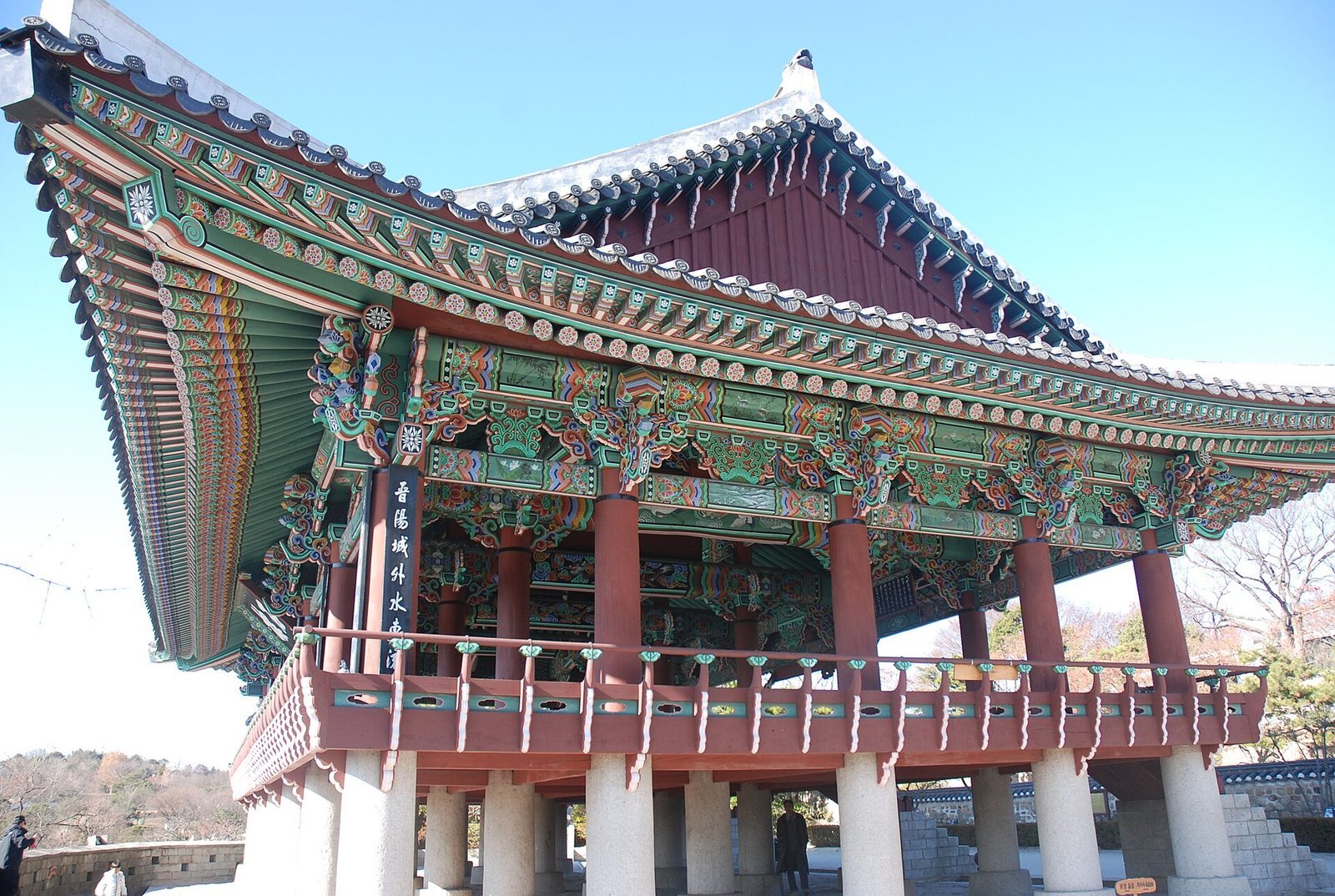
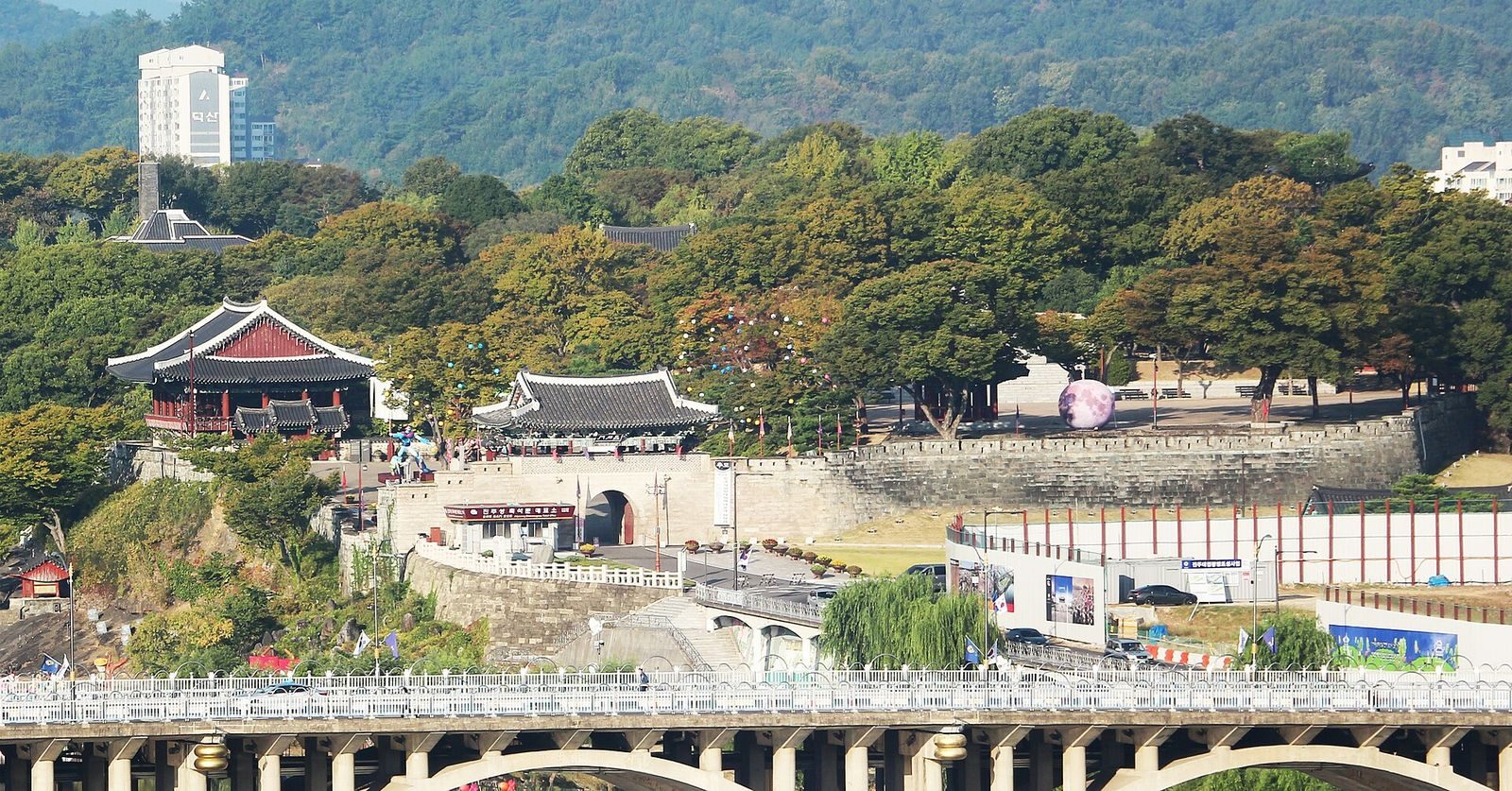
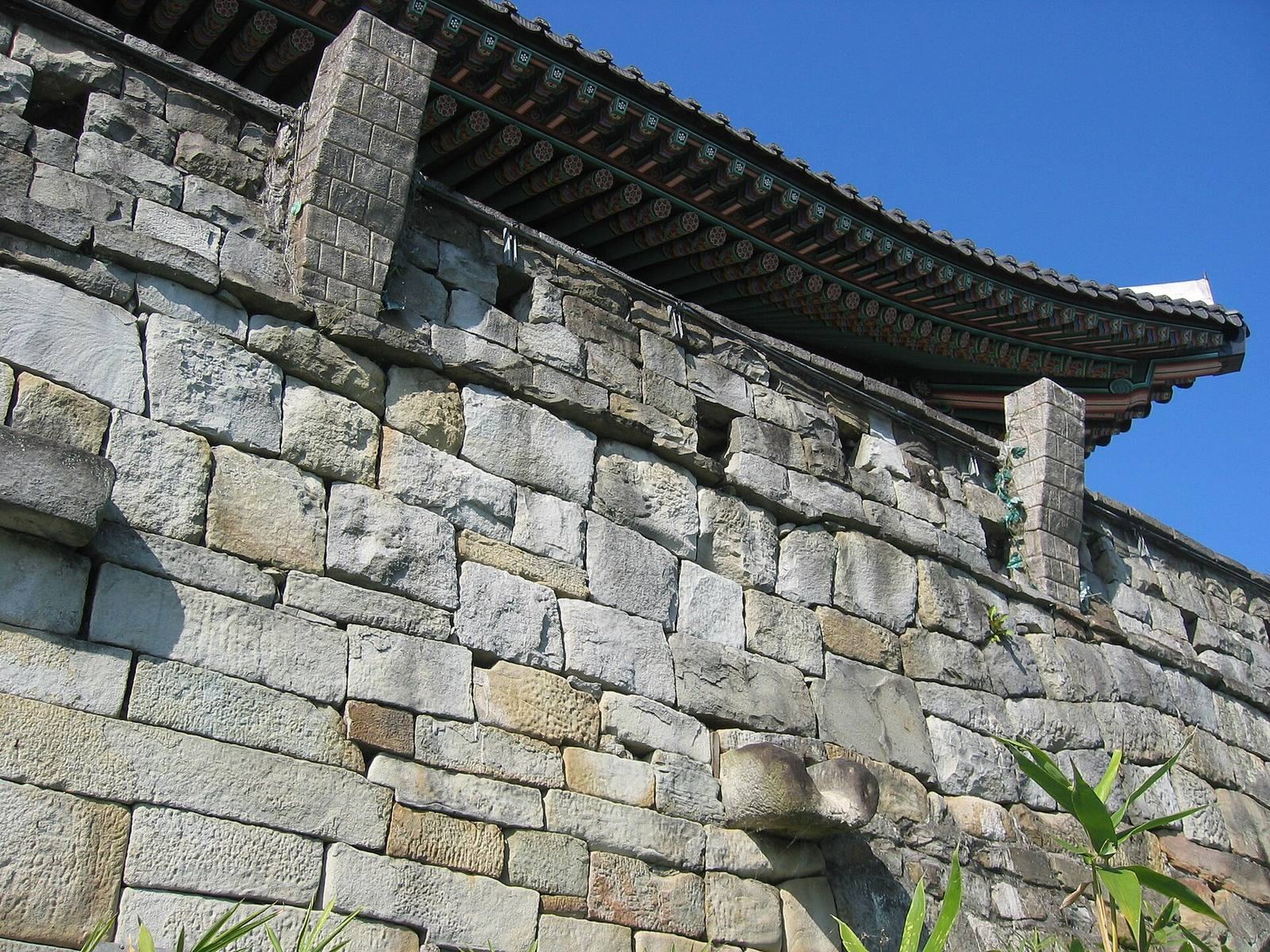
The fortress is laid out as a walled city. Its walls were first made of mud and later rebuilt in stone, and the site also includes an outer wall. Gongbukmun Gate and Chokseongmun Gate are named gates of the fortress. Chokseongmun was completed in 1972 during restoration, and the outer wall was repaired in 1992.