Governor’s Palace in Brno: A Baroque Palace and Art Gallery
Site at a Glance
- Popularity
- Medium
- Country
- Czechia
- Primary era
- Early Modern
- Eras represented
- Early Modern
- Civilizations
- Habsburg, Holy Roman Empire, Margraviate of Moravia
- Site type
- Civic
- Remains
- Palace
On this page12 sections
History
Monastery and Baroque rebuilding
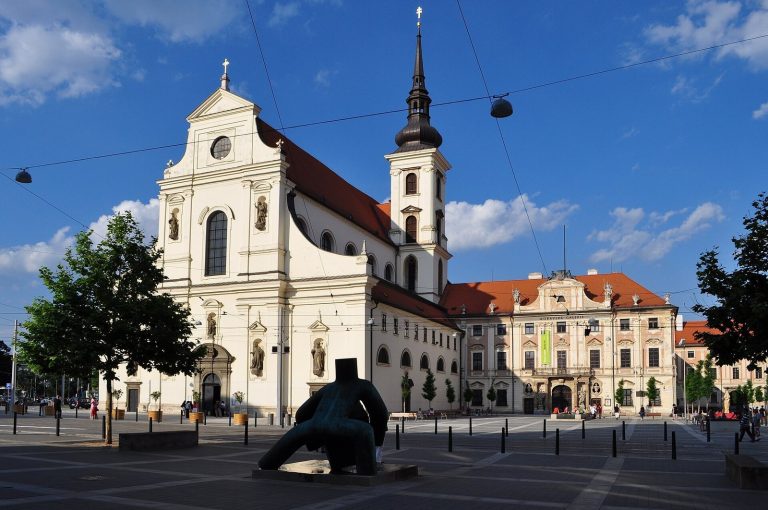
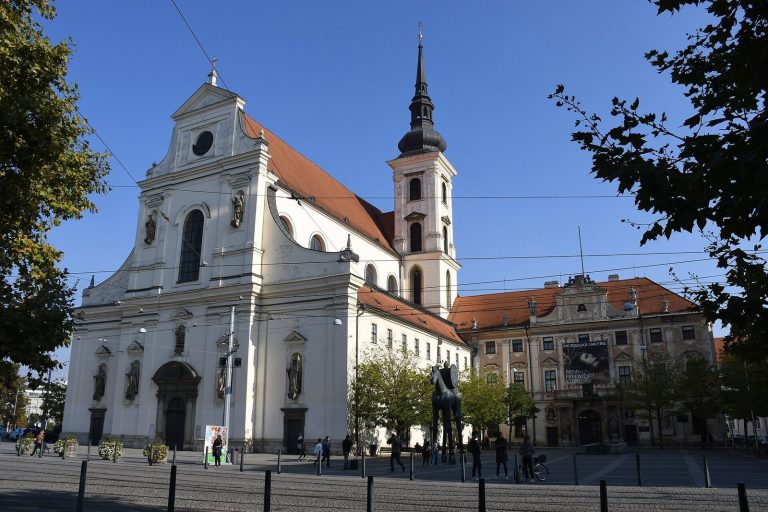
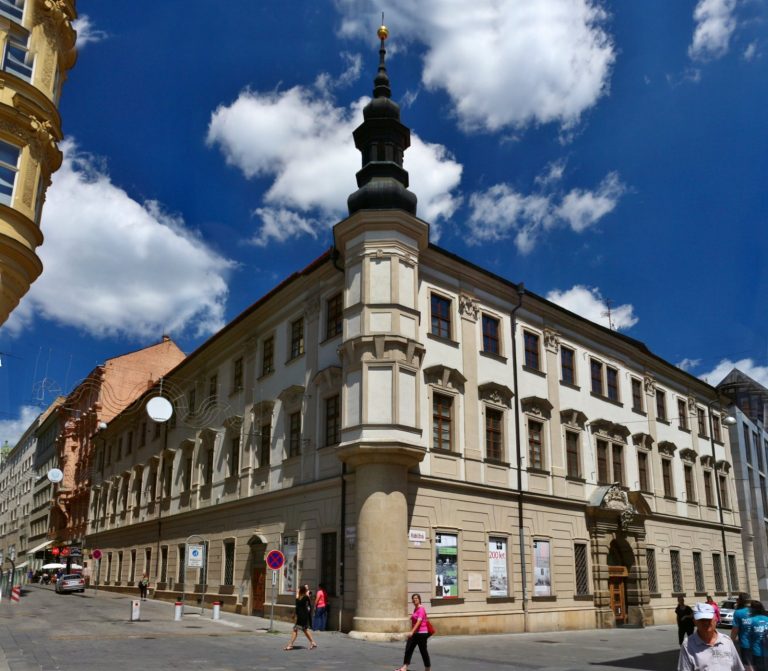
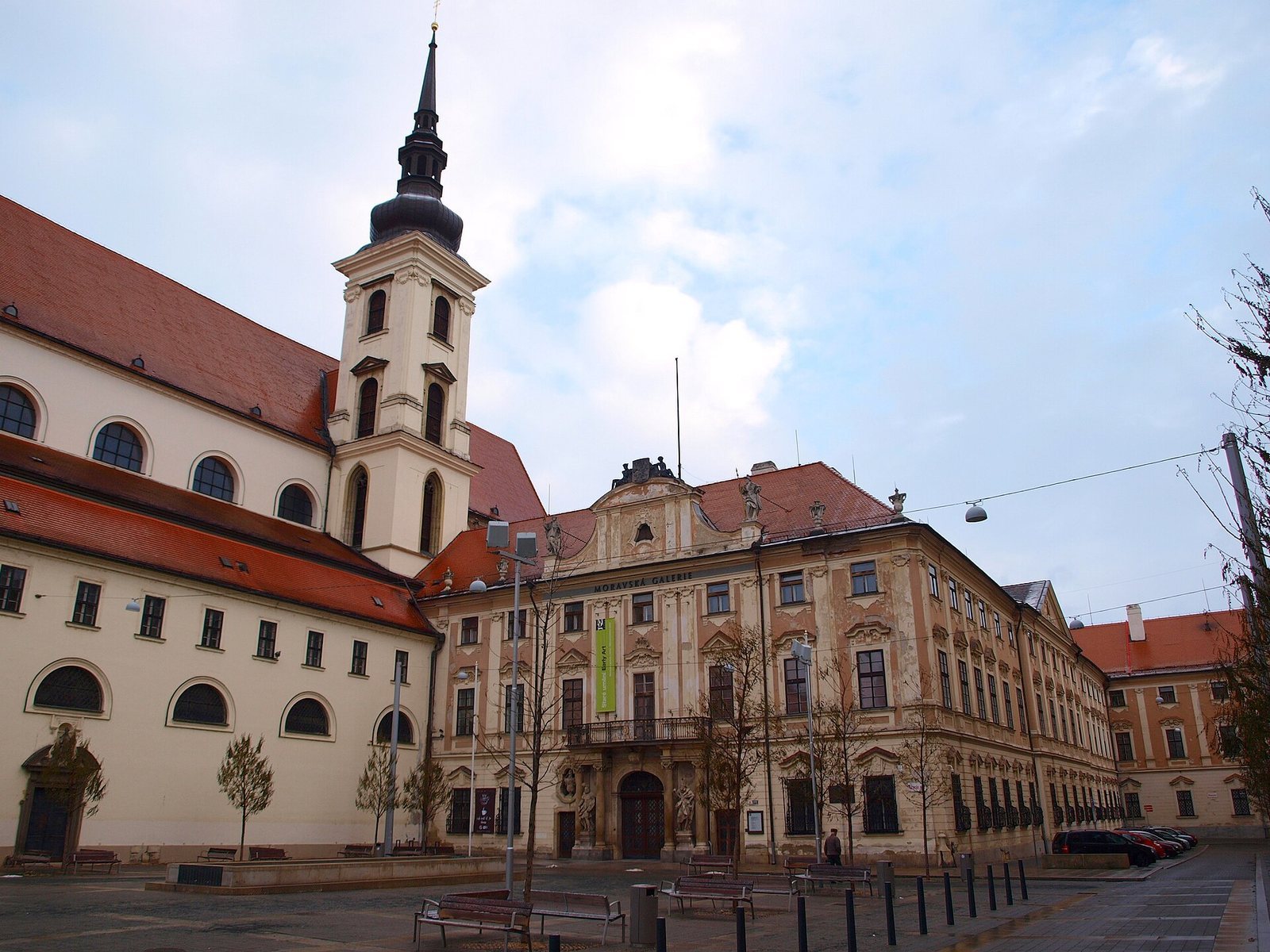
The Governor’s Palace in Brno is a Baroque palace on Moravian Square in Czechia, developed from an Augustinian monastery founded in 1350. John Henry, margrave of Moravia and a territorial ruler, established the monastery near the city fortifications. Its history was closely linked to the Church of St Thomas.
The complex took on part of its present form during a major rebuilding in the 1660s associated with architect Jan Křtitel Erna. A further Baroque reconstruction, led by Brno builder Moritz Grimm, took place from 1735 to 1750. The palace’s original form is credited to Moritz Grimm and František Antonín Grimm. When the rebuilding was complete in 1750, the monastery became an abbey, a monastery headed by an abbot or abbess.
From monastery to government palace
On 15 March 1783, Emperor Joseph II ordered the Augustinians, a Catholic religious order, to leave as part of reforms affecting religious institutions. They moved to a former convent at Old Brno, which included the Church of the Assumption of the Virgin Mary. The palace’s representative rooms, then called the Dikasterial Palace, were put to government use. They housed state and provincial offices as well as offices for the estates, representative bodies of privileged social groups.
Later changes, particularly to the interiors, were designed by Viennese court architect Franz Anton Hillebrandt. Hillebrandt and Josef Dewez are credited with the palace’s present form.
Government, museum, and gallery
After 1918, the palace continued to house provincial offices and became the seat of the provincial president, the province’s senior government official. During World War II, German offices replaced those of the Czechoslovak state under the German-controlled Protectorate of Bohemia and Moravia.
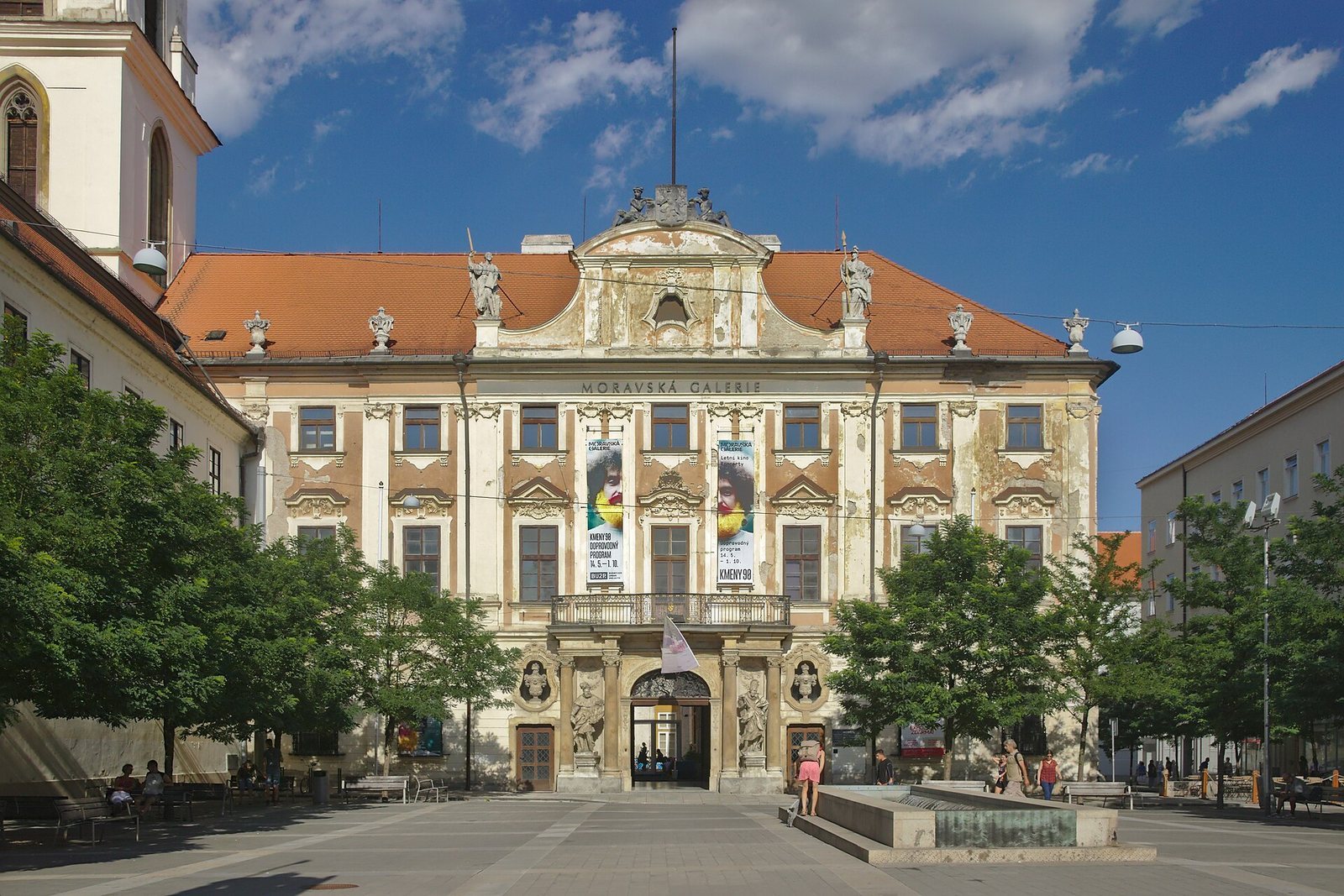
In 1955, the Museum of the Workers’ Movement of the Brno Region was assigned the palace and remained there until the political changes following November 1989. The Moravian Gallery subsequently took over the rooms and has managed the palace since 1990. It now uses the building for art exhibitions and chamber-music concerts.
Remains
Palace setting and layout
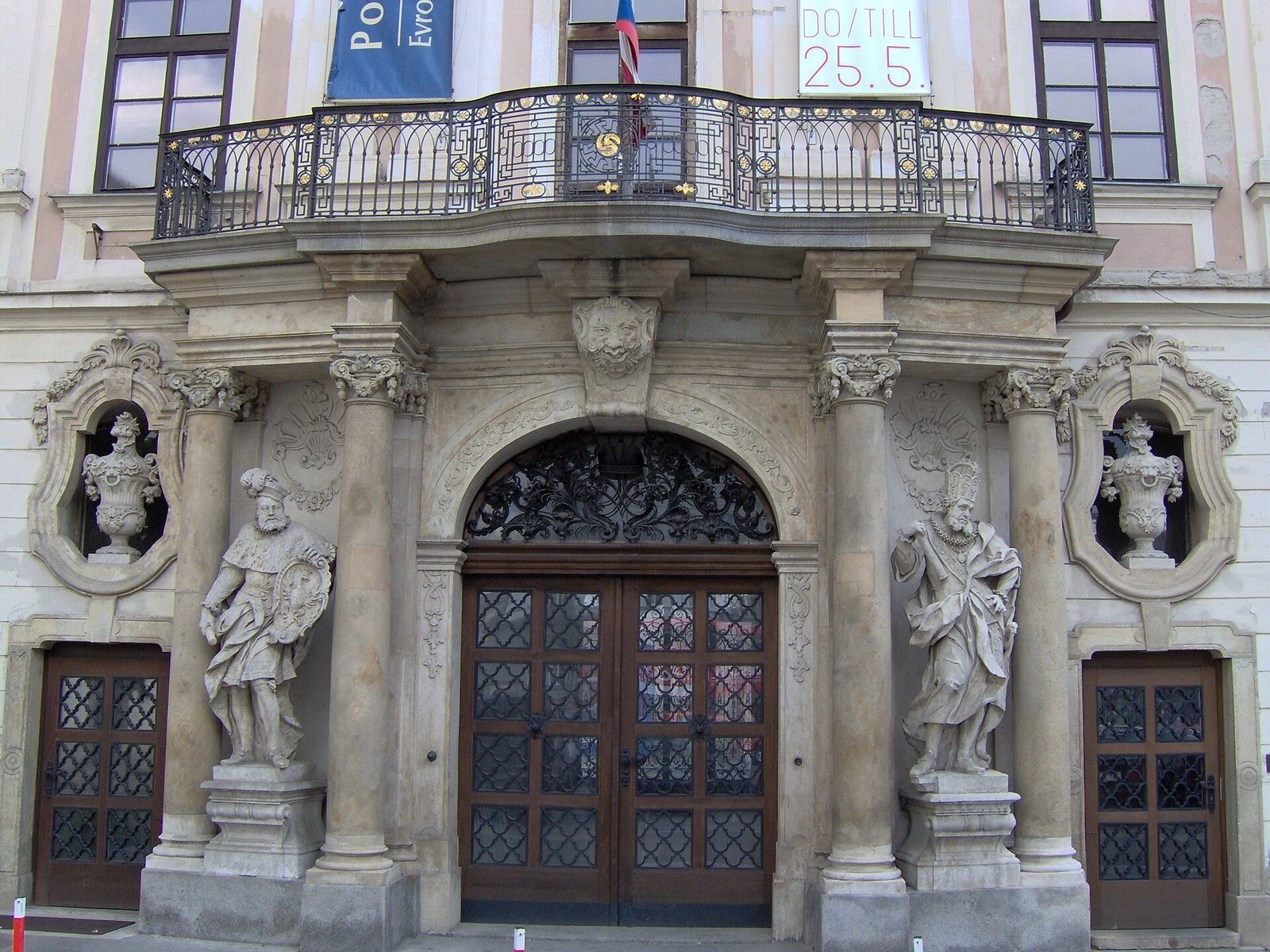
The Baroque palace stands on Moravian Square, formerly called Jošt Square, as part of the former Augustinian monastery complex. The Church of the Annunciation of the Virgin Mary and St Thomas the Apostle is immediately beside it. The palace’s ground floor contains spaces for temporary exhibitions and a Baroque Hall with capacity for 130 people; exhibition rooms occupy the first floor.
Gallery spaces and works
Permanent exhibition
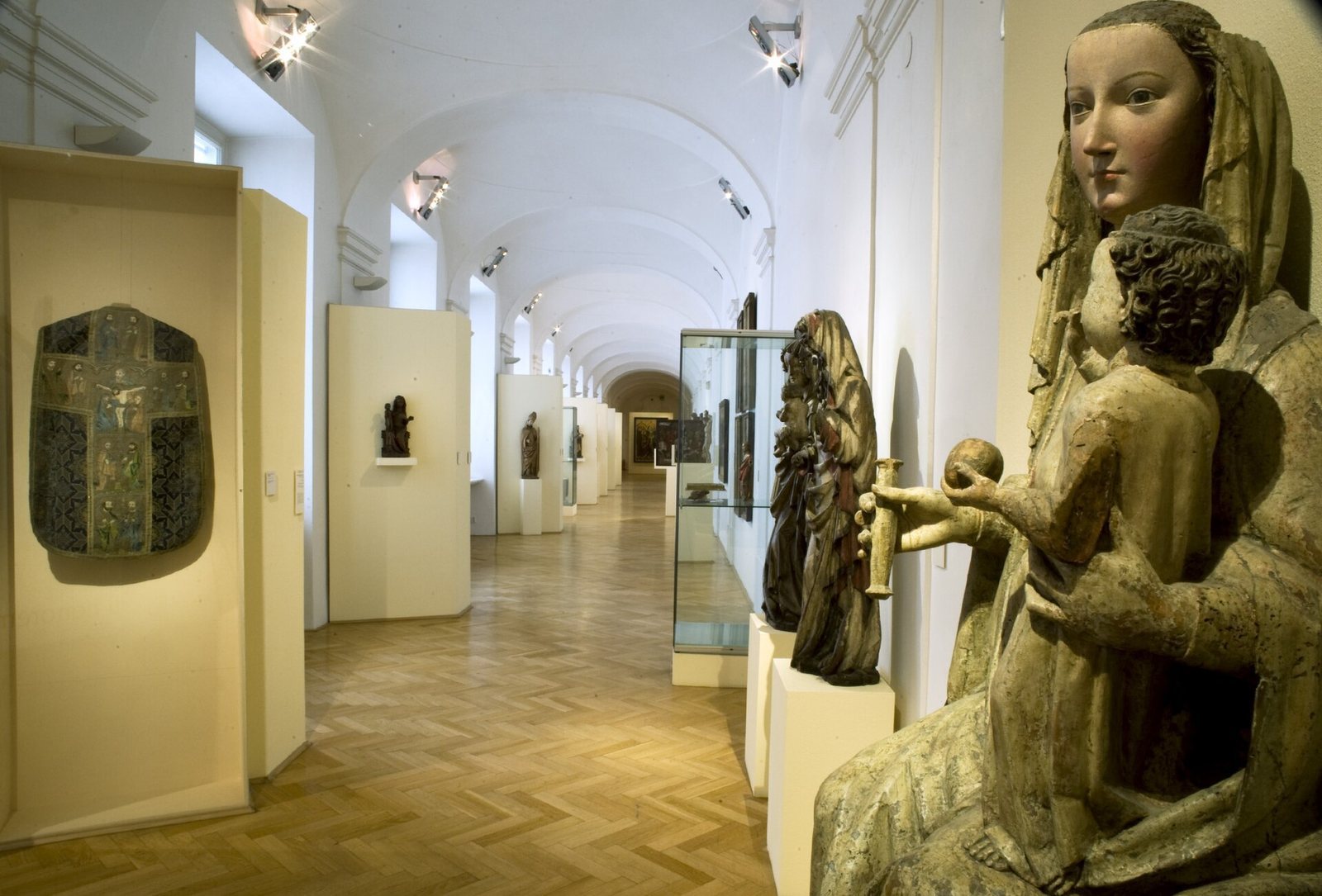
The gallery’s permanent display spans art from the Gothic period through the nineteenth century. On the first floor, Brno, Suburb of Vienna presents artistic connections between Moravia and Vienna from 1789 to 1914. Its fine art and craft displays include paintings, sculpture, works on paper, furniture, porcelain and ceramics, glass, textiles and fashion, jewellery, and cast iron. Four themes encompass Biedermeier, historicism, folklorism, and Art Nouveau, artistic and design movements of the nineteenth and early twentieth centuries.
Among the works are a painted screen by Alfons Mucha, Ladislav Šaloun’s sculpture The Devil and Kate, a chair by Adolf Loos, and furniture by Josef Hoffmann. A gallery designed for works on paper displays drawings by Viennese artists Egon Schiele and Gustav Klimt.
Susanna and the Elders
Artemisia Gentileschi’s Susanna and the Elders, painted in Naples in 1649, is also on display. It depicts a story from a religious text associated with the Old Testament: two elders try to seduce Susanna, then accuse her publicly of adultery when she refuses. The prophet Daniel saves her from death by exposing contradictions in their testimony. The subject is also linked to Gentileschi’s own experience. Agostino Tassi, who was meant to teach her painting, raped her; a lengthy trial followed and cleared her reputation.
Ride of the Kings
Joža Uprka’s large-format painting Ride of the Kings depicts a folk custom of unknown origin. Painted at Hroznová Lhota in 1897, it was made in two versions, one realist and one impressionist. The custom, once more widespread, is now maintained in Slovácko and Haná. The celebration at Vlčnov has a tradition of at least two centuries and is recognized by UNESCO as intangible cultural heritage.
Thonet chair No. 14
The exhibition includes Thonet chair No. 14, made in Vienna between 1860 and 1862 by Gebrüder Thonet. The chair became associated with Parisian cafés. Michael Thonet founded the furniture company with his five sons in 1853. Its headquarters moved to Koryčany in 1856, where industrial production began; a second factory opened at Bystřice pod Hostýnem in 1861 and was then the world’s largest furniture factory.
Entrance display
A mirror maze at the exhibition entrance, designed by Jan Plecháč and Henry Wielgus, reflects Gothic and Baroque works from the gallery’s collections. The multimedia game The Art Collector’s Adventure introduces late nineteenth-century Vienna and people associated with the city.