Temple of Bêl: A Parthian-Period Sanctuary at Dura-Europos
Site at a Glance
- Popularity
- Medium
- Country
- Syria
- Primary era
- Classical
- Eras represented
- Classical
- Civilizations
- Parthian
- Site type
- Religious
- Remains
- Temple
On this page10 sections
History
The Temple of Bêl was a sanctuary at Dura-Europos in Syria, established in the first century BCE during the Parthian period. Its foundation is attributed to local elites or Palmyrene merchants.
Parthian foundation and worship
The temple’s original divine identity is uncertain. Iarhibol, a Palmyrene deity associated with the sun, was worshipped there, while a dedication to Zeus during the Parthian period has also been proposed. Based on iconography, Ted Kaizer argued that the deity identified as Zeus represented Bêl.
The origin of Iarhibol’s name has been linked to the influence of Bêl-Marduk worship at Palmyra in 213 BCE. Bêl-Marduk refers to Marduk worshipped under the title Bêl. One proposed literal reading of Iarhibol’s name, moon of Bêl, has been connected with Jarih, a Canaanite lunar deity.
Roman rule and destruction
Under Roman rule, the sanctuary was dedicated to Emperor Alexander Severus and stood within the camp of the Twentieth Palmyrene Cohort, a Roman military unit associated with Palmyra. The Sasanian siege of Dura-Europos destroyed the temple in AD 256, after which it was abandoned.
Rediscovery and later damage
M. C. Murphy uncovered the temple paintings in 1920, and the site was later identified as part of Dura-Europos. James Henry Breasted studied the paintings and published a monograph about them in 1924. Excavation work included Franz Cumont’s seasons in 1922 and 1923 and Yale University campaigns associated with Michael Rostovtzeff and Clark Hopkins from 1929 to 1937. The temple was fully excavated.
During the Syrian Civil War, ISIS heavily looted and damaged the site.
Remains
Layout and construction
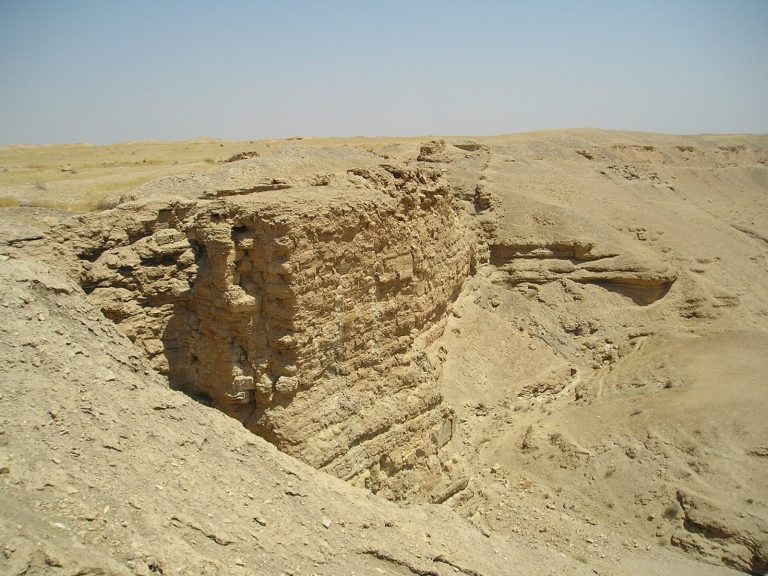
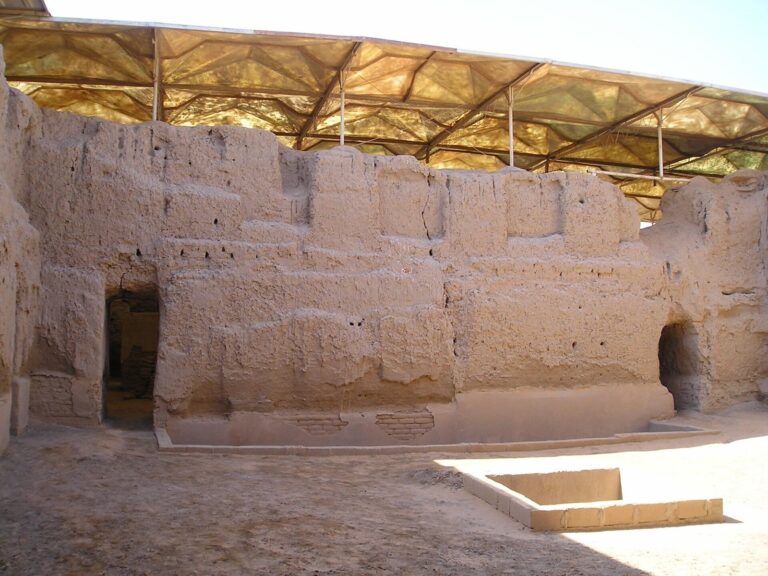
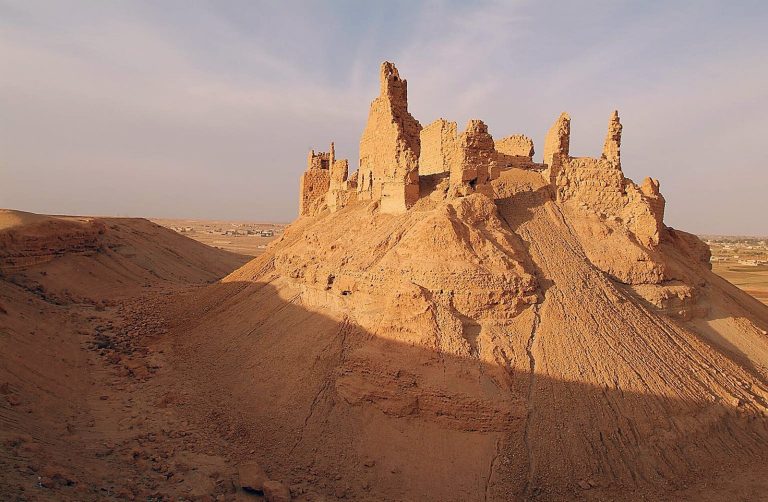
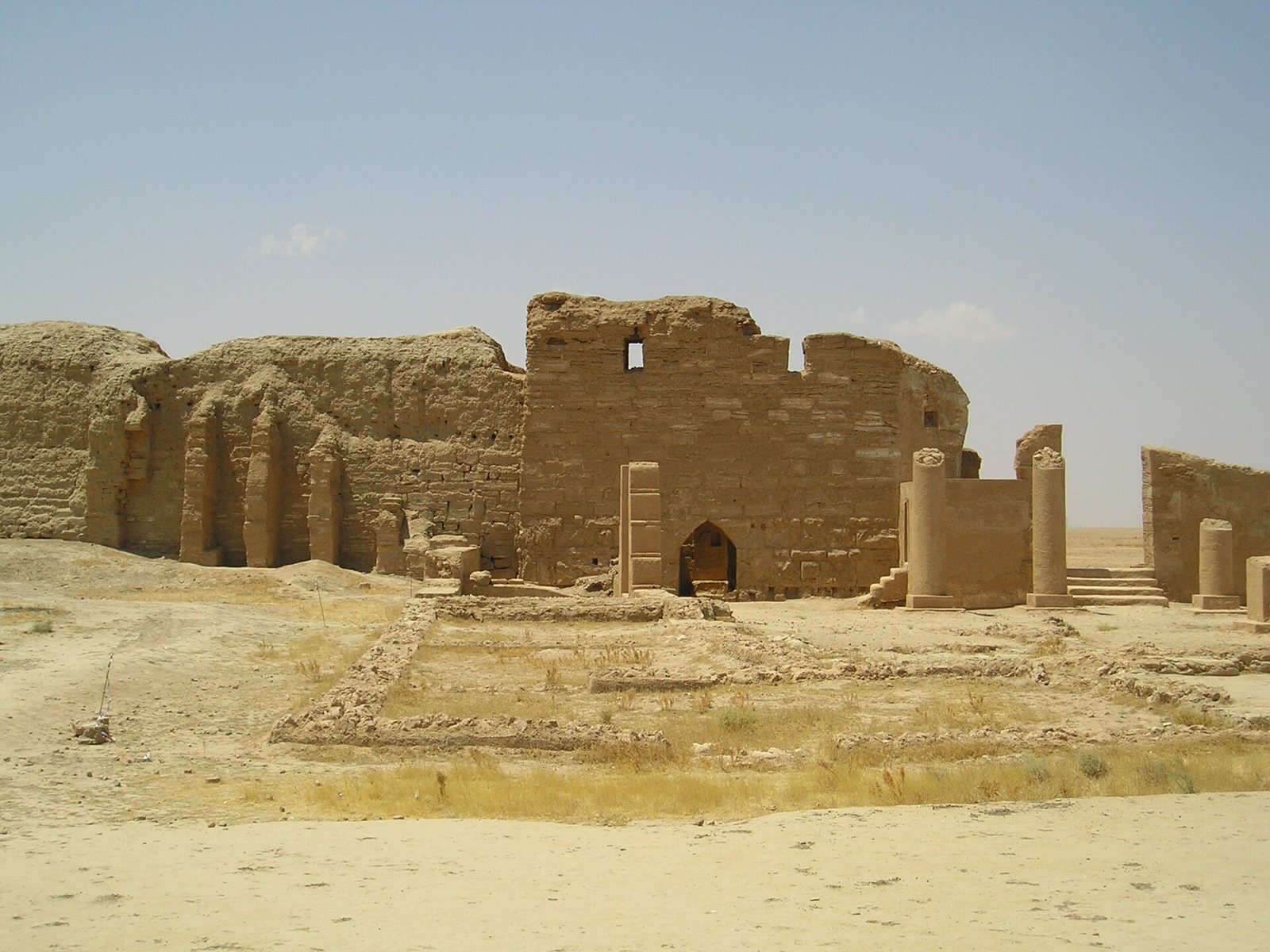
The temple occupied the northwest of Dura-Europos, against the city wall, which formed its northern and western sides. Spanning two city blocks, it had stone-and-plaster foundations and a mudbrick upper structure. At least three construction phases can be distinguished. The earliest comprised a wide room, and a vestibule was added in a later phase. The innermost sacred chamber, the Holy of Holies, stood at the west end. A courtyard lay before it, surrounded by rooms. The main entrance was on the sanctuary’s east side, roughly opposite the sacred chamber. The temple is now in ruins.
Paintings and altar
Sacrifice of Konon
The paintings in the Holy of Holies, known as the Sacrifice of Konon, date to the late first century BCE or early first century CE. They were exceptionally well preserved, with vivid colours, when uncovered. The figures face forward, and their carefully rendered features have a portrait-like quality. Small inscriptions name Konon and several generations of his descendants. The paintings were later removed from the walls and transferred to the National Museum of Damascus.
Sacrifice of Julius Terentius
The Sacrifice of Julius Terentius, a Roman-period painting dating to the period of Roman rule at Dura-Europos, AD 164-256, originally occupied the north wall of the front entrance porch. It is now in the Yale University Art Gallery. Terentius, a tribune, or Roman military officer, stands at the centre before an altar and statues of three deities. These were initially identified as the Palmyrene gods Iarhibol, Aglibol, and Malakbel. Later study identified a Roman emperor among the statues and connected the scene with the imperial cult, the religious veneration of the emperor. Two female figures below the statues represent Tyche, the personification of fortune. An inscription identifies them as the Tyche of Dura and the Tyche of Palmyra.
Altar to Iarhibol
A joint Yale-French team found an altar to Iarhibol at the temple entrance in 1928-1929. Its Greek inscription says that Scribonius Mucianus, a tribune, made the dedication at the god’s command. The inscription describes Mucianus as being of Greek descent despite his Latin name. The altar’s date is estimated at about AD 165-256.