Haimburg Castle: Ancestral Castle of the Counts of Heunburg
Site at a Glance
- Rating
- 4.5
- Popularity
- Very Low
- Country
- Austria
- Primary era
- Medieval
- Eras represented
- Medieval
- Civilizations
- Holy Roman Empire
- Site type
- Military
- Remains
- Castle
On this page5 sections
History
Origins and the Counts of Heunburg
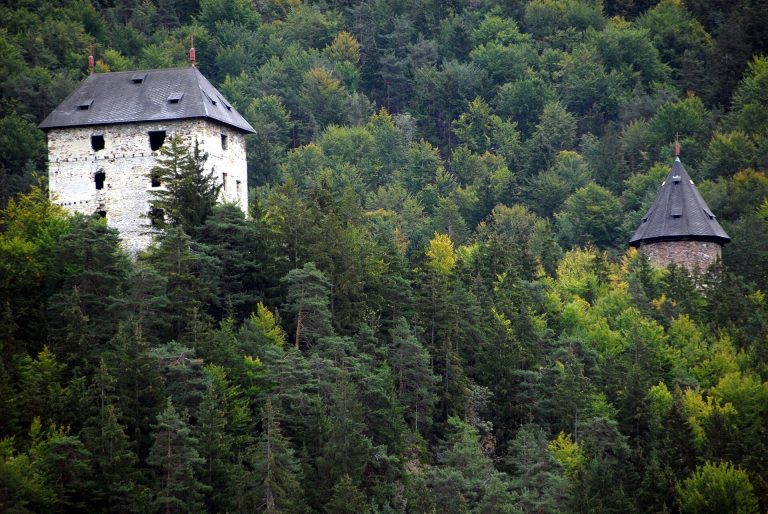
Haimburg Castle is a medieval rock castle at Haimburg, near Völkermarkt in Carinthia, Austria. Established in the 11th century as the ancestral castle of the Counts of Heunburg, a family described as originating in Saxony, it was recorded as Huneburch in 1103. The counts themselves appear in records from 1070.
Before using Haimburg, the counts lived at Rauterburg, a castle northwest of Haimburg dating to the 9th or 10th century, during the era of the Carolingian dynasty, which ruled much of western and central Europe in the 8th and 9th centuries. After the Migration Period, a time of population movements and resettlements across Europe from late antiquity into the early Middle Ages, the region south of the Drava River formed a center of power stretching from Griffen to Brückl. Castles in the area helped protect local people from the Avars, a people who established a powerful state in Central Europe.
Changing Lordship
The Counts of Heunburg became an important Carinthian family in the 12th and 13th centuries. In 1293, Count Ulrich III was defeated by the Habsburgs at the Battle of Wallersberg. The family’s male line ended in 1322, and its estate passed to the Counts of Pfannberg. Johann, the last Pfannberg representative, died in 1362, after which Haimburg passed to the Counts of Gorizia. The castle came to the Habsburgs in 1460 after the Peace of Pusarnitz, a treaty between the Habsburgs and the Counts of Gorizia, and entered the imperial domain.
Later Use and Restoration
In 1623, Ferdinand II, a Habsburg ruler and Holy Roman Emperor, sold Haimburg. It subsequently had several owners and remained inhabited until the late 18th century, despite damage caused by a fire in 1749.
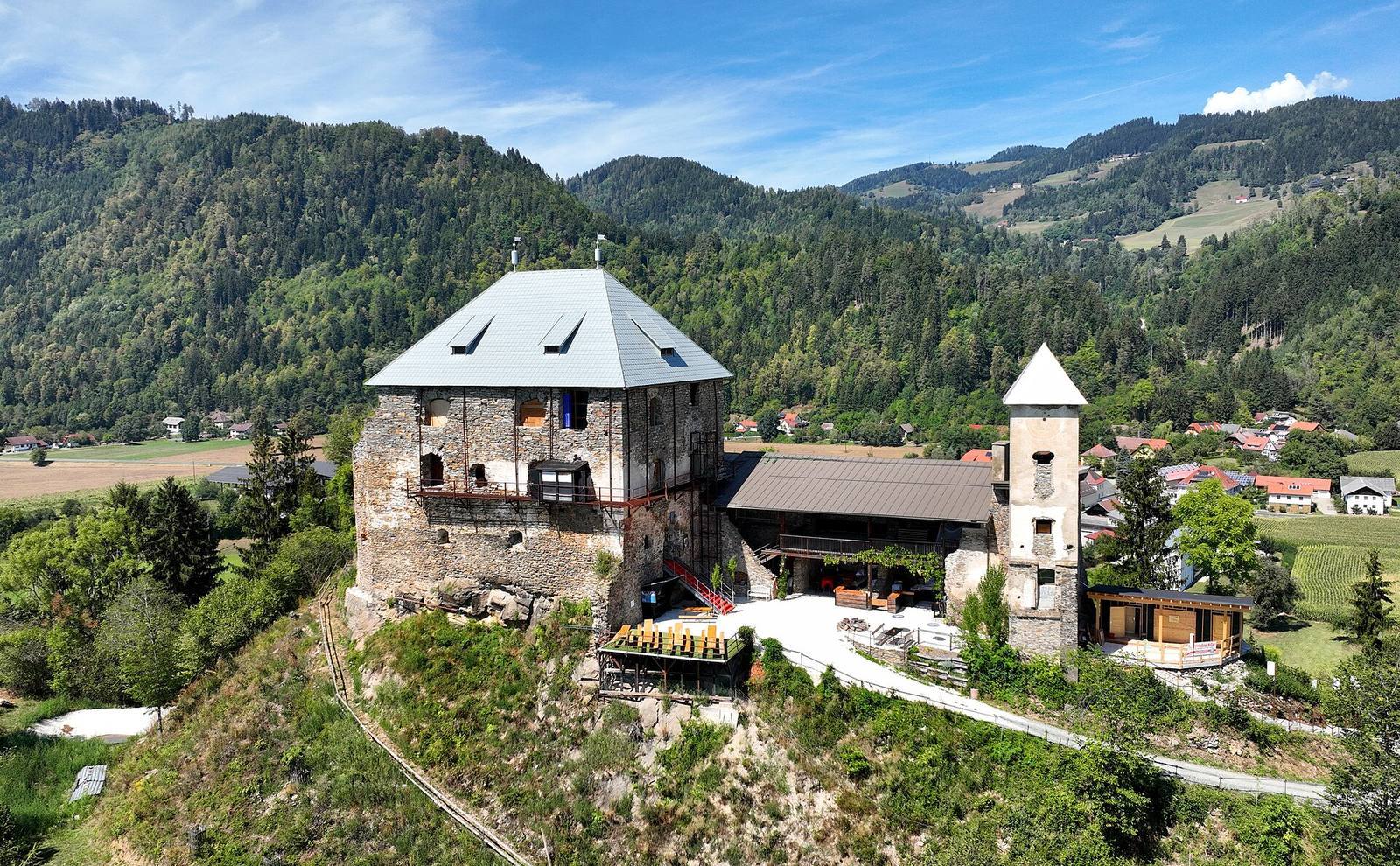
By the early 1990s the privately owned castle was in very poor condition. The Rettet die Heunburg association began repair and restoration work in 1990. Theater k.l.a.s. presented summer performances there from 1995 to 2009; since 2011, the Heunburg Theater has staged summer performances at the castle.
Remains
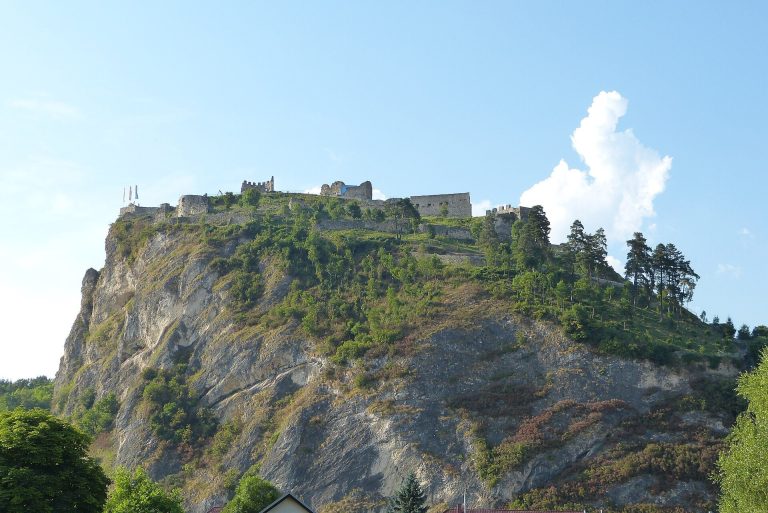
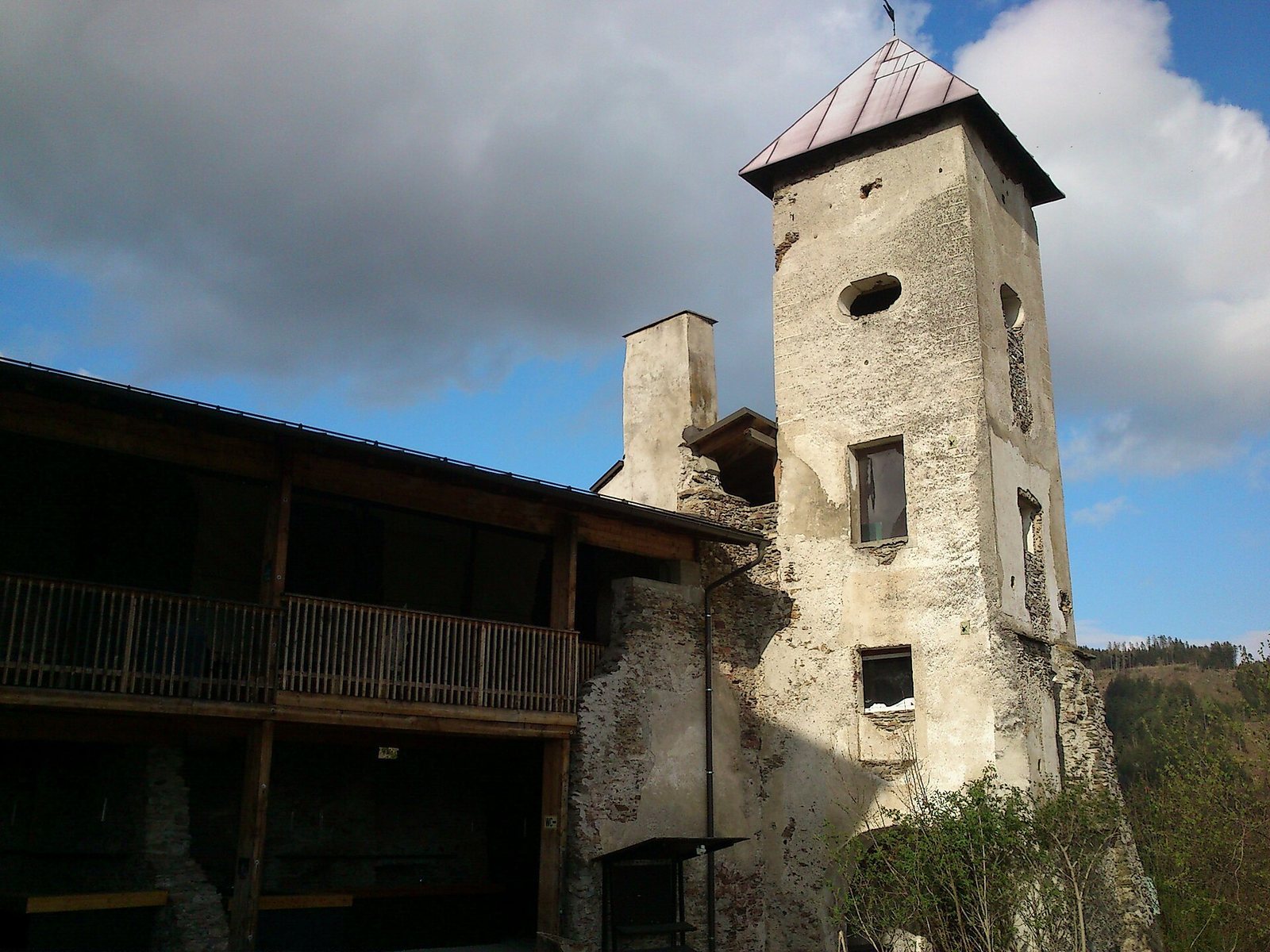
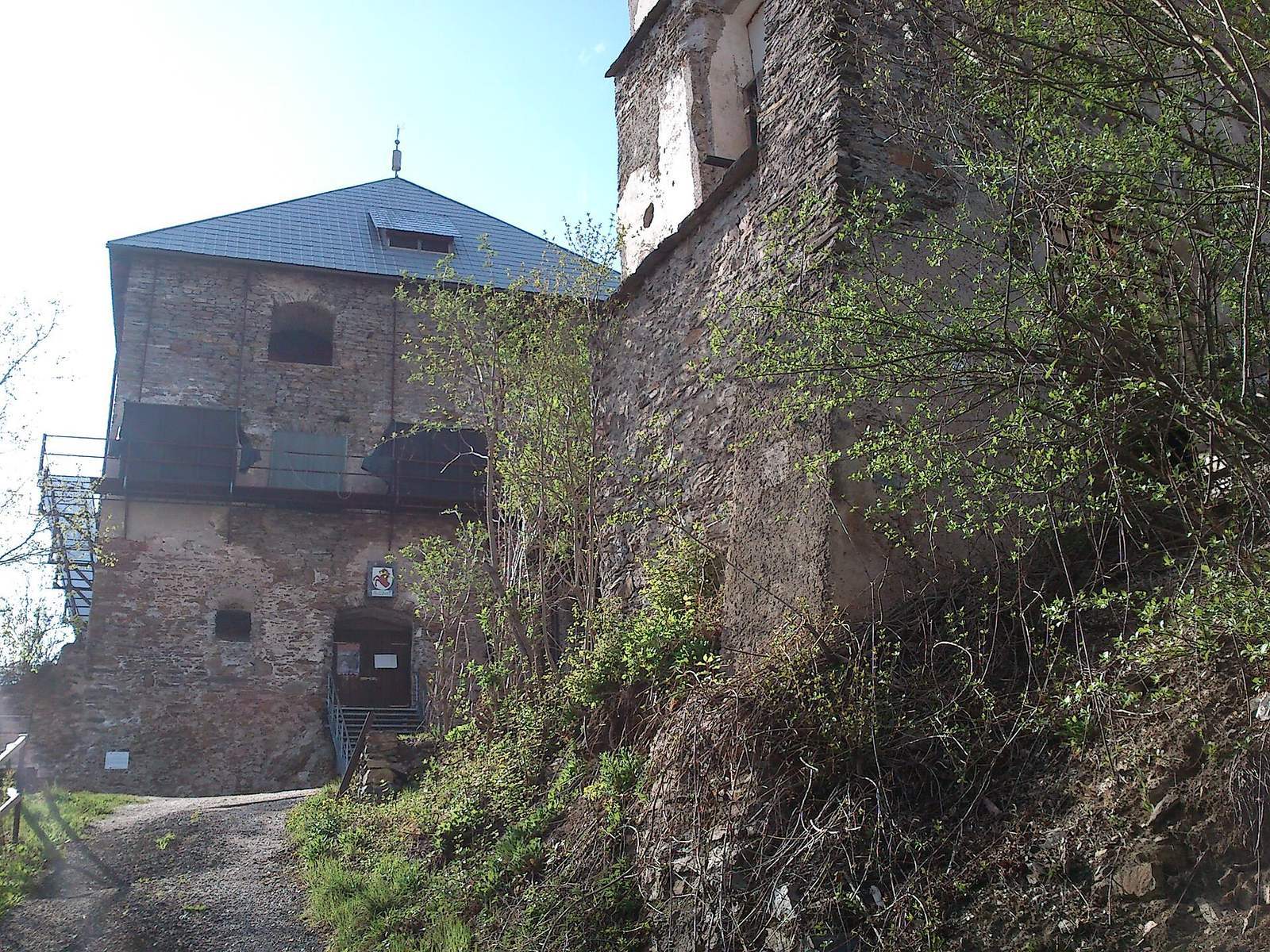
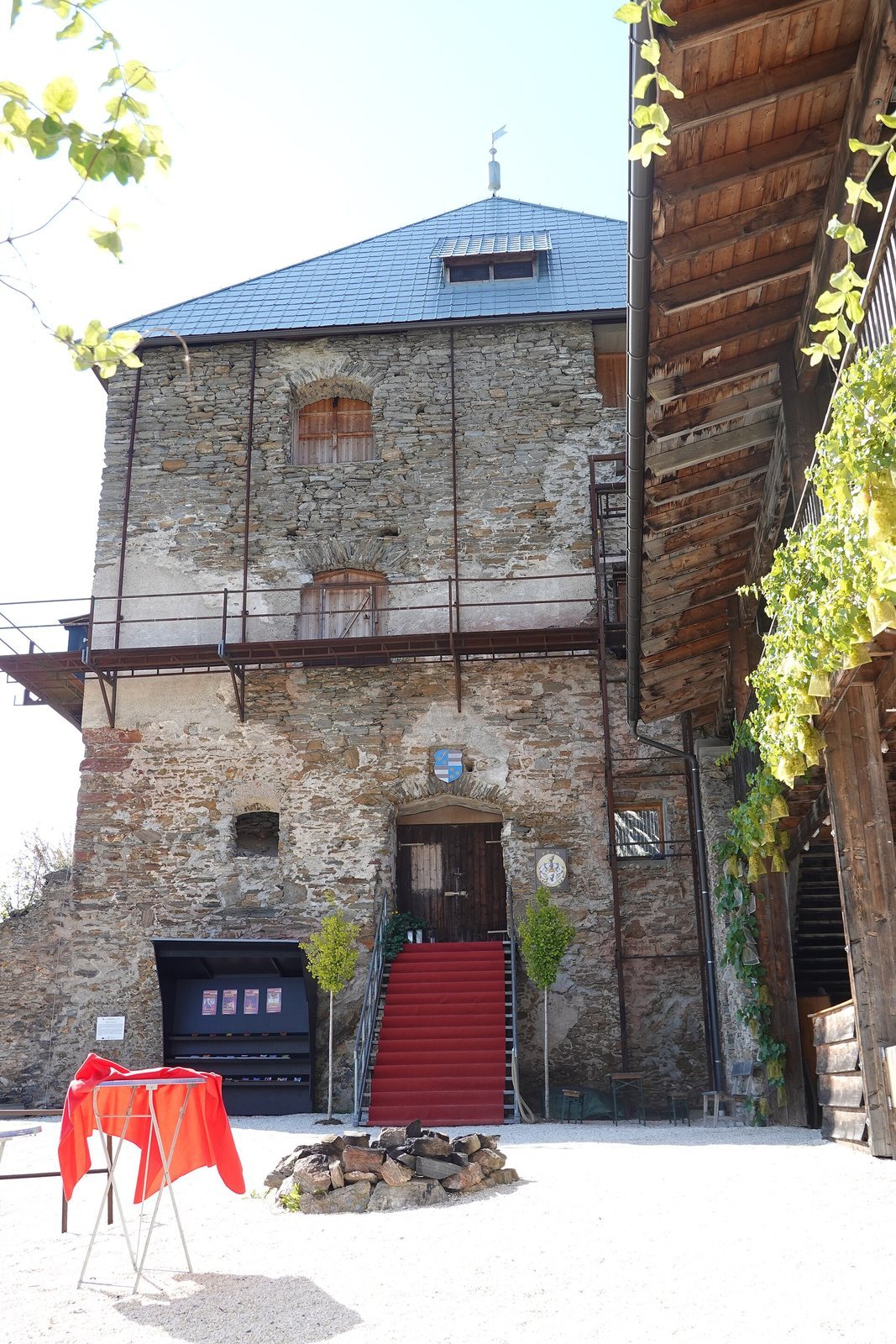
The castle stands on an isolated shale outcrop where the Diexer stream curves into the Jauntal plain. The original gate tower and parts of the palas, the castle’s principal residential hall, survive in their original condition. A former chapel occupies the western part of the complex and was dedicated to Saint Alexius, a Christian saint whose traditional legend centers on renouncing worldly life.
Finds associated with Haimburg come from the Neolithic, Celtic, and Roman periods. The area also bears evidence of interaction between the local population and Germanic and Slavic groups.