House of Cordón: A Fifteenth-Century Gothic Palace in Vitoria-Gasteiz
Site at a Glance
- Popularity
- Medium
- Country
- Spain
- Primary era
- Medieval
- Eras represented
- Medieval
- Civilizations
- Crown of Castile
- Site type
- Domestic
- Remains
- Elite Residence
On this page7 sections
History
Fifteenth-century construction
The House of Cordón is a fifteenth-century palace in Vitoria-Gasteiz, Spain, built in the secular Gothic style by Juan Sánchez de Bilbao, a merchant of Jewish origin who converted to Christianity. It replaced older medieval houses and was built around an earlier tower belonging to the Gaona family.
Royal and papal connections
The palace served as a temporary residence for Philip the Handsome, a Habsburg prince, and his wife, Joanna I of Castile. In 1522, Adrian of Utrecht, later Pope Adrian VI, learned there that he had been appointed pope. The appointment had taken place 13 days earlier.
Adrian remained in Vitoria for a little over a month, acting as regent of Spain and preparing the Kingdom of Navarre to defend against a French invasion.
Modern use and protection
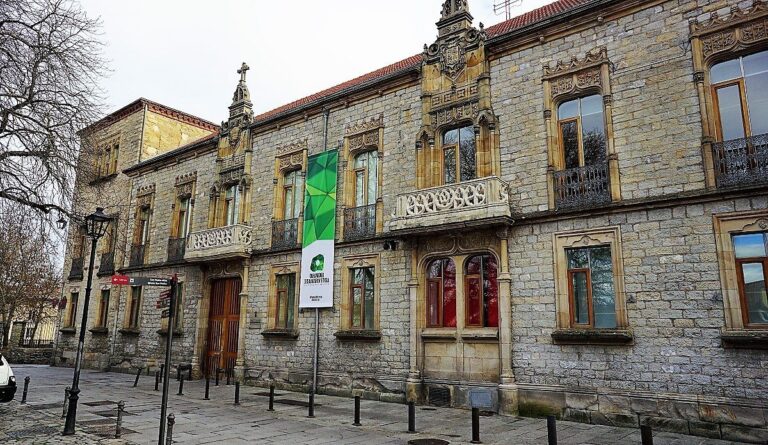
After extensive rehabilitation, the building came to house educational exhibitions and serve as the seat of Fundación Vital Fundazioa. Spain designated it an Asset of Cultural Interest in 1984.
Remains
Palace and entrances
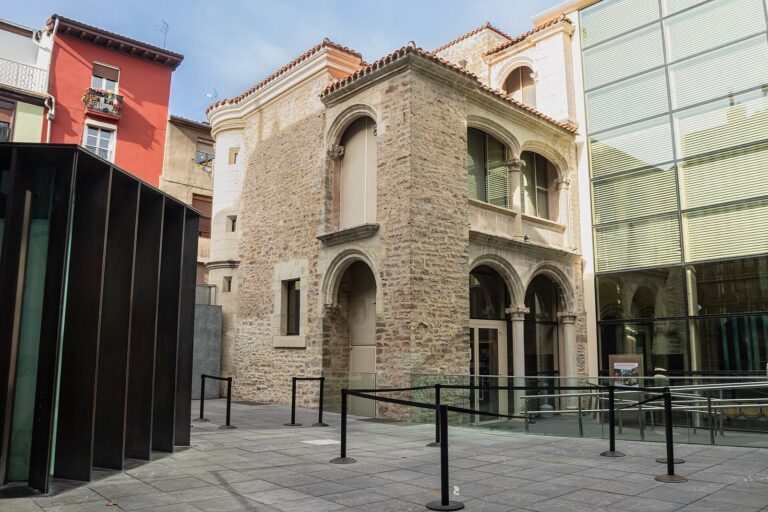
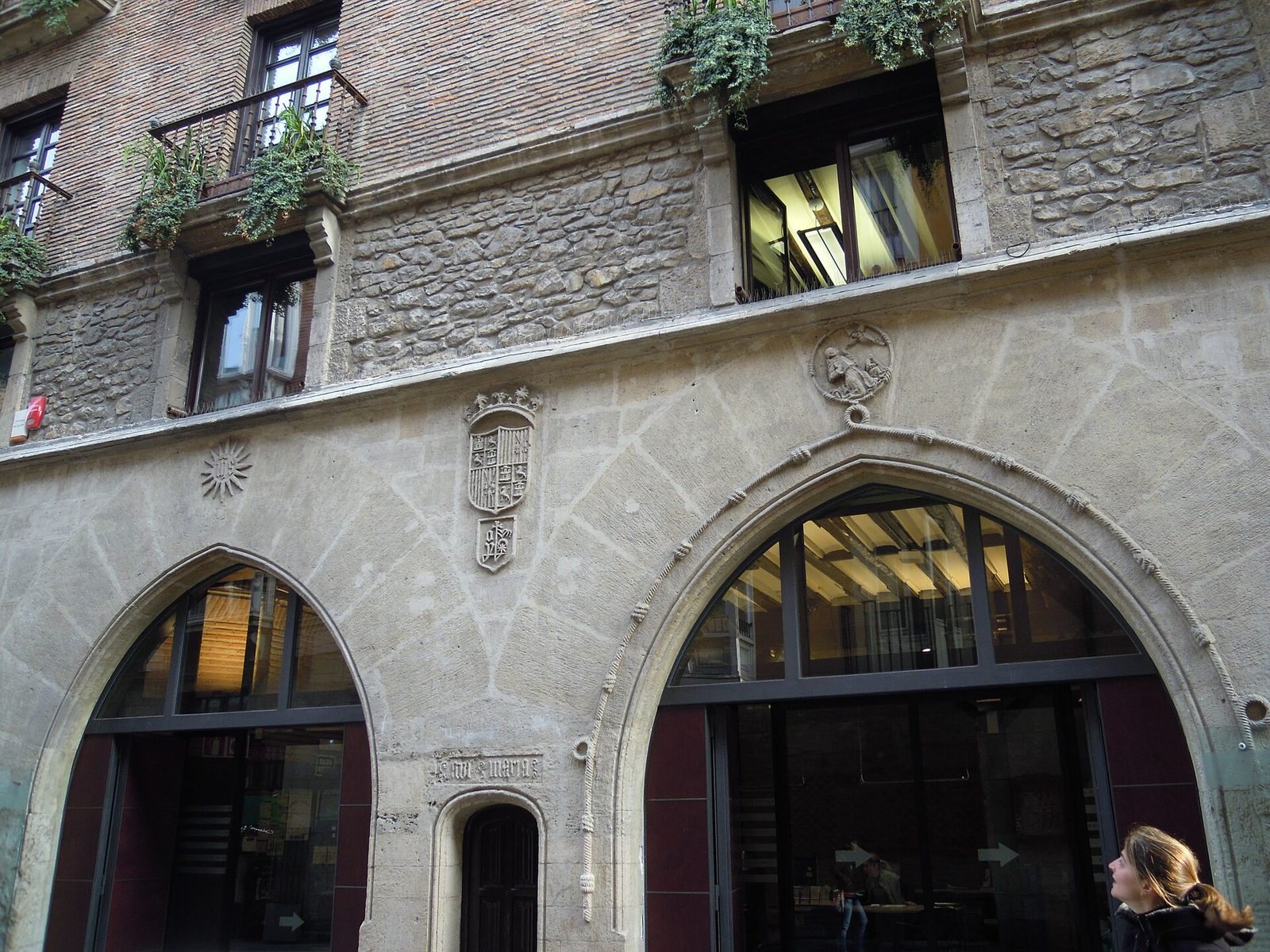
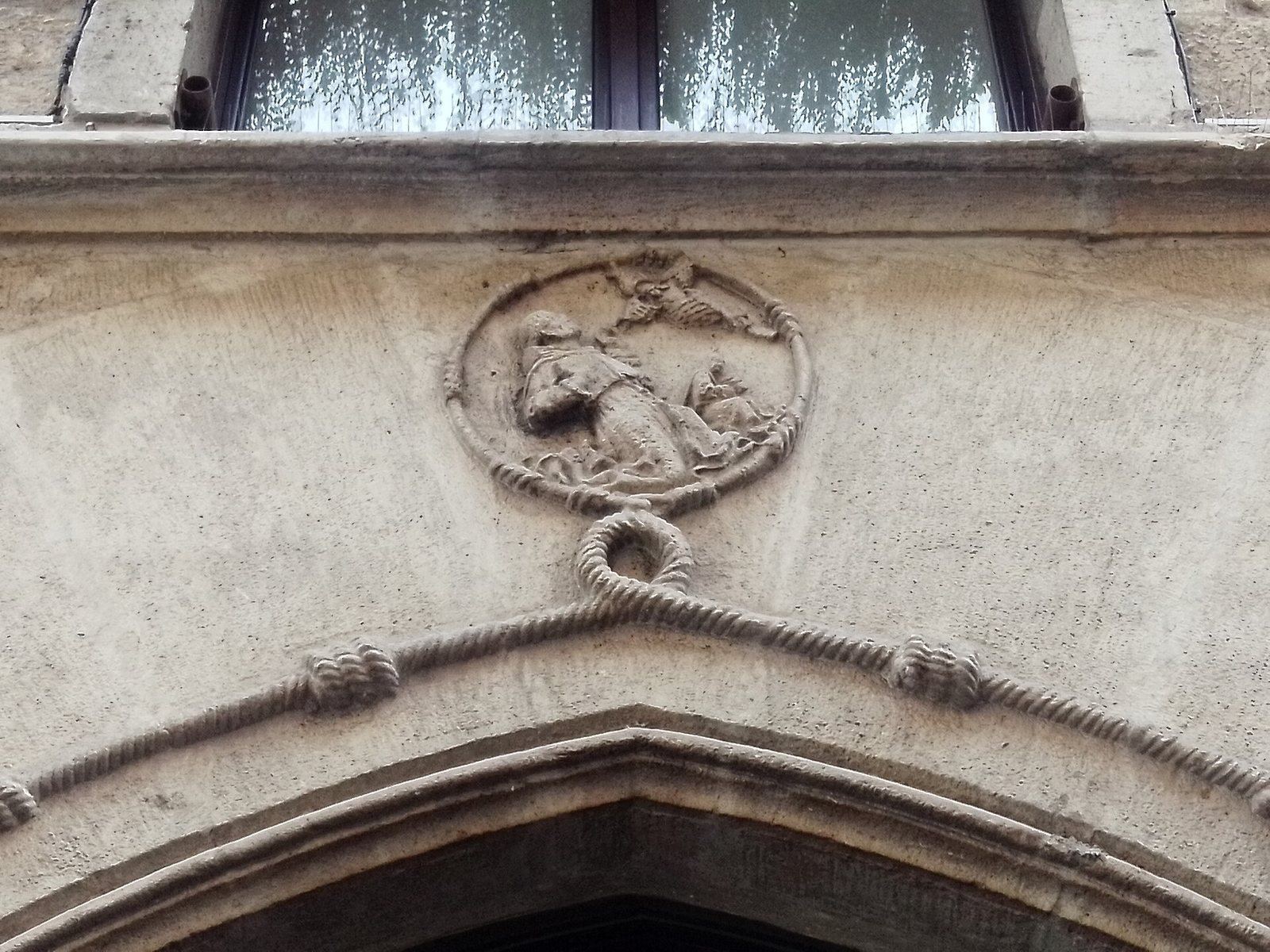
The monumental palace is an example of secular Gothic architecture on Cuchillería Street in Vitoria-Gasteiz’s Old Quarter. It has two matching entrances. The building’s name refers to the Franciscan cord set on the arch of one entrance. Members of the Franciscan Order traditionally wore a cord as part of their habit.
Gaona tower and hall
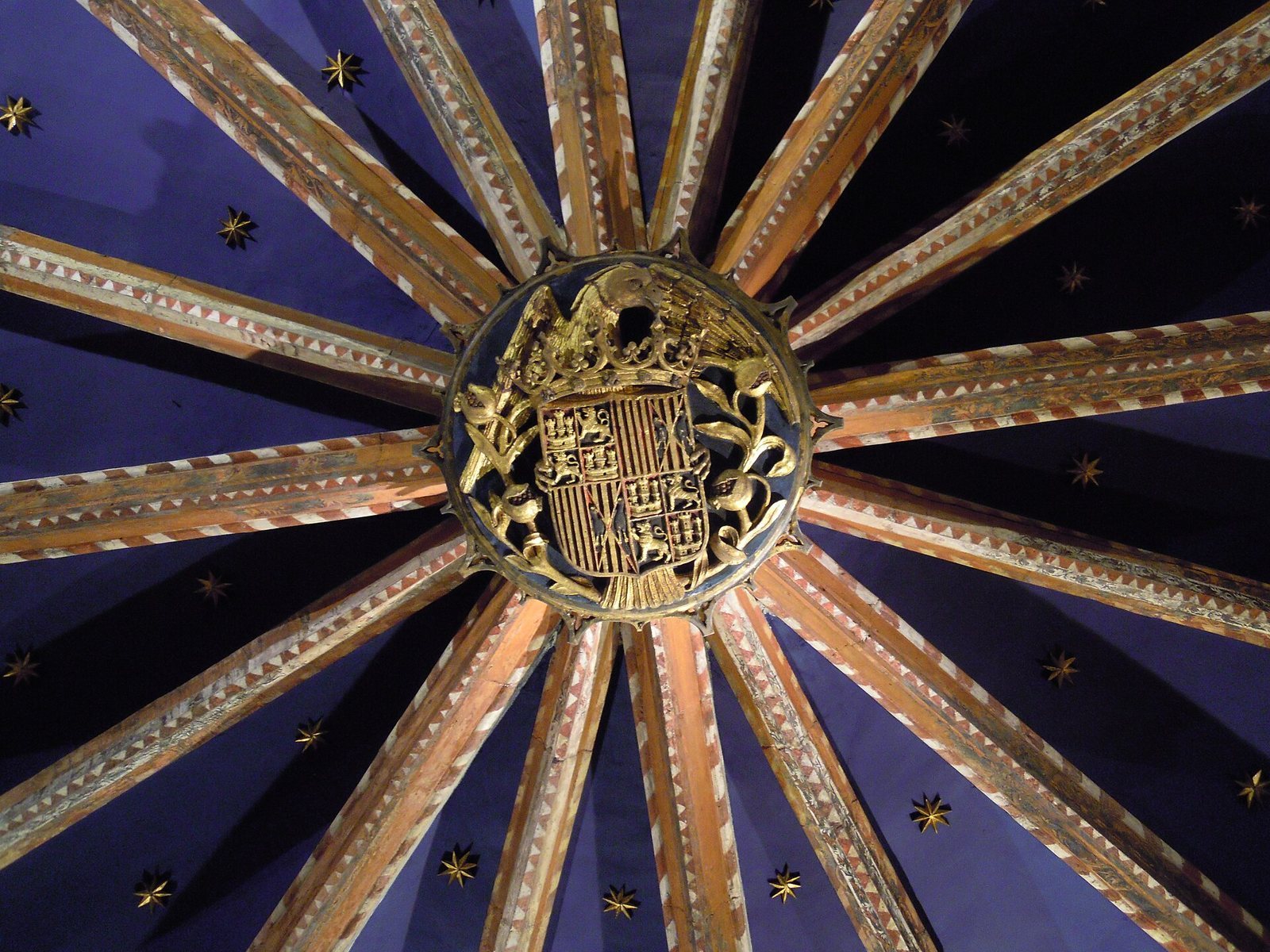
Enclosed within the palace is a thirteenth-century tower house associated with the Gaona family. Its first two floors remain within the later building. The tower’s noble hall is covered by an intact star-shaped vaulted ceiling with multicolored decoration.