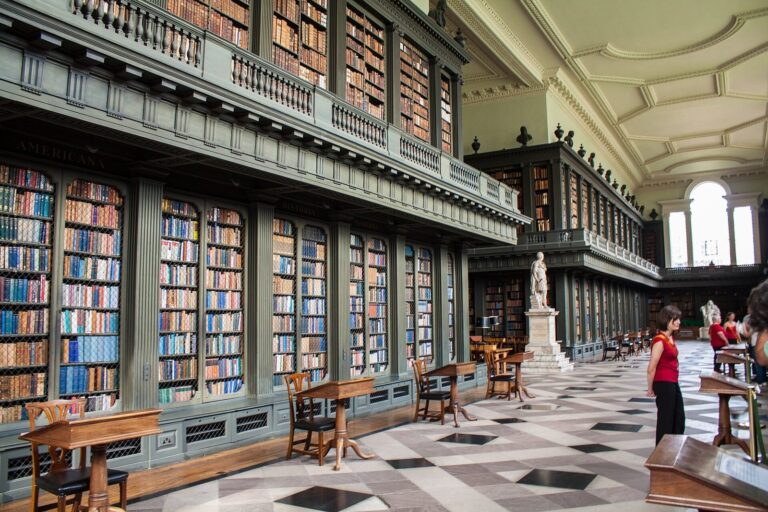
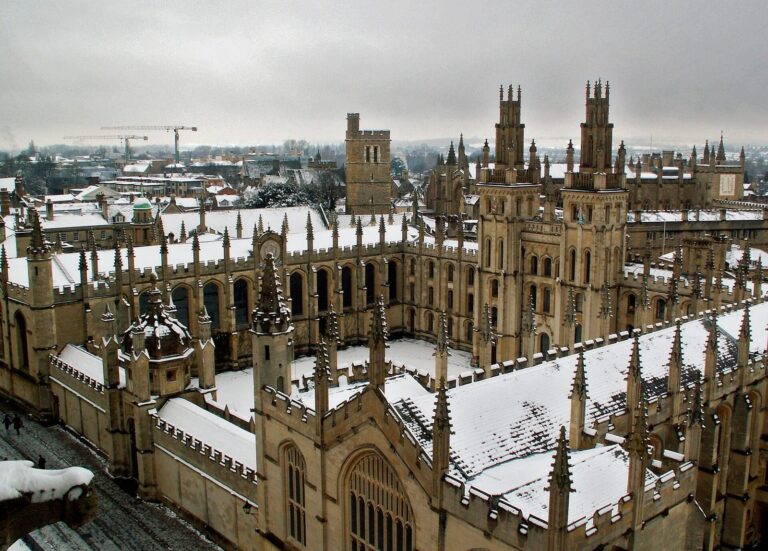
St Cross Church: Medieval Parish Church and Balliol Collections Centre in Oxford
Site at a Glance
- Rating
- 4.4
- Popularity
- Very Low
- Country
- United Kingdom
- Primary era
- Medieval
- Eras represented
- Medieval, Modern
- Civilizations
- British, English, Norman
- Site type
- Religious
- Remains
- Church
On this page10 sections
History
St Cross Church is a medieval church in Oxford, United Kingdom, whose nave was built around 1160 and whose later work includes Gothic Revival, the 19th-century reuse of Gothic forms. It developed from a dependent chapelry into a Church of England parish church and now houses a Balliol College collections and research centre.
Origins and parish role
The church’s exact foundation date is unknown. Tradition places its beginnings around 890 and associates them with St Grimwald, a medieval monk and saint, but this early origin is not established. Archaeological investigations in 2009 found no evidence of a pre-Norman church. St Cross served as a chapelry, a chapel for a district that remained dependent on a parish church, of St Peter-in-the-East before later becoming a parish church in its own right.
Church life and change of use
After attendance declined, the Holywell Parochial Church Council unanimously agreed in February 2008 to let Balliol College develop a purpose-built collections repository and research facility in the church. Weekly services ended when the church closed on 12 October that year.
The conversion was completed in 2011. St Cross was not deconsecrated, and the 999-year lease requires the chancel, the eastern part of the church used for services, to be maintained for occasional worship. Holywell parish was transferred to the University Church of St Mary the Virgin; Oxford was St Cross’s former diocese. The new centre brought Balliol’s records and collections together, allowing the College Library to expand its services at its main Broad Street site. St Cross became the third Oxford University library established in a former church, after All Saints at Lincoln College and St Peter-in-the-East at St Edmund Hall.
The church is Grade I listed, a category for buildings of exceptional interest in England. An associated wall has Grade II listing, for buildings of special interest.
Burials and associations
John Stainer (1840–1901), a composer and professor of music at Magdalen College, served as churchwarden and was buried in Holywell Cemetery. The church is the burial place of clockmaker and former Oxford mayor John Knibb (1650–1722), his wife and four daughters, and Sir John Snell, who was buried there in 1679. Snell founded the Snell Exhibition scholarship, which links Balliol College with the University of Glasgow. Holywell Cemetery also holds the graves of Balliol Masters James Leigh Strachan-Davidson and Arthur Lionel Smith, who died in office in 1916 and 1924 respectively, and of author Charles Williams, his wife Florence, and their son Michael.
Remains
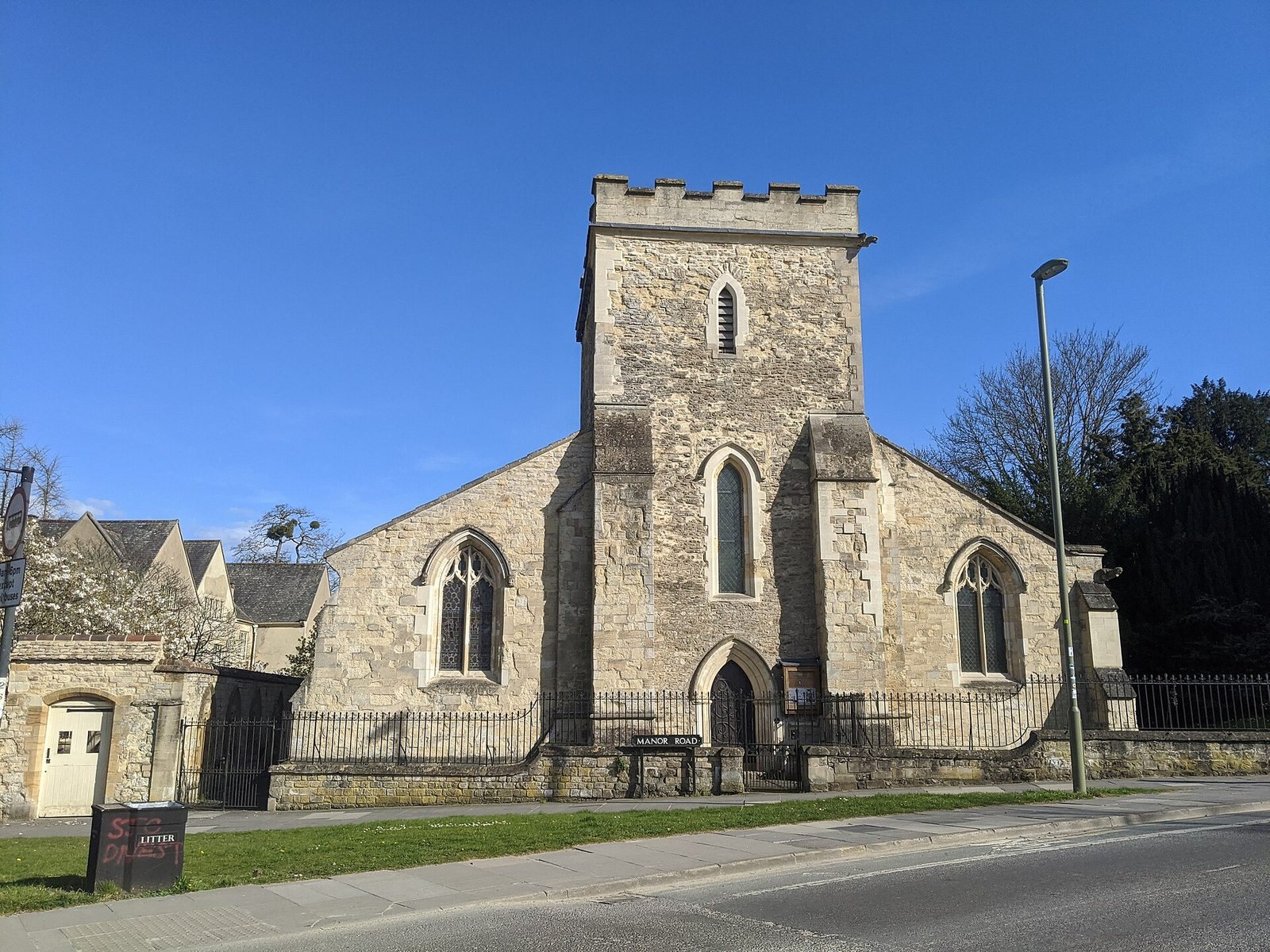
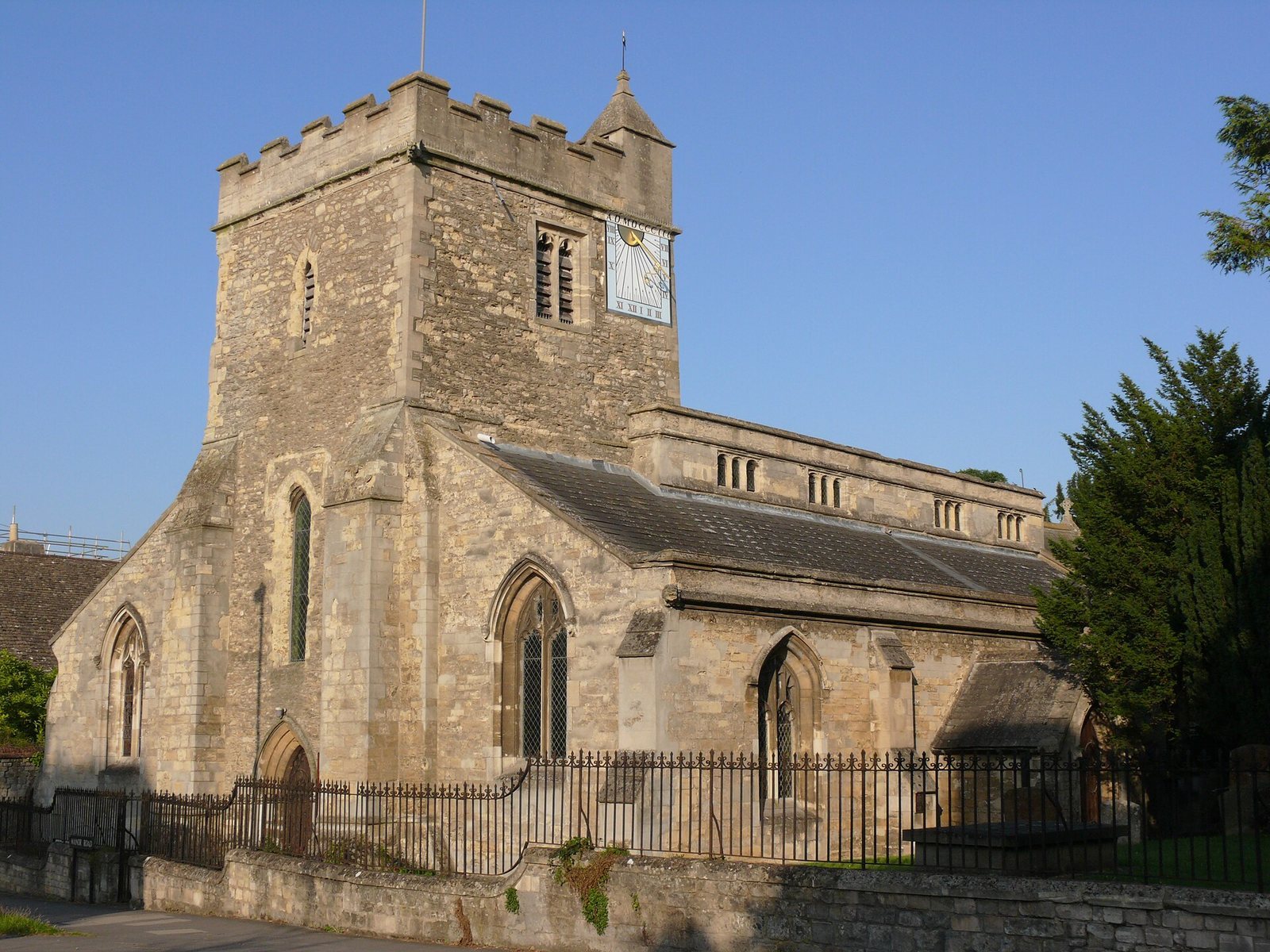
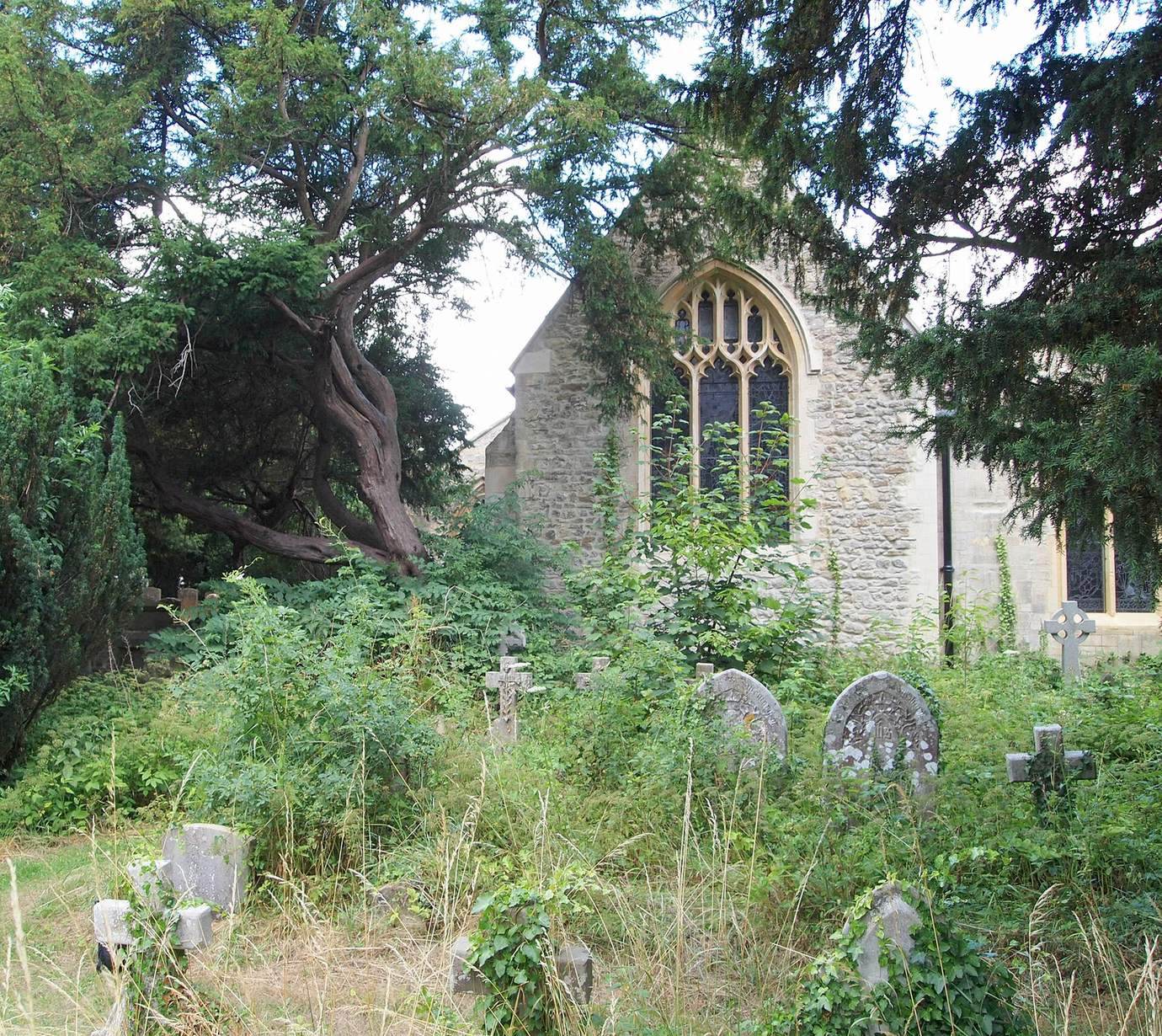
St Cross stands on St Cross Road at its junction with Manor Road, just south of Holywell Manor and northeast of Oxford city centre; Holywell Cemetery lies behind the church. Its plan includes a nave, the main body of the church, side aisles, a chancel and a tower. Medieval fabric and later Gothic Revival alterations contribute to the building’s present form.
Medieval fabric
The chancel arch dates from the late 11th or early 12th century, while the nave was built around 1160. The tower and aisles were added in the 13th century. In the mid-15th century, the north arcade, a series of arches, and the north aisle were rebuilt; the tower’s upper stage was reconstructed in 1464.
Later architectural work
The north aisle, apart from its western end, was rebuilt in 1839, and the south aisle followed in 1843 to designs by J. M. Derick. Some windows retain Perpendicular Gothic work, a late-medieval English style marked by strong vertical lines, while others reflect the Gothic Revival. George Edmund Street designed the north aisle’s west window in 1855. It was later moved, and architectural historian Nikolaus Pevsner called it “garbled.” Hardman & Co. made the chancel’s east window in 1874. In 1876, Henry James Tollit designed an organ chamber and vestry, a room for clergy and church use, extending the north aisle. E. P. Warren directed a 1893 restoration that added clerestory windows, a high row of windows above the main body of the church. The tower was repaired in 1908.
Converted interior and collections
Interior alterations
Some fittings were removed during the conversion, including the organ, which was transferred to a church in Ireland. Memorials remain in or as near as possible to their pre-2008 positions. The font was moved from near the south door to the north side of the chancel step, and the south aisle was adapted to hold a repository unit. The bells remain in the tower but cannot be rung.
Balliol collections
The centre brings together Balliol College’s administrative records, personal papers of former Masters, fellows and students, manuscripts, early printed books and other special collections. Much of the medieval book collection comes from the College’s own medieval library rather than later antiquarian acquisitions, and its size is comparable to some collections at newer foundations. The manuscripts include Balliol MS 317, which dates to around 1170 and has belonged to the College since 1276. Early printed holdings include incunabula, books printed in Europe before 1501. The centre also provides modern research facilities.