Gnadenthal Monastery: A Cistercian Nunnery and Lutheran Women’s Foundation
Site at a Glance
- Popularity
- Medium
- Country
- Germany
- Primary era
- Medieval
- Eras represented
- Medieval, Early Modern, Modern
- Civilizations
- German, Holy Roman Empire
- Site type
- Religious
- Remains
- Monastery
On this page11 sections
History
Gnadenthal monastery is a former Cistercian nunnery in Germany, established in 1235 for women from the Cistercian house at Heilsbruck. The Cistercians were a Catholic monastic order whose communities followed the Rule of Saint Benedict. Gnadenthal was founded chiefly to provide for the daughters of its noble founders.
Foundation and Cistercian community
A deed dated 30 November 1235 records that Petrus von Dorndorf, Kuno von Reifenberg, and their wives granted land and rights to nuns from Heilsbruck for the new convent. Its initial endowment included property at Lindenholzhausen and Dauborn, along with the right to nominate or appoint the clergy of the church at Lindenholzhausen. Other nobles added property and rights, and in 1260 the convent received the same church appointment right at Dauborn.
The community numbered about 50 nuns, as well as lay brothers, who undertook practical and economic work. Many of the nuns came from lower-noble families in the region. From the 14th century, women from merchant families in Frankfurt and Limburg also joined, extending admission beyond the nobility.
Economic growth and strain
Around the turn of the 14th century, Gnadenthal faced financial difficulty. In the decades that followed, it expanded its holdings in the Golden Ground, a region in central Hesse, as well as in the Wetterau and Taunus. The convent acquired property through gifts, purchases, and exchanges, held houses in Frankfurt, and operated granges, or monastic farming estates. Its work included sheep raising, forestry, milling, and workshops, managed by lay brothers.
Gnadenthal maintained close ties with Marienstatt Abbey. Its abbots repeatedly served as father abbots, with a supervisory relationship to the convent, and acted as confessors, witnesses, and legal representatives. From the late 14th century, Eberbach Abbey took on these roles for about a century, and its abbots visited Gnadenthal. Marienstatt later regained its influence.
The monastery’s finances worsened in the 15th century, bringing heavy debts and disputes over property. In 1513, the Counts of Diez ordered an internal reform. It appears to have achieved only partial success, as Gnadenthal’s links with Marienstatt continued.
Lutheran foundation under Nassau
After the County of Diez was divided in 1564 between the Counts of Nassau and the Electorate of Trier, Gnadenthal came under Nassau. In 1567, the community adopted Lutheran teaching and left the Cistercian order. It became a Protestant women’s foundation, distinct from a monastic order, and educated noble girls from the Taunus and Westerwald. Connections with the still-Catholic Marienstatt continued.
Abandonment and modern revival
The Thirty Years’ War, a major European conflict fought from 1618 to 1648, devastated and depopulated Gnadenthal. The community abandoned the site in 1634, after which successive tenants used it as a state estate. In 1936, under the Nazi regime, the estate was divided into eight agricultural holdings and two holdings for farm laborers.
In 1969, the ecumenical Jesus Brotherhood acquired part of the former monastery grounds and established a center there. Ecumenical life brings together Christians from different churches and denominations; members retain their own affiliations. The community includes families and celibate women and men, and follows a shared rhythm of prayer and work. Reconstruction of the historic complex began in 1984. The Brotherhood’s revival of the village and monastery received the Hessian Monument Preservation Award in 1993, and the community received the Limburg-Weilburg district’s environmental award in 1998.
The buildings are protected as historic monuments and have also been covered by the Hague Convention, an international agreement protecting cultural property during armed conflict, since 2009. The community operates a publishing house and an agricultural enterprise following Bioland organic-farming standards.
Remains
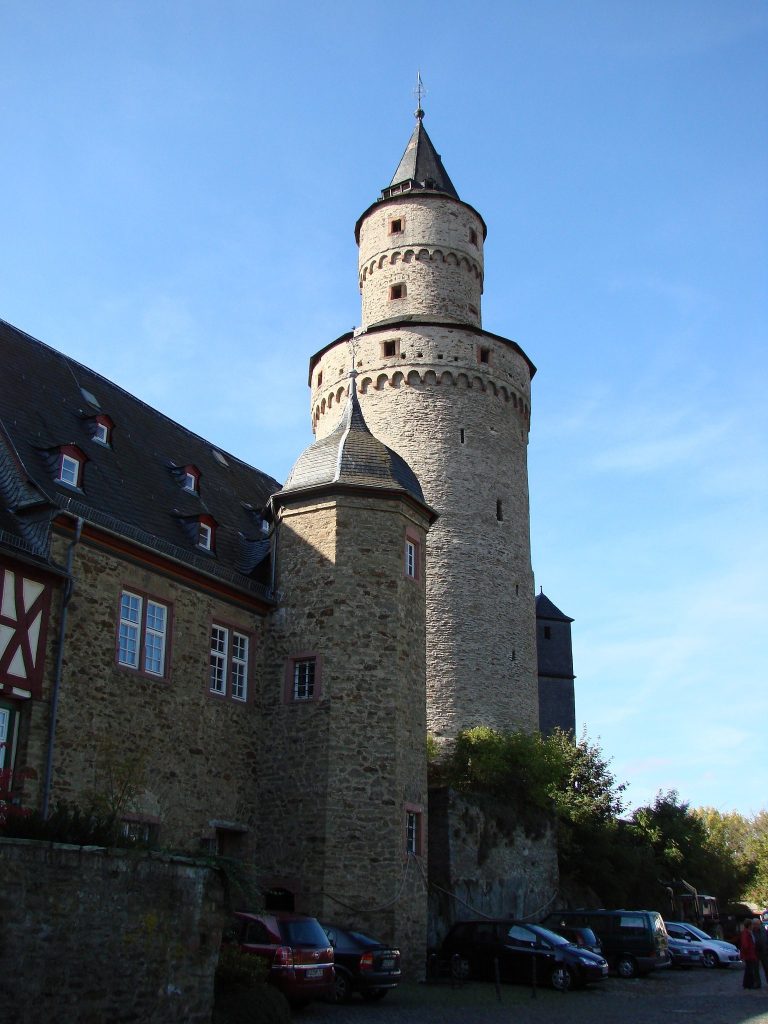
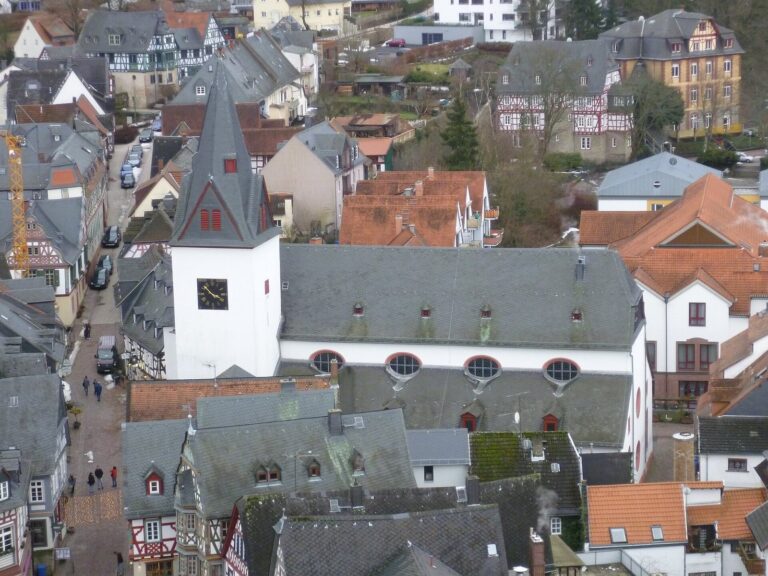
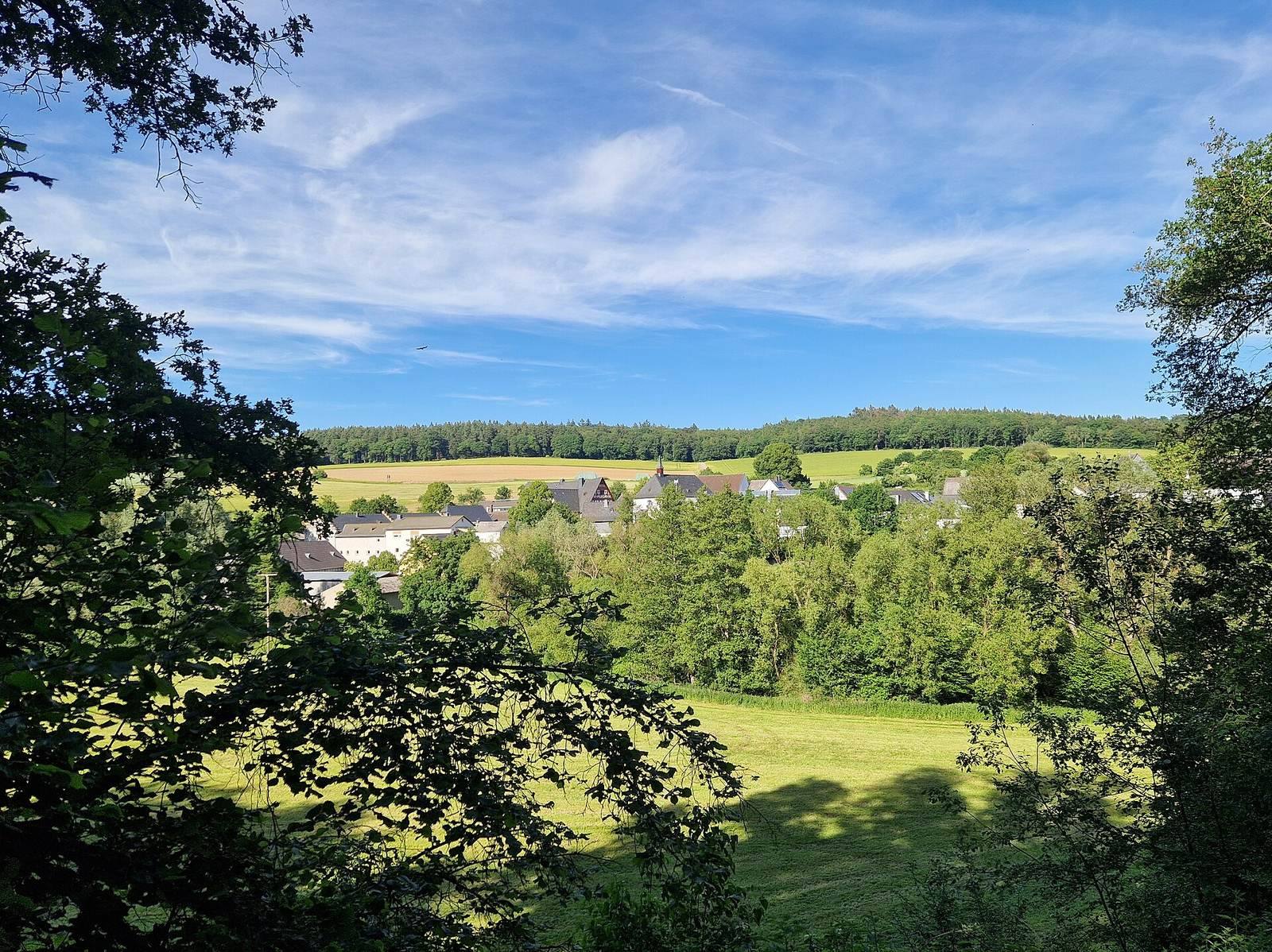
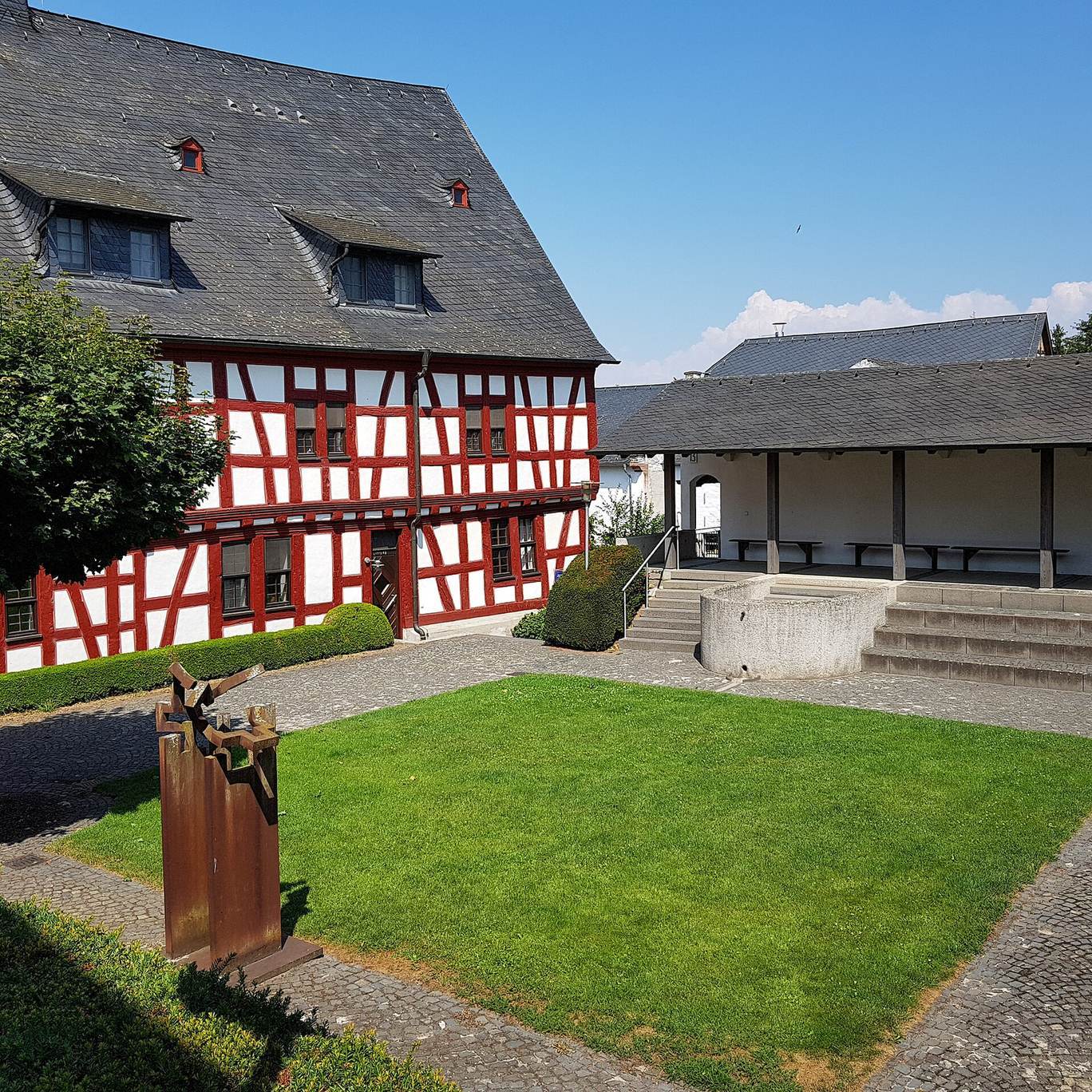
The former monastery grounds are crossed by the Wörsbach, which runs northwest. The reconstructed historic complex includes the church, monastery courtyard, Abbess’s House, and Nehemia-Hof, a youth guesthouse. Buildings added for the Jesus Brotherhood form another group on part of the former grounds.
Historic monastery buildings
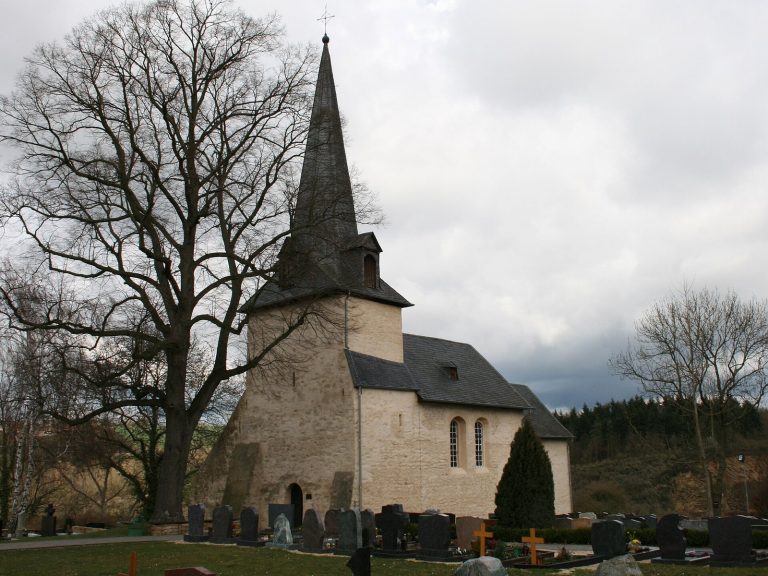
Monastery church
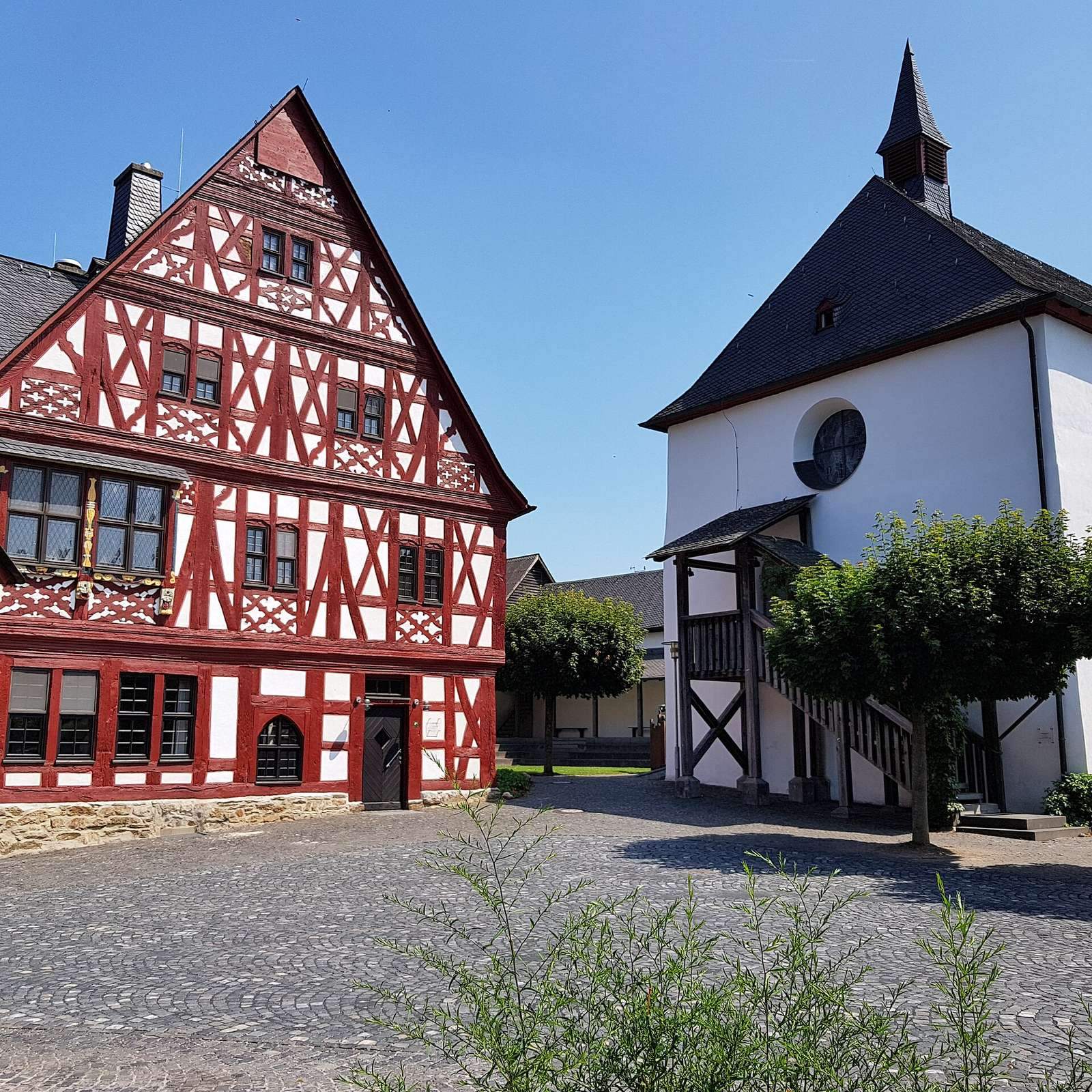
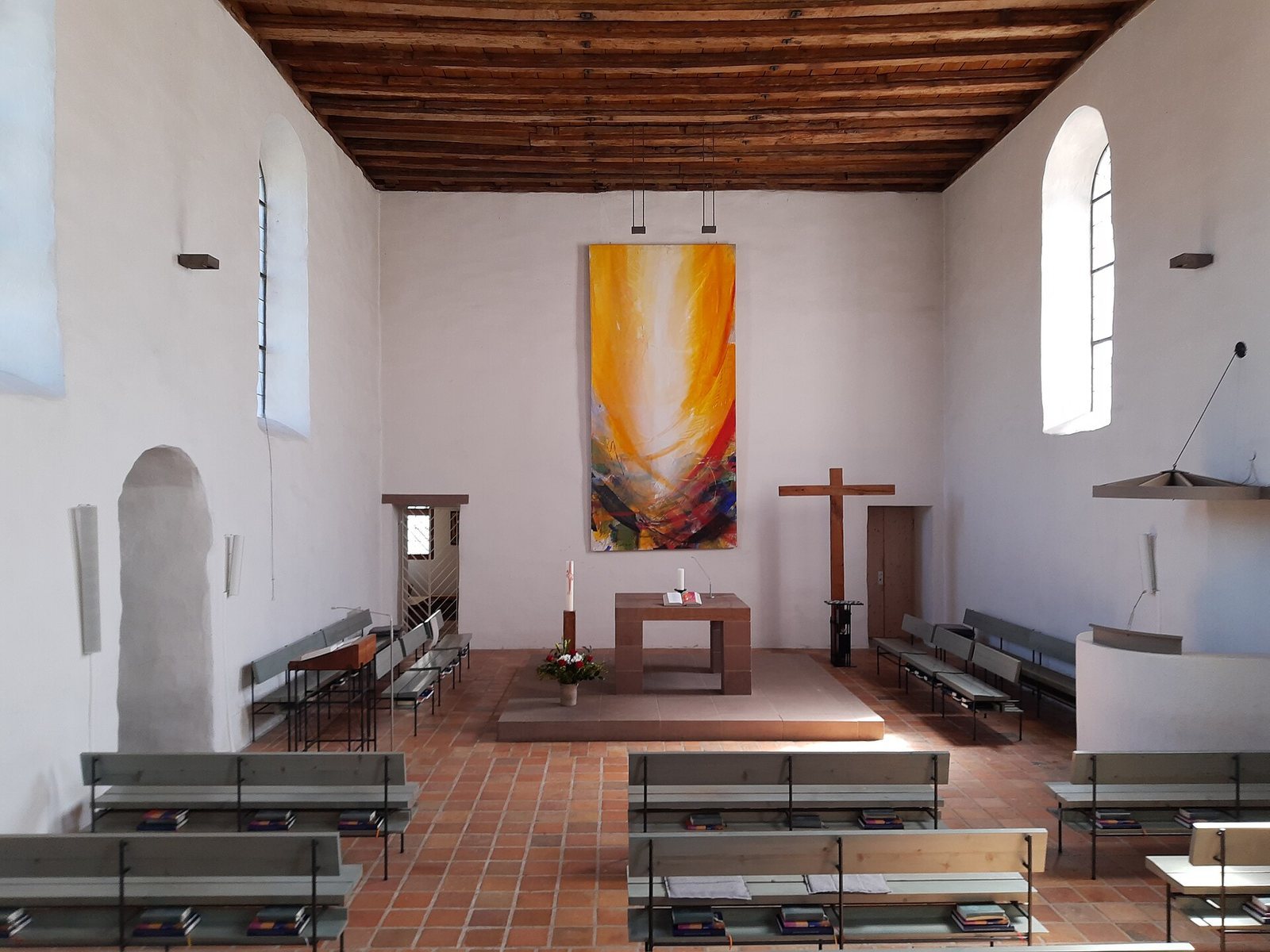
The 13th-century church stands by the village square. Around 1705, it was repaired on a reduced scale; later estate tenants used it as a stable.
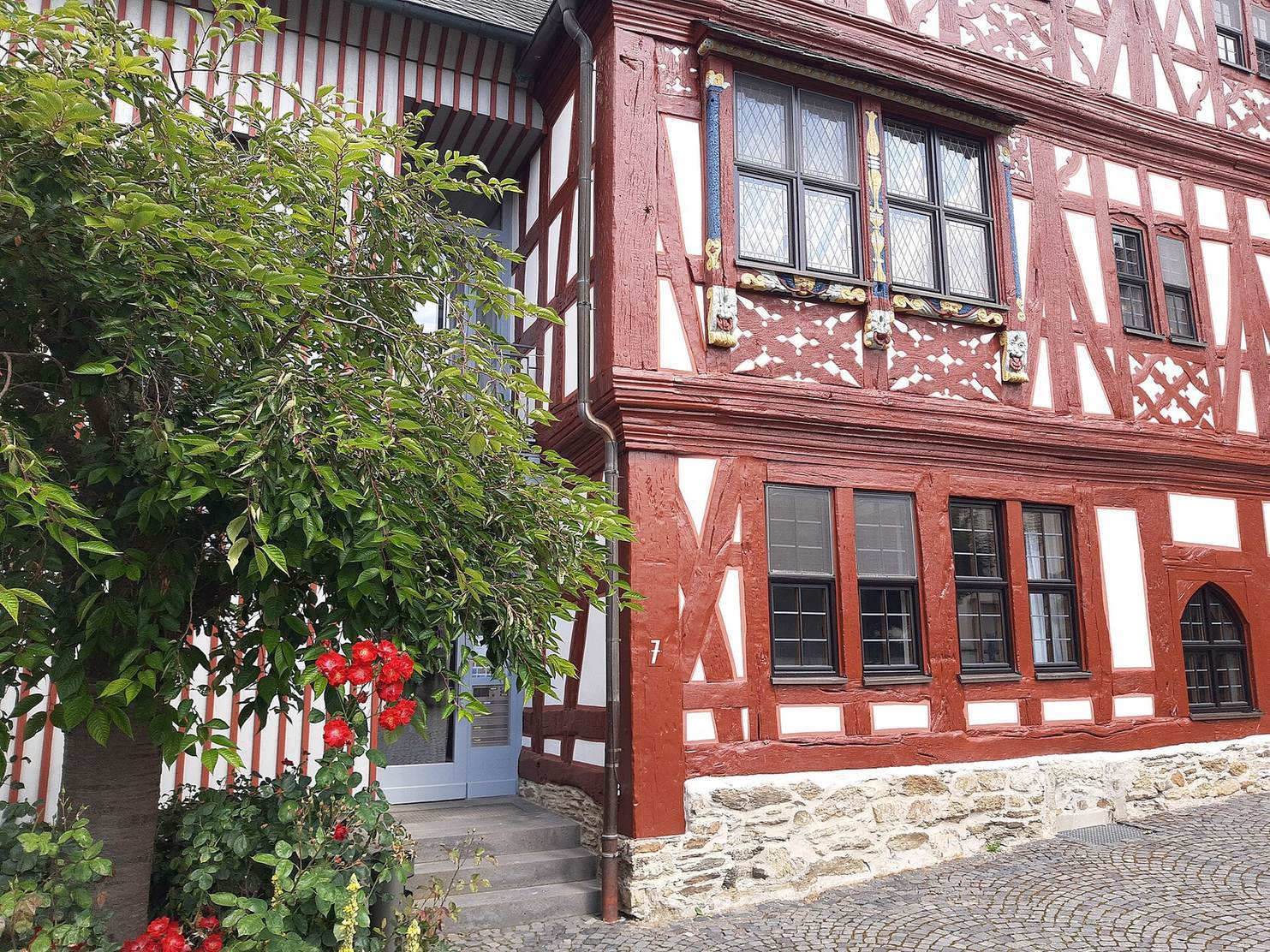
Abbess’s House
Built in 1589/90, the Abbess’s House stands on the foundations of a predecessor building from the 13th century.
Courtyard and youth guesthouse
The monastery courtyard and Nehemia-Hof are included in the reconstructed historic complex. Nehemia-Hof serves as a youth guesthouse.
Buildings of the Jesus Brotherhood
The Brotherhood’s buildings include the Brothers’ House, the Sisters’ House, and Haus der Stille, a retreat house.