Cour d’Angleterre Castle: An Eighteenth-Century Summer Residence in France
Site at a Glance
- Popularity
- Medium
- Country
- France
- Primary era
- Early Modern
- Eras represented
- Early Modern
- Civilizations
- French
- Site type
- Domestic
- Remains
- Elite Residence
On this page8 sections
History
Construction and early ownership
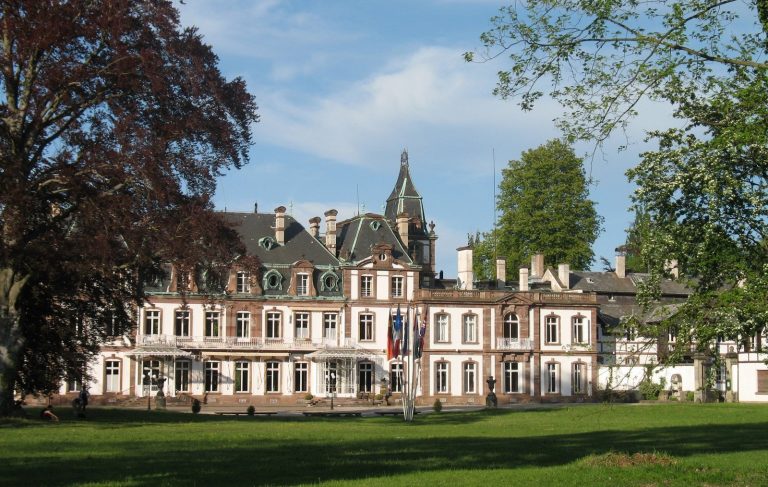
Cour d’Angleterre Castle is a summer residence in France, built in 1751 by Jean de Dietrich. An Alsatian industrialist and member of the De Dietrich family, he created the residence for summer use. The château later belonged to Conrad Alexandre Gérard de Rayneval, a French diplomat.
Wartime damage and later use
The château was damaged during the Second World War and restored in 1947. From 1949, it came under the control of the Departmental Directorate of Health and Social Affairs and the criminal-justice system, and was used to accommodate young people.
The property now belongs to ARSEA, a French association providing social and health-related services. It operates as an educational establishment offering child-protection support to minors at risk. In 1995, the château was registered as a French historic monument, a legal heritage designation protecting significant buildings and sites.
Remains
The château
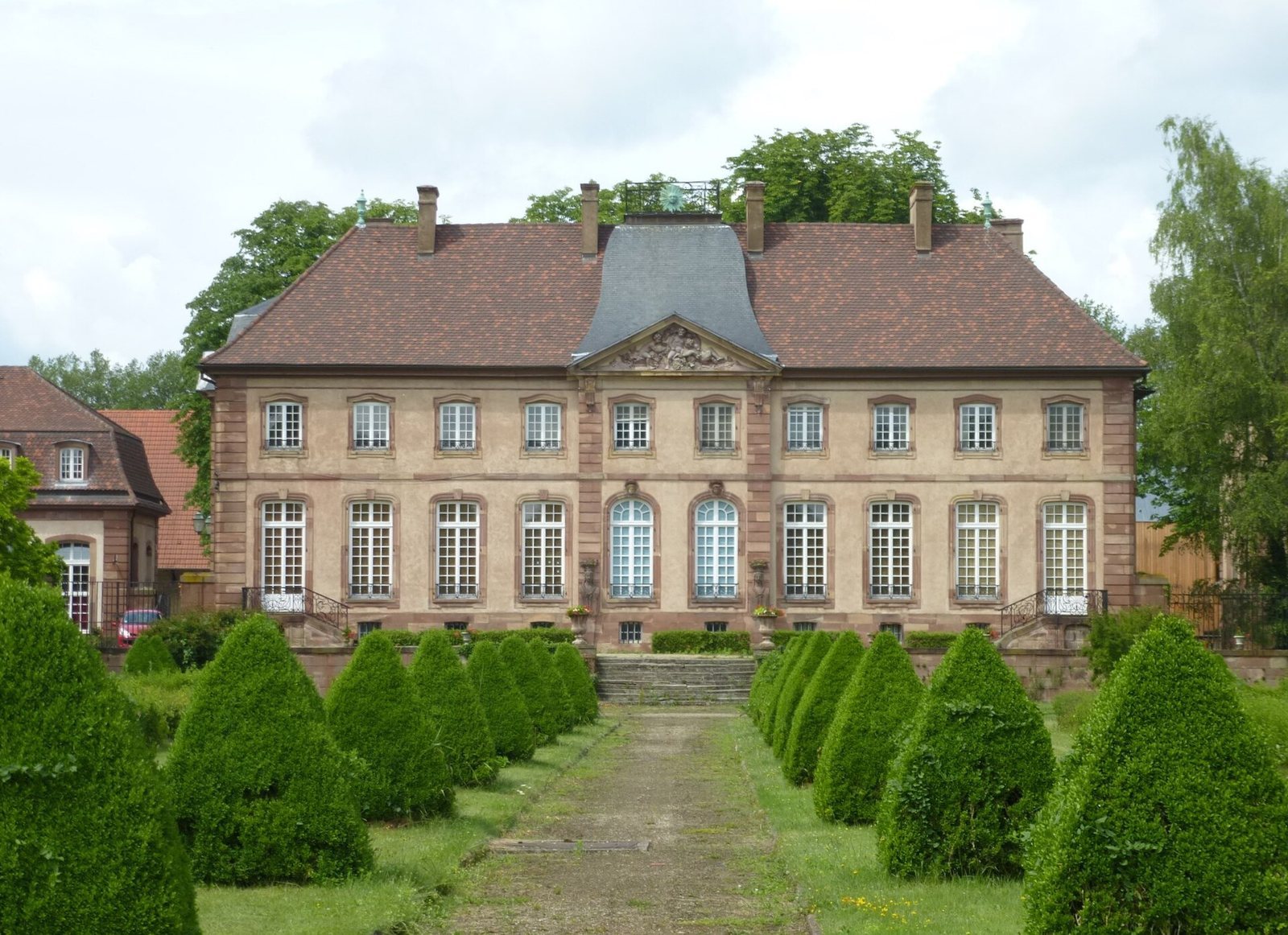
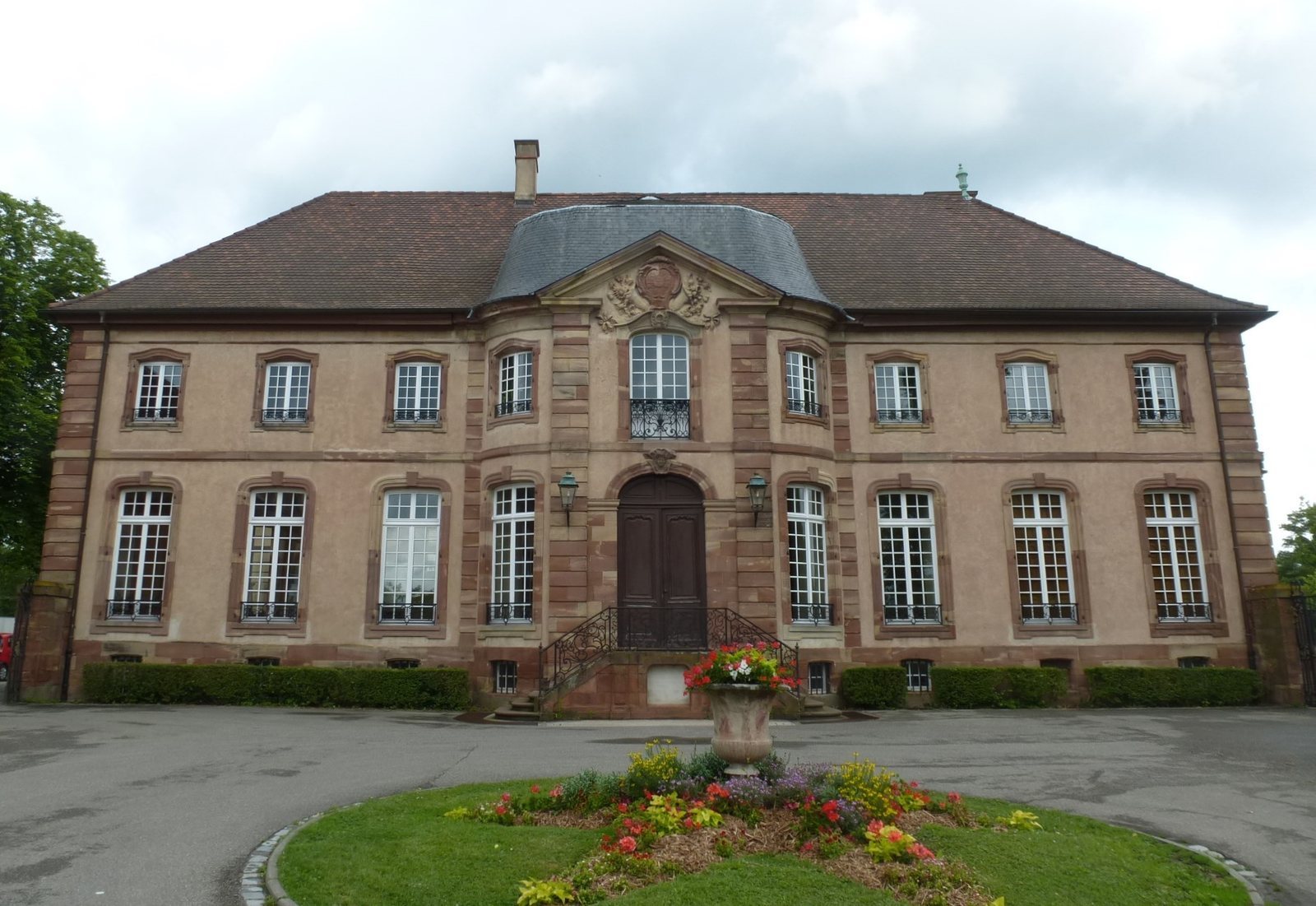
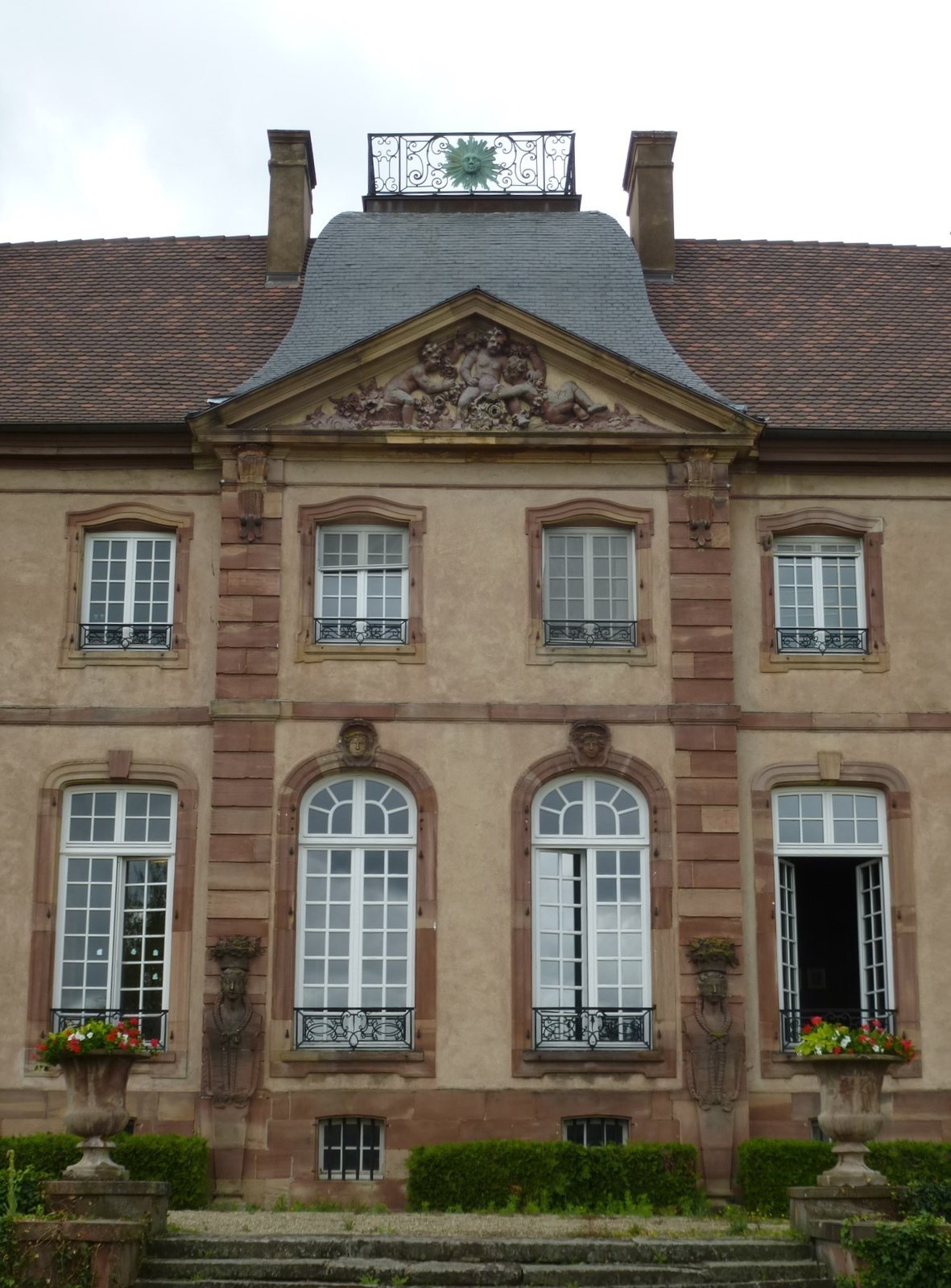
The château combines German Baroque, a European tradition of Baroque design, with French Classical architecture, which draws on classical forms. Its features include the exterior, terraces and fences, as well as a grand staircase and five panelled rooms on the ground floor.
Exterior
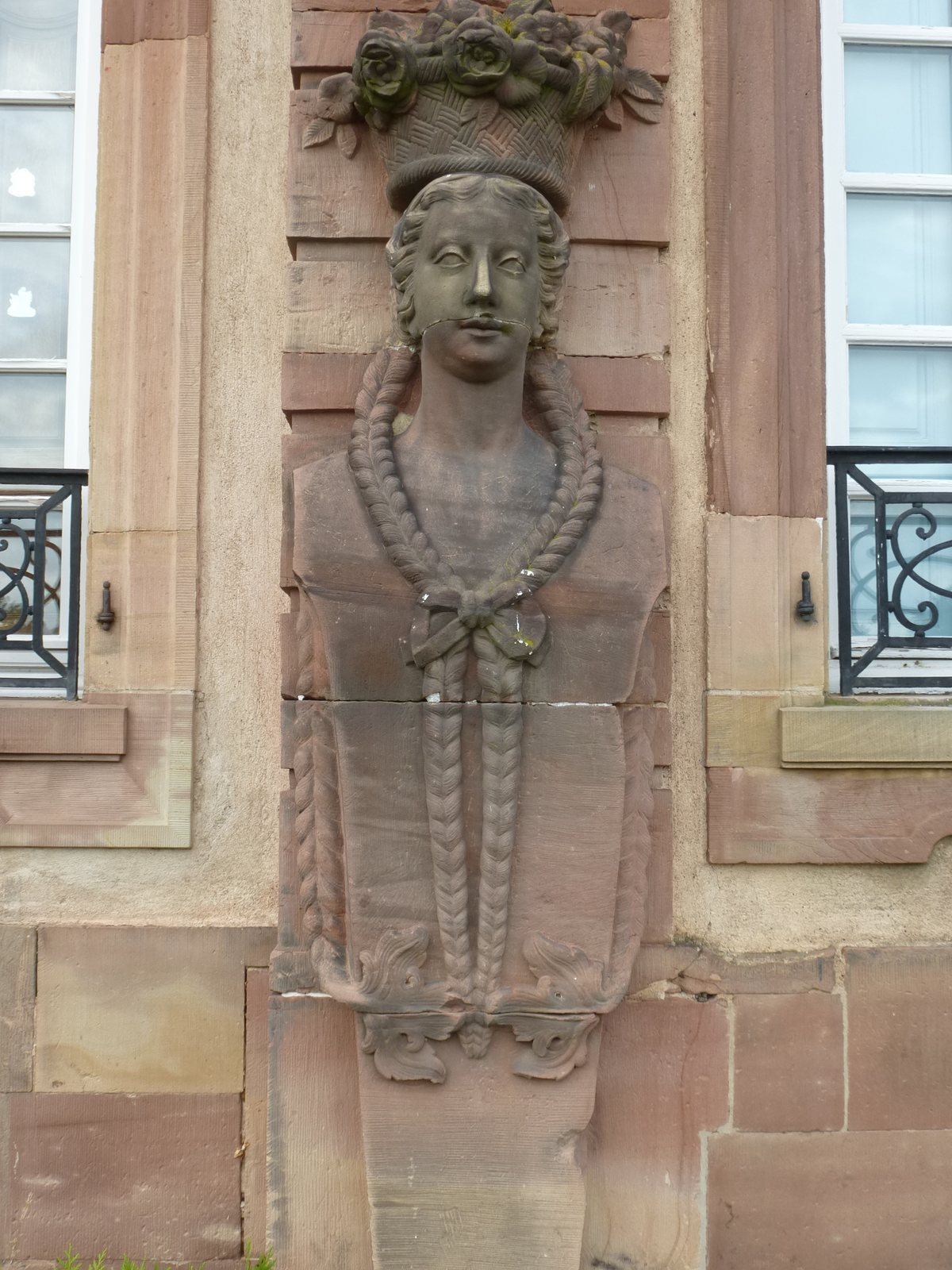
The exterior features a façade and roof, with terraces and fences also forming part of the château’s architectural setting.
Interior
The interior contains a grand staircase and five panelled rooms on the ground floor. The rooms form a sequence, with their doorways aligned along a shared axis.
Outbuildings and garden
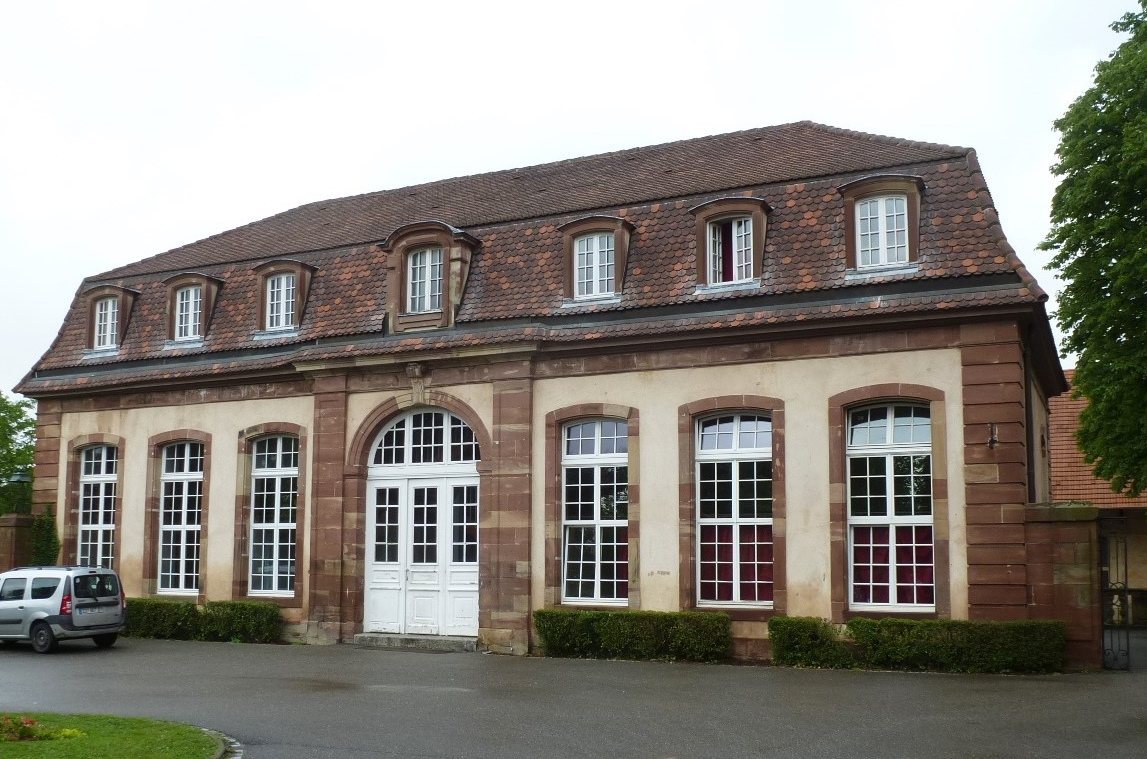
The eighteenth-century outbuildings have notable façades and roofs. The château is also set among substantial gardens.