Losange Castle: A Belgian Estate Rebuilt after the Ardennes Offensive
Site at a Glance
- Rating
- 4.1
- Popularity
- Low
- Country
- Belgium
- Primary era
- Modern
- Eras represented
- Early Modern, Modern
- Civilizations
- Belgian, Habsburg, Holy Roman Empire
- Site type
- Domestic
- Remains
- Castle
On this page9 sections
History
Losange Castle is a historic estate in the hamlet of Losange, near Villers-la-Bonne-Eau, Belgium. Its first castle was built in 1529. A second construction date, 1597, is linked to investor Hartard de Vaulx, though the building phase it refers to is uncertain.
Early castle and eighteenth-century château
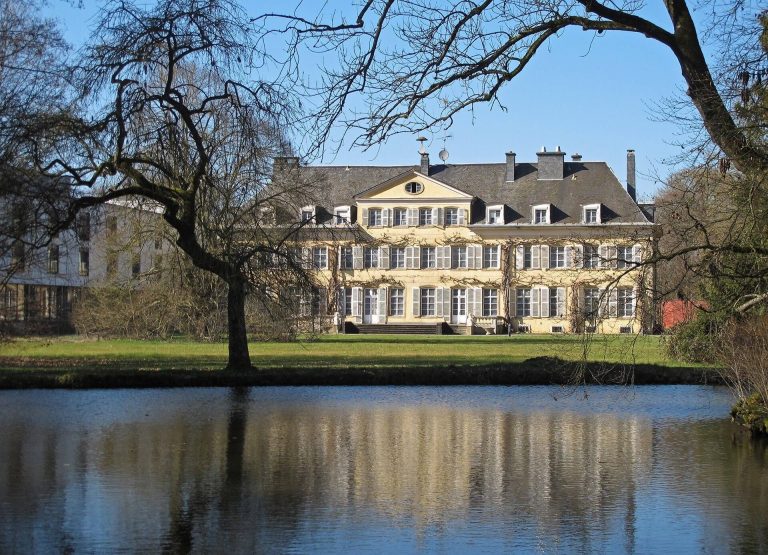
The present château was built in the early eighteenth century through the efforts of Herman de Trappé. It was modernized during the 1920s and 1930s, acquiring its current form.
Wartime destruction and rebuilding
During the 1944 Ardennes Offensive, a German attack on Allied forces in the Ardennes during the Second World War, the château stood on the front line. It was destroyed that year and rebuilt in 1971.
The d’Udekem d’Acoz family
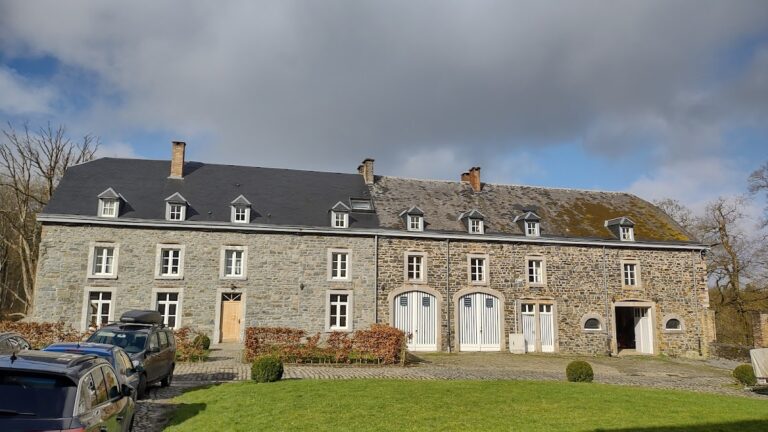
Ownership of the estate changed several times. In 1958, Suzanna van Outryve d’Ydewalle, the widow of Baron Charles d’Udekem d’Acoz, bought it for her son Patrick. While the château was being rebuilt, he initially lived in an outbuilding on the estate.
Patrick and his wife, Anna Maria Komorowska, raised five children at Losange, including their daughter Mathilde, who became Queen of Belgium and the wife of King Philippe. Patrick died in 2008. His son Charles Henry d’Udekem d’Acoz is identified as the château’s current owner.
Remains
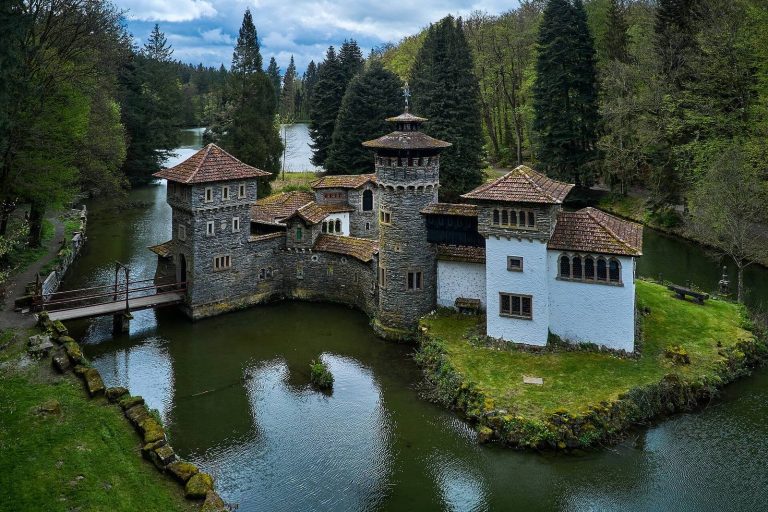
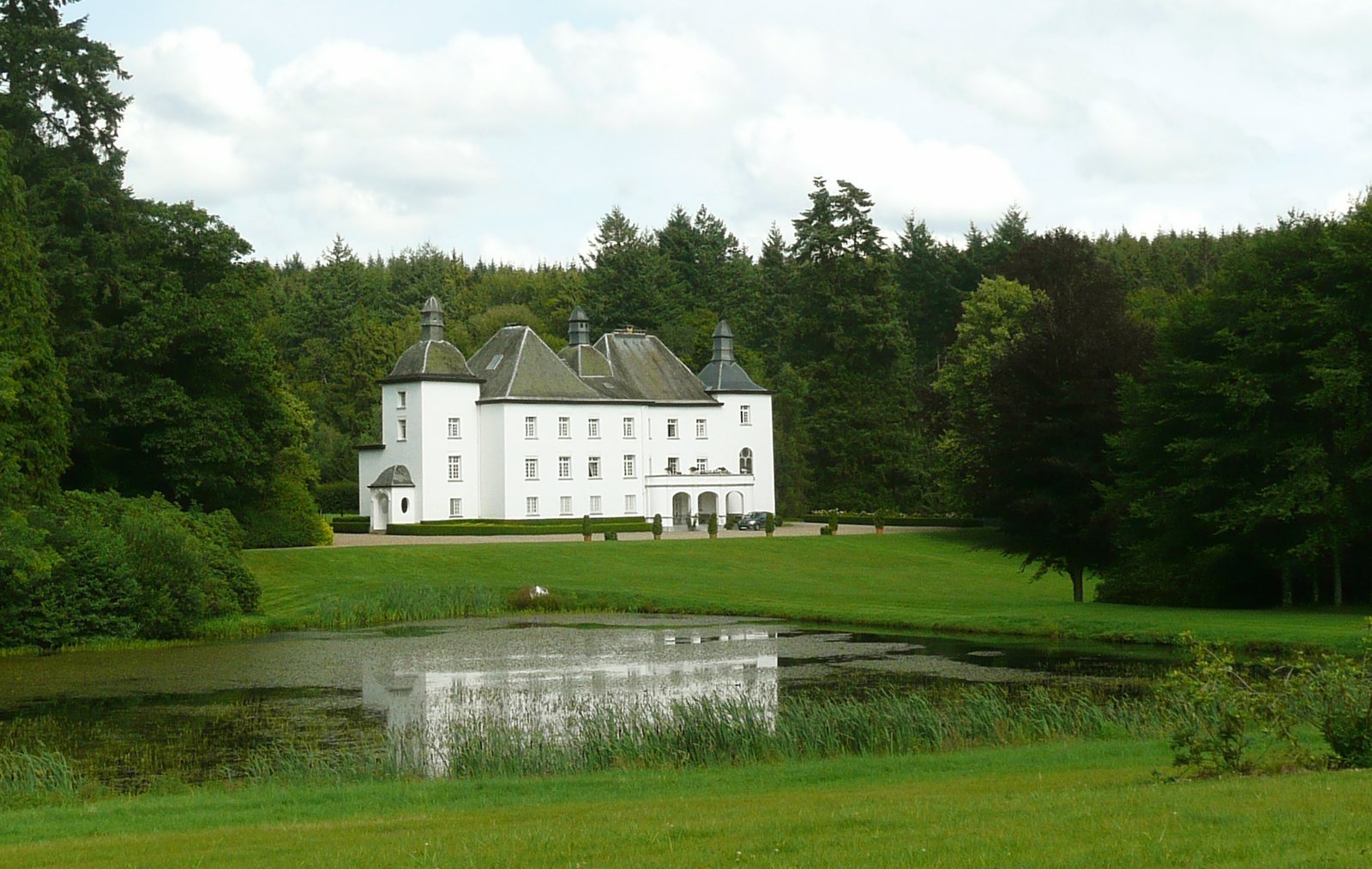
The estate lies in the Ardennes forest and includes a white château, a 300-hectare farm, a pond, and an outbuilding. The pond occupies the site of the first castle.
Estate buildings and earlier remains
Present château
The château is a white building set within the forest. Its present form followed modernization in the 1920s and 1930s and rebuilding after its destruction in 1944.
Pond and castle foundations
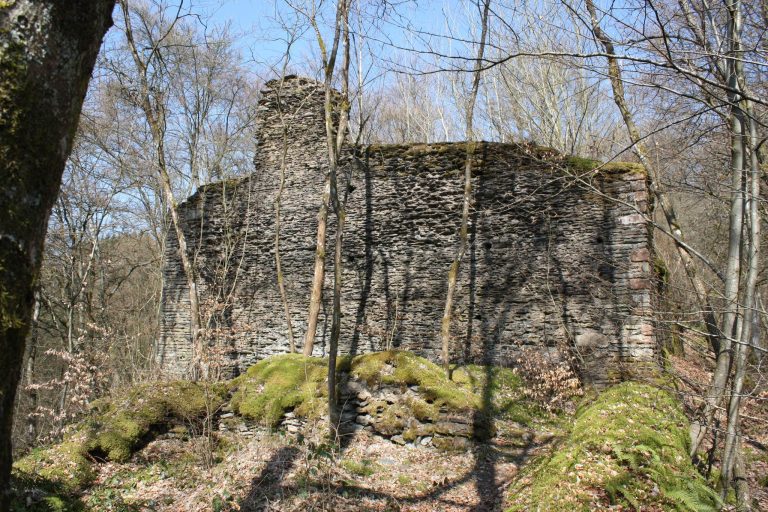
In 1940, foundations of the first castle were found at the bottom of the pond.
Outbuilding
An outbuilding on the estate dates from the mid-nineteenth century.