Uherčice Castle: A Late-Gothic Fortress and Noble Residence
Site at a Glance
- Rating
- 4.6
- Popularity
- High
- Country
- Czechia
- Primary era
- Early Modern
- Eras represented
- Medieval, Early Modern
- Civilizations
- Habsburg, Holy Roman Empire, Margraviate of Moravia
- Site type
- Domestic
- Remains
- Castle
On this page7 sections
History
Late-Gothic fortress and Renaissance castle
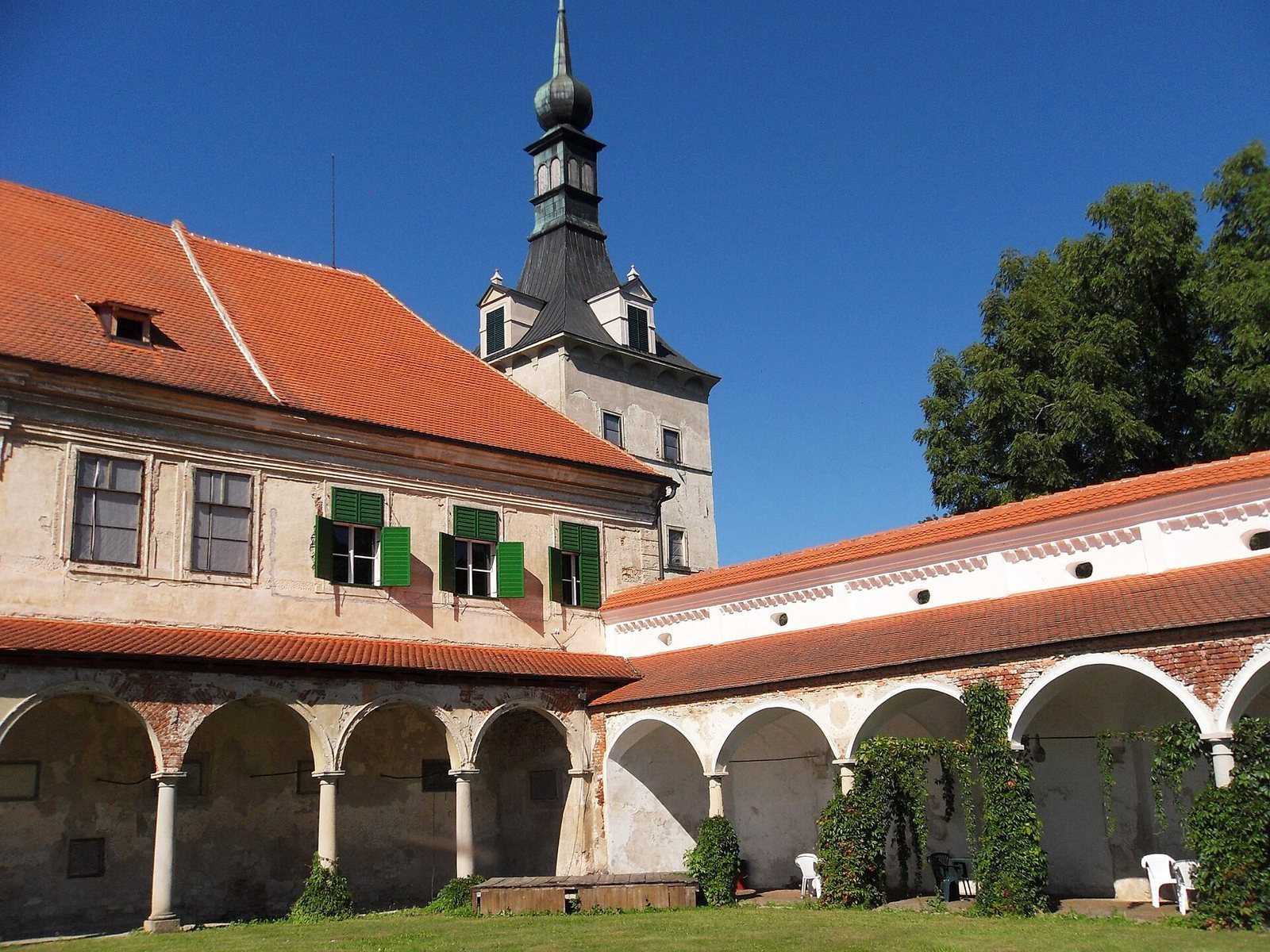
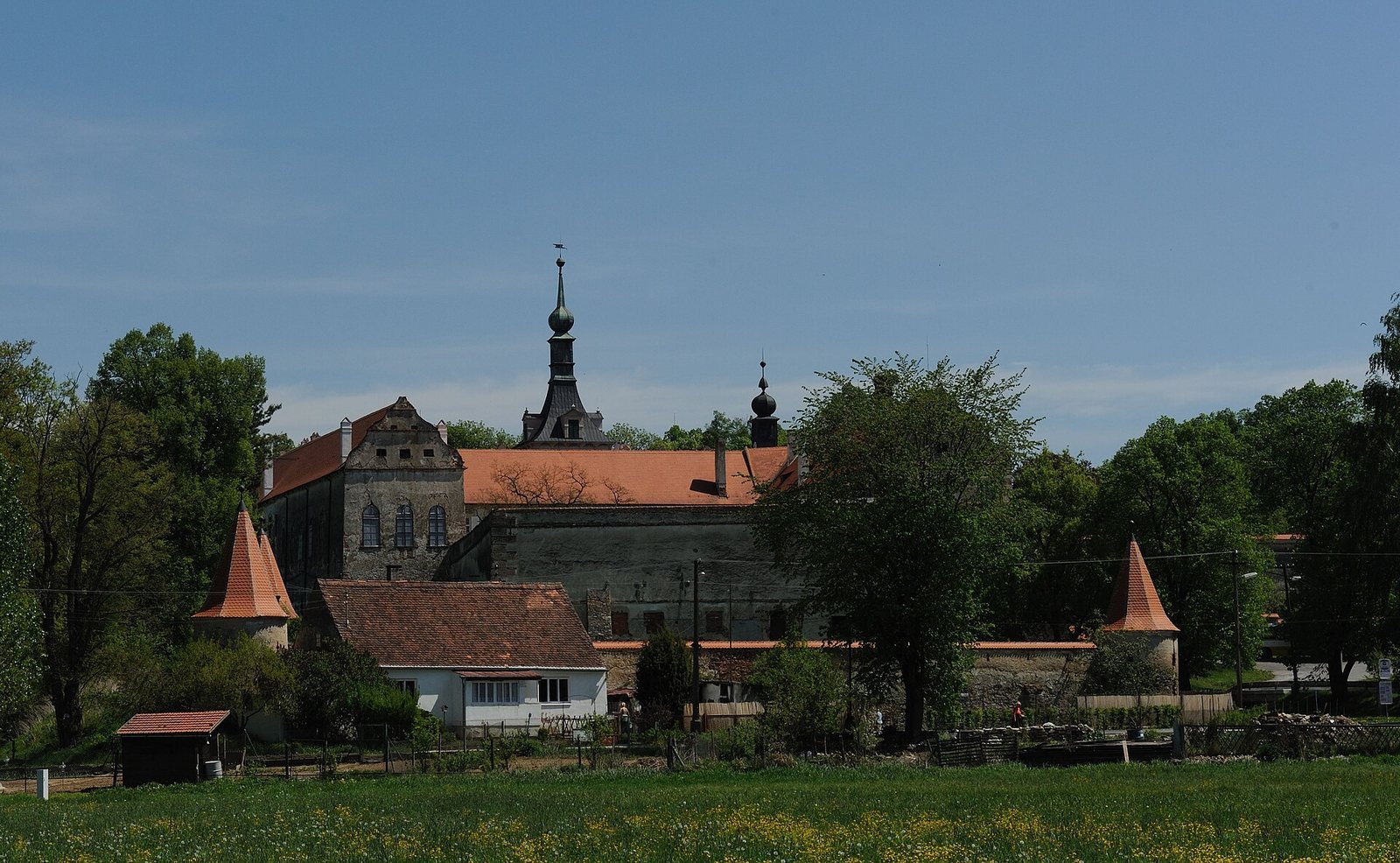
Uherčice Castle in Czechia began as a late-Gothic fortress, built by Leopold Kraiger von Kraigk in the late fifteenth century during the final phase of Gothic architecture. His nephew Wenzel Kraiger von Kraigk later converted it into a Renaissance castle, a style inspired by classical antiquity. Wenzel’s travels in Italy influenced the transformation.
Expansion and palace transformation
Wolf Streun von Schwarzenau acquired the castle in 1562 and expanded it to create a representative residence. After his death in 1574, it passed to his eldest son, Hanuš (Johann) Wolfhart Strein von Schwarzenau. His ownership is first recorded in 1580.
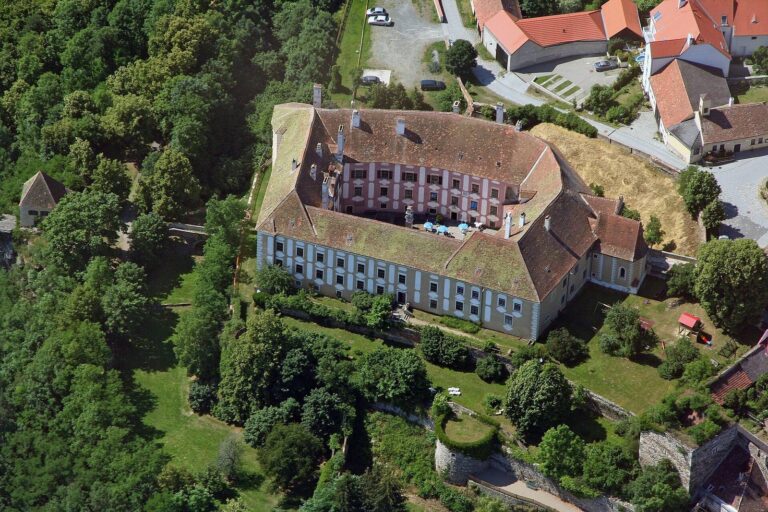
Donat Johann Heißler von Heitersheim, an Austrian military commander and nobleman, later transformed the castle into a palace of the early modern period, the centuries between the Middle Ages and the modern era.
Confiscation and renovation
In 1945, the castle was confiscated under the Beneš decrees, postwar Czechoslovak measures that included property seizures. It was subsequently used as a barracks and a women’s prison. After 2000, the building’s physical condition was critical, and renovation work began in 2005.
Remains
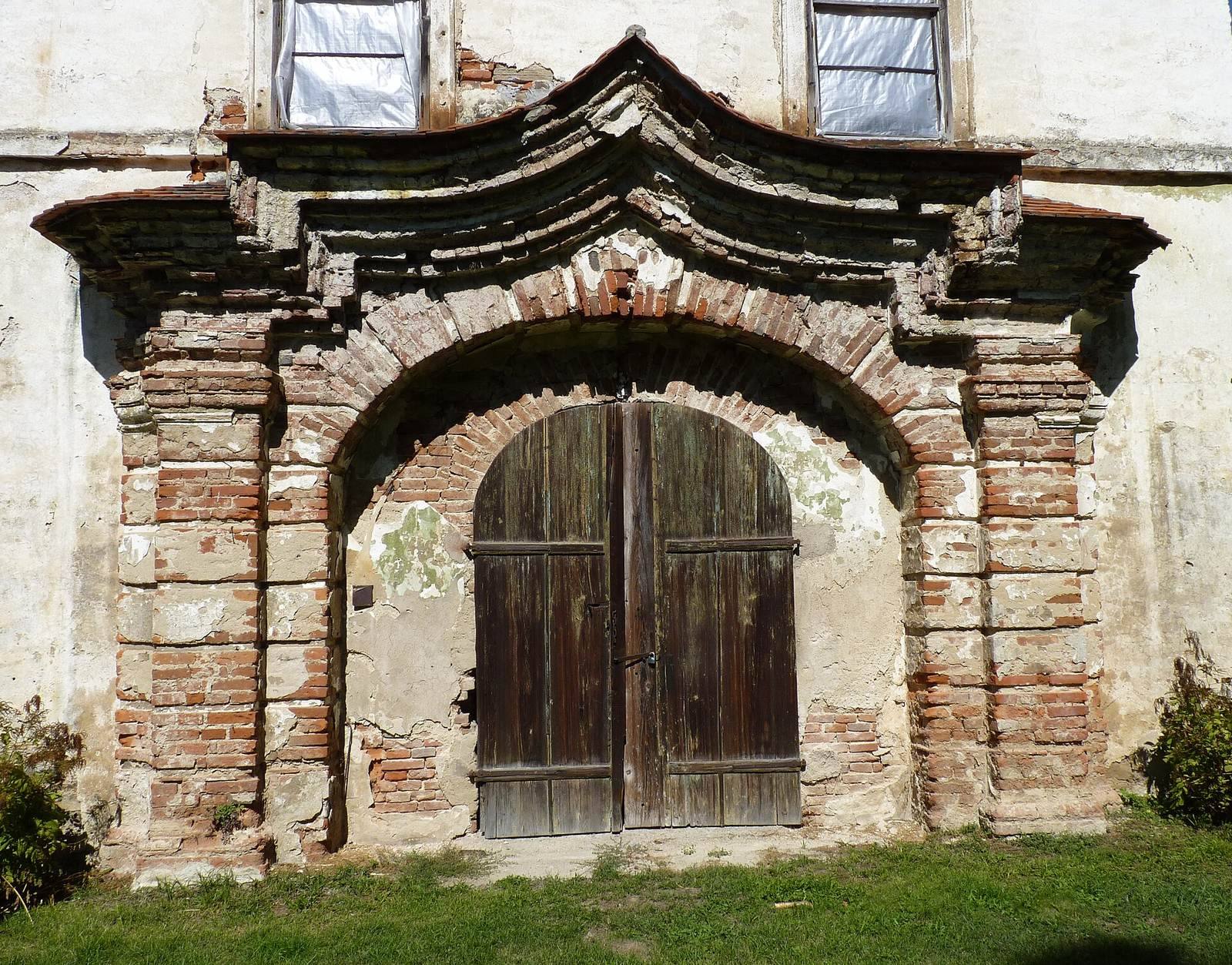
Old Castle and gate
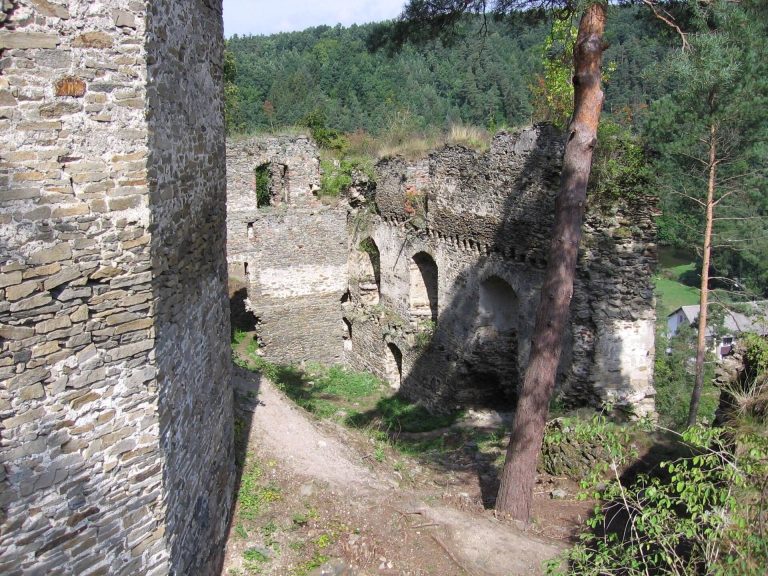
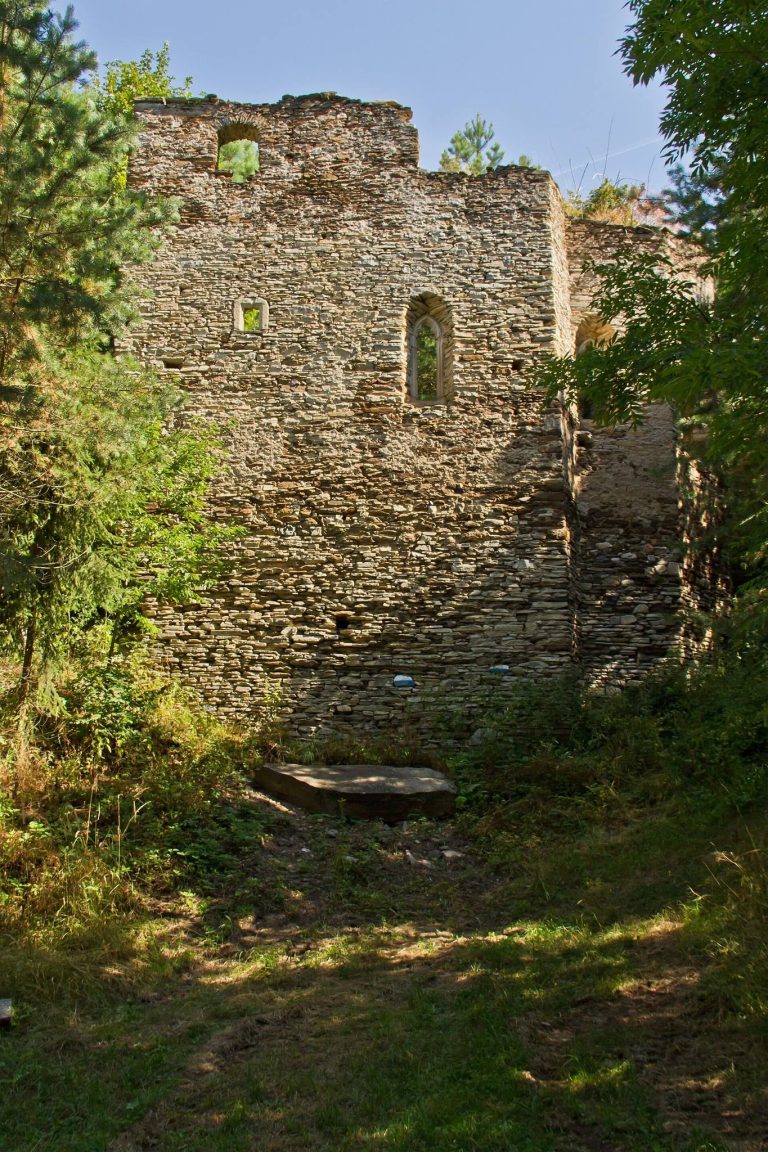
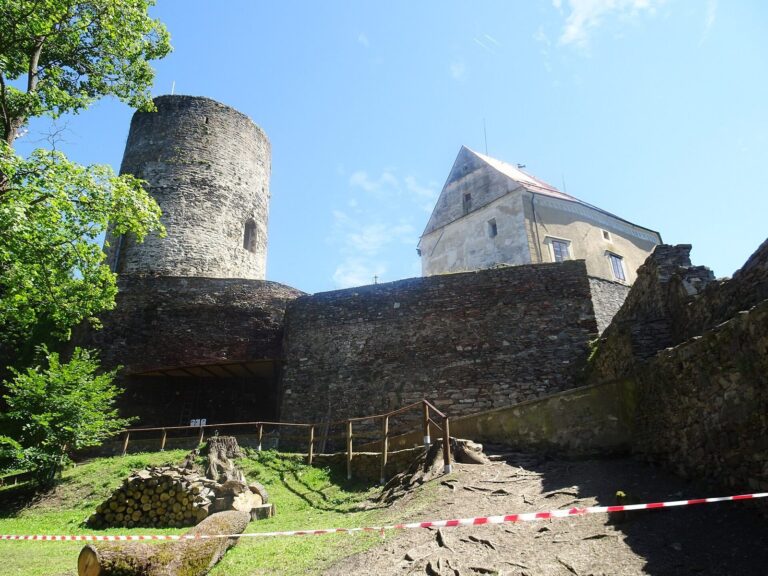
The eastern part of the complex, known as the Old Castle, retains the square ground plan of the original late-Gothic fortress. A tower above the gate collapsed.
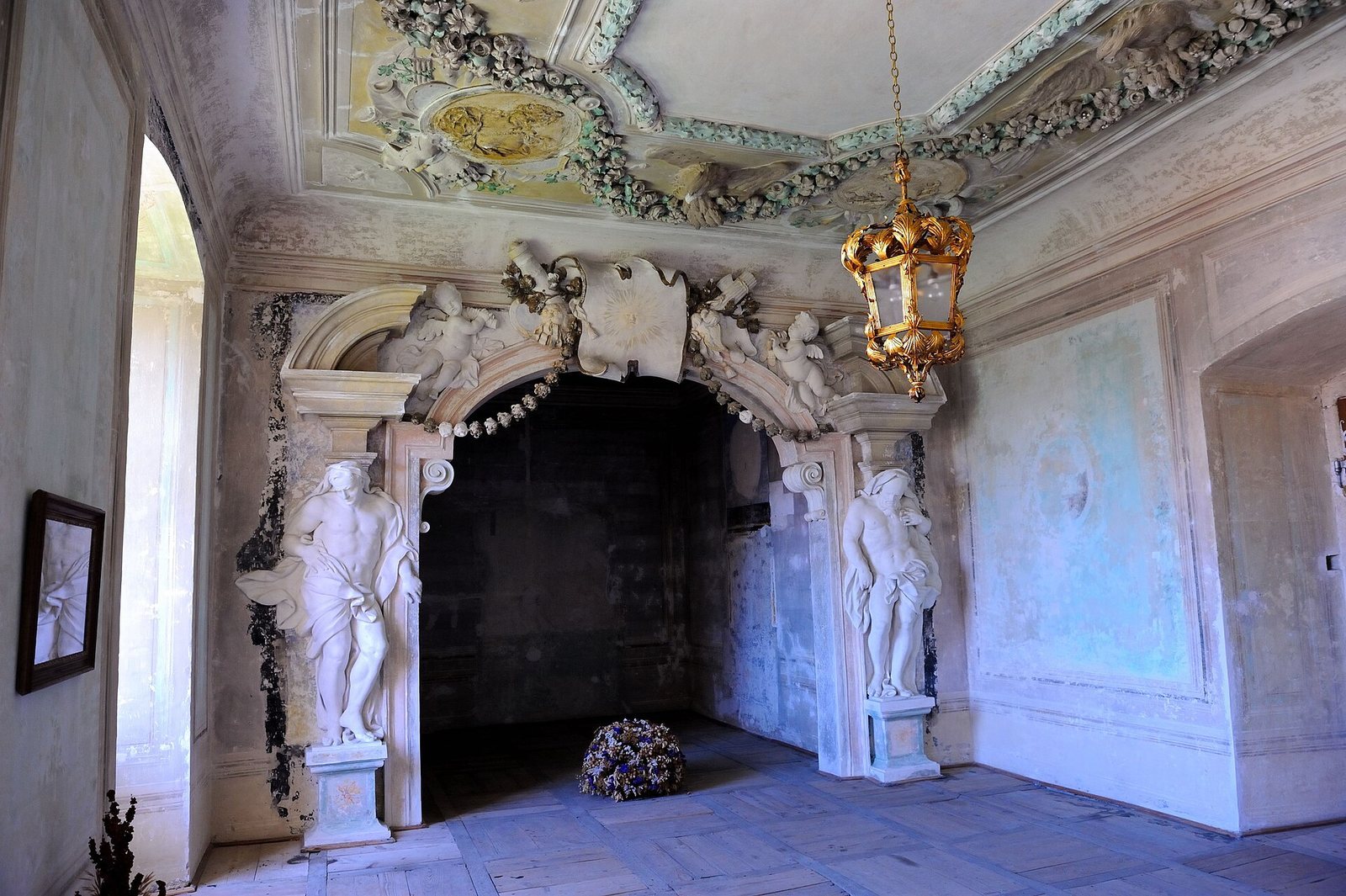
Stucco decoration
The chapel features stucco, decorative plaster shaped into molded or relief ornament, by Baldassare Fontana, an Italian stucco artist and architect active in Central Europe. His stucco decoration also appears elsewhere in the castle.