Lülsdorf Castle: A Lowland Castle and Administrative Seat
Site at a Glance
- Popularity
- Medium
- Country
- Germany
- Primary era
- Medieval
- Eras represented
- Medieval
- Civilizations
- Holy Roman Empire
- Site type
- Military
- Remains
- Castle
On this page4 sections
History
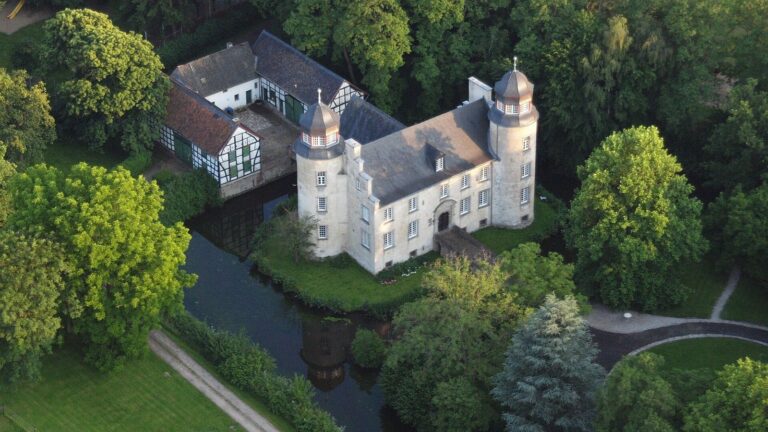
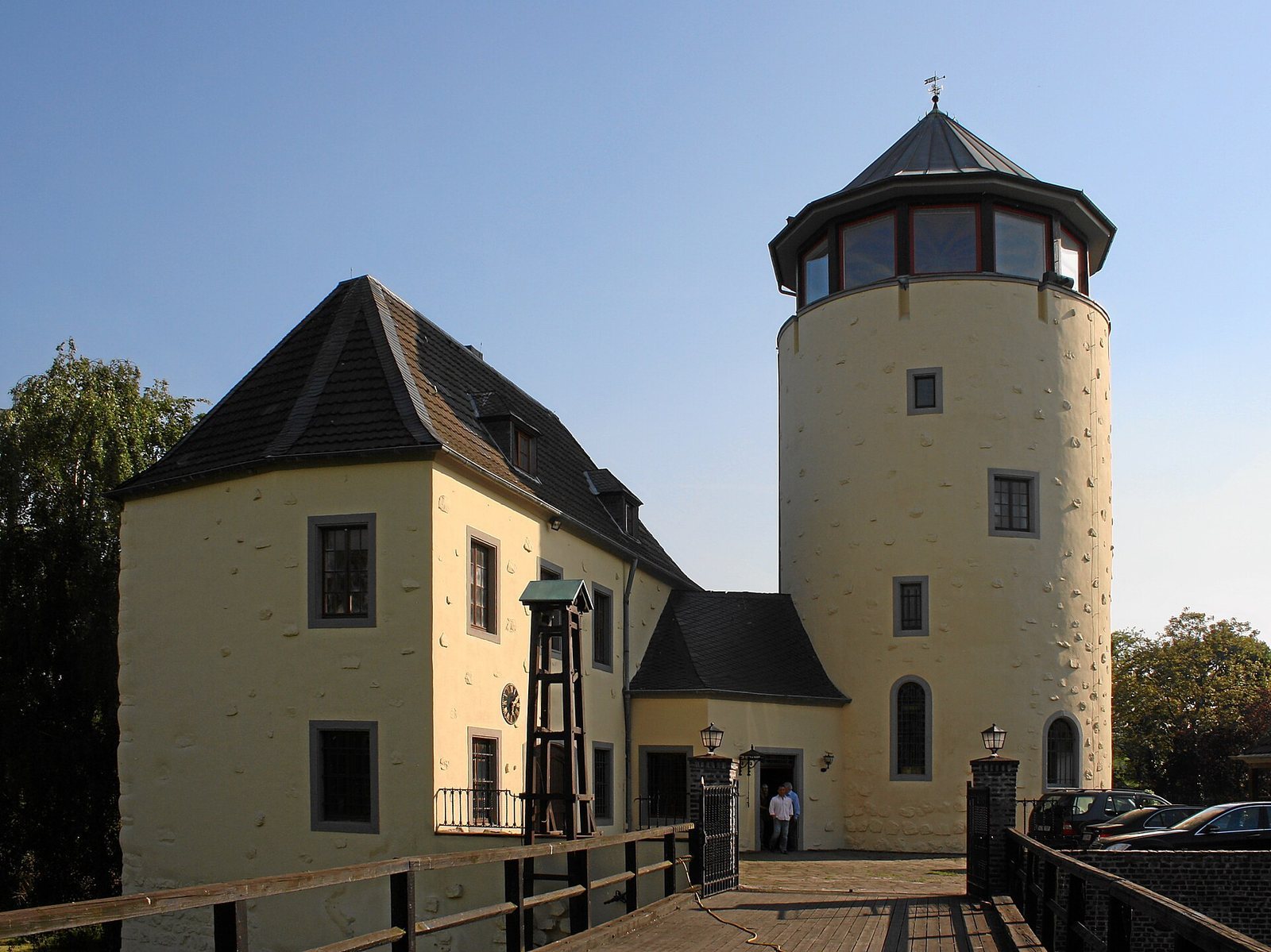
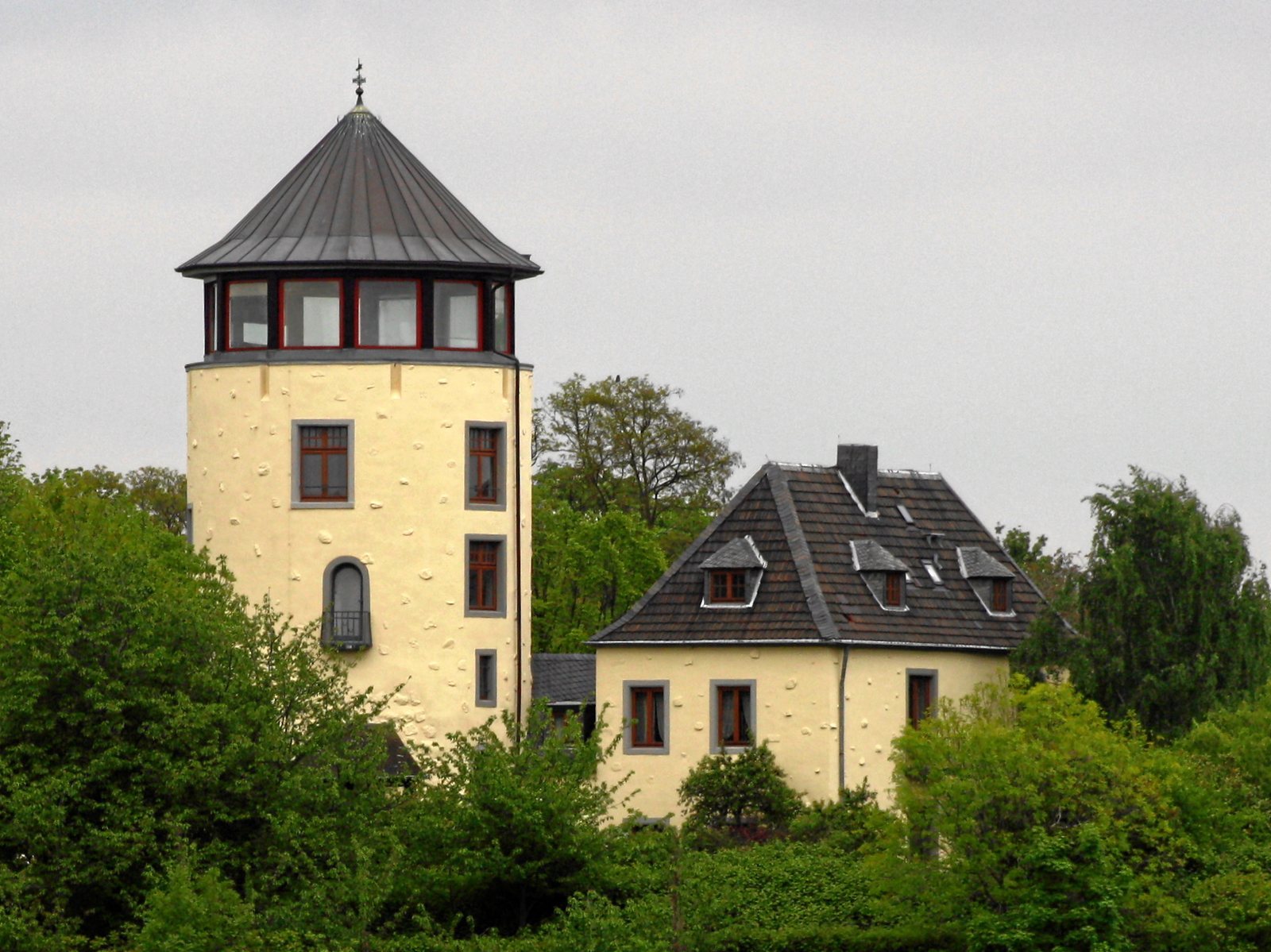
Lülsdorf Castle is a lowland castle in the Lülsdorf district of Niederkassel, Germany, built in the 12th and 13th centuries as the seat of the Lords of Lülsdorf, a local noble lineage.
Medieval and early modern administration
In 1380, the Lülsdorf bailiwick, a jurisdiction administered by a bailiff, passed to the Duchy of Berg, a historic principality in western Germany. After several changes of ownership, a new Lülsdorf administrative district was established in 1446. It included the church parishes of Lülsdorf, Volberg, Mondorf, and Bergheim, local districts that also served as territorial units. Rheidt and Niederkassel, along with Sieglar, now part of Troisdorf, and other places belonged to the Löwenburg district.
By about 1530, the castle was the seat of the Löwenberg administrative district. The bailiwick was later renamed the Lülsdorf administrative district by Duke Wilhelm IV of Berg, and the castle served as its administrative seat. In 1642, the castle was granted as a fief, property held in return for service, to Peter Melander von Holzappel, a German military commander with the rank of field marshal.
In 1740, Lülsdorf was described as a small but prosperous district. Its land supplied local farmers’ needs, while surplus produce could be sold at high prices in Bonn or Cologne.
Ruin and rebuilding
In 1829, the state sold the ruin to Mayor Brünninghausen. The castle is a landmark of Niederkassel and forms part of the city’s coat of arms. In 2005, it served, among other purposes, as a residence; in 2006, it was sold to real-estate entrepreneur Herbert Hillebrand.
Remains
The castle stands on low-lying, relatively level ground, the setting associated with a lowland castle. A round defensive tower formed part of the structure and still had a roof when lightning destroyed it in 1885. The castle remained a ruin until 1949 and was rebuilt afterward.