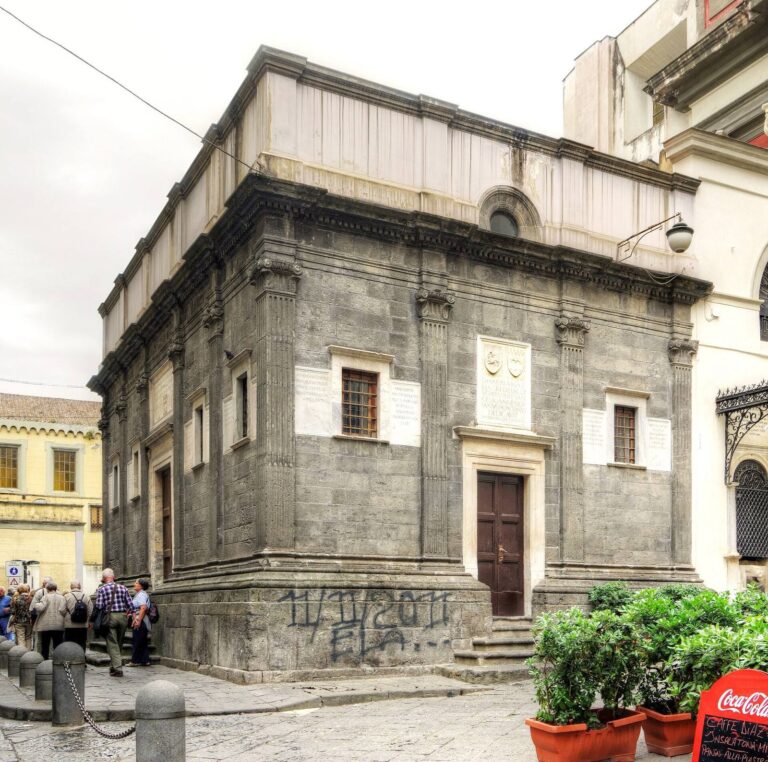
Palazzo Castriota Scanderbeg: A Renaissance and Baroque Palace in Naples
Site at a Glance
- Popularity
- Medium
- Country
- Italy
- Primary era
- Early Modern
- Eras represented
- Medieval, Early Modern, Modern
- Civilizations
- Habsburg, Habsburg Spain, Italian, Kingdom of Naples, Spanish
- Site type
- Domestic
- Remains
- Elite Residence
On this page5 sections
History
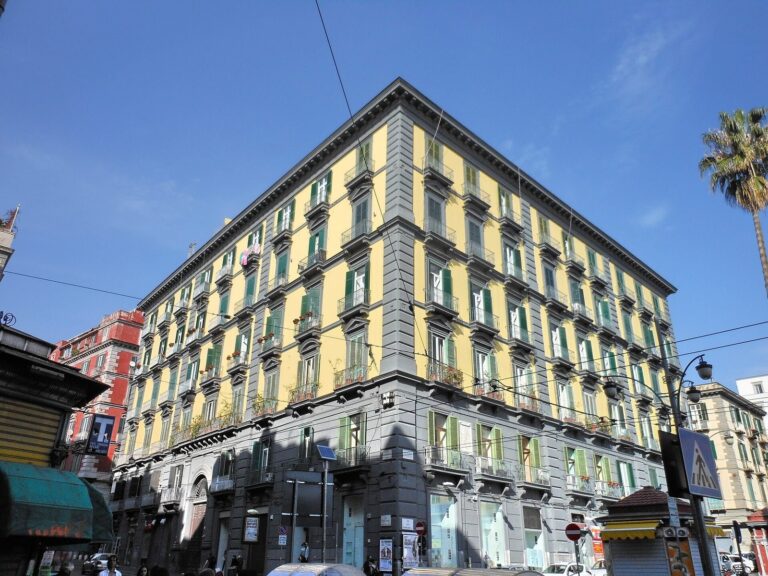
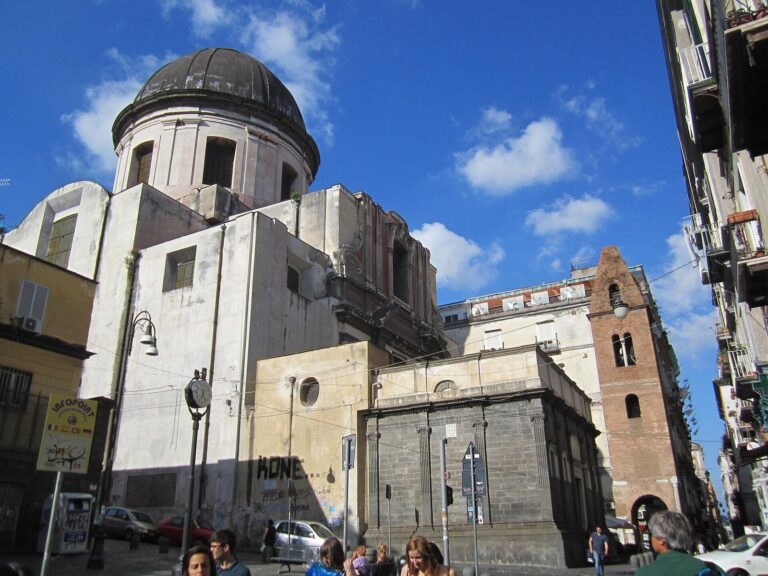
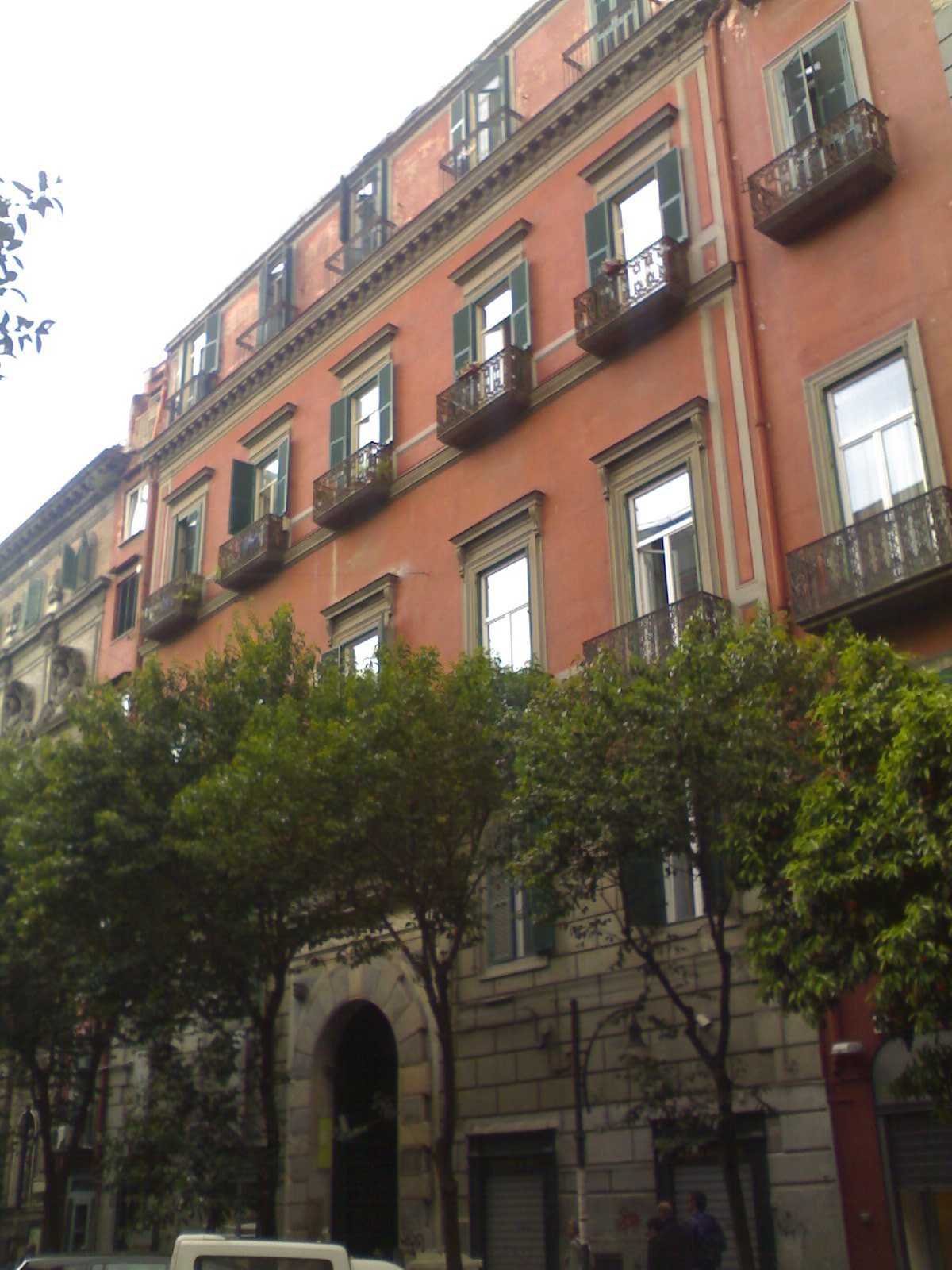
Palazzo Castriota Scanderbeg is a 16th-century palace in the San Giuseppe district of Naples, Italy, combining Renaissance and Baroque architecture. Renaissance design drew on classical forms, while Baroque architecture favored theatrical effects and elaborate composition.
The palace belonged to the Castriota Scanderbeg family before Marquis Pisacane acquired it. Pisacane added a storey to its original four-storey structure.
In the 18th century, restoration work altered the palace’s interior, and Pisacane enlarged the garden.
Remains
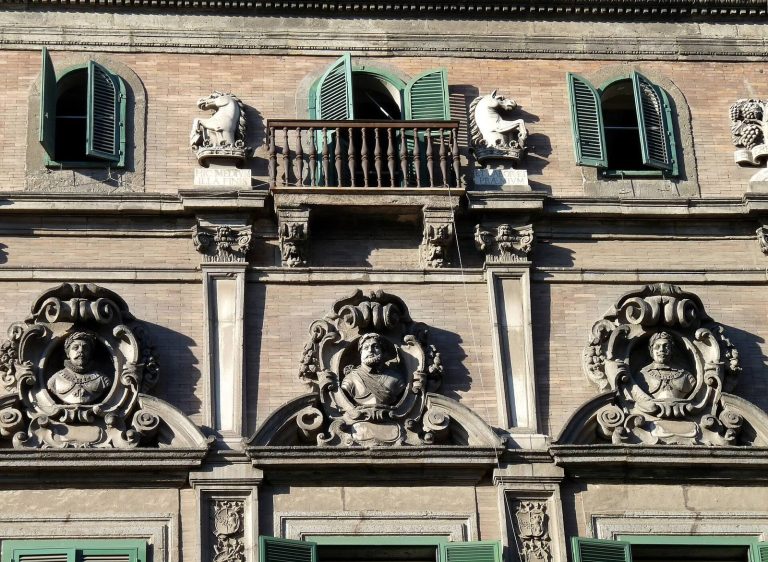
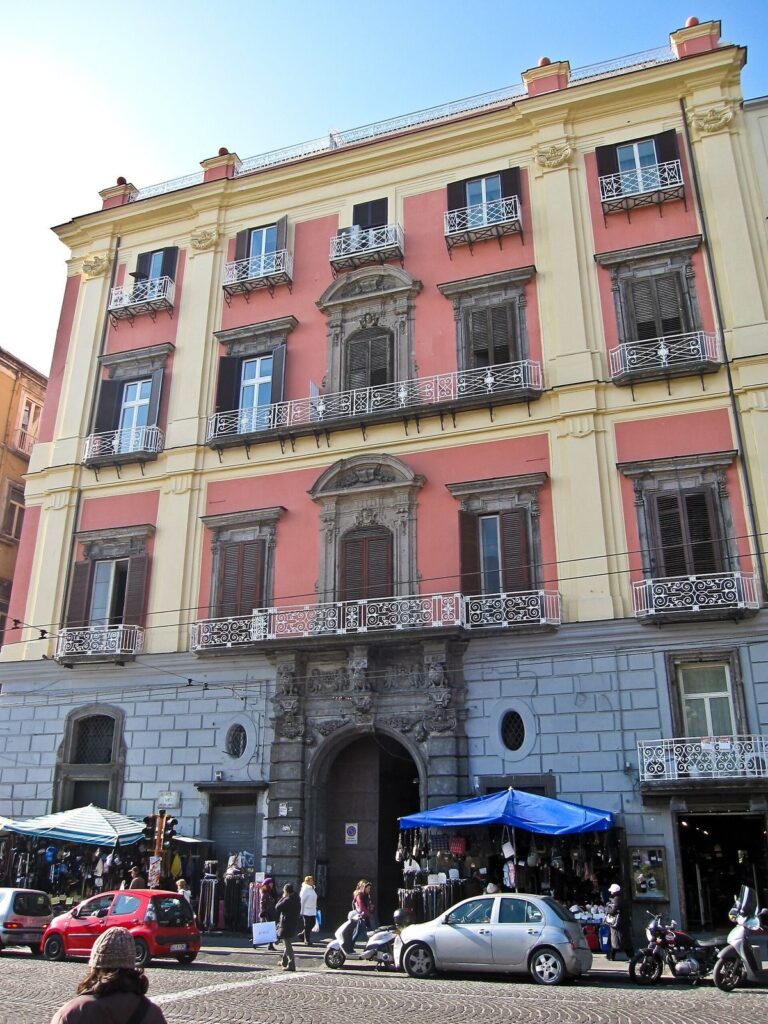
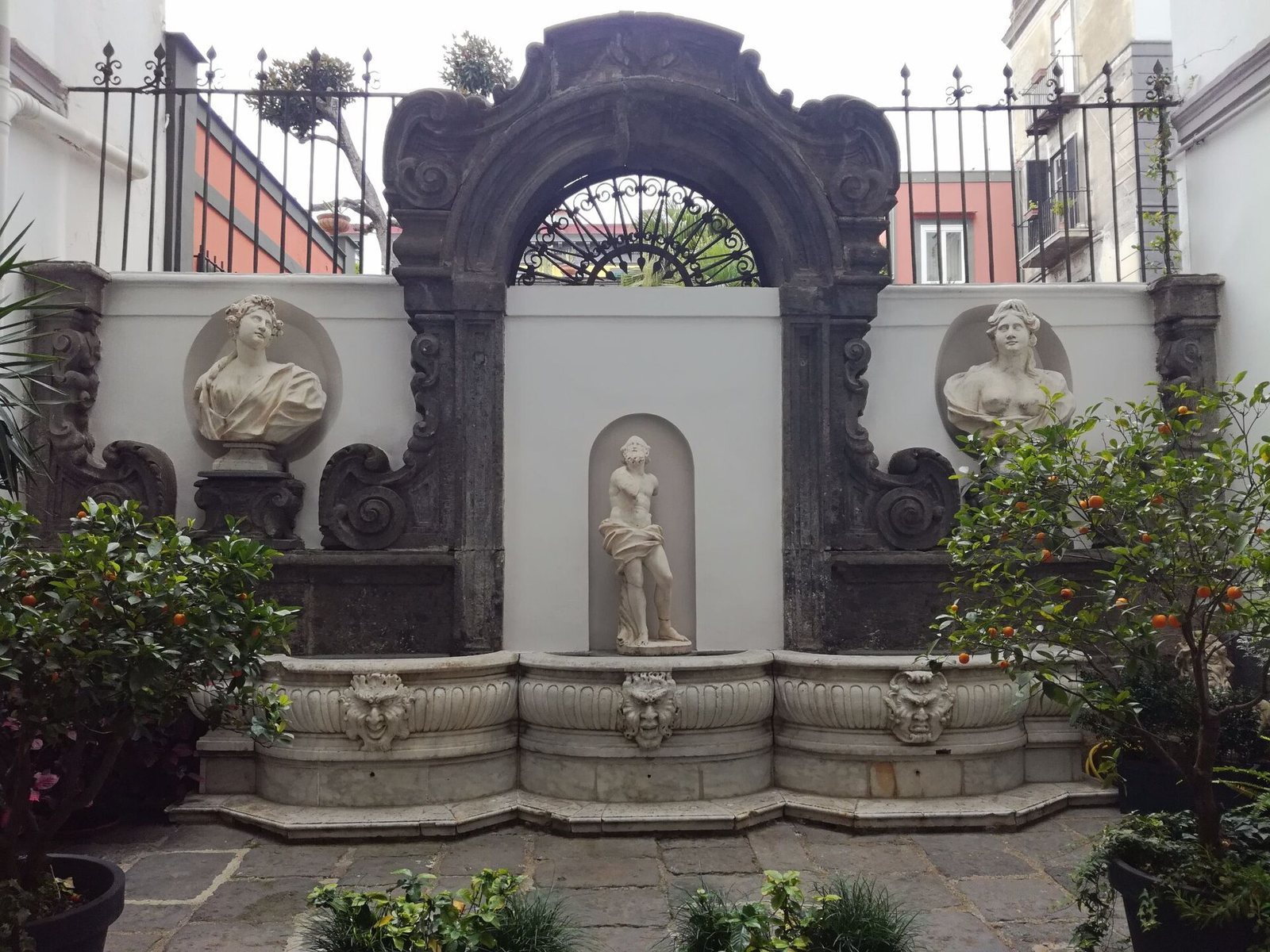
The palace’s street entrance opens toward a courtyard, from which a passage leads to the garden. Brick masonry forms the facade, while the interior includes decorated vaults and a courtyard fountain.
Facade and entrance
The simply decorated facade stands on a high base. Its round-arched entrance is framed by alternating blocks of stone and marble.
Courtyard and interior
A fountain dating to the 18th century forms the endpoint of the courtyard’s visual perspective. Inside, two entrances lead to the upper floors, with columns at their sides. Lorenzo Zecchetella painted the interior vaults in fresco, a technique using pigment applied to wet plaster.
Reused chapel portal
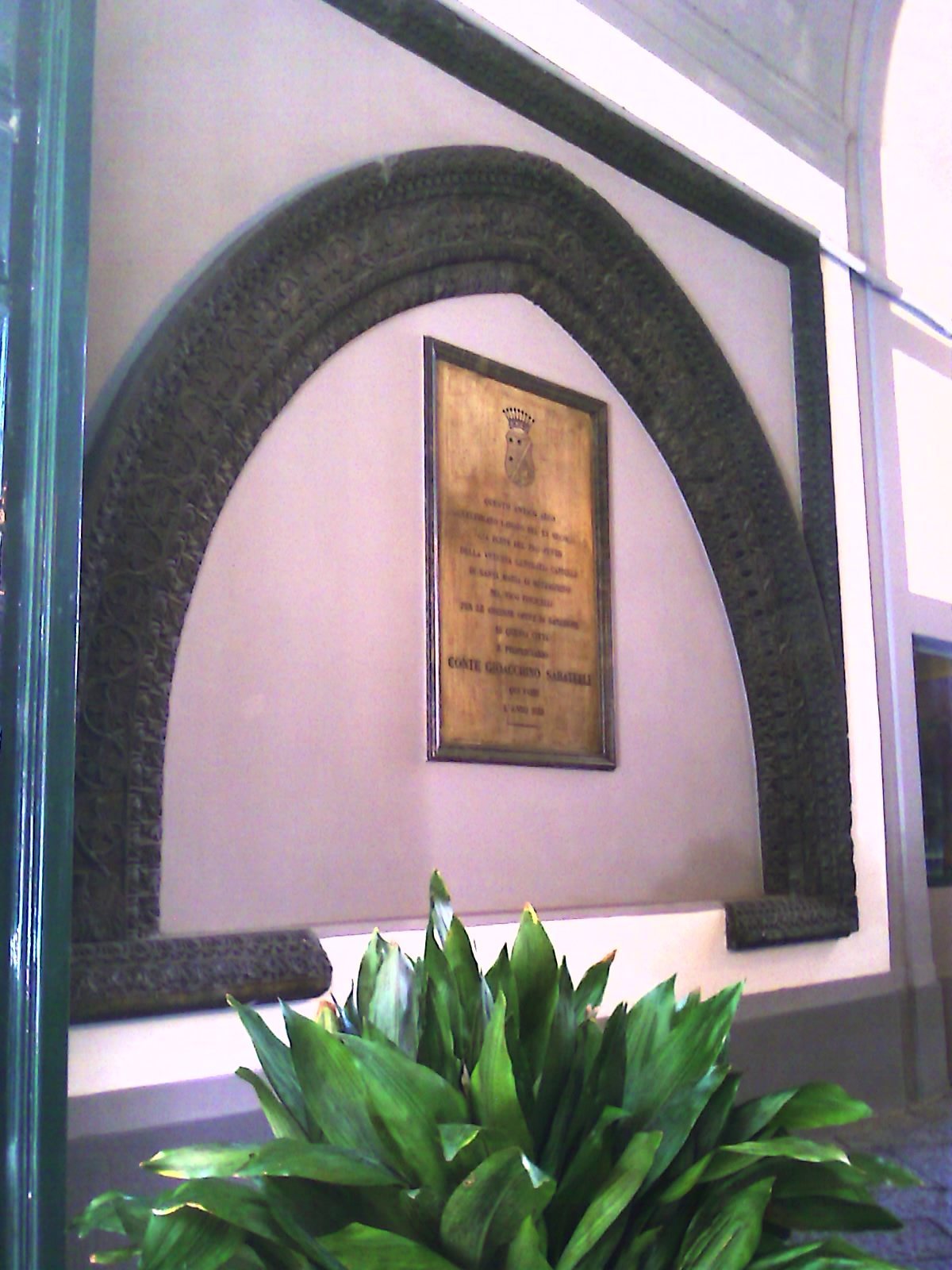
On the palace’s right-hand wall is a portal in the Durazzo style, a medieval Neapolitan form associated with the Durazzo dynasty. It once formed the entrance to the Castriota family chapel of Santa Maria di Mezzagosto in Palazzo Piscicelli. Its inscription calls it a celebrated 15th-century work, recalls its former place in the chapel facade on Vico Piscicelli, and names Count Gioacchino Sabatelli as the person who installed it here in 1889. The inscription connects the transfer with city sanitation works, which allowed Palazzo Piscicelli to be demolished.