Palazzo Ruffo di Bagnara: A Historic Palace in Naples
Site at a Glance
- Popularity
- Medium
- Country
- Italy
- Primary era
- Early Modern
- Eras represented
- Early Modern
- Civilizations
- Habsburg, Habsburg Spain, Kingdom of Naples, Spanish
- Site type
- Domestic
- Remains
- Elite Residence
On this page9 sections
History
Construction and the 1647 revolt
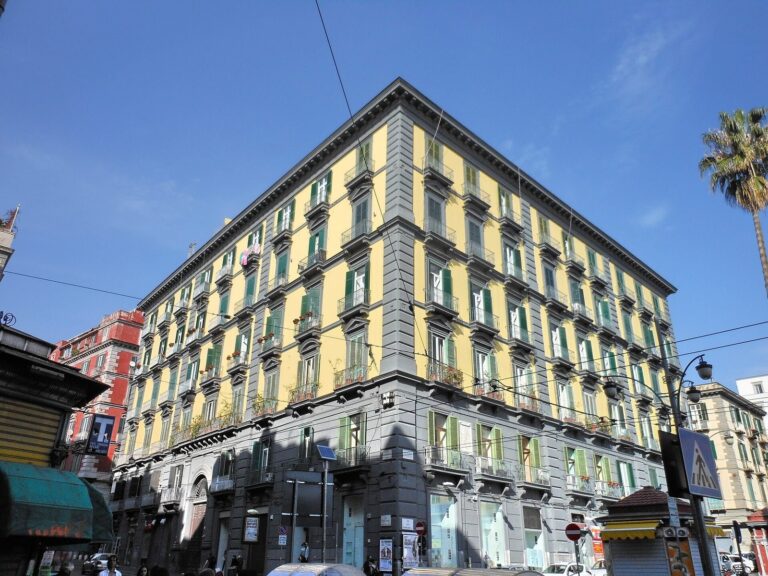
Palazzo Ruffo di Bagnara is an early 17th-century palace in Naples, Italy, commissioned by Giovan Battista De Angelis. It passed to his son, Francesco Antonio De Angelis, an adviser to Rodrigo Ponce de León, the Spanish Viceroy of Naples and Duke of Arcos.
In 1647, during the Masaniello revolt, a popular uprising in Naples, the palace was attacked and plundered because of Francesco Antonio’s association with the viceroy.
Reconstruction for the Ruffo family
Fabrizio Ruffo acquired the partly ruined palace in 1673. He was the brother of Carlo Ruffo, the third Duke of Bagnara. Fabrizio’s wealth, increased by spoils from a clash with Muslim pirates, helped finance the palace’s reconstruction and enlargement. The architect Francesco Antonio Picchiatti was commissioned to carry out the work.
Restoration and later residence
In the first half of the 19th century, Vincenzo Salomone restored the palace for Vincenzo Ruffo, the 12th Duke of Bagnara. The Italian writer Basilio Puoti lived there during the 19th century.
Remains
Palace features
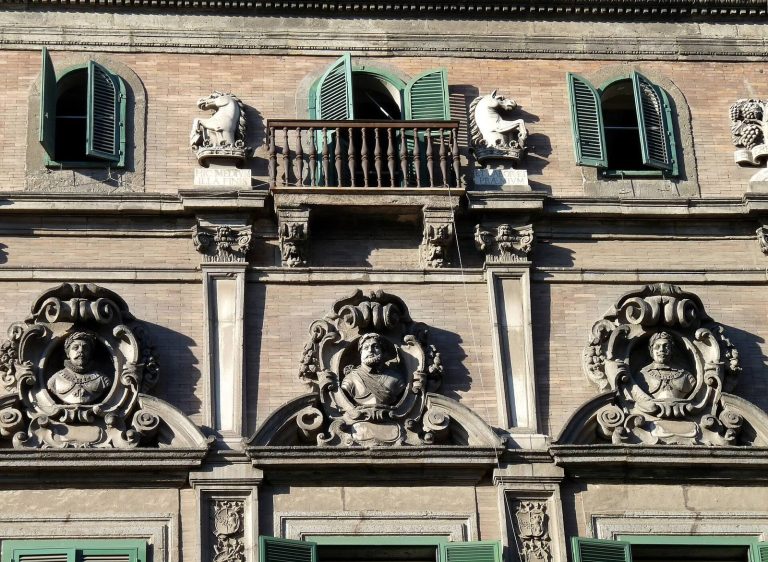
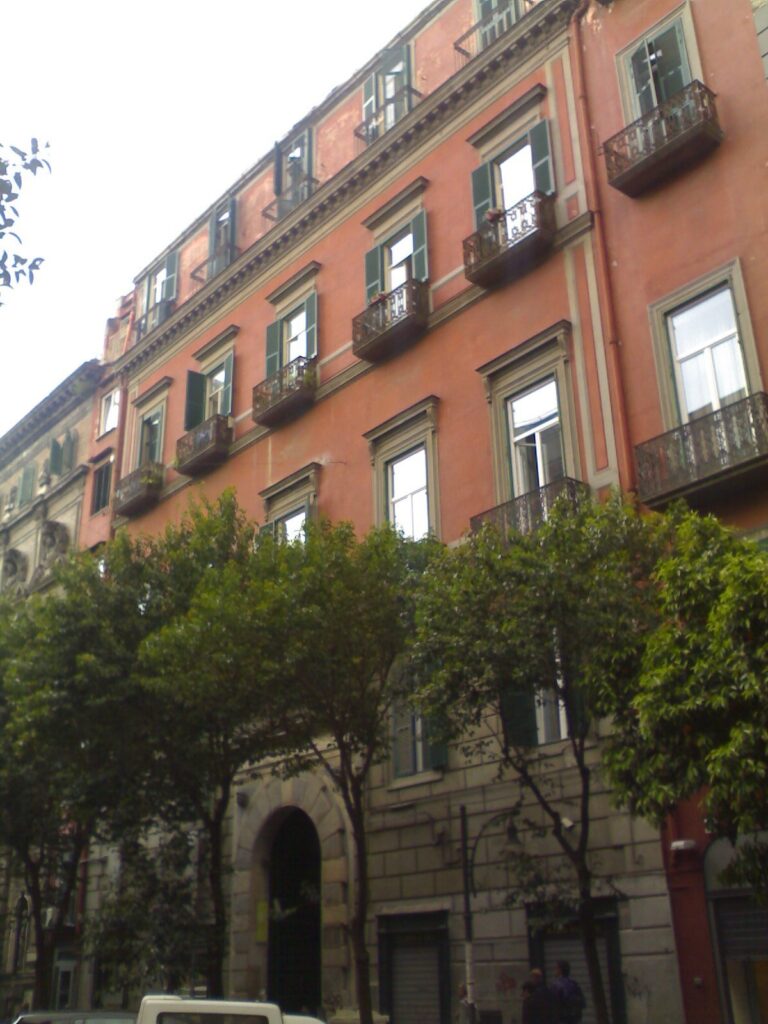
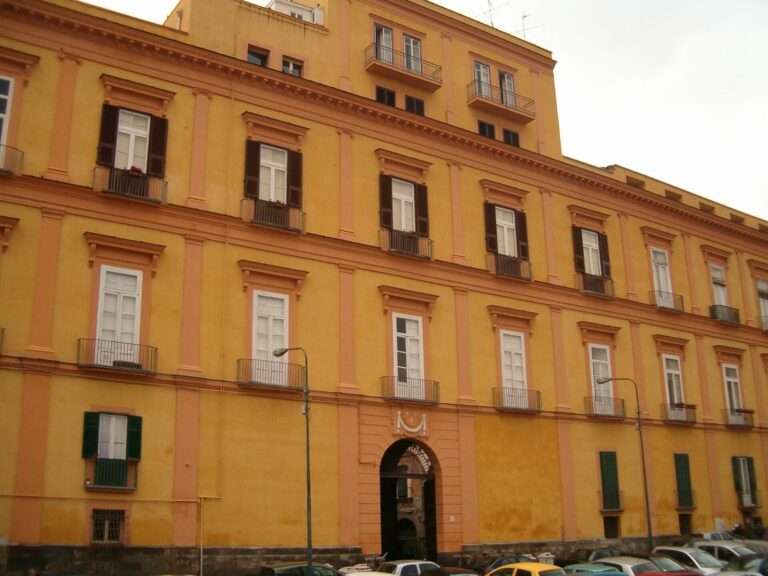
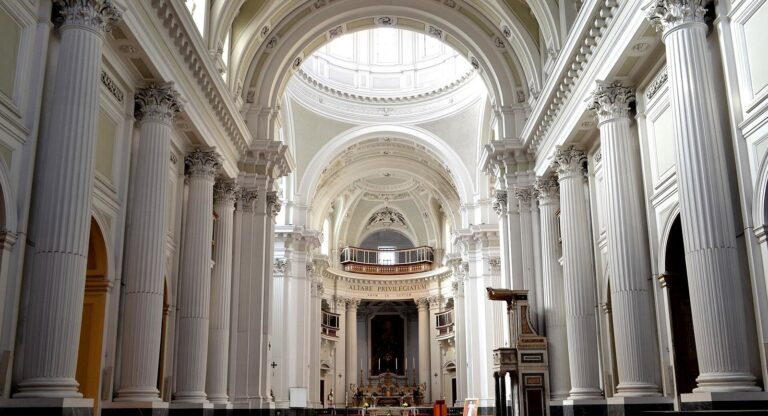
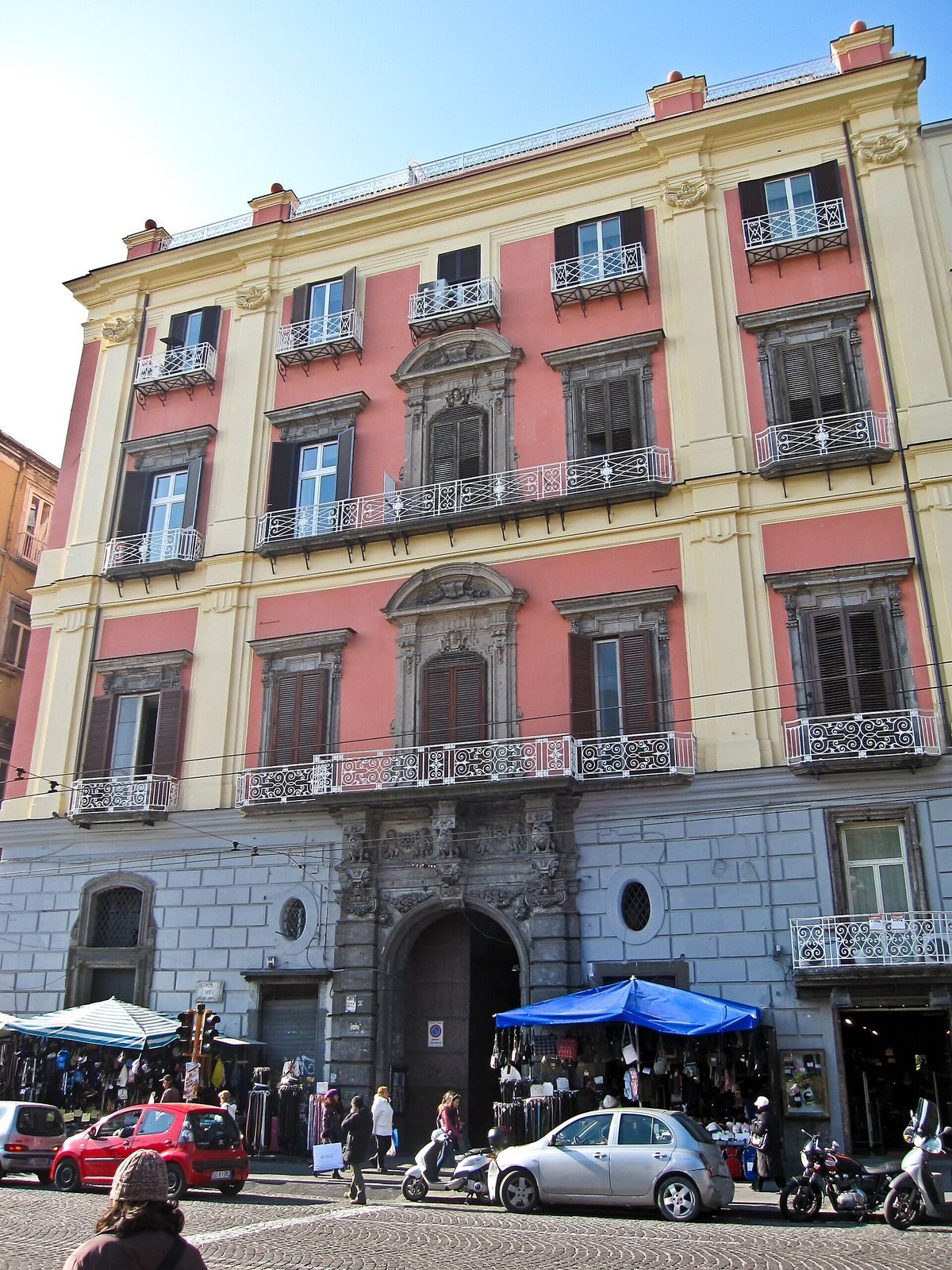
The palace stands in Piazza Dante, in Naples’s Avvocata district, and remains in residential use. Its architectural features include a chapel on the left side of the façade, a Baroque portal, and sculpture on the staircase.
Chapel
The chapel is positioned on the left side of the façade, with its entrance on that side of the building.
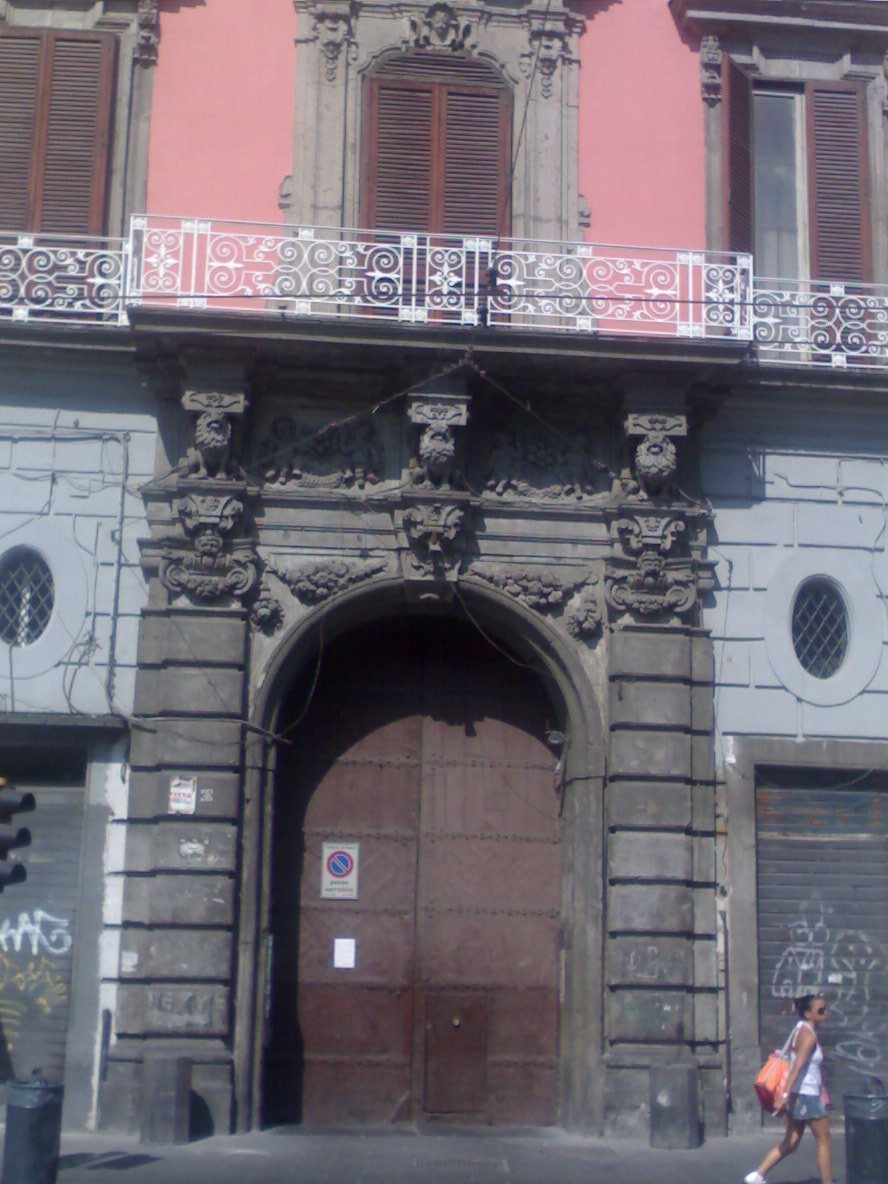
Baroque portal
A Baroque portal forms one of the palace’s noted architectural features.
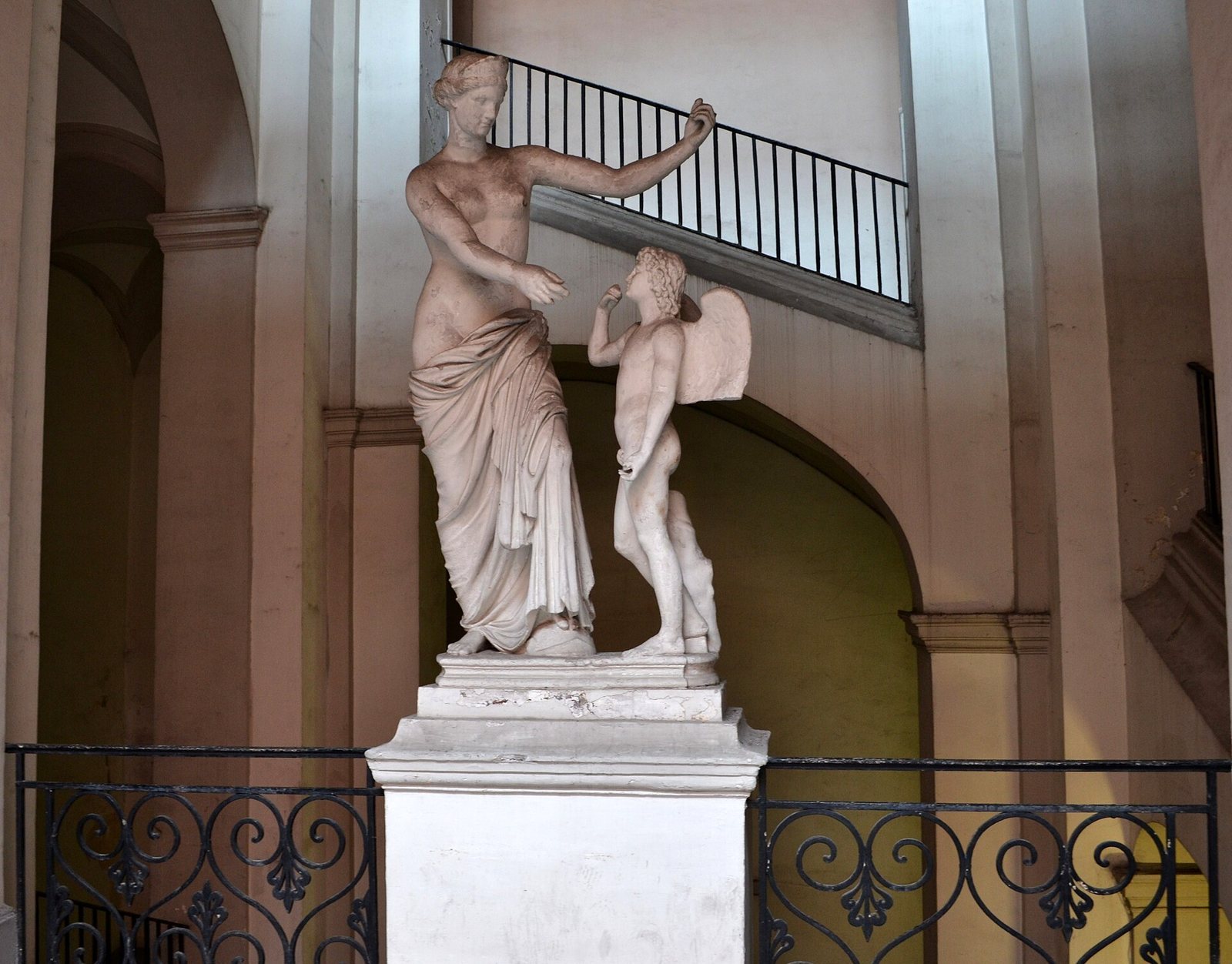
Staircase sculpture
A sculptural group is located on the palace staircase.