Abbey of Valsaintes: A Cistercian Monastery in France
Site at a Glance
- Popularity
- Medium
- Country
- France
- Primary era
- Early Modern
- Eras represented
- Early Modern
- Civilizations
- French
- Site type
- Religious
- Remains
- Monastery
On this page11 sections
History
The Abbey of Valsaintes is a former Cistercian monastery in France, founded in the late twelfth century and later moved to Boulinette. The Cistercians were a monastic order that emphasized communal religious life and agricultural work.
Early occupation and foundation
Stone tools point to human presence here in the Paleolithic, or early Stone Age. In antiquity, the place was associated with worship of Belenos, a deity of ancient Gaulish and Celtic traditions. The local name Boulinette, also found as Bolinette, is linked to this cult. A monastery or hermitage stood at the original site before the Cistercian foundation. Saracen incursions destroyed it, and it was rebuilt when it became affiliated with the Cistercians.
In 1144, Malachy of Armagh, an Irish archbishop and church reformer, expressed a wish to establish a monastery in the valley while travelling from Rome back to Ireland. Nearly four decades later, Bertrand Raimbaud, lord of Simiane, donated land for the foundation. The donation took place in the presence of Norbert, head of Silvacane Abbey, its cellarer Augier, who managed provisions, and Alberic, its senior monastic officer. Monks from Silvacane established the abbey within the Morimond branch of the Cistercian network. Morimond was one of the order’s major early abbeys. Valsaintes was dedicated to Saint Mark.
Medieval lands and decline
The monks cleared and cultivated the valley, developing farming, livestock raising, milling, and glassmaking. Sheep and pigs were kept at Carniol, a monastic farm estate, while the abbey’s glassmaking became particularly well regarded. The abbey also held lands and rights at Corbières. It received a one-third share in the lordship in 1191, confirmed in 1194, and in 1198 Abbot Étienne acquired another one-third share from Isnard de Corbières.
Carniol belonged to the abbey by 1274. After the village was destroyed during the Hundred Years’ War, the monks repopulated it in the sixteenth century. In 1425, the abbey pledged its jurisdiction at Corbières for 100 florins and recovered it in 1458. In 1566, Abbot Benoît de Bonajust gave up the abbey’s claims over Corbières in return for a promise of either the lordship of Montsalier or an annual rent of 200 florins. His heirs paid the rent for a time and later arranged for it to be paid from the mills at Cadenet.
The Black Death, the mid-fourteenth-century plague pandemic, reduced the monastic community, and raids by the Great Companies, bands of mercenary soldiers active in France during the later Middle Ages, further damaged the monastery. Raymond de Turenne destroyed the small monastery. In 1425, the surviving monks took refuge at Silvacane, and the two communities were united. After a major flood of the Durance ruined Silvacane in 1440, the abbots of Valsaintes were reinstated.
Move to Boulinette and early modern disputes
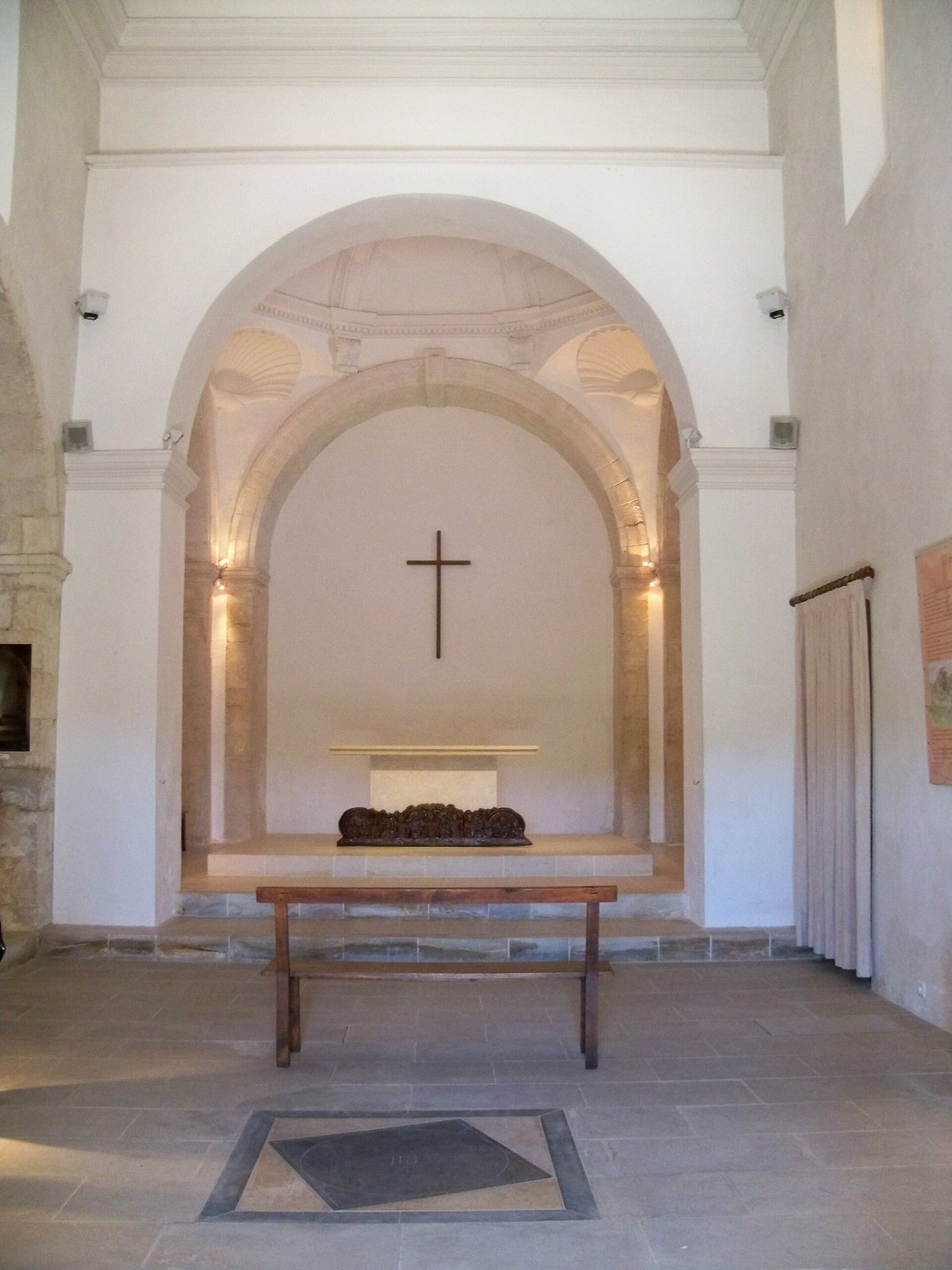
In 1657, Henri de Garnier transferred the land of Boulinette to the Cistercians for their upkeep. At the request of Tédénat, the abbot of Morimond ordered the community to move to the castle there, while retaining the name Valsaintes. Work on new abbey buildings had begun in 1660, and the monks moved in 1668. The construction continued until 1672, and architectural elements were taken from the former monastery for use at the new site. The new abbey church was consecrated on 26 May 1672.
Morimond and Cîteaux, the Cistercian order’s founding abbey, disputed authority over Valsaintes. Jacques le Gras, appointed by Morimond, and François de Bergue, associated with Cîteaux, were central to the conflict. On 12 December 1684, the Parlement of Aix, Provence’s high court before the French Revolution, confirmed de Bergue in possession. In 1696, the abbey acquired Prye in Nièvre from Jacques Louis Henri Sobieski, a Polish prince who had received it from his mother.
Revolution and later preservation
The monks were expelled in 1790 during the French Revolution, and the abbey was dissolved during the revolutionary period. The buildings were subsequently used as a farm, stable, and sheepfold before being abandoned. In 1996, the association ATHRE acquired the abbey and began restoring parts of the complex.
Remains
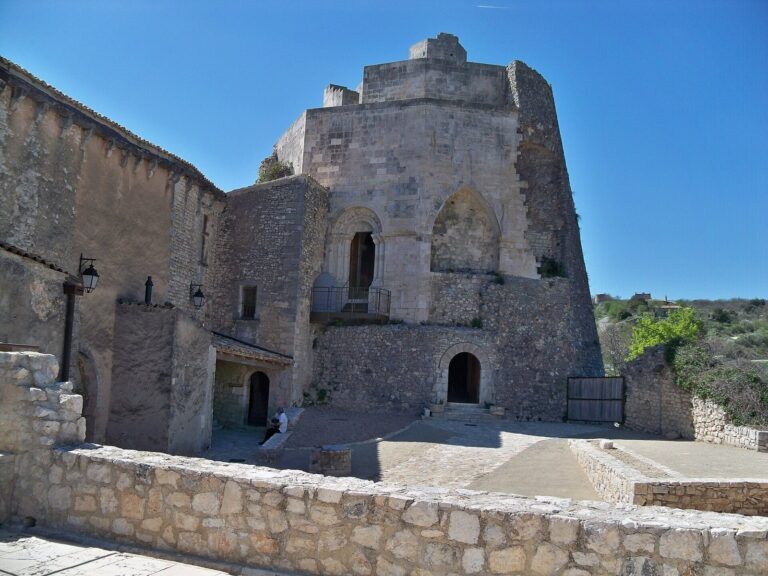
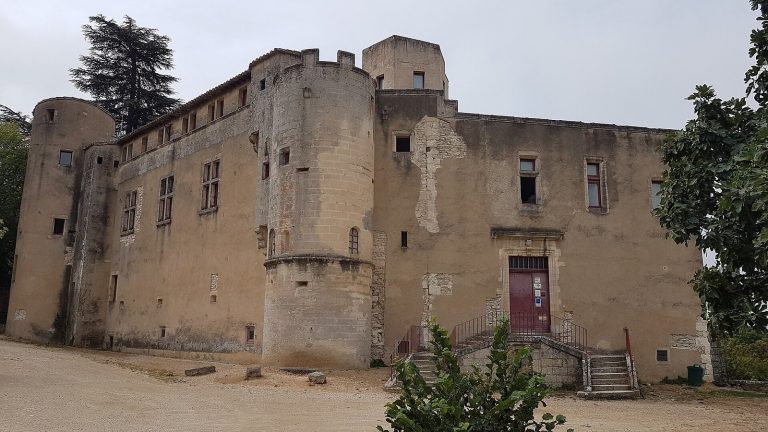
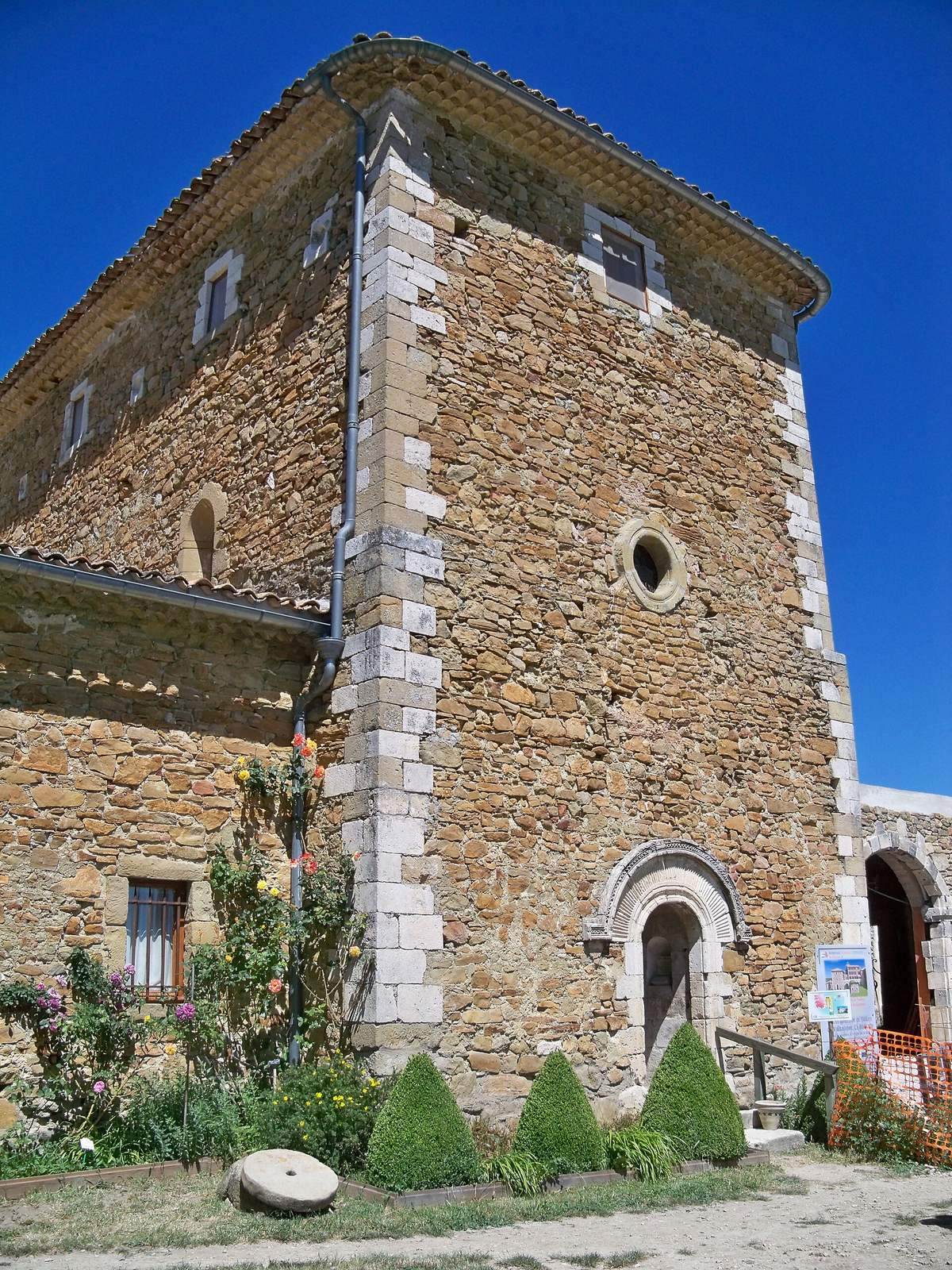
The remains occupy two locations. The original abbey site at L’Abbadie lies in a small valley near the source of the Calavon, about two kilometres from the later complex at Boulinette, which stands on a rise. The earlier site preserves the church and adjoining structures; at Boulinette, the buildings include residential wings incorporating the church.
The original abbey at L’Abbadie
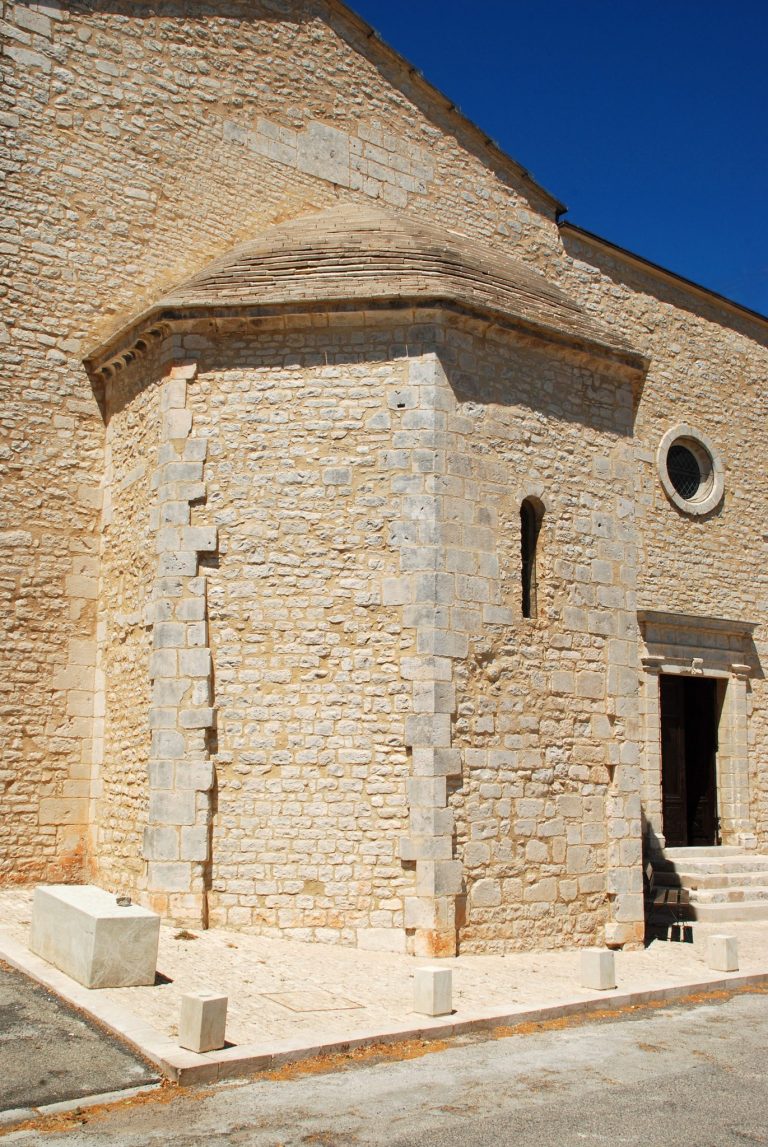
The church was a modest, chapel-sized building, probably constructed in the late twelfth or early thirteenth century. Its walls are about 1.25 metres thick. The single-nave interior has a straight-ended choir with three long, narrow windows, and a secular upper floor sits above the church space. The church is now used as a cellar. Other buildings adjoining it remain intact, while some ancillary structures stand in ruins.
The Boulinette complex
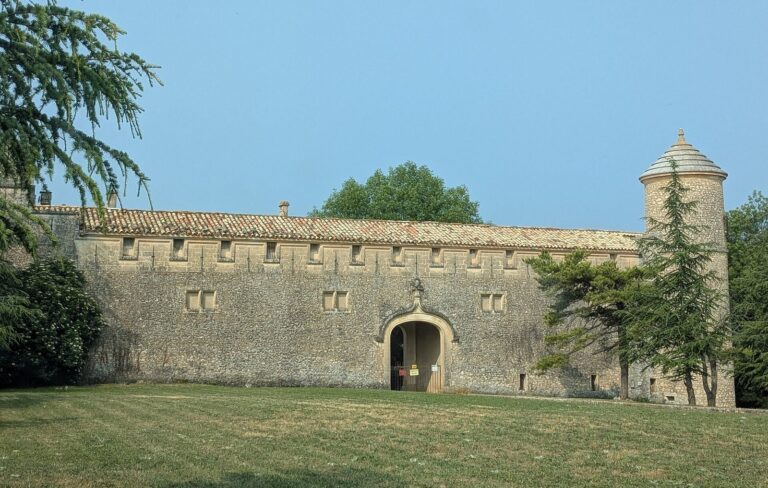
A rectangular, two-storey residential block incorporates the church on its lower floor. This wing is dated to about 1668–70. A second wing, probably built in the eighteenth century, was partly ruined during the twentieth century. Degraded portions of the complex have been restored.
Gardens and cultivated ground
Rose and dry gardens
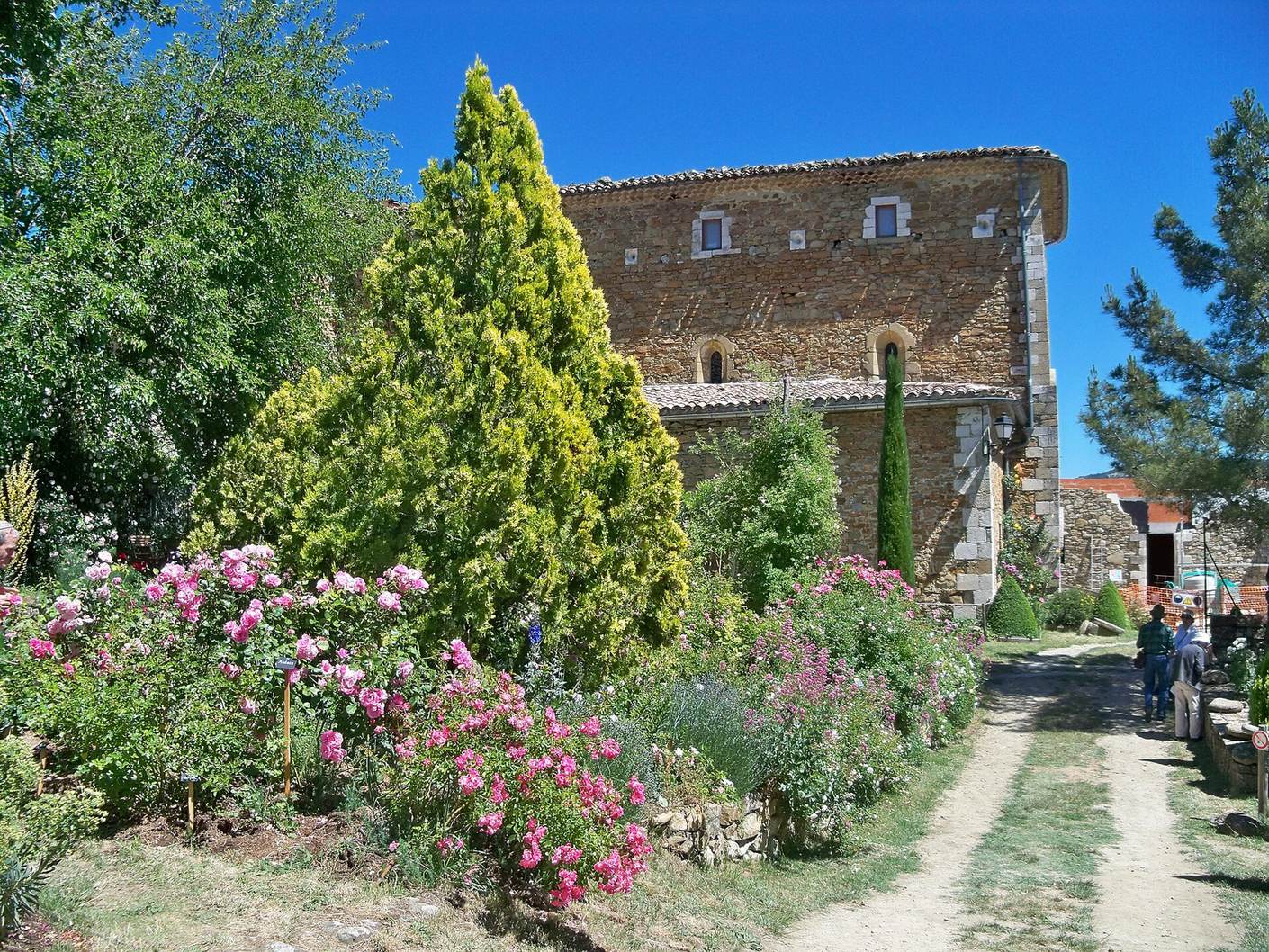
A rose garden arranged around the restored buildings contains 600 types of roses. A dry garden, planted in autumn 2012, holds more than 300 plant species chosen for their resistance to drought. A white downy oak on the grounds is estimated to be 300 years old.
Agroecological kitchen garden
The kitchen garden, which began taking shape in 2015, incorporates restored dry-stone walls, a 1,200-litre water reserve, and compost bins. Its planting plan combines vegetables and flowers beneficial to one another, uses green-manure plants, and selects crops to make efficient use of space and growing time.