Heemstede Castle: A Medieval Castle and Later Estate
Site at a Glance
- Popularity
- Medium
- Country
- Netherlands
- Primary era
- Early Modern
- Eras represented
- Medieval, Early Modern
- Civilizations
- Dutch, Holy Roman Empire
- Site type
- Domestic
- Remains
- House
On this page10 sections
History
Heemstede Castle was a late-13th-century castle in the Netherlands, built around 1280 by Dirk van Hoylede of the Vlaardingen region.
Medieval castle
The castle was burned and rebuilt over the centuries. It was destroyed in 1393, 1404, and 1426.
Adriaan Pauw and the Peace Bridge
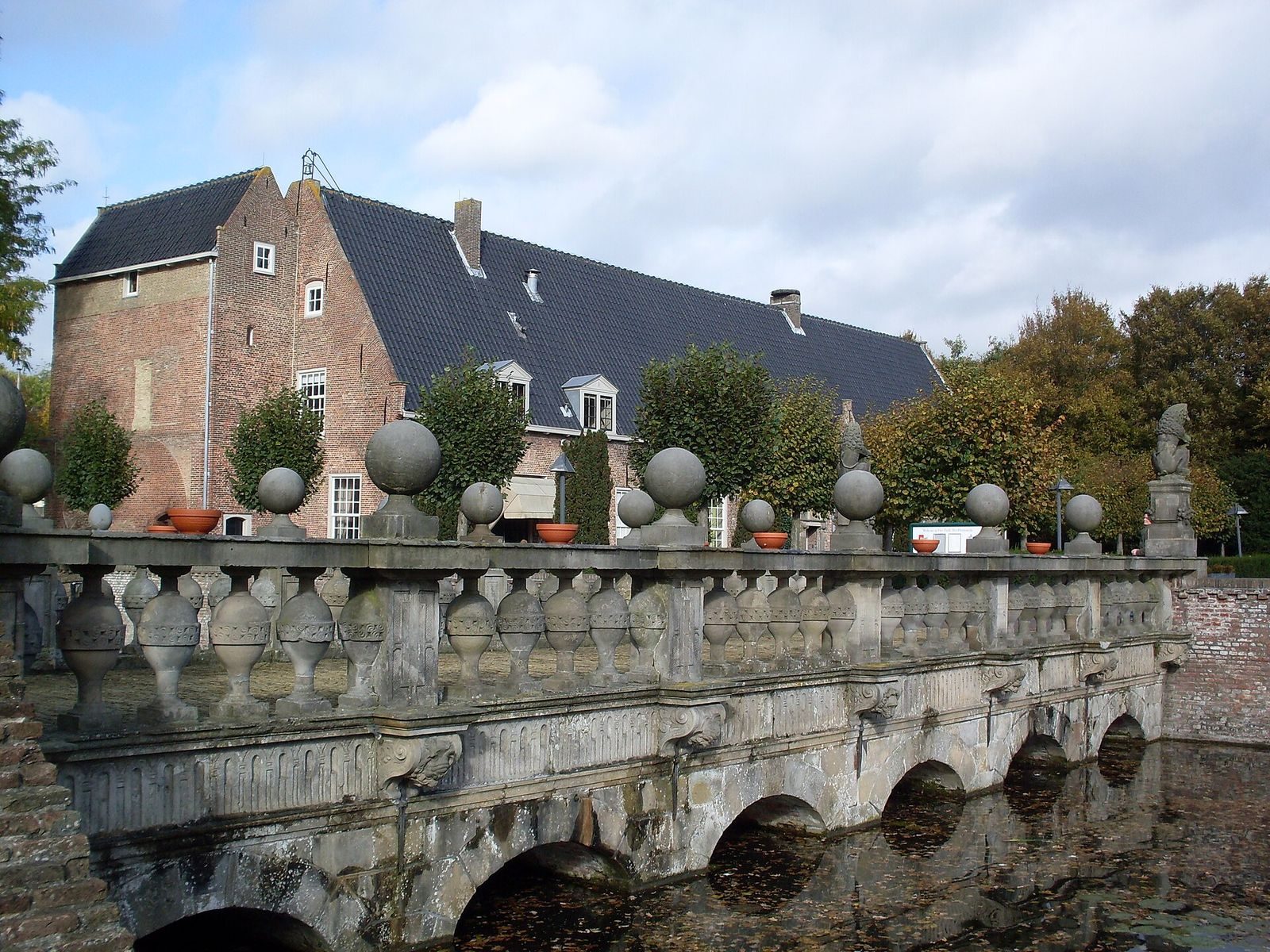
Adriaan Pauw bought the castle in 1620 and became its best-known owner. A Dutch statesman and diplomat active in 17th-century politics, he commissioned the Pons Pacis, or Peace Bridge, around 1648 to commemorate the Treaty of Münster. This peace settlement recognized the Dutch Republic’s independence, and Pauw played a role in it.
Demolition and replacement
By 1810, the castle had suffered years of neglect and severe subsidence. Jan Dolleman, the local magistrate, ordered its demolition that year. An estate called Het Oude Slot replaced the castle.
Remains
Castle foundations and estate features
The surviving site brings together the foundations of the brick castle and features associated with the later estate. The castle stood at the mouth of the Spaarne River on Haarlem Lake. The lake was drained in 1853, forming the Haarlemmermeer polder, an area of reclaimed land.
Medieval foundations
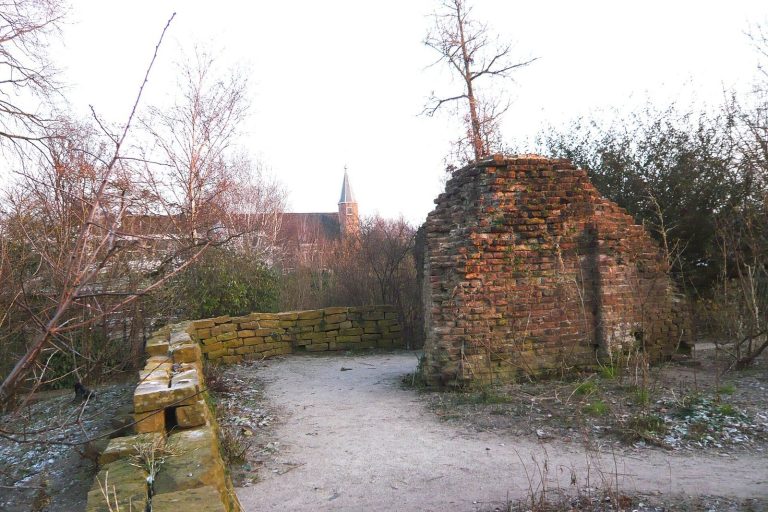
Only the castle’s medieval foundations remain of the original structure.
Nederhuys
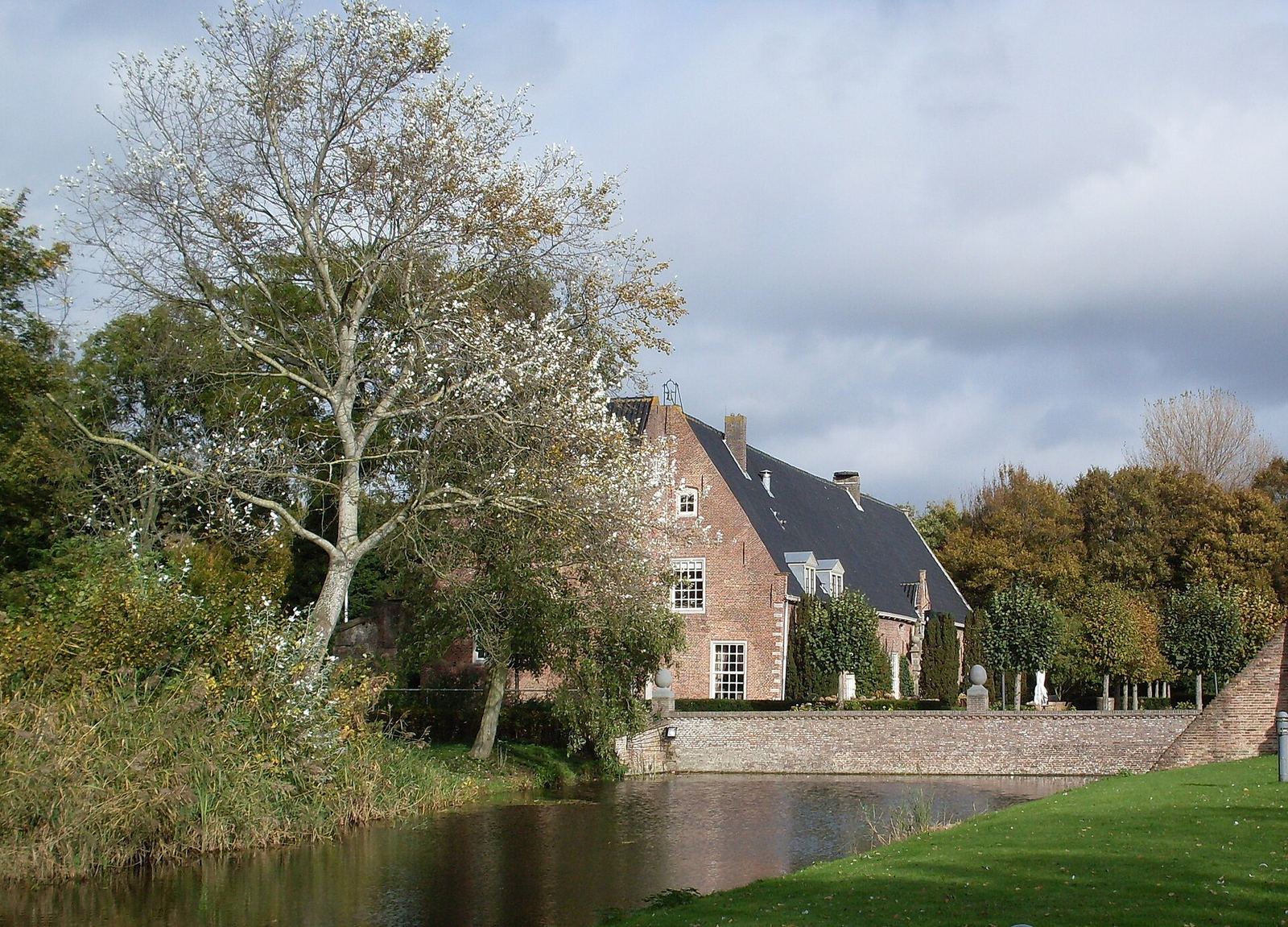
The Nederhuys survives intact. It is a gatekeeper’s house and was also the steward’s house and coach house of Het Oude Slot.
Pons Pacis
The Pons Pacis, or Peace Bridge, remains at the site.
Other surviving features
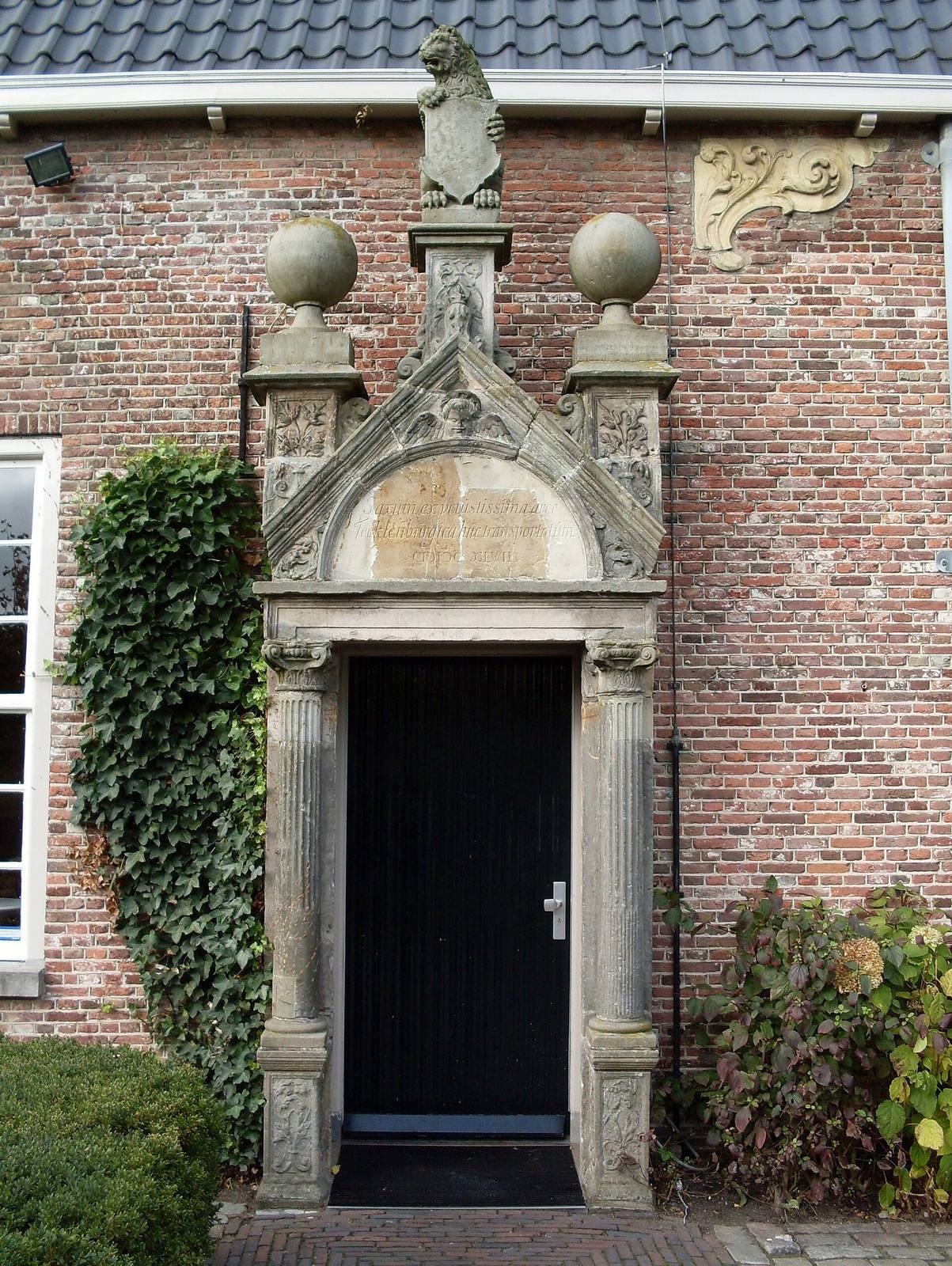
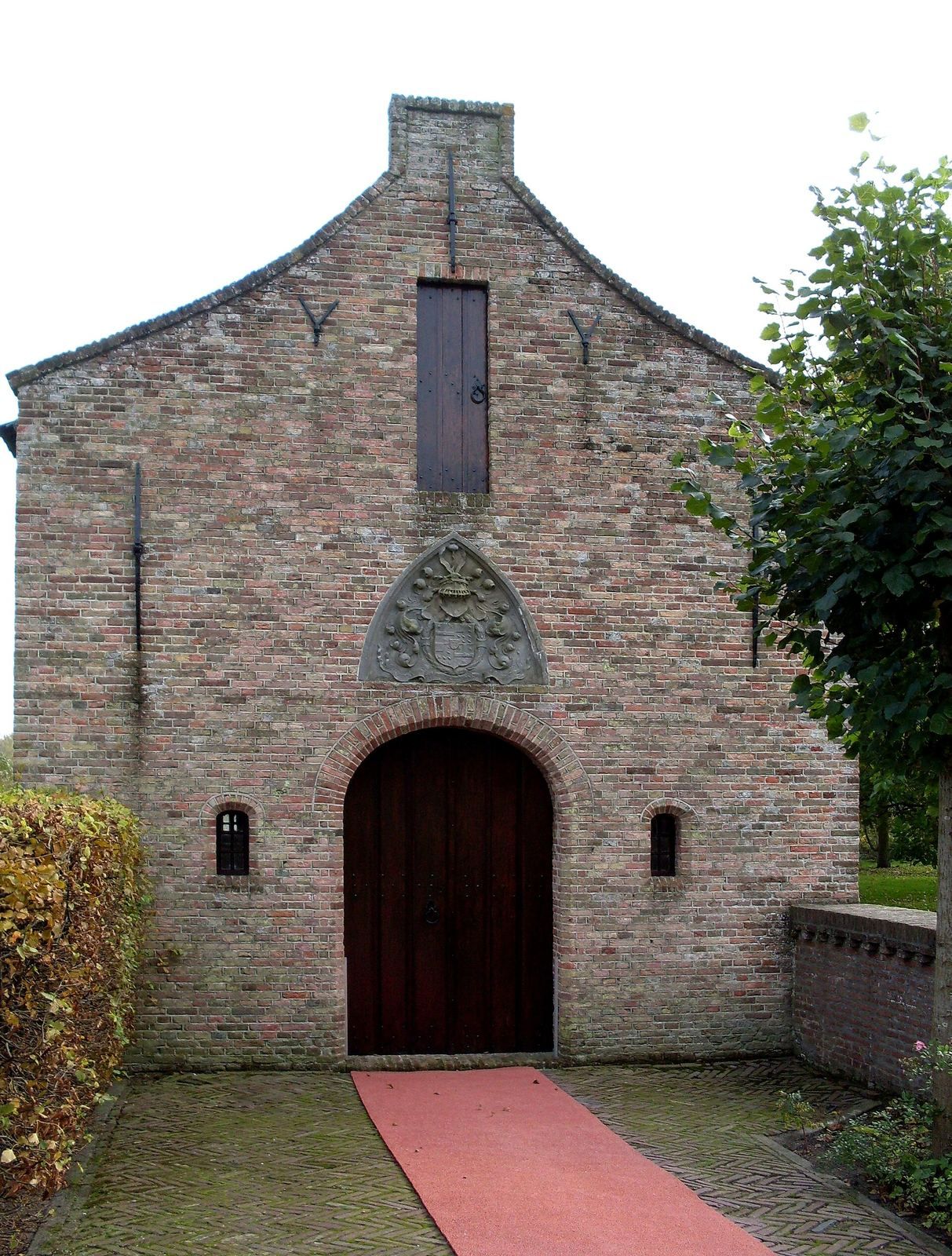
Other surviving features include the Duivenpoort, the Tecklenburgse Poortje, and a stone entrance gate bearing heraldic arms.