Schweppenburg: A Baroque Castle in Germany
Site at a Glance
- Popularity
- Medium
- Country
- Germany
- Primary era
- Early Modern
- Eras represented
- Early Modern
- Civilizations
- Electorate of Cologne, Holy Roman Empire
- Site type
- Domestic
- Remains
- Elite Residence
On this page7 sections
History
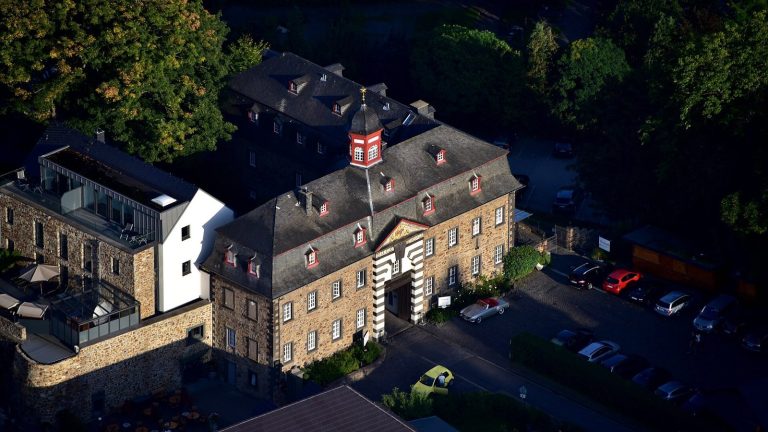
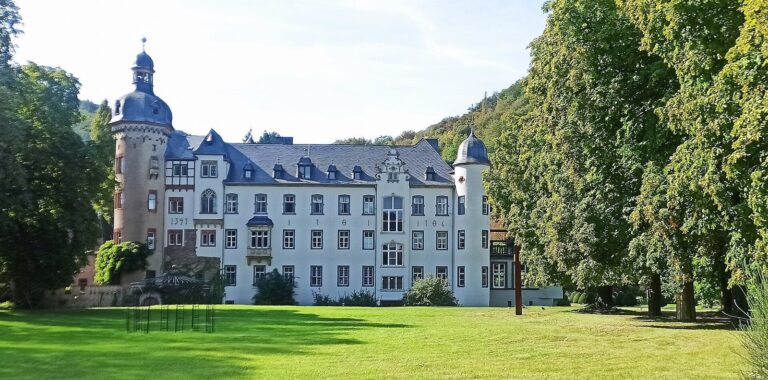
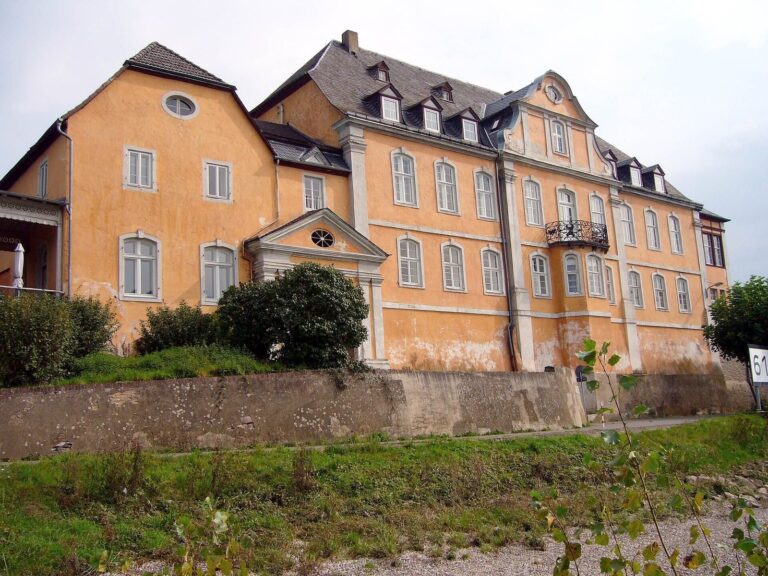
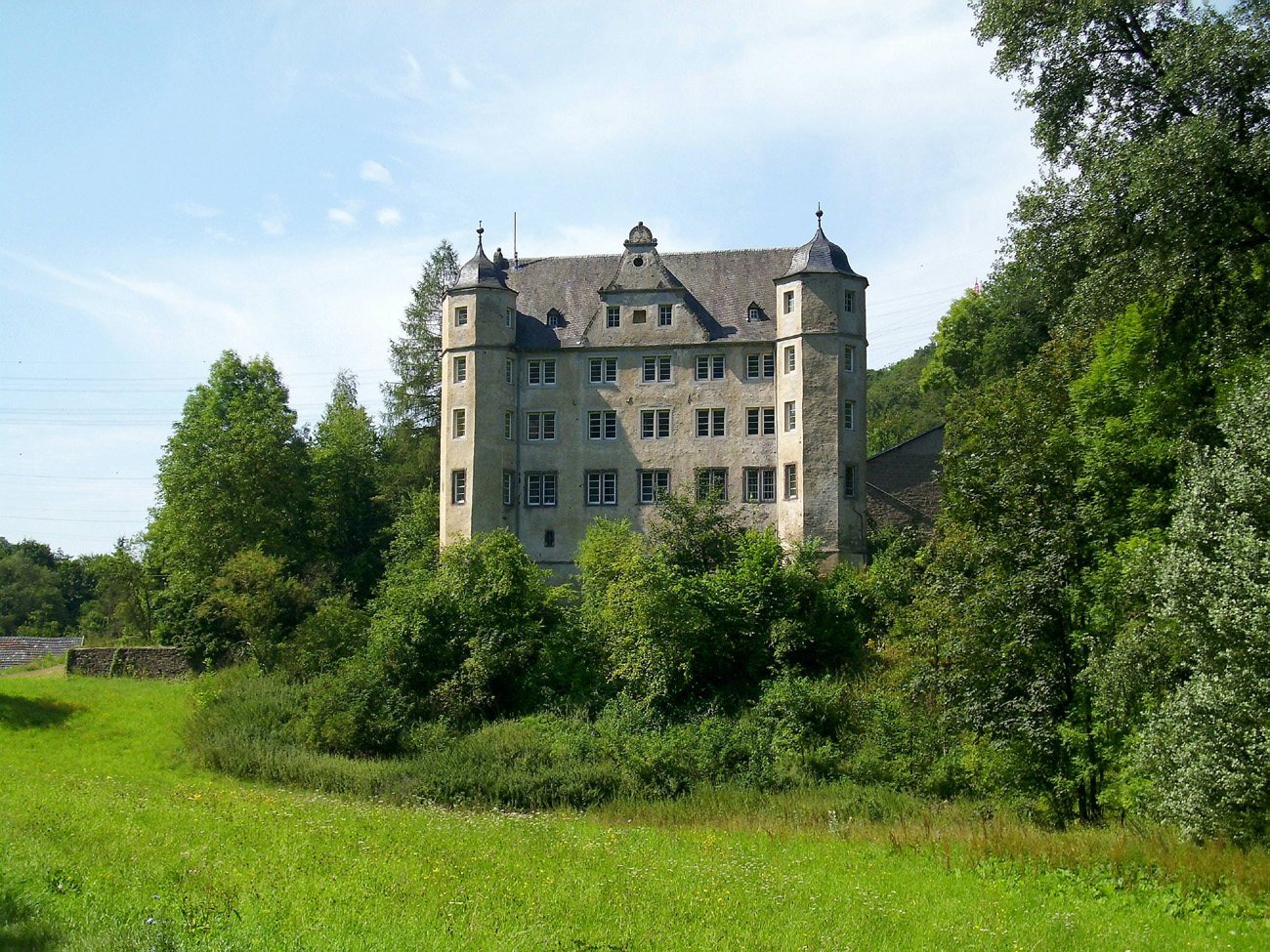
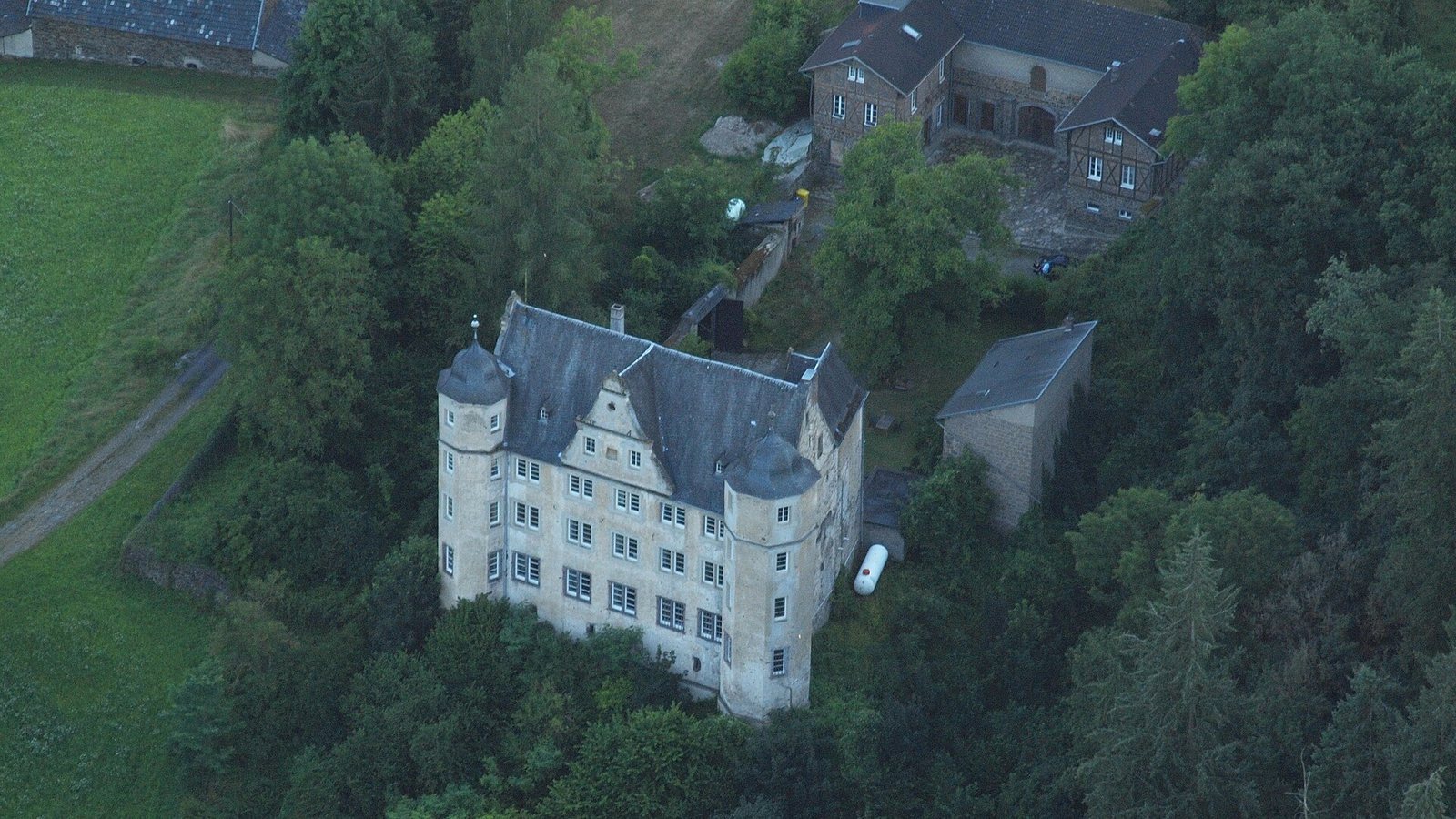
Schweppenburg is a castle in the lower Brohl Valley, in present-day Brohl-Lützing, Germany. It first appears in written records in 1365 and was remodelled into its present Baroque form in 1637–1639.
Medieval ownership
In 1377, the castle and its associated Schweppenburg or Mosen Mill passed to Arnold von Schweppenburg, an Andernach lay magistrate (a non-clerical civic official with judicial duties). He held them as a fief (property held from a superior lord in return for obligations) of the Electorate of Cologne, an ecclesiastical principality governed by Cologne’s archbishop-electors.
Baroque remodelling and later ownership
Under Bertram von Metternich, Schweppenburg was remodelled in 1637–1639, acquiring its present Baroque character. In 1716, a branch of the von Geyr family, part of Cologne’s urban elite, bought the castle. The branch was also known in Cologne as Gir and later adopted the name von Geyr zu Schweppenburg. The former fortified complex was used as farm buildings before its demolition in 1785.
Remains
The surviving built features include the castle and its associated mill.
Surviving structures
Baroque palace
The preserved castle is a Baroque palace.
Schweppenburg or Mosen Mill
The mill associated with the castle remains in operation.