Solvay Castle: A Nineteenth-Century Manor House and Estate in Belgium
Site at a Glance
- Popularity
- Medium
- Country
- Belgium
- Primary era
- Modern
- Eras represented
- Modern
- Civilizations
- Belgian
- Site type
- Domestic
- Remains
- Manor House
On this page6 sections
History
Construction and transformation
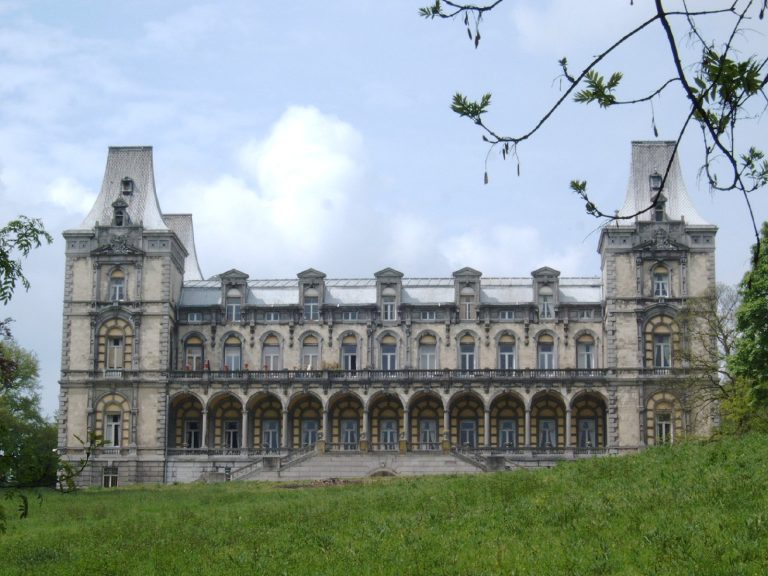
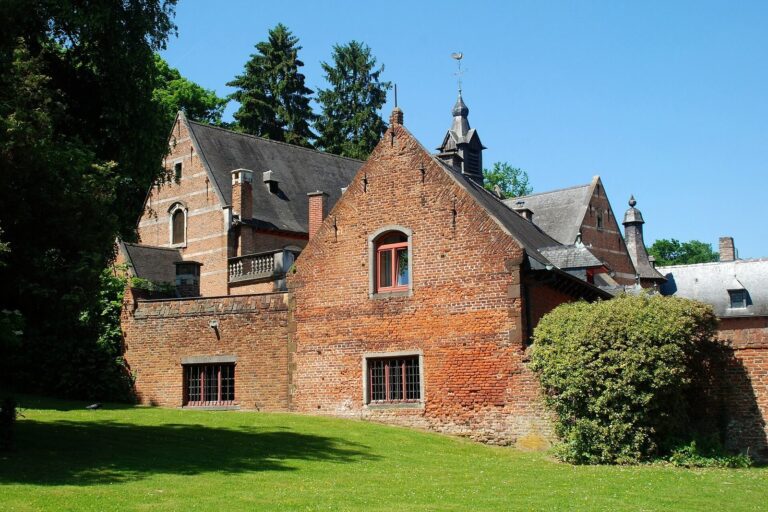
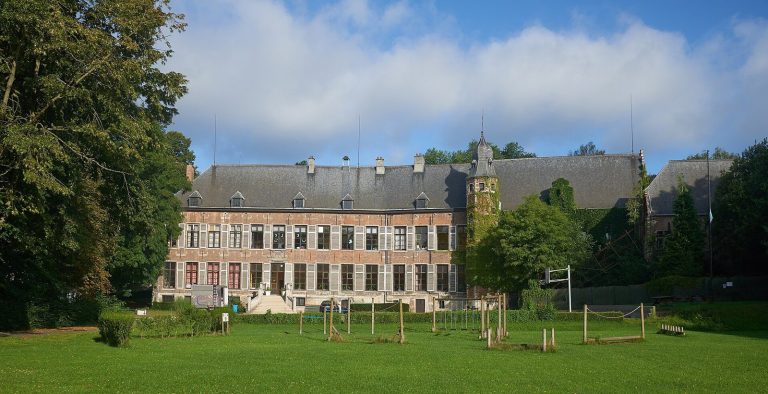
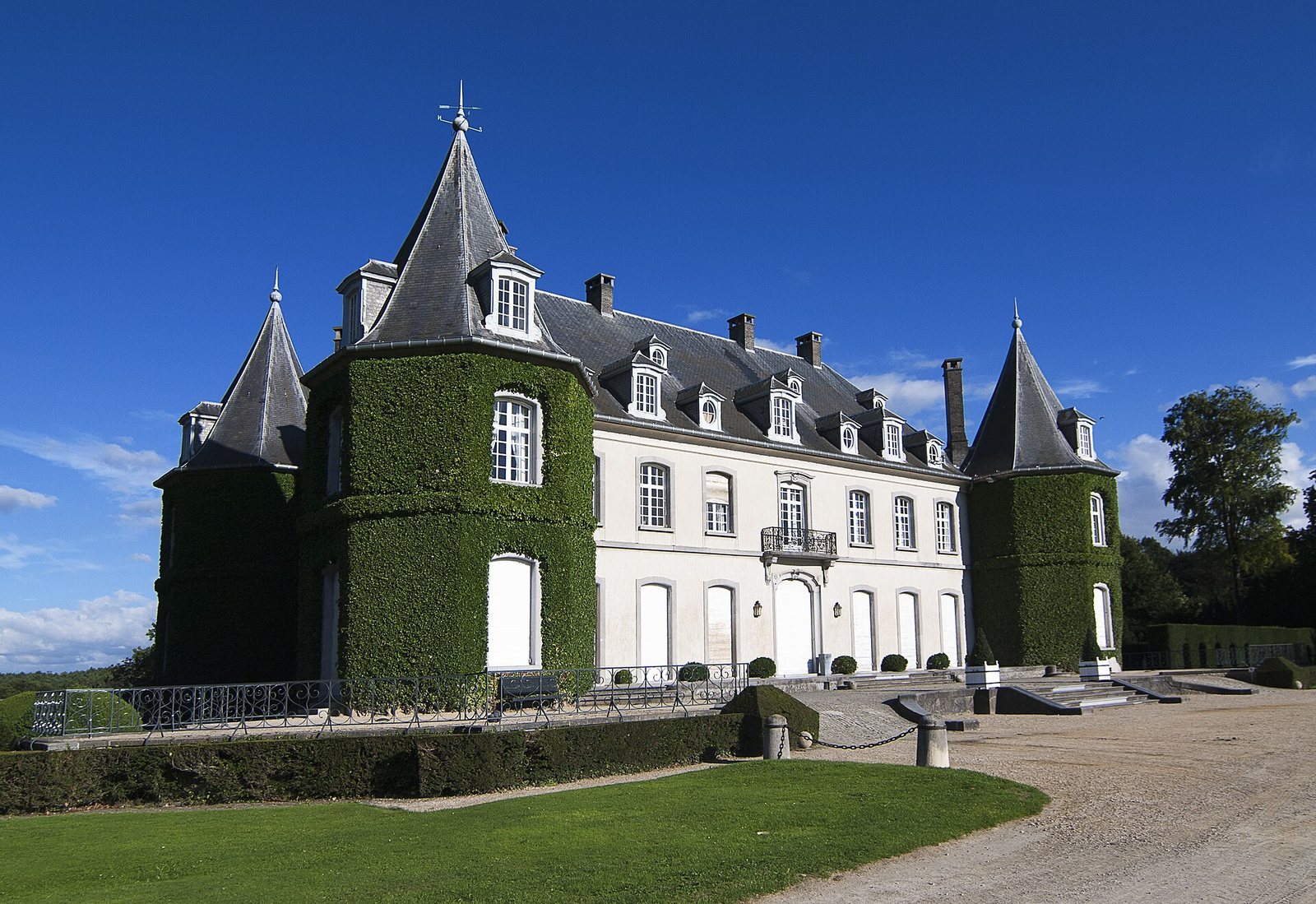
Solvay Castle is a nineteenth-century manor house in La Hulpe, Belgium. Construction began in 1838 for Maximilien de Béthune and was completed in 1842. Architects Jean-Jacques Arveuf-Fransquin and François Coppens designed it in the Flemish neo-Renaissance style, which revived Renaissance forms within a Flemish tradition.
Industrialist and chemist Ernest Solvay bought the estate in 1893. He renovated the park and substantially remodelled the castle, altering its original architectural character. English landscape architect Russell Page may have modified the park in 1937.
Educational and cultural use
In 1968, the entire property was donated to the Walloon regional government on the condition that it serve educational purposes. In 2000, the government permitted Belgian artist Jean-Michel Folon to open a museum in the park. After Folon’s death in 2005, the institution became the Fondation Folon.
The property is protected as Exceptional Heritage of the Walloon Region, a regional heritage designation.
Remains
Castle and formal garden
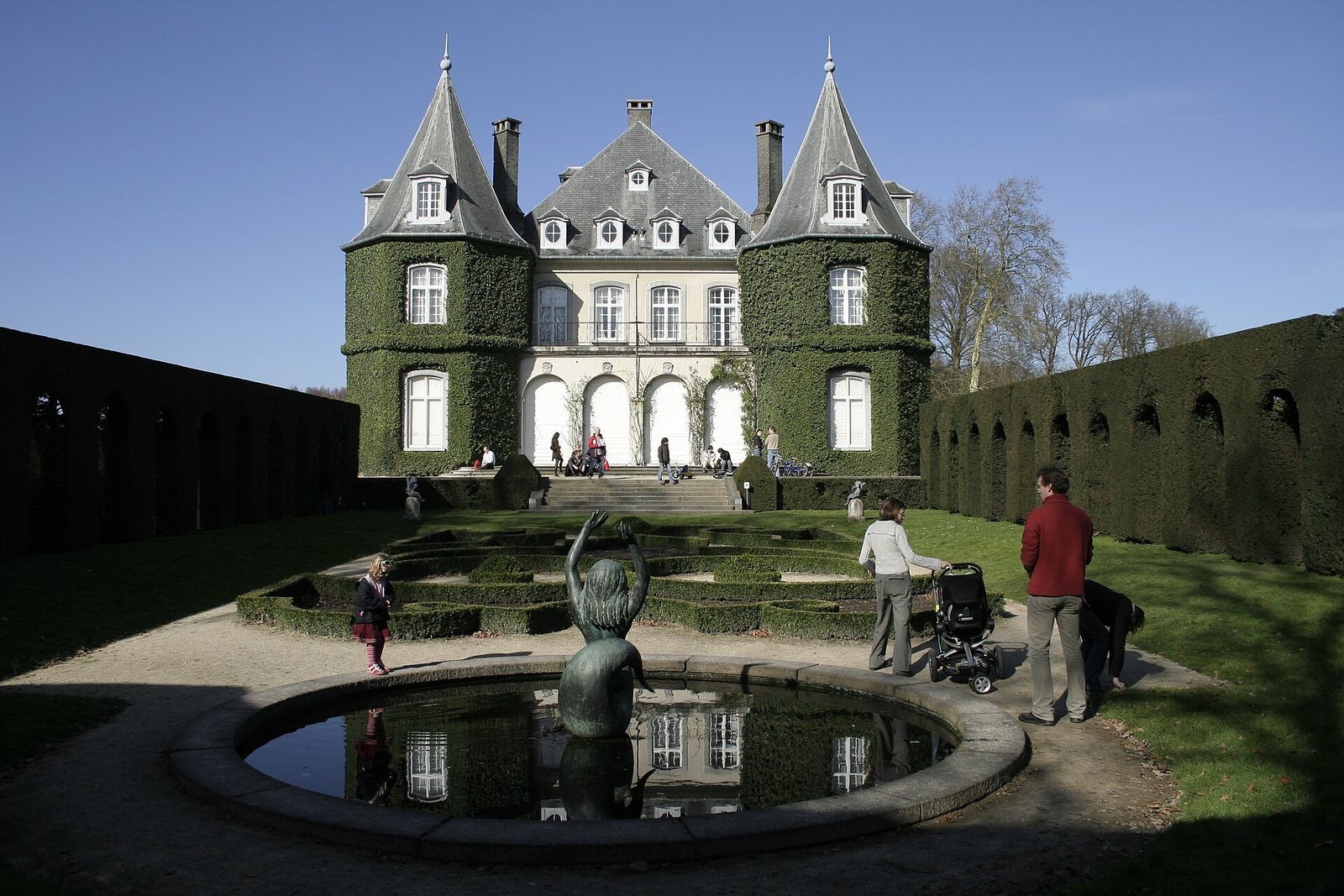
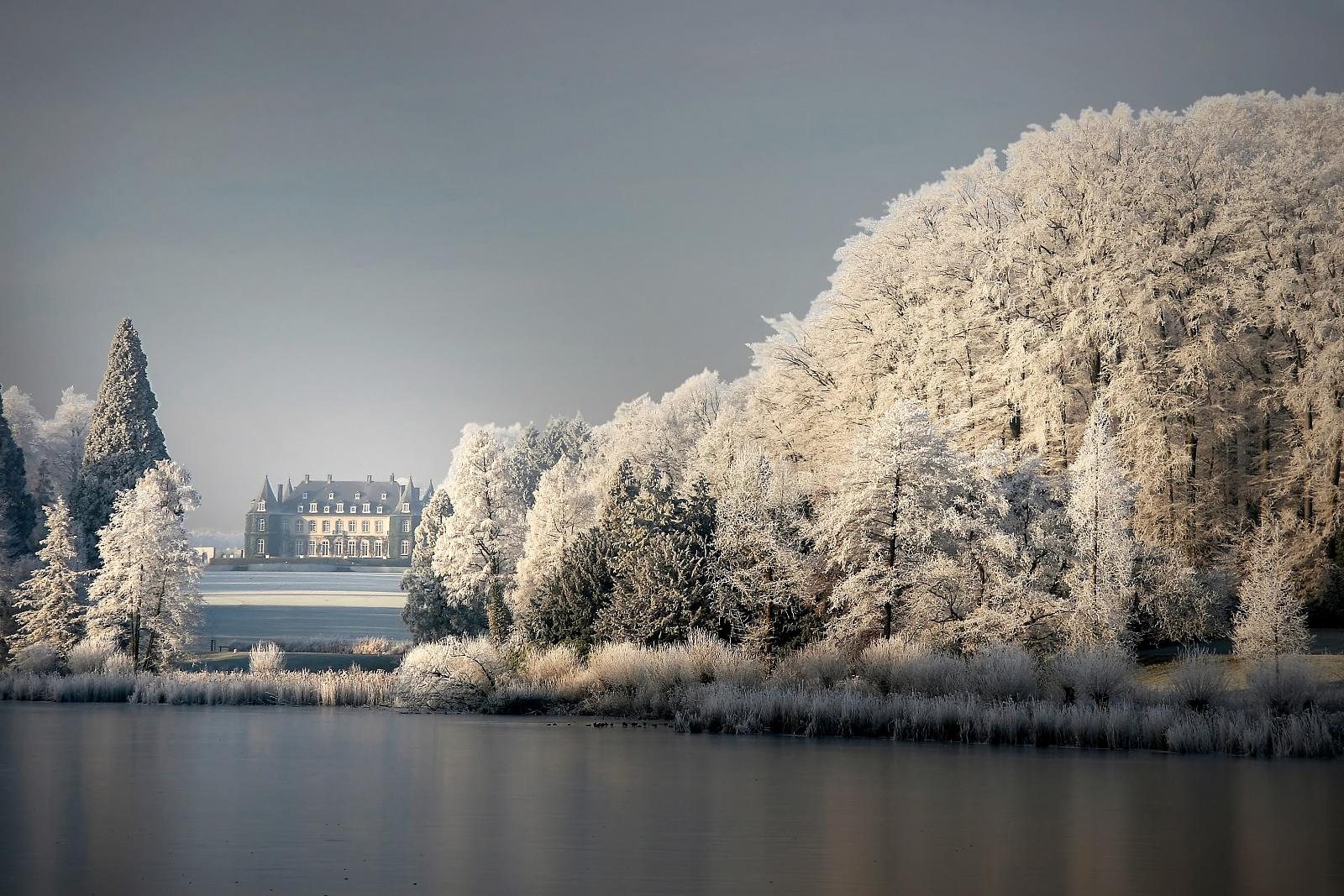
The estate’s layout centers on the manor house, which stands on a hill overlooking a broad lake. Its grounds include a French formal garden, arranged in an ordered, geometric design. Together, the house and garden form the principal built group within the larger park.
Parkland and lake
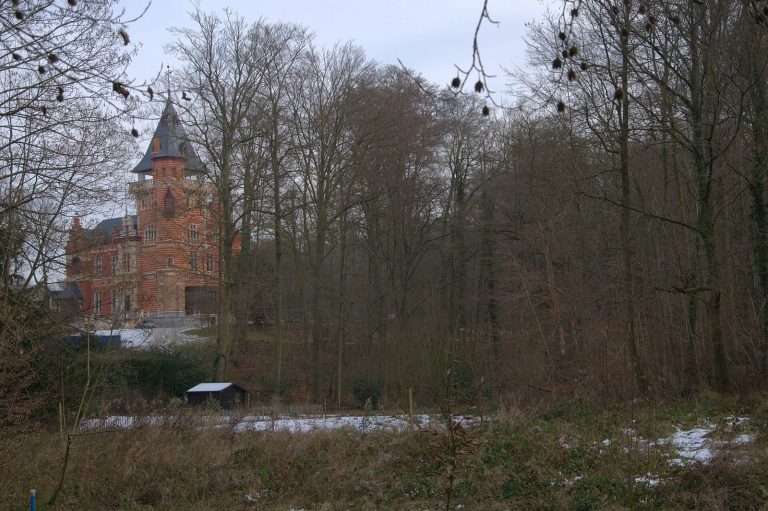
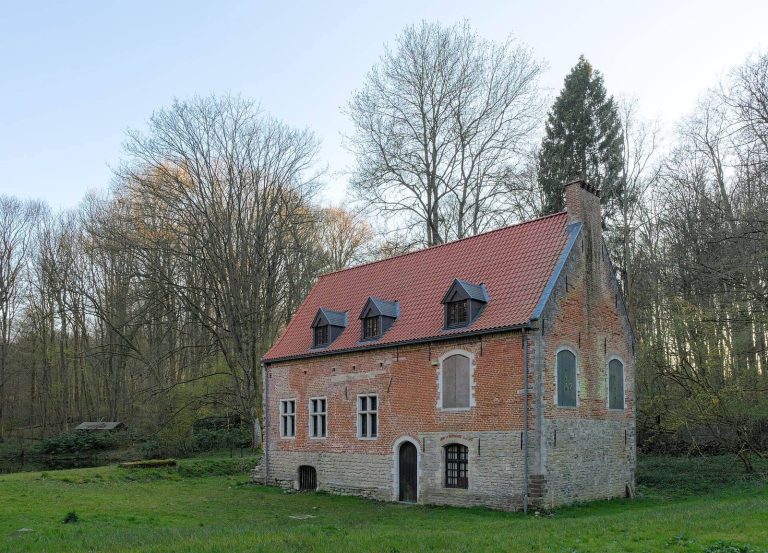
The park covers more than 220 hectares and combines an English-style, naturalistic landscape with mature trees and woodland. Rhododendrons and azaleas grow among tree species that include large redwoods and oaks. Planned paths and viewpoints look toward the woodland, while the broad lake forms a major feature of the grounds. The park also contains a Solvay obelisk, a tall, tapering monument, and a distinctive water pump designed by Brussels architect Victor Horta, who was associated with Art Nouveau, an ornamental style in architecture and decorative arts.