Forte Gazzera: A Fort in Venice’s Late-Nineteenth-Century Defences
Site at a Glance
- Rating
- 3.9
- Popularity
- Low
- Country
- Italy
- Primary era
- Modern
- Eras represented
- Modern
- Civilizations
- Italian
- Site type
- Military
- Remains
- Fort
On this page4 sections
History
Planning and construction
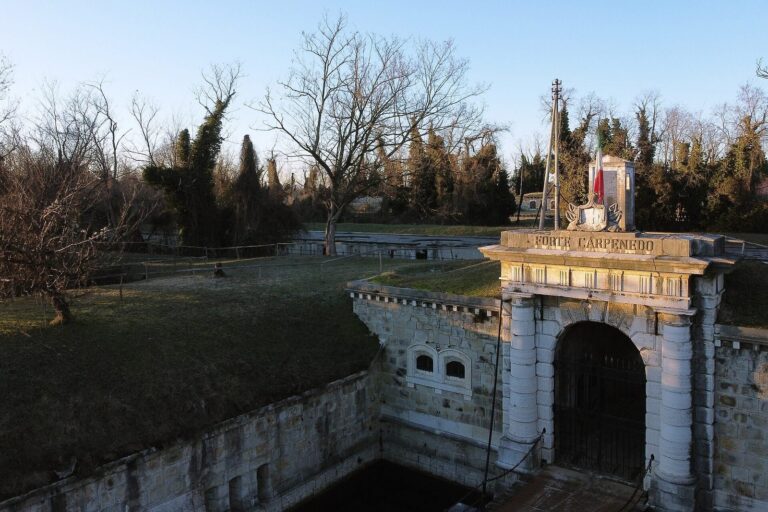
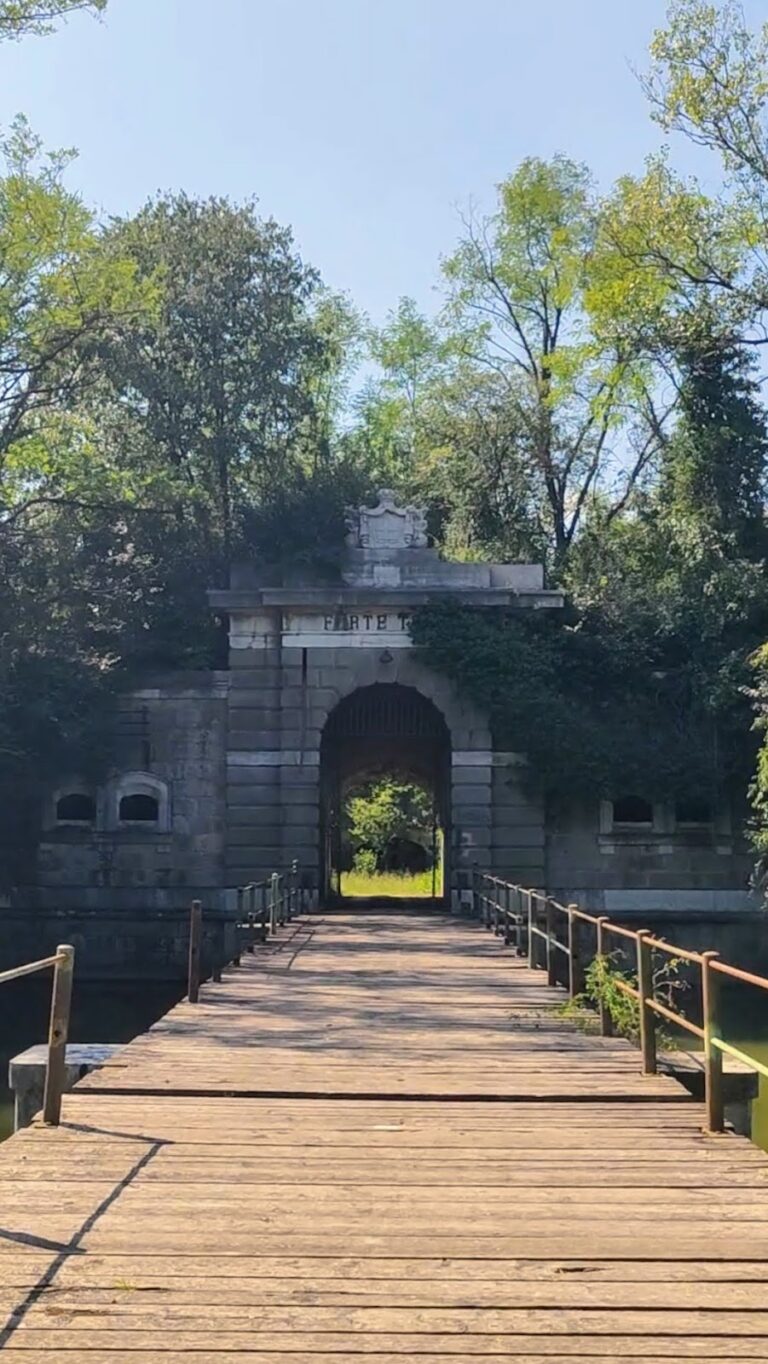
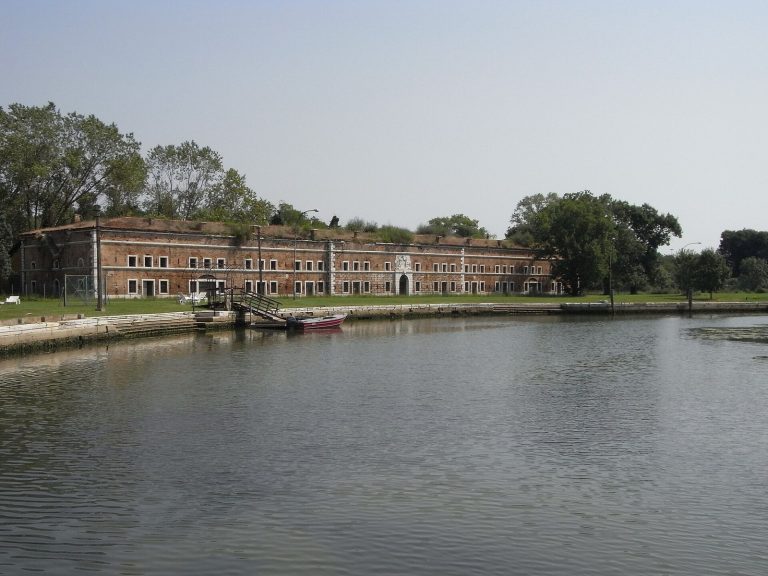
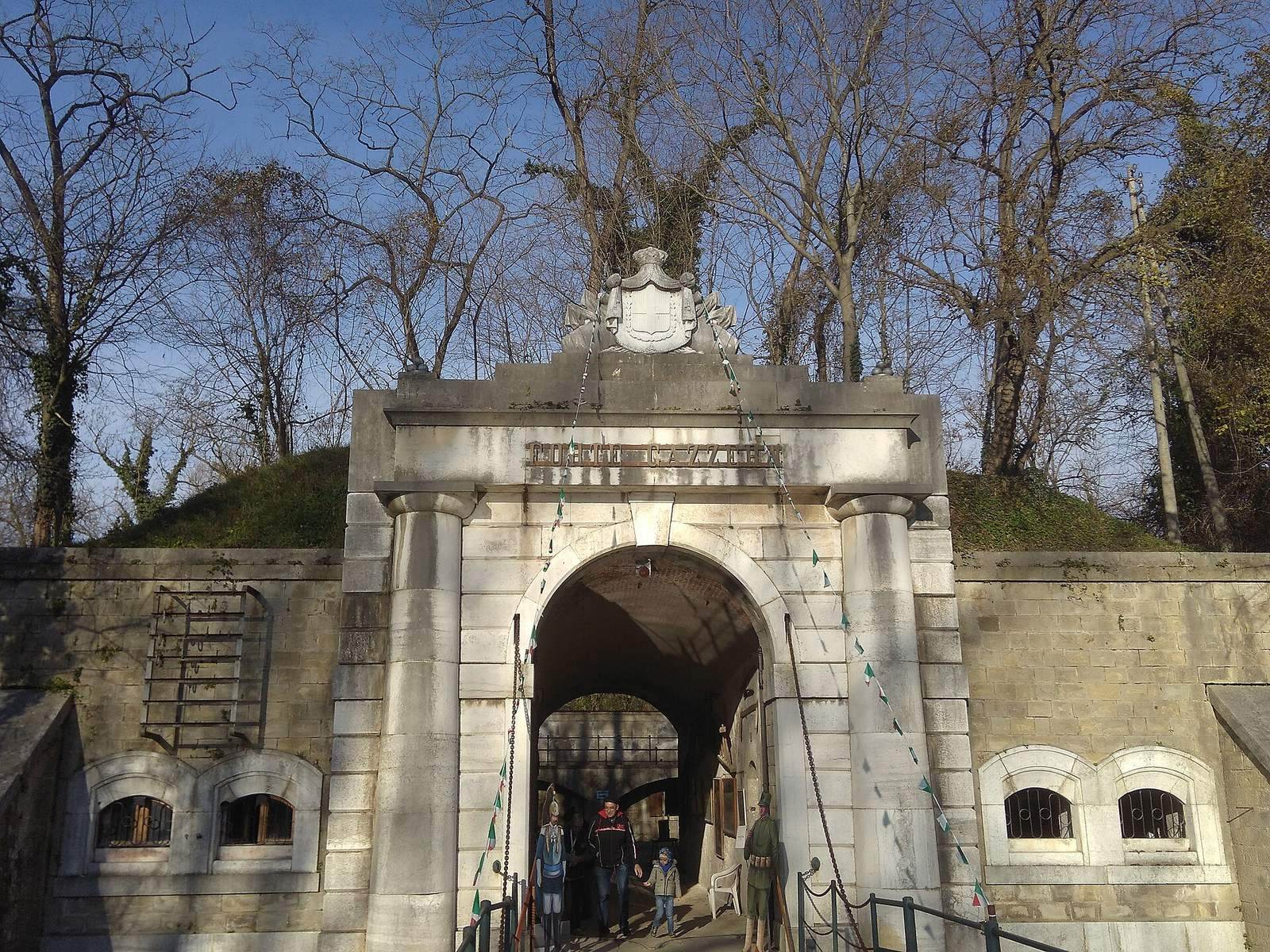
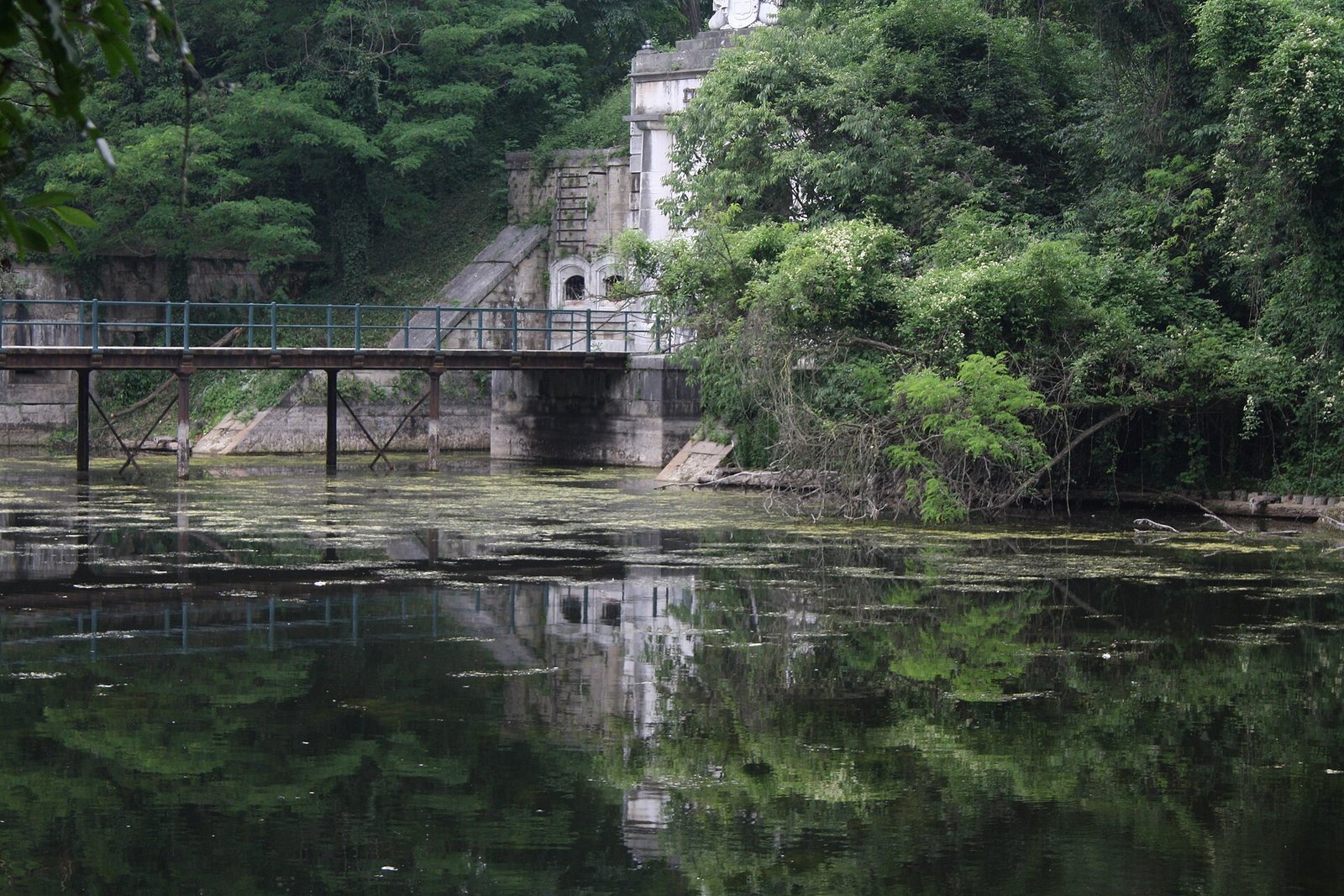
Forte Gazzera is a late-nineteenth-century fort on the Venetian mainland, near the Gazzera district in the municipality of Venice, Italy. Conceived in 1883 as part of the entrenched camp of Mestre, a defensive network of fortified positions, it belonged to the original core of that system alongside Forte Carpenedo and Forte Tron. The camp formed part of the wider defences of the Venetian lagoon. Forte Gazzera was completed in 1886 and followed a polygonal design based on Prussian models.
The project was proposed in Rome in 1883 and approved on 13 June. After a pause of about three years, during which the plan and costs were revised and minor improvements made, construction was put out to bid on 21 August 1886. The fort was built roughly half a century later than comparable European forts.
Military use and later adaptation
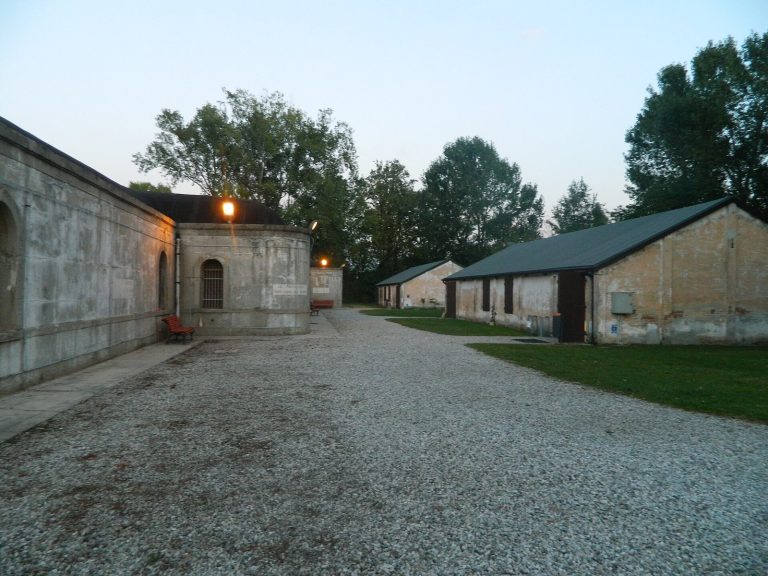
Forte Gazzera was intended to resist projectiles that damaged targets through impact. The introduction of explosive projectiles and gun barrels with spiral grooves that spun their shots made its defences obsolete. It was subsequently used as a farm, a secure store for gunpowder, a depot, and a barracks for the Italian Army. The military abandoned the fort in the first half of the 1980s. It is also the site of the Museum of Traditional Human Activities of the Venetian Hinterland.
Remains
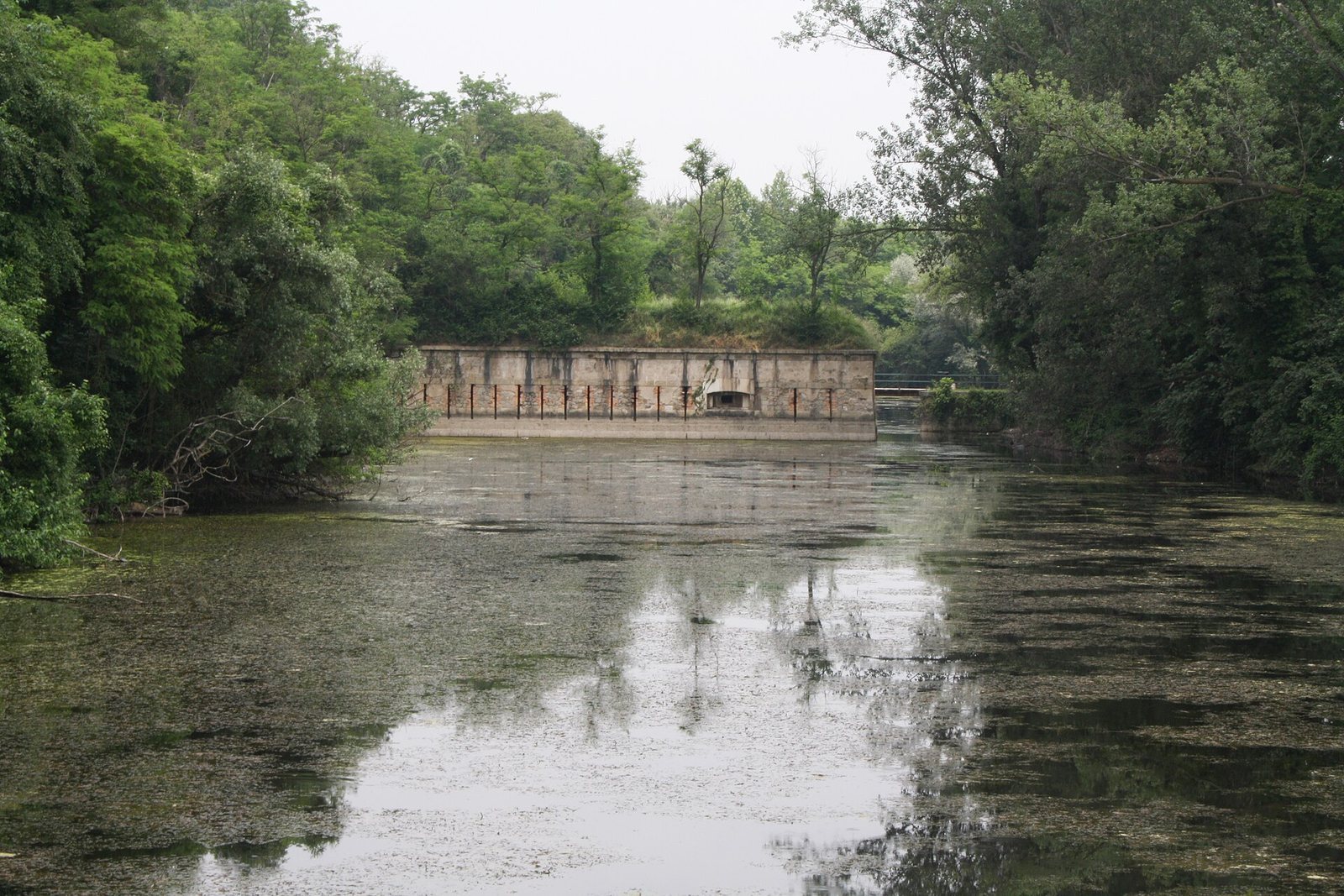
The fort has a many-sided plan based on Prussian military designs, drawing on schemes by Austrian architect and engineer Andreas Tunkler. Its position relative to Forte Marghera formed part of a radial arrangement of forts, with the distances between them set according to the range of the guns then in use.