Saint-Maurice Castle: A Rhône Crossing and Defensive Fortress
Site at a Glance
- Popularity
- Medium
- Country
- Switzerland
- Primary era
- Medieval
- Eras represented
- Medieval, Early Modern, Modern
- Civilizations
- Holy Roman Empire, Swiss
- Site type
- Military
- Remains
- Castle
On this page12 sections
History
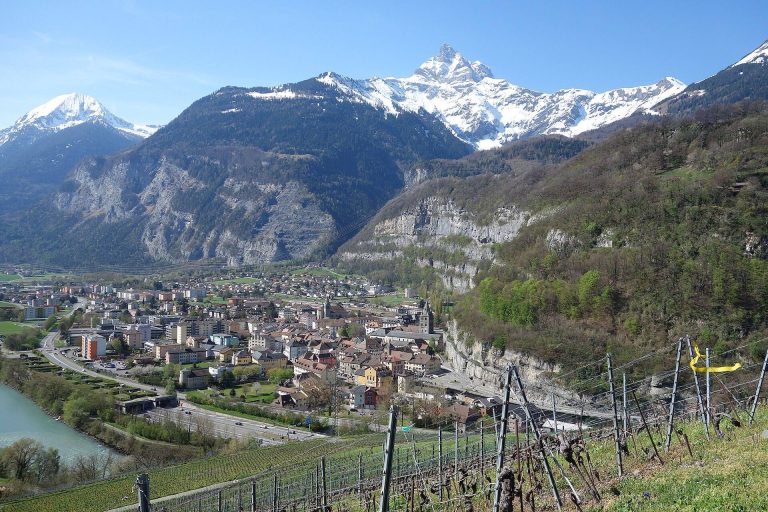
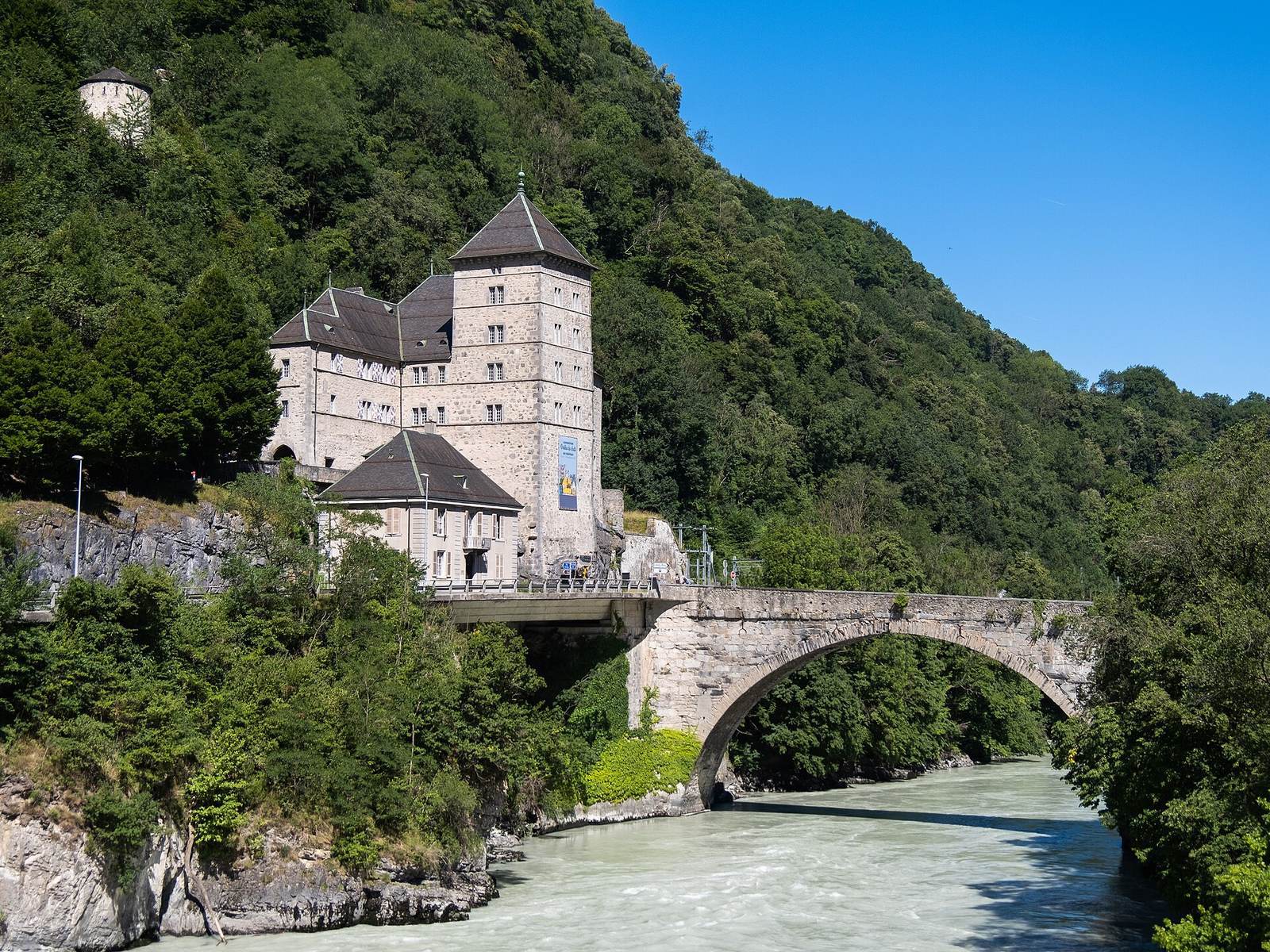
Saint-Maurice Castle is a late-medieval fortress in Saint-Maurice, Switzerland, begun by Bern in 1476 to guard a Rhône crossing and the route toward the Great St Bernard Pass. The town occupied a narrow section of the valley on the way from Lake Geneva toward the pass and central Valais. During the Burgundian Wars, a series of late-fifteenth-century conflicts involving the Burgundian state and the Swiss Confederacy and its allies, the passage became a boundary between Savoy and the Seven Dizains, the seven districts forming Valais’s political community.
Bernese construction
Bern’s building work began with the castle’s defenses, erected between 1476 and 1482. Accommodation for the governor and garrison followed from 1482 to 1496, when the bridge was also renewed. The ring wall was completed along the southern and eastern sides in the early sixteenth century, and a tower was added at the southwestern entrance in 1512.
Expansion and reconstruction
In 1592, a small building extended west from the southern tower over the Monthey road. Around 1625, the road was shifted to the castle’s north side. During Gaspard Stockalper’s term as governor, from 1646 to 1651, the small building was enlarged to provide broad, well-lit rooms. A fire that devastated nearly all of Saint-Maurice in 1693 destroyed or severely damaged the castle, including its warehouse and much of its stored gunpowder. Reconstruction in 1697 expanded the residence and added accommodation for the garrison.
Military and civic uses
After the Ancien Régime, the traditional political and social order before modern government, the castle ceased to be a local seat of power. It later served as a guard post and customs office. During the eighteenth and nineteenth centuries, its uses also included an orphanage, an asylum for elderly men, a military school, troop accommodation and a prison.
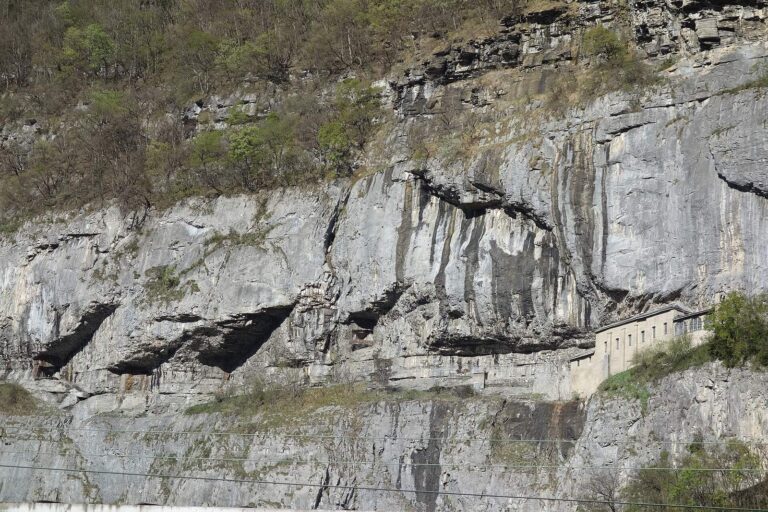
In 1831, the castle became part of the Dufour defensive system, designed to protect the Great St Bernard and Simplon routes and organize Switzerland’s defense in wartime. The Saint-Maurice position was enlarged in 1848 and 1859. The arrival in 1885 of shells containing melinite, an explosive, made these fortifications obsolete. From 1892, new artillery works expanded the wider fortified area, including those at Savatan-Dailly-Aiguille, Cindey and Fort du Scex.
Restoration and later use
The castle was restored between 1963 and 1974, and its rooms housed the cantonal military museum. Since 2005, it has served as an exhibition venue. The castle and Dufour Tower are protected as Swiss cultural property of national importance.
Remains
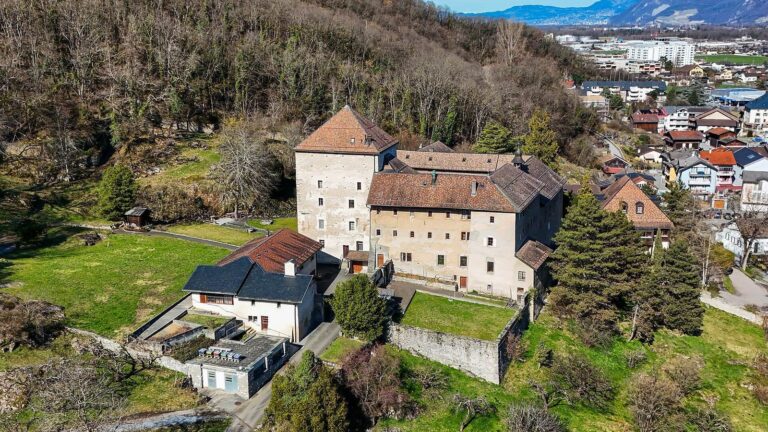
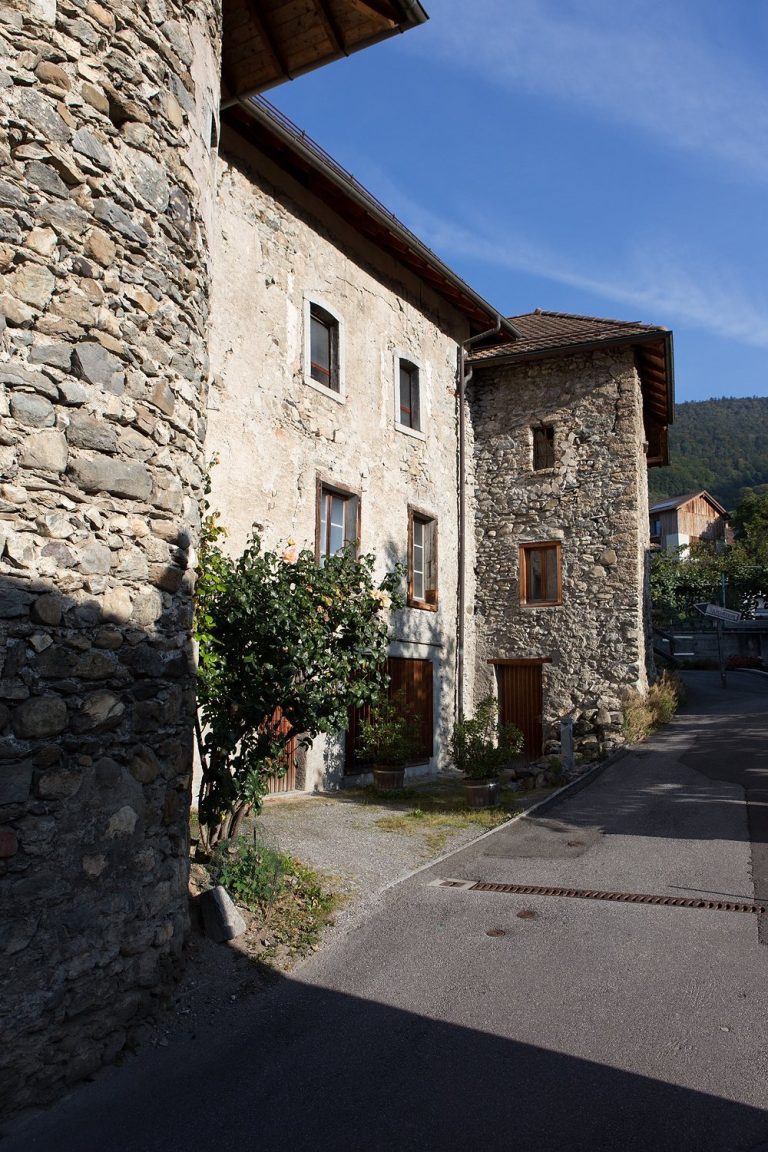
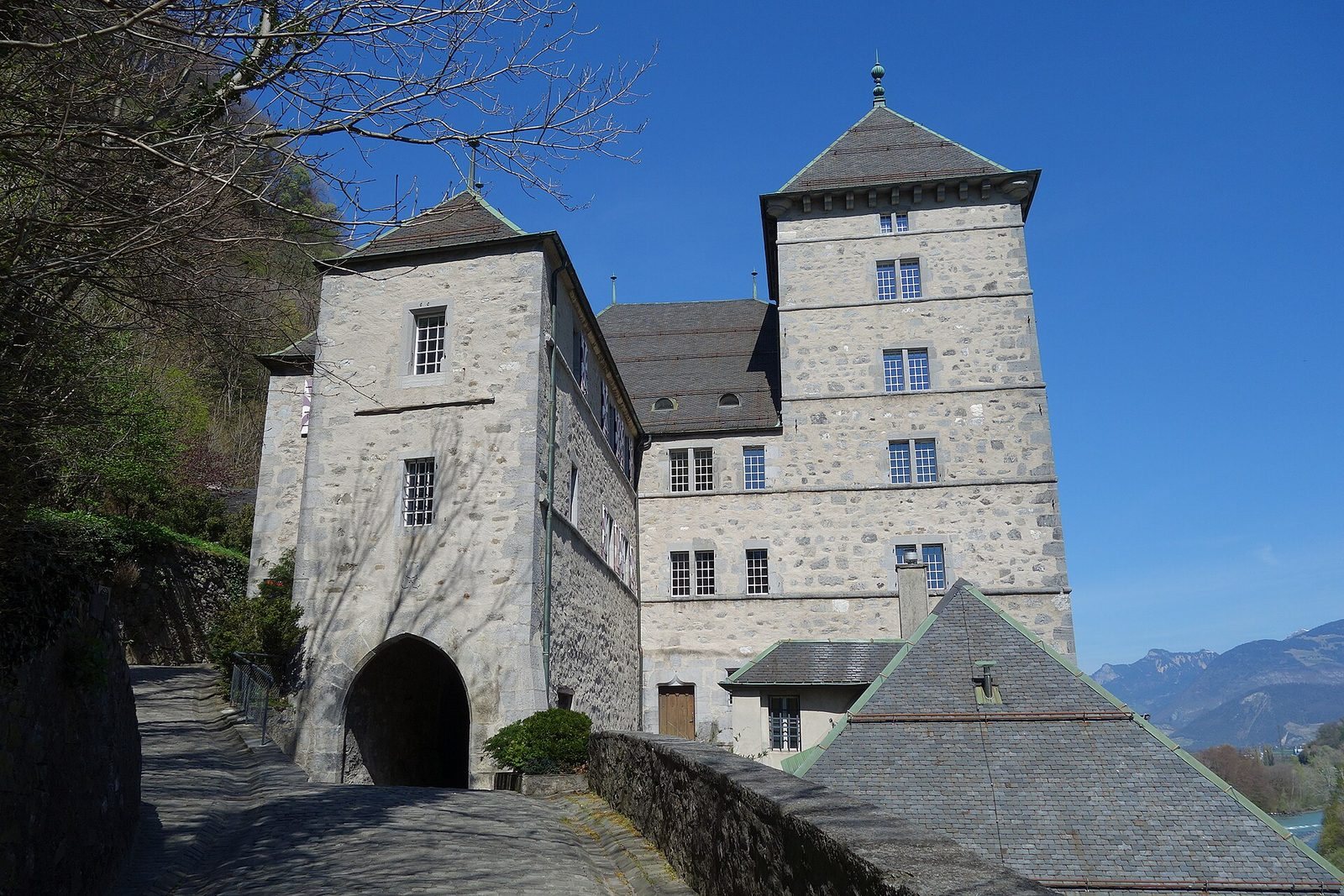
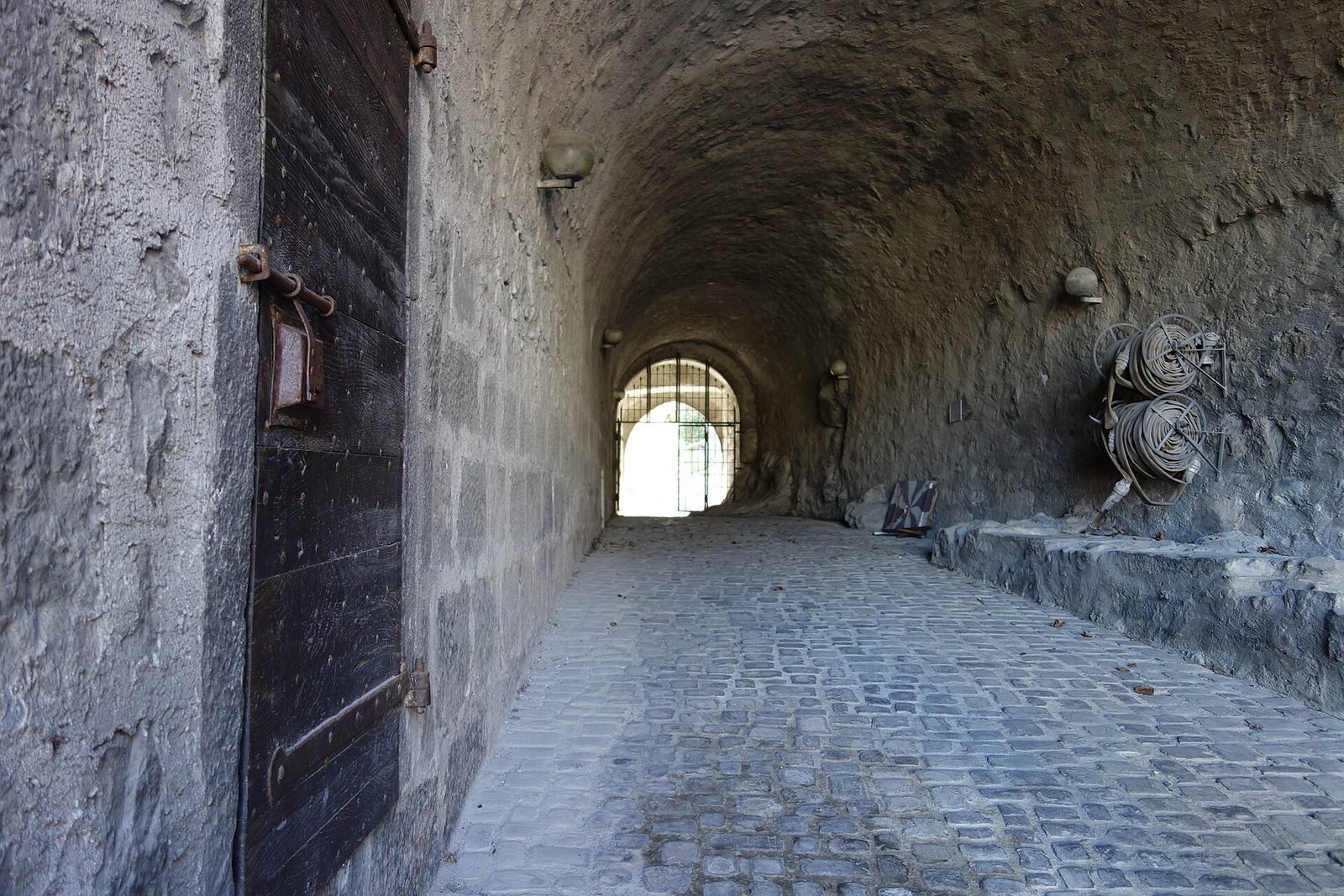
The castle occupies a narrow part of the Rhône valley, between a steep slope and the river, about ten metres from the water. Its complex includes a substantial square tower beside a residential building, enclosed by a ring wall whose southern and eastern sections completed the perimeter. The castle’s position linked its defenses to the medieval crossing and the road through the valley.
Bridge approach and castle buildings
Crossing and gates
The medieval bridge dates to the twelfth century and was the first crossing of the Rhône upstream from Lake Geneva. The castle guarded this crossing and collected tolls. At the bridgehead on the right bank, a tower incorporated a gate that could be closed across the road. On the left bank, a second tower and the western stretch of the ring wall blocked the Monthey road, which also passed through a gate.
Enclosure and associated buildings
The southwestern entrance tower and the buildings added above the former Monthey road formed part of the castle’s southern defenses. The later enlargement there created broad rooms with ample light. In the northern courtyard, a garrison building stood between the old Monthey road and the ring wall. The old customs house is a separate building at the castle’s foot. Restored between 1963 and 1974, it now houses the collection of the cantonal military museum.
Artillery defenses
Castle wing and Dufour Tower
Gun positions were installed on the castle’s north wing in 1831 and 1853. The round Dufour Tower stands somewhat higher than the castle on the left bank of the Rhône. Its position allowed the castle to support it.
Works across the valley
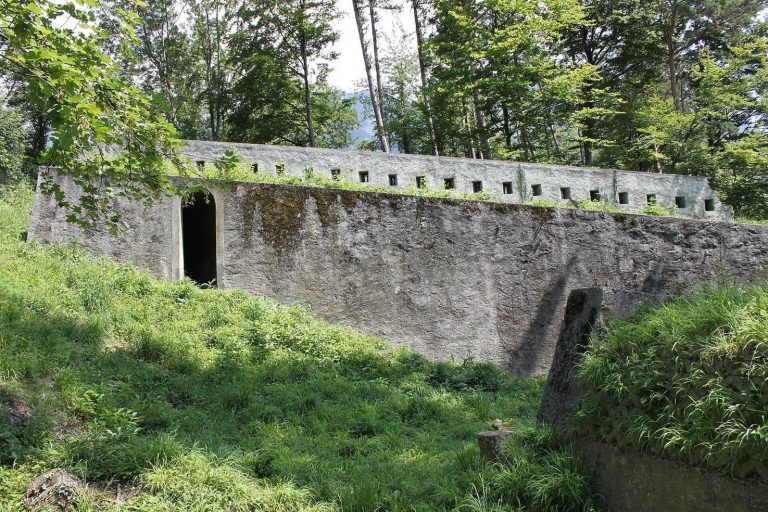
The wider defensive position included gun positions on the Rhône’s right bank at Arzillier, Rhône and Capucins, and the Château battery on the left bank. Other works included Vérrossaz Redoubt, a small defensive fortification, on the left bank, and Gautier Battery, Front Lavey and Crête Redoubt on the right.