Archbishop’s Palace of Utrecht: Residence and Workplace of the Archbishop
Site at a Glance
- Popularity
- Medium
- Country
- Netherlands
- Primary era
- Modern
- Eras represented
- Modern
- Civilizations
- Dutch
- Site type
- Religious
- Remains
- Palace
On this page4 sections
History
Villa built in 1868
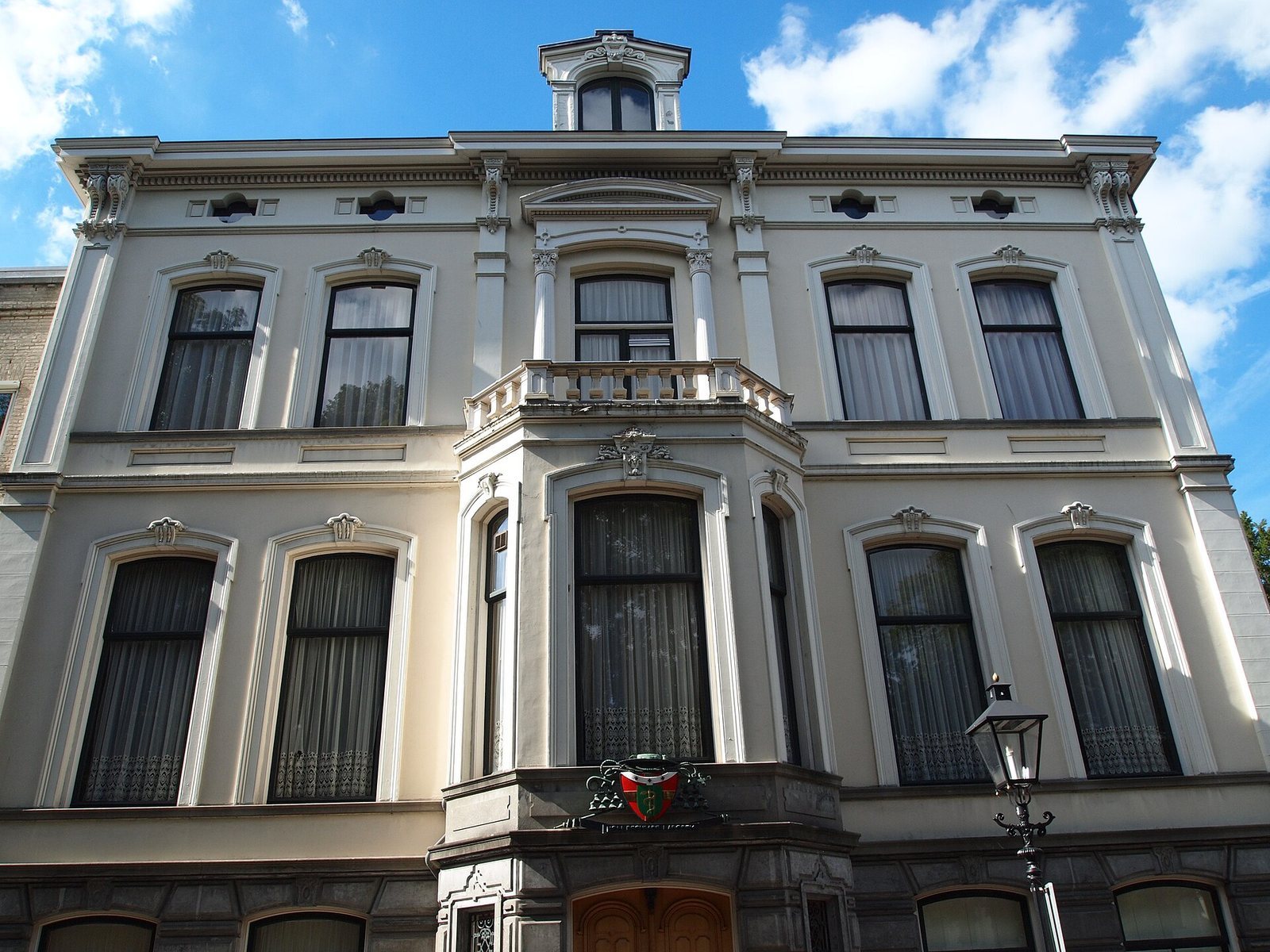
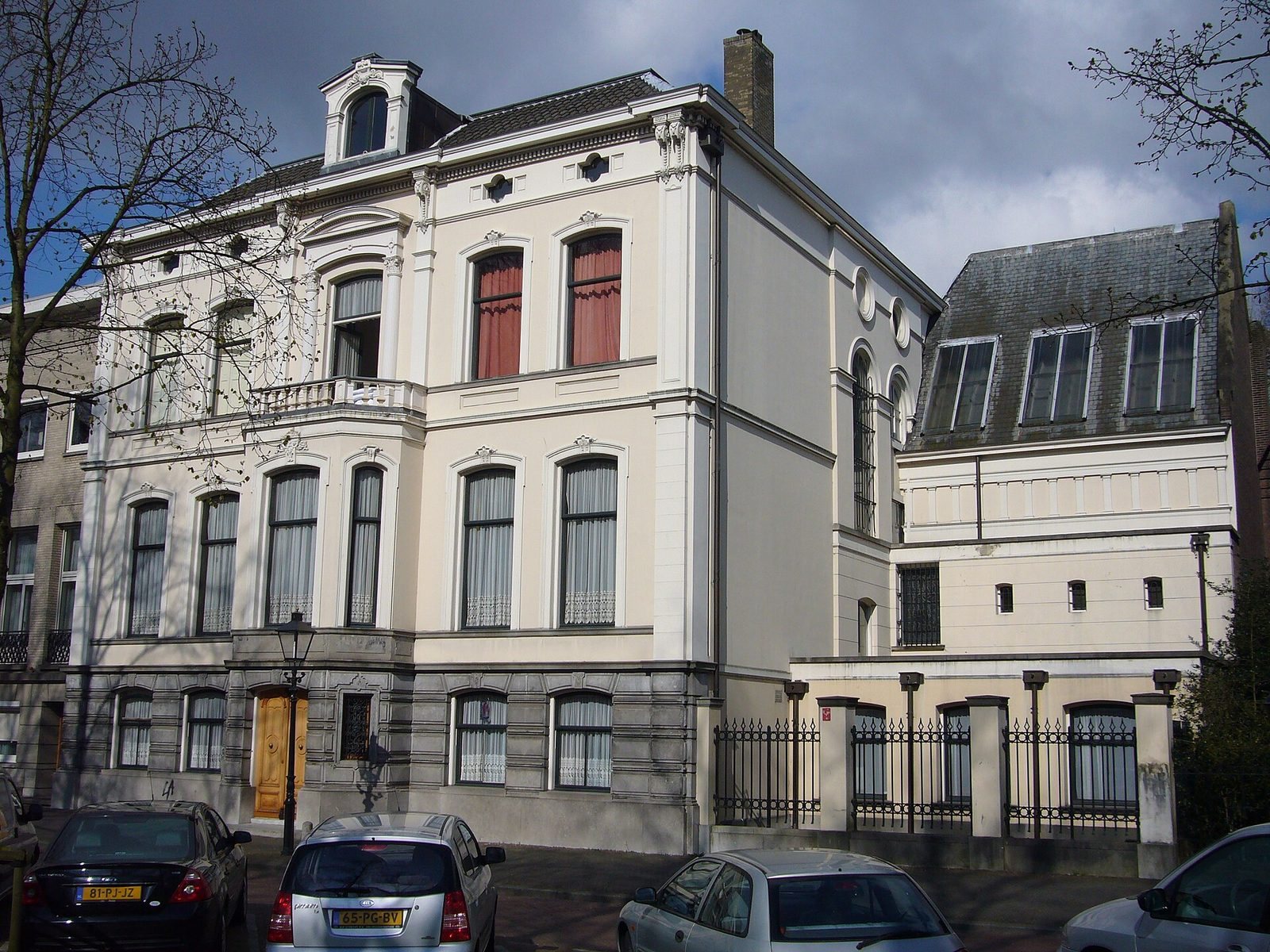
The Archbishop’s Palace of Utrecht is the residence and workplace of the Archbishop of Utrecht at Maliebaan 40 in Utrecht, Netherlands. Built in 1868 as a villa for Hermanus Ameshoff, director of the Dutch-Rhenish Railway Company, it was designed by Nicolaas Johannes Kamperdijk.
Residence of the archbishop
After Catholic bishops and dioceses were re-established in the Netherlands, the archbishops initially lived in Den Bosch under Archbishop Zwijsen. Under Archbishops Schaepman and Snickers, their residence was the rectory of Catharijnekerk at Nieuwegracht 61. That rectory served as the Dutch archbishop’s home before the villa’s conversion.
In 1898, Archbishop Henricus van de Wetering acquired the villa and arranged its conversion into the palace of the Archdiocese of Utrecht, the ecclesiastical territory led by an archbishop. The work included adding a chapel and was completed in 1902. The palace continues to serve as the archbishop’s residence and workplace and is designated a Dutch national monument.
Remains
The palace incorporates the former villa and was enlarged with a chapel designed by J.W.F. van Schaik. The chapel’s Neo-Gothic design revives forms associated with medieval Gothic architecture.