Casa del Pingone: A Medieval Residence in Turin
Site at a Glance
- Popularity
- Medium
- Country
- Italy
- Primary era
- Medieval
- Eras represented
- Medieval, Early Modern
- Civilizations
- Duchy of Savoy, Holy Roman Empire
- Site type
- Domestic
- Remains
- Elite Residence
On this page6 sections
History
The Pingone residence
Casa del Pingone is a medieval-style residence in Turin, Italy, generally dated to the 15th century, with its construction also broadly placed in the 15th and 16th centuries. The house takes its name from Emanuele Filiberto Pingone, who lived there and served the Savoy court.
Originally from Chambéry, Pingone studied law at the University of Padua. At the request of Emanuele Filiberto of Savoy, Duke from 1553 to 1580, he became ambassador to Nice. Pingone was also a leading genealogist at court and wrote a family history of the princes of Saxony and Savoy, Inclytorum Saxonae Sabaudiaeque principum arbor gentilizia.
Later alterations
The house underwent several alterations during the 17th and 18th centuries and was enlarged to incorporate an earlier medieval tower. It deteriorated over the centuries that followed.
Remains
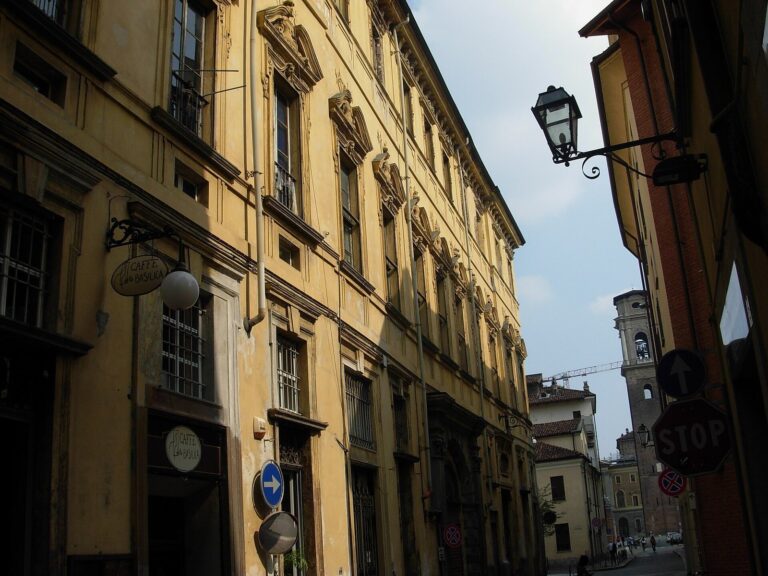
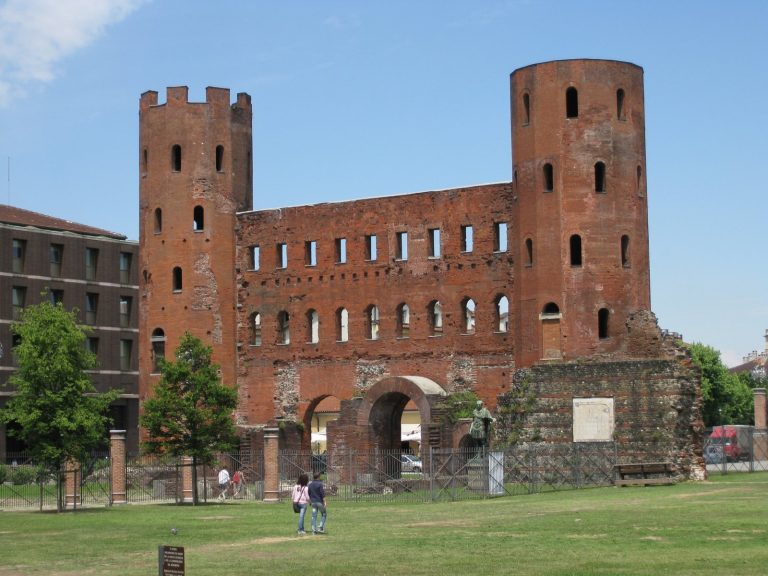
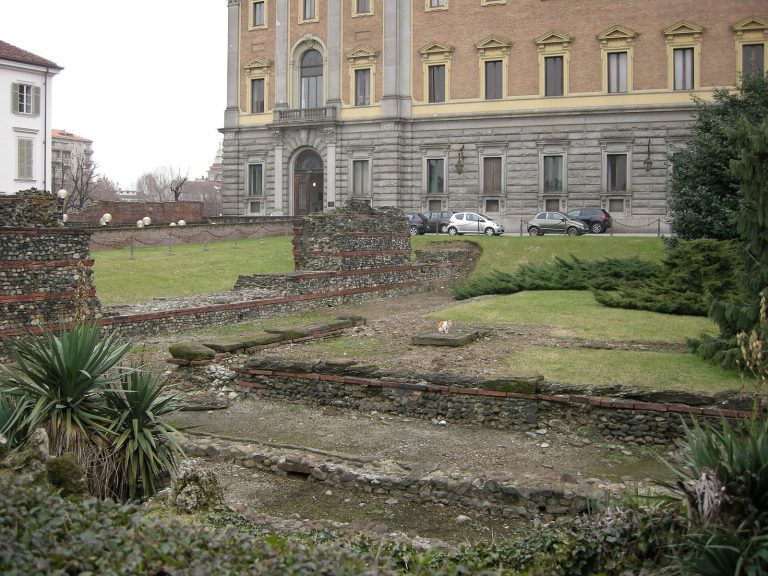
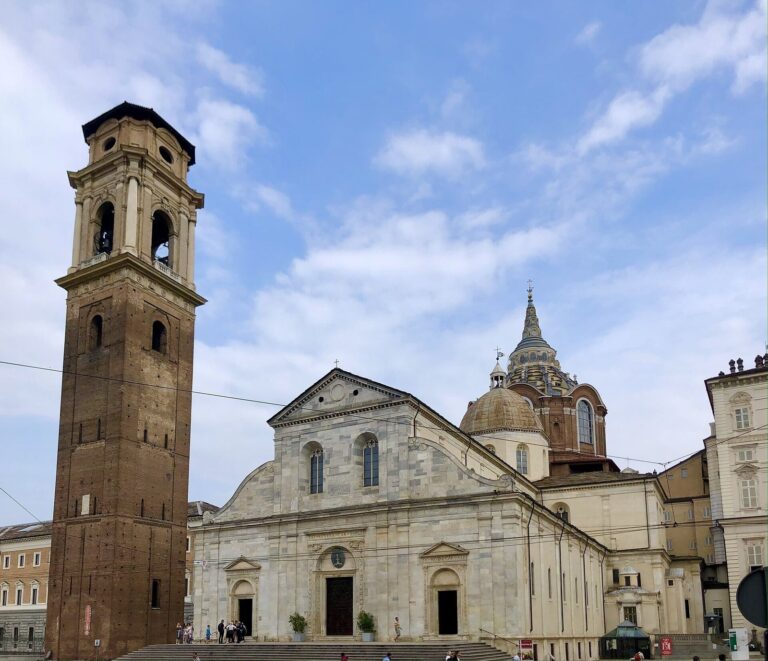
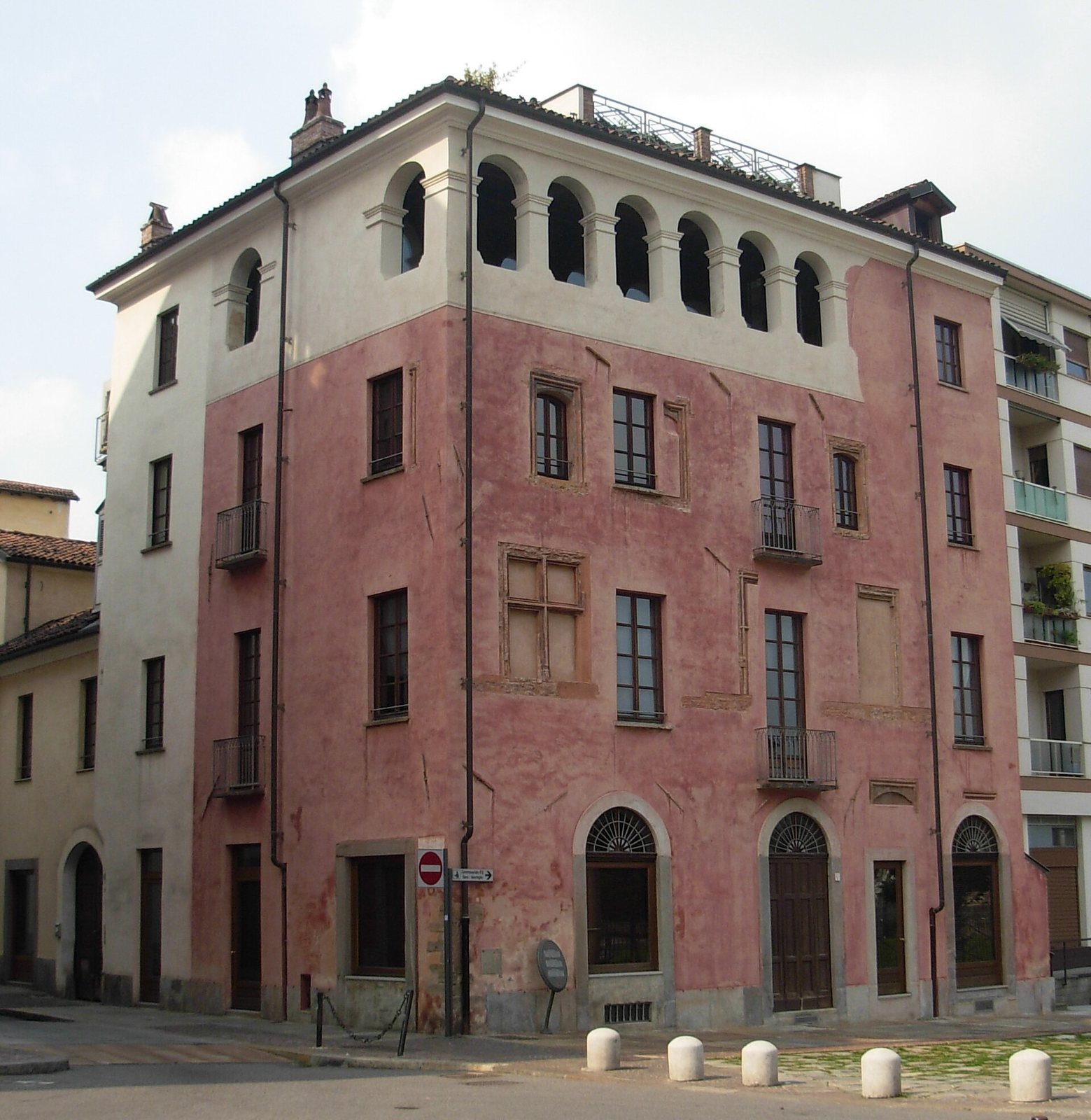
The four-storey building stands beside Piazza IV Marzo, opposite Turin’s cathedral and Porta Palatina, and near several of the city’s well-known medieval buildings. Its exterior is modest, while the upper floor and interior preserve architectural and decorative details from different periods.
Exterior and tower
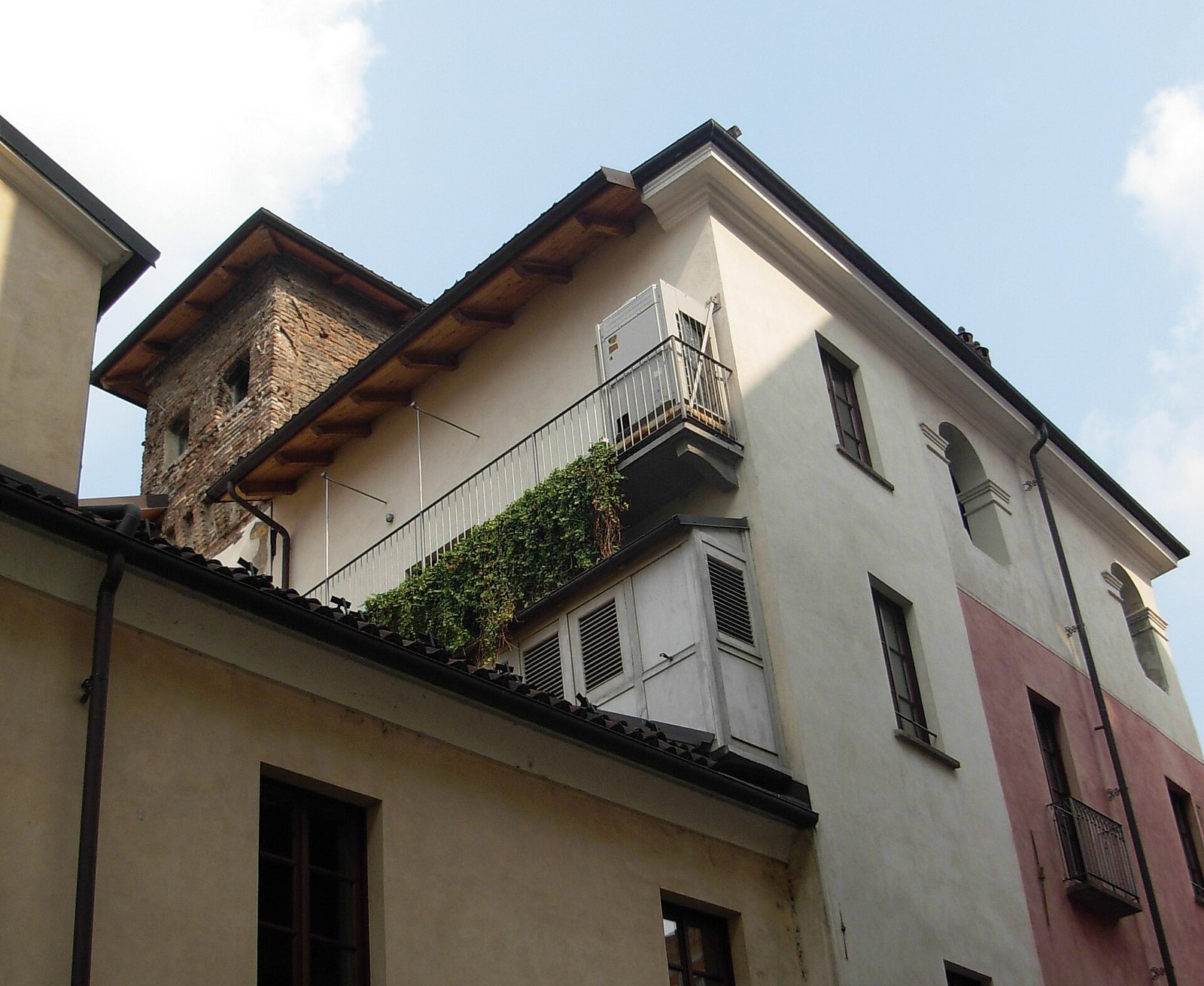
The surrounding structure largely conceals the medieval tower, which is topped by a later roof. It is the only medieval tower still visible in Turin. Swallow-tailed battlements remain discernible in the masonry; these crenellations are associated with the pro-imperial Ghibelline faction of medieval Italy. On the façade facing Via Porta Palatina, traces survive of 16th-century windows divided by vertical and horizontal bars. A restoration in 2000 returned the façades to their original vivid carmine color.
Upper floor and interiors
A long open-sided gallery, or loggia, runs along the upper floor and is divided by round arches. Inside, decorated wooden ceilings and wall paintings with grotesque ornament, composed of fanciful figures and forms, have survived.