Fayet Castle: A Historic Residence in Isère
Site at a Glance
- Rating
- 3.7
- Popularity
- Very Low
- Country
- France
- Primary era
- Early Modern
- Eras represented
- Medieval, Early Modern
- Civilizations
- French, Holy Roman Empire
- Site type
- Domestic
- Remains
- Castle
On this page8 sections
History
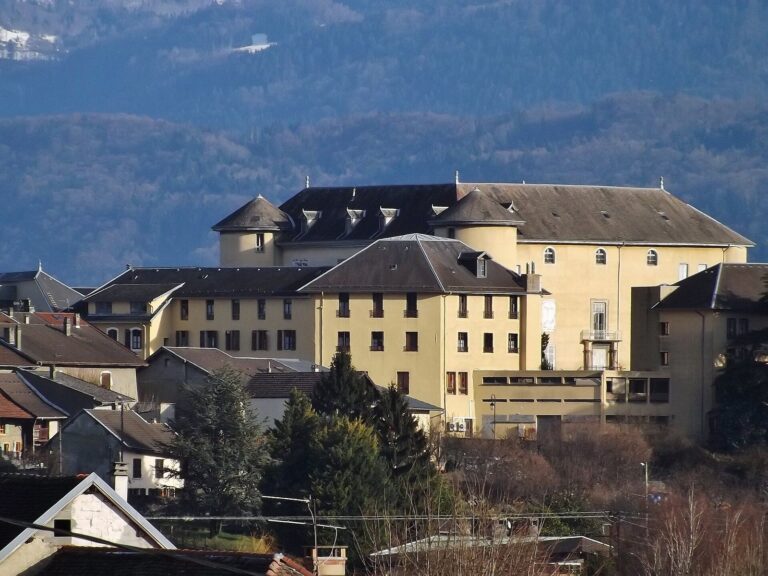
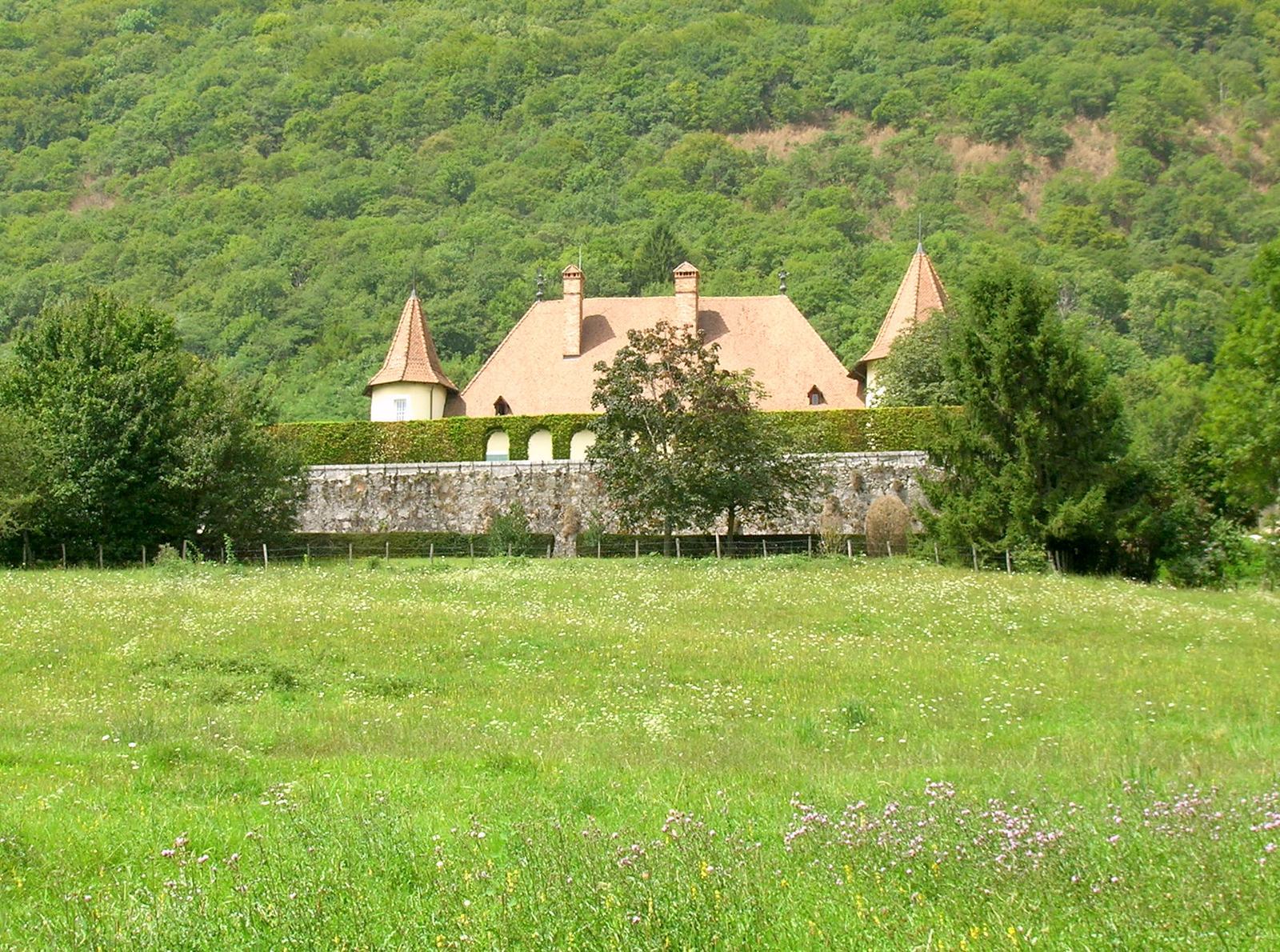
Fayet Castle is a historic residence in Barraux, in France’s Isère department. A fortified house occupied the site from the 12th century, before the château developed as a pleasure residence in the 16th and 17th centuries, designed chiefly for comfort and leisure rather than defence.
Sixteenth-century enlargement and births
In 1573, the owner, Jean de Maniquet, enlarged the château using dressed stone from the demolished castle of the Dauphin at La Buissière. Charles IX, king of France from 1560 to 1574, had ordered its demolition. Charles de Valois was born at Fayet that same year. He was the illegitimate son of Charles IX and Marie Touchet, and later held the title Duke of Angoulême.
Later history and protection
Louis Laurent Fayd’herbe de Maudave, later a French military officer and colonial administrator, was born at the château in 1725. In 1894, Gustave Rivet, a senator for Isère, bought the property and saved it from ruin. The château and its terraces were registered as historic monuments in 1988; the fireplace in the Angoulême room received a separate registration in 1972.
Remains
Site and surviving architecture
Setting and layout
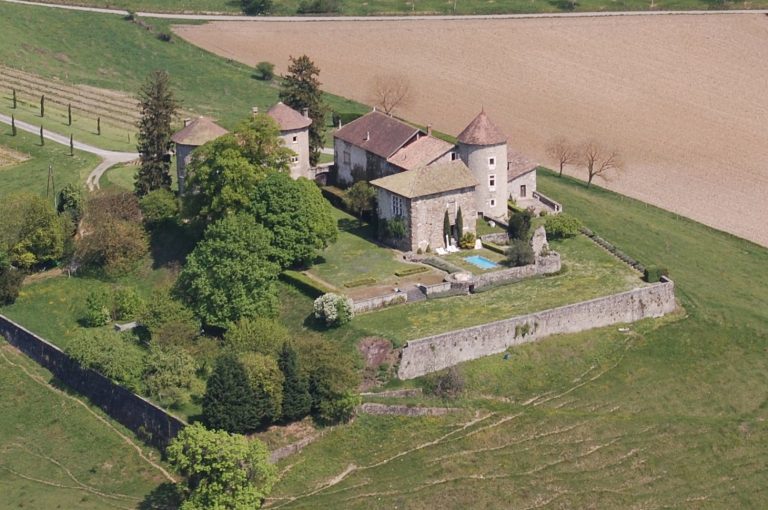
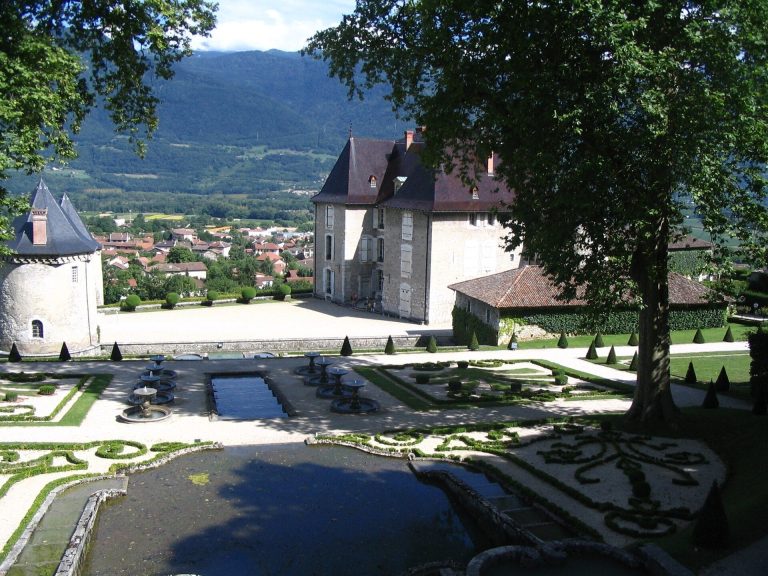
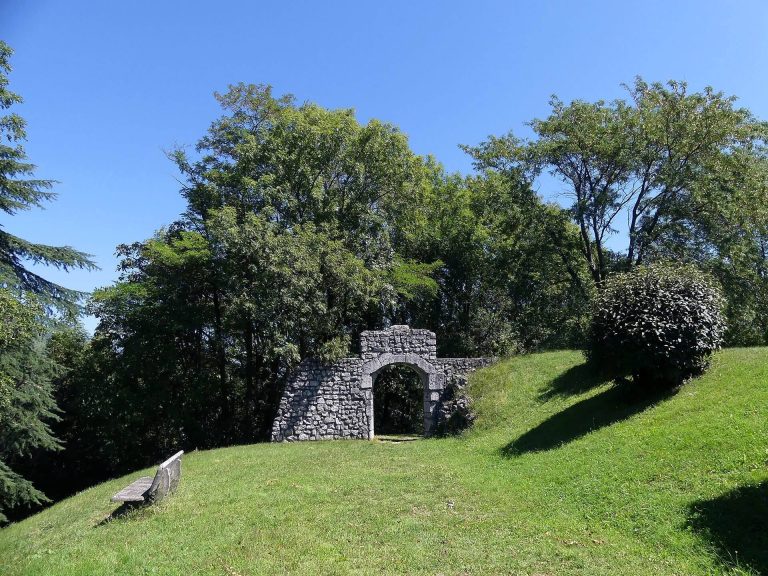
Fayet Castle overlooks the Grésivaudan valley, a few kilometres from Fort Barraux. Terraces accompany the residence, whose surviving fabric incorporates medieval remains alongside later construction.
Medieval fabric
A medieval keep was cut down to attic level in the 16th century. The remaining masonry now forms the wall of the château’s north wing.
Exterior and interior features
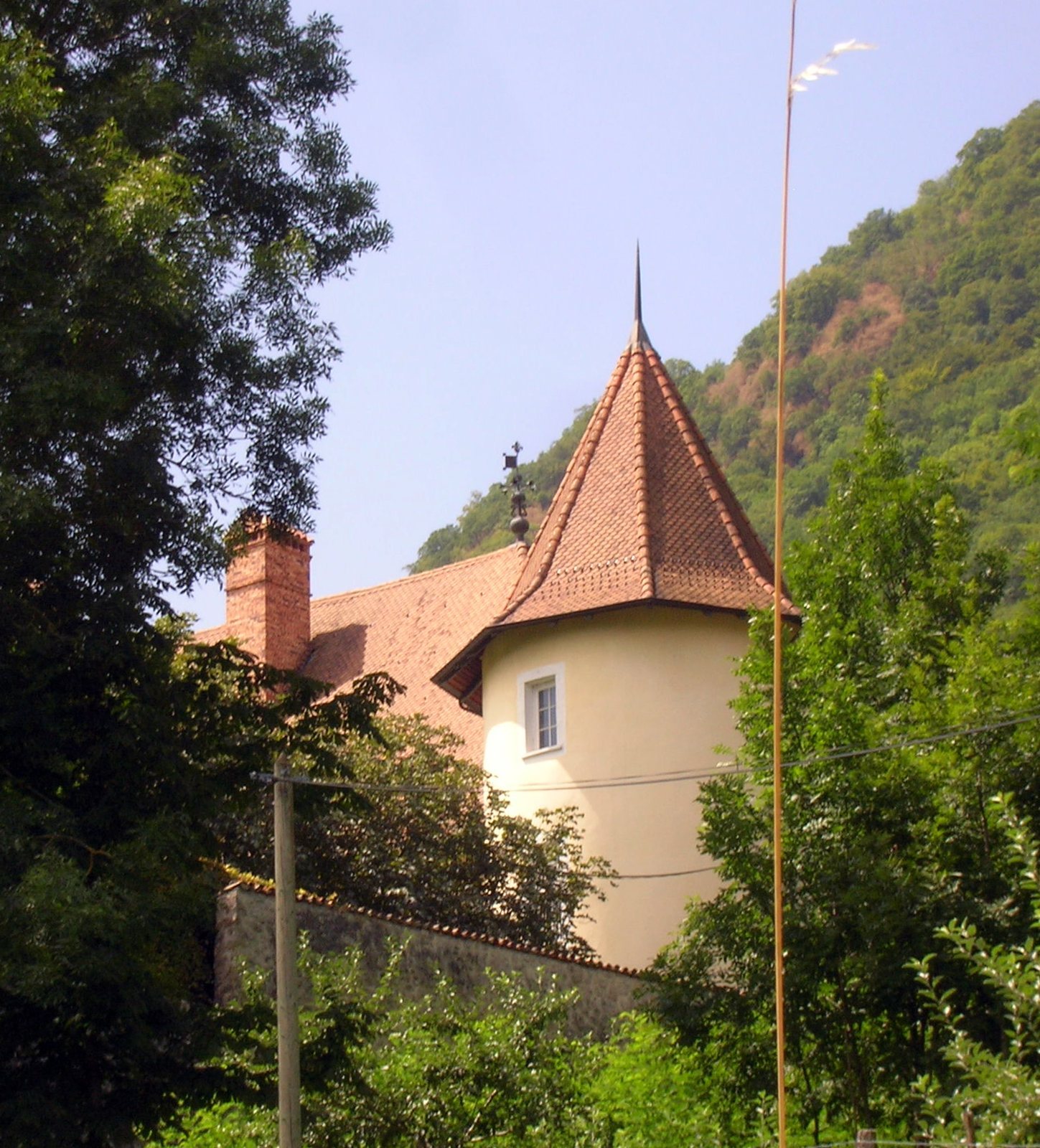
A small lookout turret projects from the exterior wall, and a tower also forms part of the château. The chamber known as the Angoulême room contains a fireplace.