Fourchette Manor: An Eighteenth-Century Country House in France
Site at a Glance
- Popularity
- Very High
- Country
- France
- Primary era
- Early Modern
- Eras represented
- Early Modern, Modern
- Civilizations
- French
- Site type
- Domestic
- Remains
- Elite Residence
On this page10 sections
History
Ownership and eighteenth-century use
Fourchette Manor, known in French as Château de Fourchette, is an eighteenth-century country house near Pocé-sur-Cisse in France. It was originally the residence of Étienne-François de Choiseul, a French statesman and diplomat who served under Louis XV.
The property had a recorded owner in 1545, Jean Ardiller de La Brillonnière. Around 1700 it belonged to Marie-Claude Scarron. In 1739, it was held by Marie-Armande-Claude Bergeron de La Goupillère, wife of Charles-Paul-Jacques-Joseph de Bridieu. Around 1770, its owner was Charles-Marie-Marthe de Bridieu, lord of Saint-Germain, Rouvray, and Montreuil. By 1789, it was held by his widow, Marie-Catherine Le Boucher de Verdun.
Historic registration and modern ownership
An order dated 31 October 1934 registered the principal building, dovecote, former chapel, and terrace as historic monuments. Mick Jagger bought the property in 1980 and has owned it since. During his ownership, the house and grounds were renovated and the gardens redesigned.
Remains
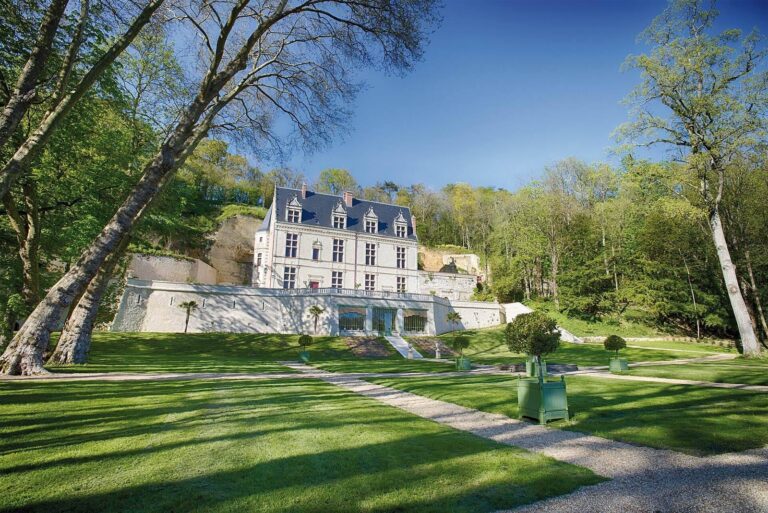
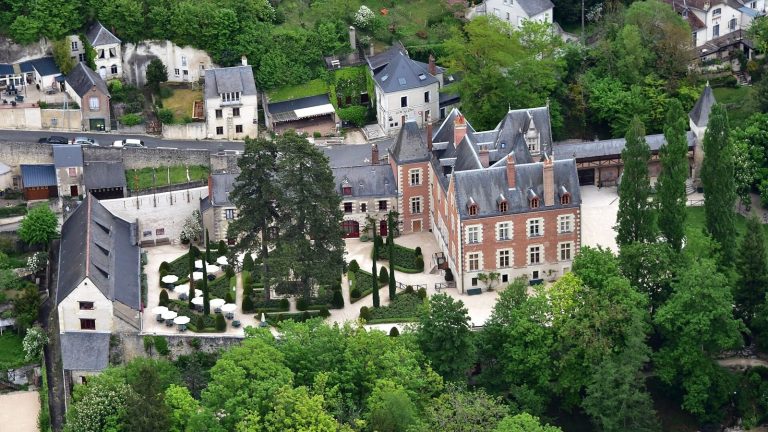
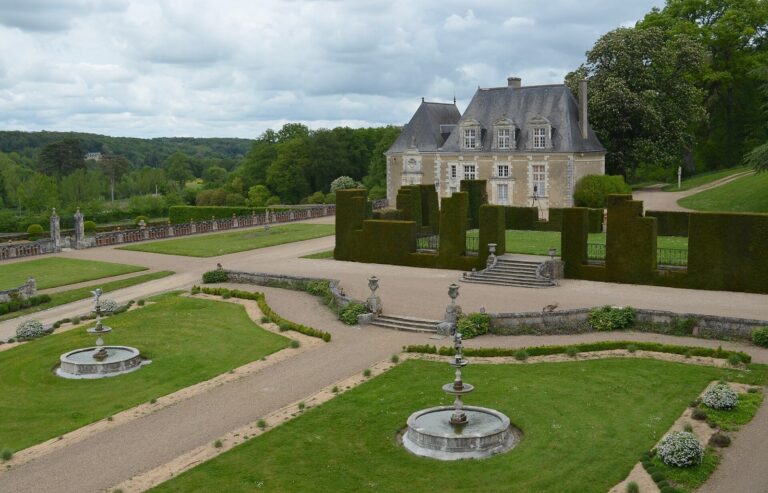
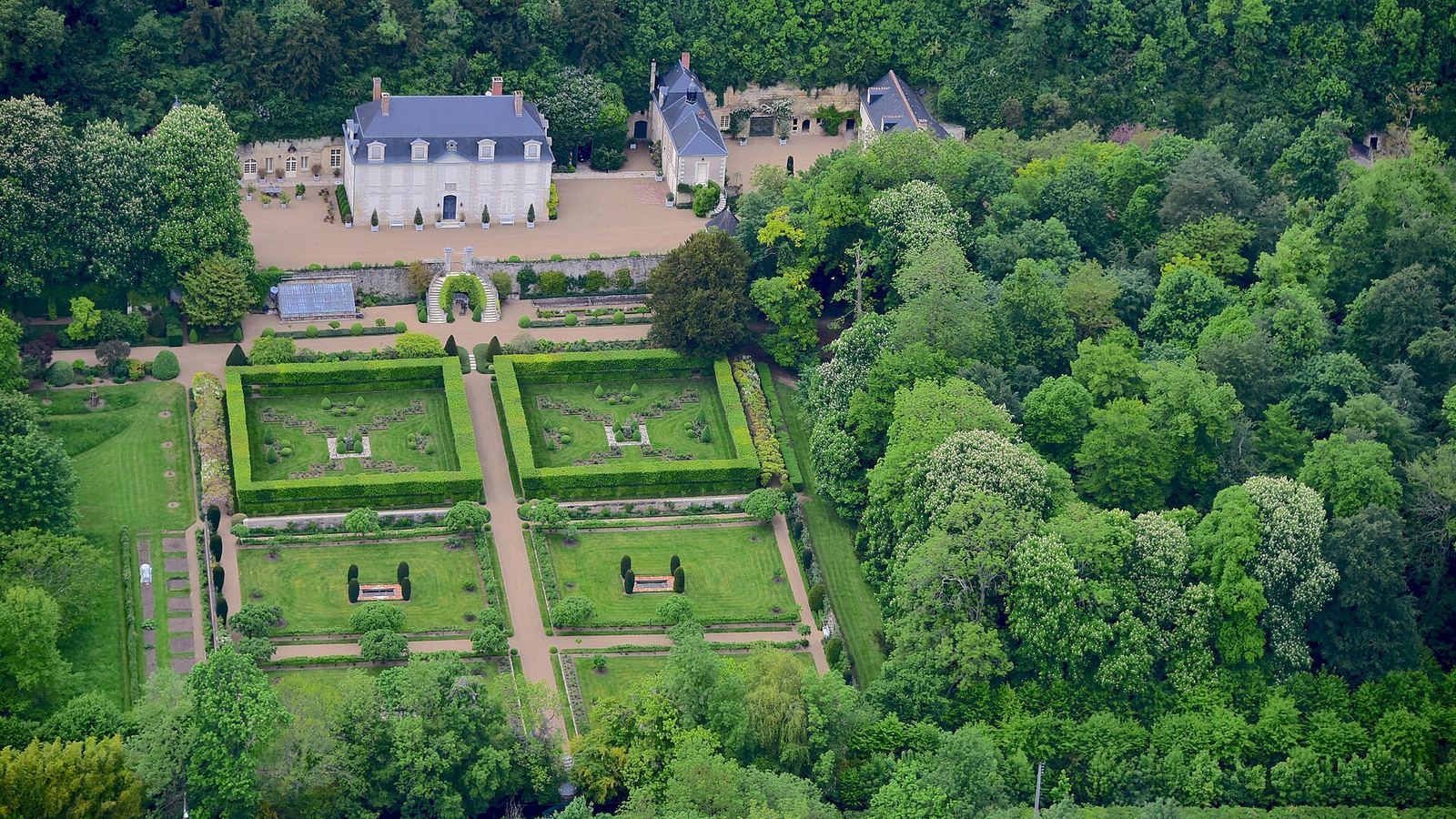
The rectangular principal house stands at the center of a park of about 20 hectares, at the foot of a slope of tuffeau, the pale, relatively soft limestone common in the Loire region. The grounds also contain a dovecote, a former chapel, a terrace, and redesigned gardens.
Buildings
Principal house
The house has a ground floor and one upper storey, topped by an attic beneath a mansard roof. This roof has steep lower slopes that create space within the attic.
Dovecote, chapel, and terrace
The dovecote, former chapel, and terrace form part of the estate’s historic buildings and features. Renovation included new roof framing for the small chapel.
Interiors and gardens
Interior
The restored rooms were furnished with antiques, including an Empire-style bookcase, canopy beds, and bedrooms in the Louis XVI style. Empire design is associated with the Napoleonic era, while Louis XVI design reflects French taste of the late eighteenth century.
Gardens
The redesigned gardens include a swimming pool, a cascading pond with a pagoda, and a tennis court. The pagoda is a tower with tiered roofs, a form associated with East Asian architecture. About 100 trees were planted to screen the house from view, and the garden design followed plans by an English landscape designer.