Schlehdorf Abbey: A Bavarian Religious Community
Site at a Glance
- Popularity
- High
- Country
- Germany
- Primary era
- Early Modern
- Eras represented
- Early Modern
- Civilizations
- Electorate of Bavaria, Holy Roman Empire
- Site type
- Religious
- Remains
- Monastery
On this page8 sections
History
Schlehdorf Abbey is a former religious house in Schlehdorf, Germany. Founded in the eighth century under the protection of the Huosi, a noble family influential in early medieval Bavaria, it traditionally traces its beginnings to around 740, when monks from nearby Benediktbeuern established a community there. The abbey was dedicated to Saints Dionysius and Tertullinus, who is venerated as a Christian martyr. Its history spans an early medieval foundation, later institutional changes, and a Baroque rebuilding.
Foundation and changing communities
Schlehdorf succeeded the monastery at Scharnitz, near Klais. Monks moved from Scharnitz between 769 and 772, after that community was abandoned; the earlier monastery is thought to have burned around the same time. Arbeo, later bishop of Freising, was an early abbot, followed by Atto, who also became bishop of Freising. Atto is associated with bringing relics of Saint Tertullinus to Schlehdorf. Relics are remains or objects connected with saints and venerated as sacred.
The first community followed Benedictine monastic life, governed by the Rule of Saint Benedict. By the tenth century, Schlehdorf had become a collegiate community, a body of clergy organized to serve a church rather than live as monks. A group of non-monastic clergy may also have occupied surviving buildings in the eleventh century. In 1140, Bishop Otto I of Freising refounded the institution as an abbey of Augustinian Canons, clergy living in a religious community under a rule associated with Saint Augustine.
Reform and relocation
The Augustinian community was spiritually influenced by Rottenbuch Abbey, while its income remained modest. Its incorporated parishes were Schlehdorf, Sindelsdorf, and Ohlstadt. Religious discipline weakened in the early fifteenth century. A rule reform introduced from Indersdorf Abbey in 1450 brought temporary renewal, but discipline later declined again in the wake of the Protestant Reformation, the sixteenth-century movement that led to Protestant churches and challenged Roman Catholic authority. The abbey had only six canons in the seventeenth century.
During the leadership of Provost Bernhard Bogner, from 1674 to 1724, the canons joined the Lateran Congregation of the Canons Regular of the Most Holy Savior, with support from Bavaria’s electors, the rulers who held an electoral vote for Holy Roman Emperor. The congregation was associated with Rome’s Lateran basilica. Within it, the provost held the title of abbot but did not have the privilege of wearing pontifical vestments, special liturgical garments associated with bishops and certain abbots.
The abbey moved between 1718 and 1724 from its earlier site south of the village to higher, less marshy ground. The earlier Augustinian site was almost entirely destroyed by fire in 1784.
Dissolution and later use
Schlehdorf Abbey was dissolved in 1803 during secularization, the transfer of church institutions and property to secular authorities. Its property was sold, while the library, archives, and abbey church passed to the Kingdom of Bavaria. The church later became Schlehdorf’s parish church. A devastating fire destroyed much of Schlehdorf in 1846, after which the abbey buildings were rebuilt.
The Missionary Dominican Sisters of King William’s Town acquired the abbey buildings in 1904 and used them as a base for mission work, especially in South Africa. From 1960, Schlehdorf served as the German province’s seat. The abbey had belonged to the Diocese of Freising; it is now within the Archdiocese of Munich and Freising, in an enclave surrounded by the Diocese of Augsburg.
The Dominican community left the main building in 2018 and moved into a new building. In 2019, a Munich housing cooperative bought the historic building and established a subsidiary to adapt its interior for housing, workspaces, and public events. The church and diocesan secondary school were not included in that sale. The school, Realschule St. Immaculata, offers an intermediate course of secondary education. Formerly a girls’ school, it became coeducational in the 2015–16 school year.
Remains
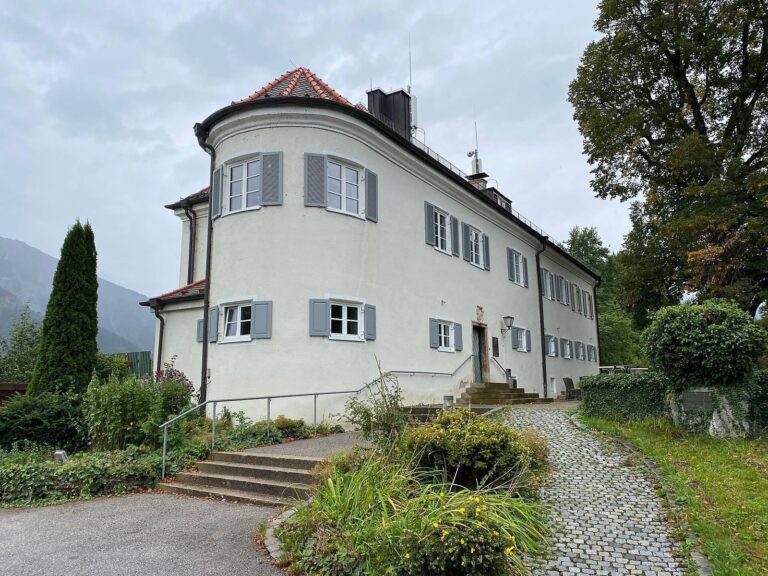
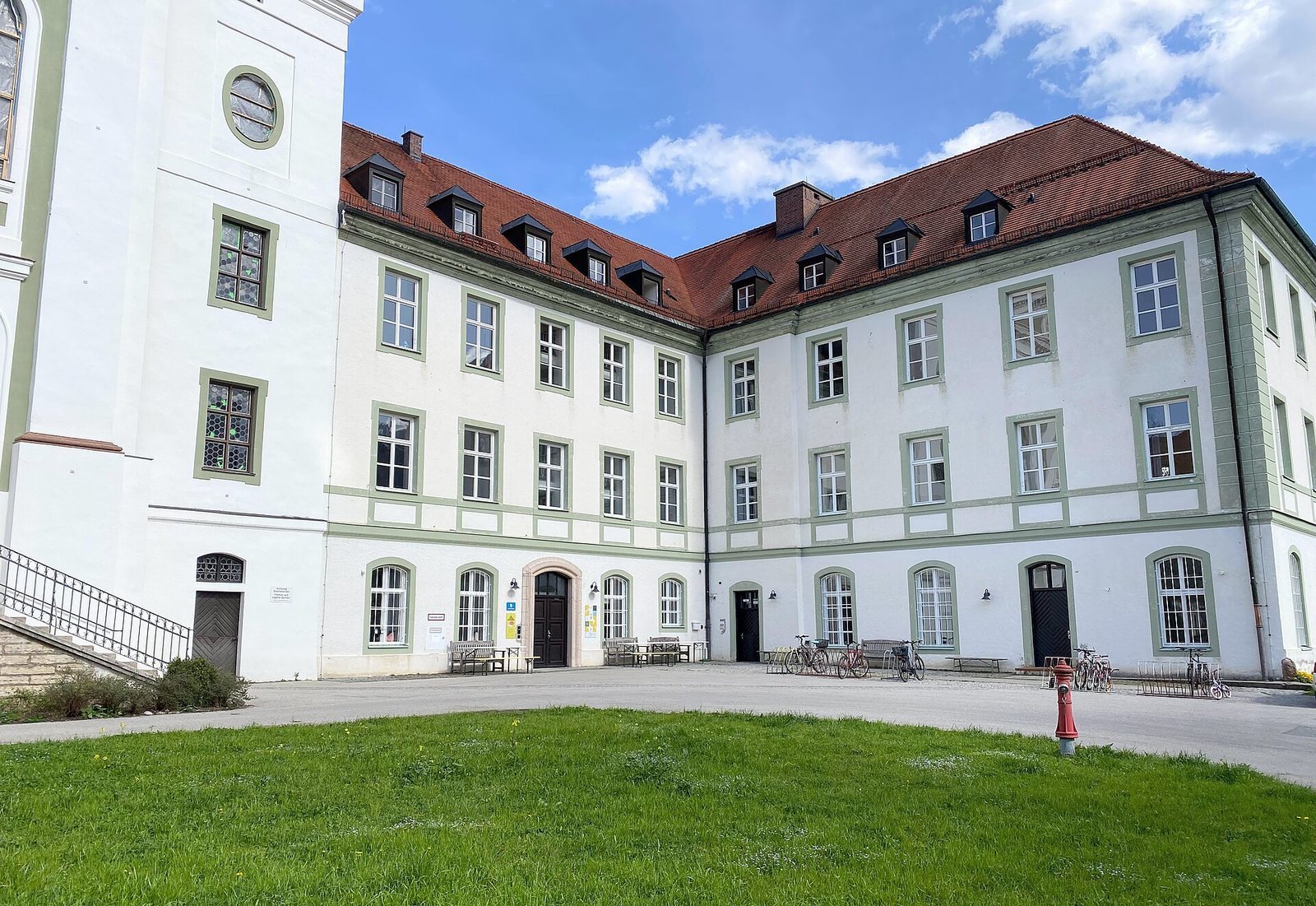
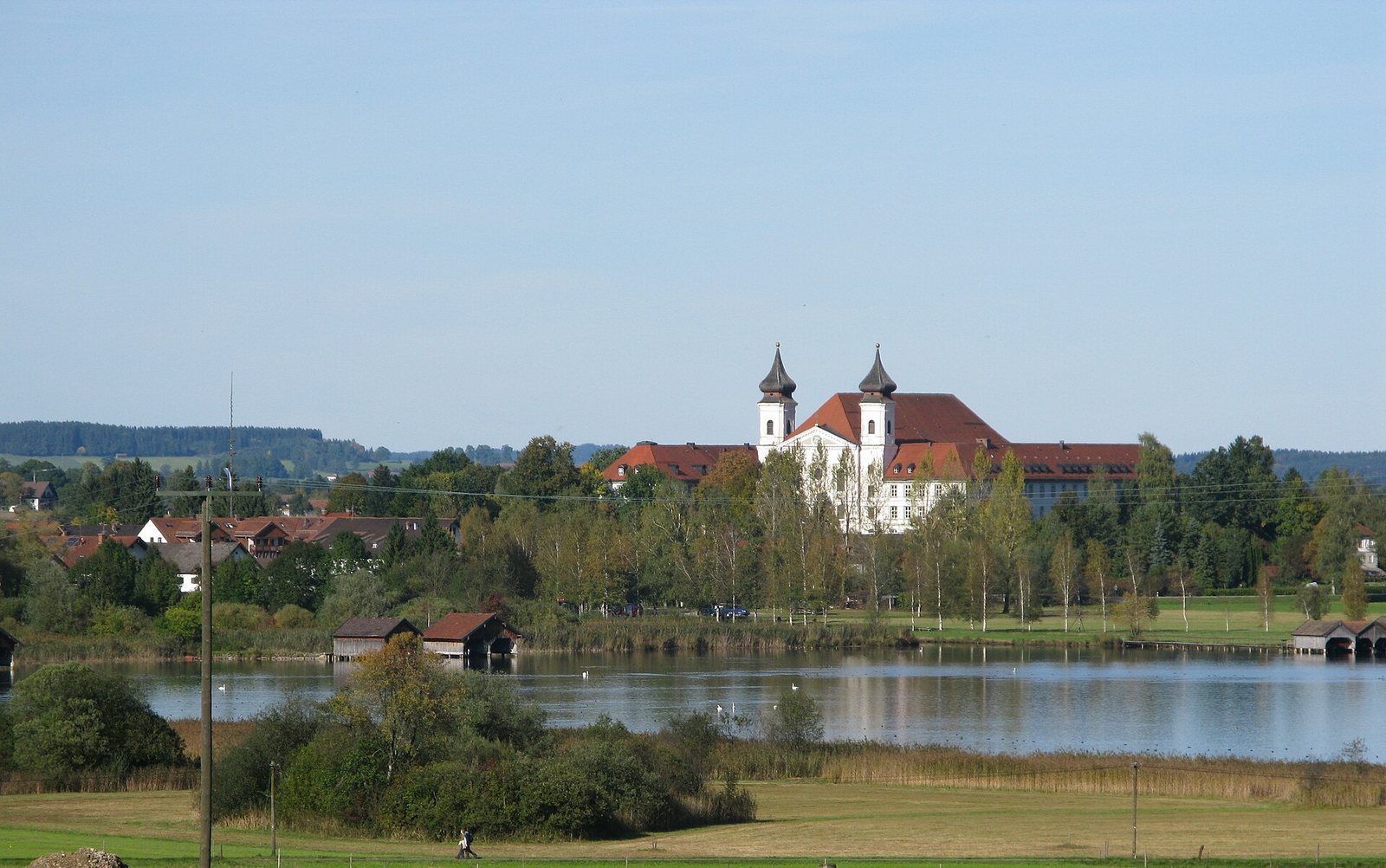
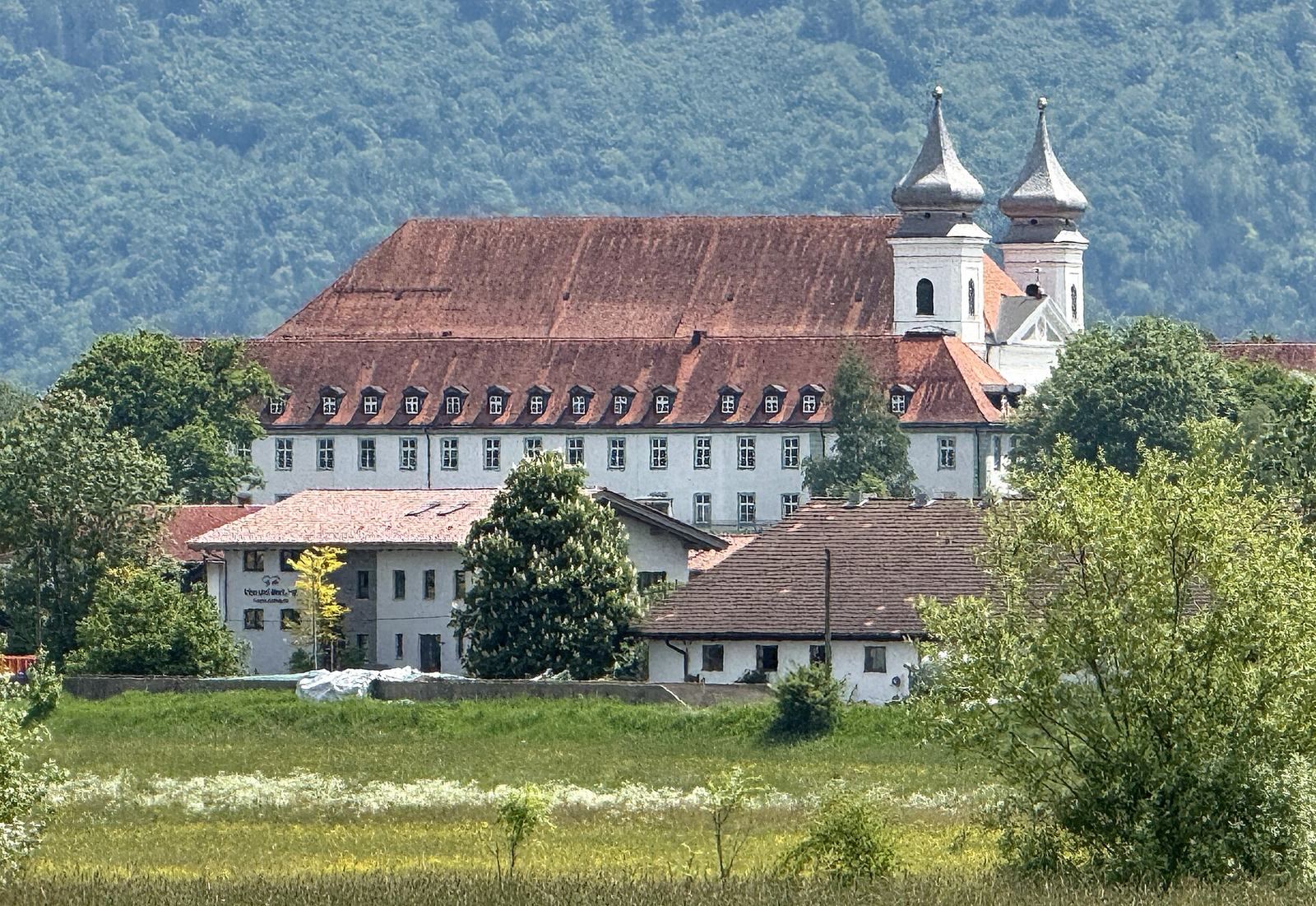
The abbey stands on the eastern edge of Schlehdorf, near Kochelsee and at the northern edge of the Bavarian Alps. Its historic main building is a three-storey, three-wing Baroque structure, enlarged and remodelled between 1717 and 1725. The main building, abbey church, and secondary school are distinct parts of the complex.
Abbey church and chapel
Abbey church
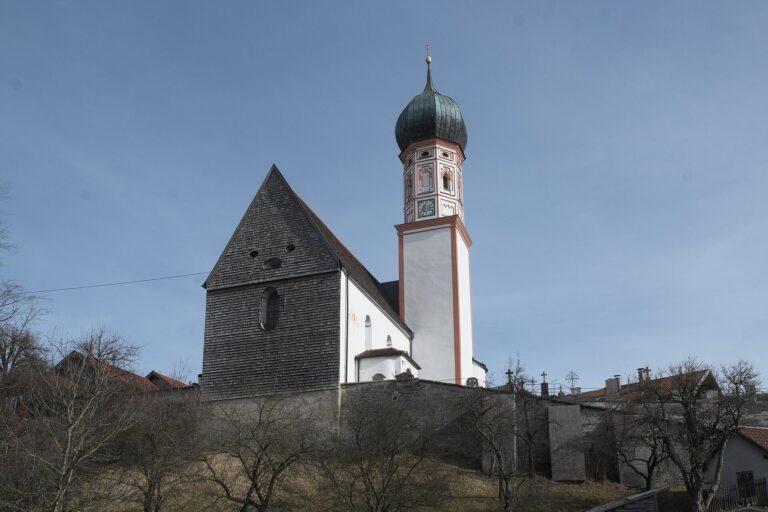
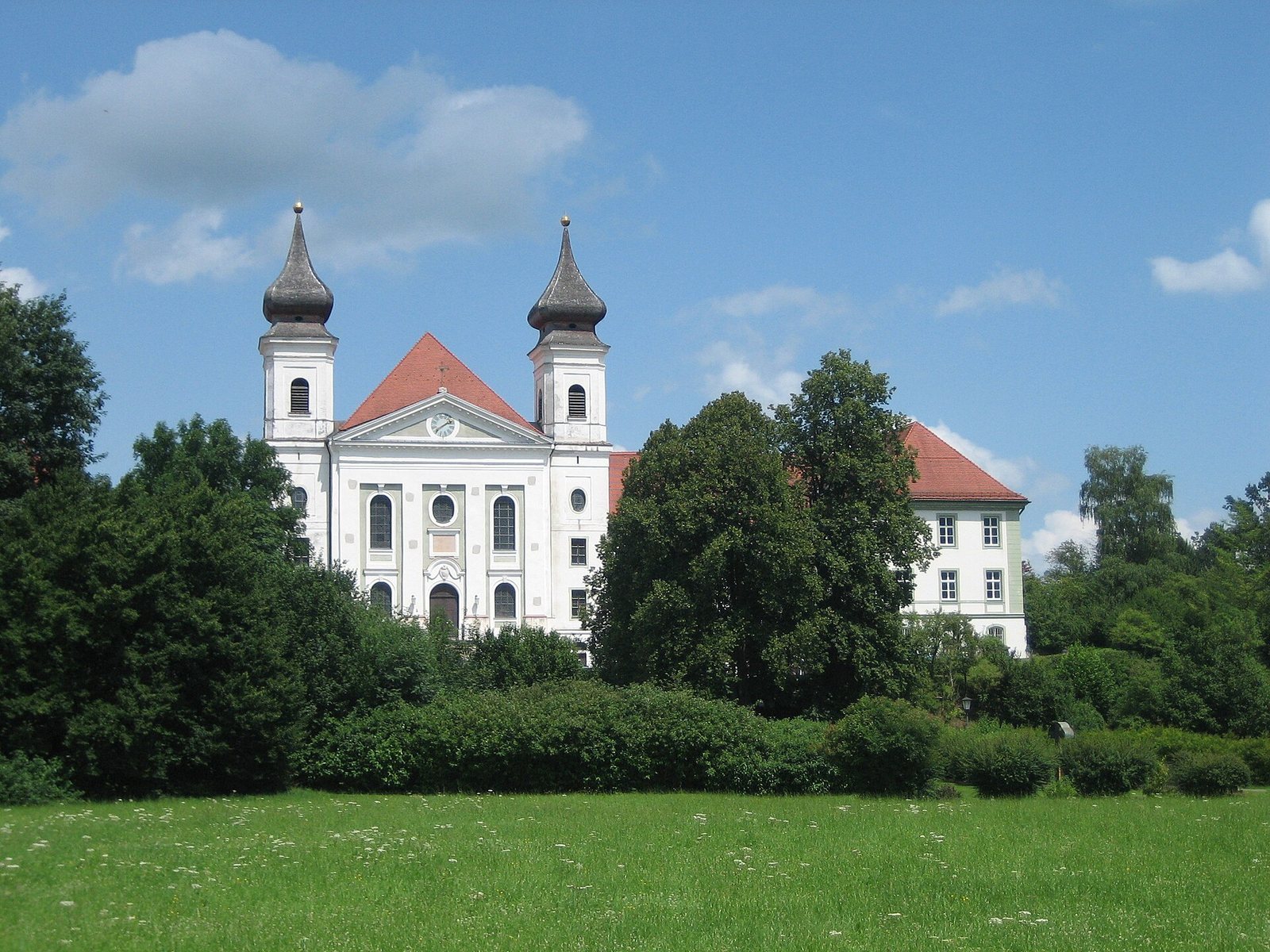
Dedicated to Saint Tertullinus, the Baroque abbey church was completed in 1780 with financial support from the Munich master craftsman Melchior Honifstingl. Financial constraints prevented the full execution of its original plan. After secularization, the church became the parish church of Schlehdorf.
Holy Cross Chapel
The Holy Cross Chapel contains the Schlehdorf Crucifix, a monumental sculpture with a life-size figure of Christ. Broadly dated to the late tenth or early eleventh century, it is considered among the oldest monumental crucifixes in Christendom.