Oultremont Castle: A Castle-and-Farm Complex in Belgium
Site at a Glance
- Rating
- 4.4
- Popularity
- Low
- Country
- Belgium
- Primary era
- Medieval
- Eras represented
- Medieval, Modern
- Civilizations
- French, Holy Roman Empire, Prince-Bishopric of Liège
- Site type
- Military
- Remains
- Castle
On this page7 sections
History
The fortified residence
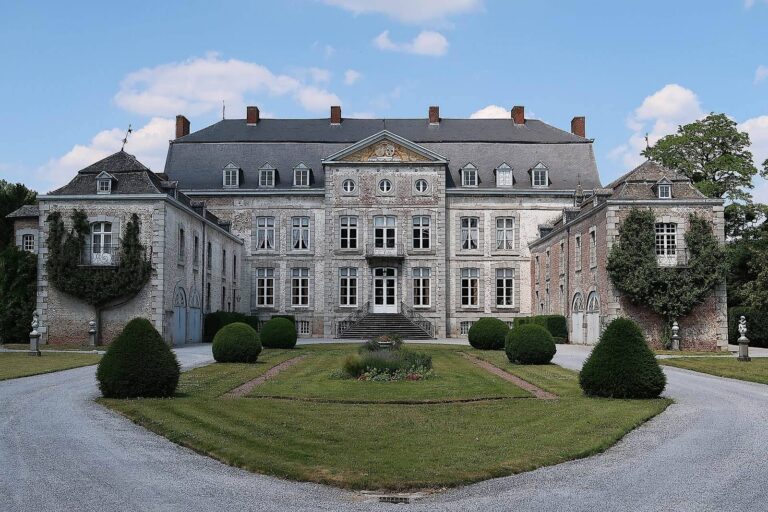
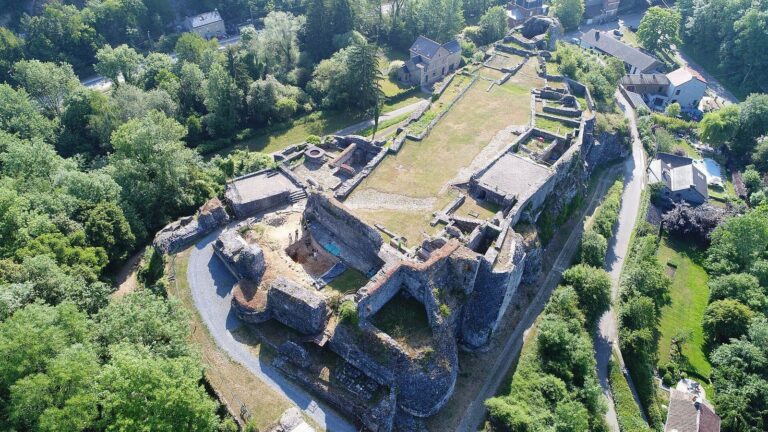
Oultremont Castle, a castle-and-farm complex at Warnant-Dreye in Belgium, stands on the site of a fortified residence in the fifteenth century. The Warnant family, recorded from 1137, owned the residence. During that century, a descendant of the Ladrier branch settled in the old castle and adopted the place-name. The castle is named for the d’Oultremont family, its former owners.
The mausoleum’s transfer
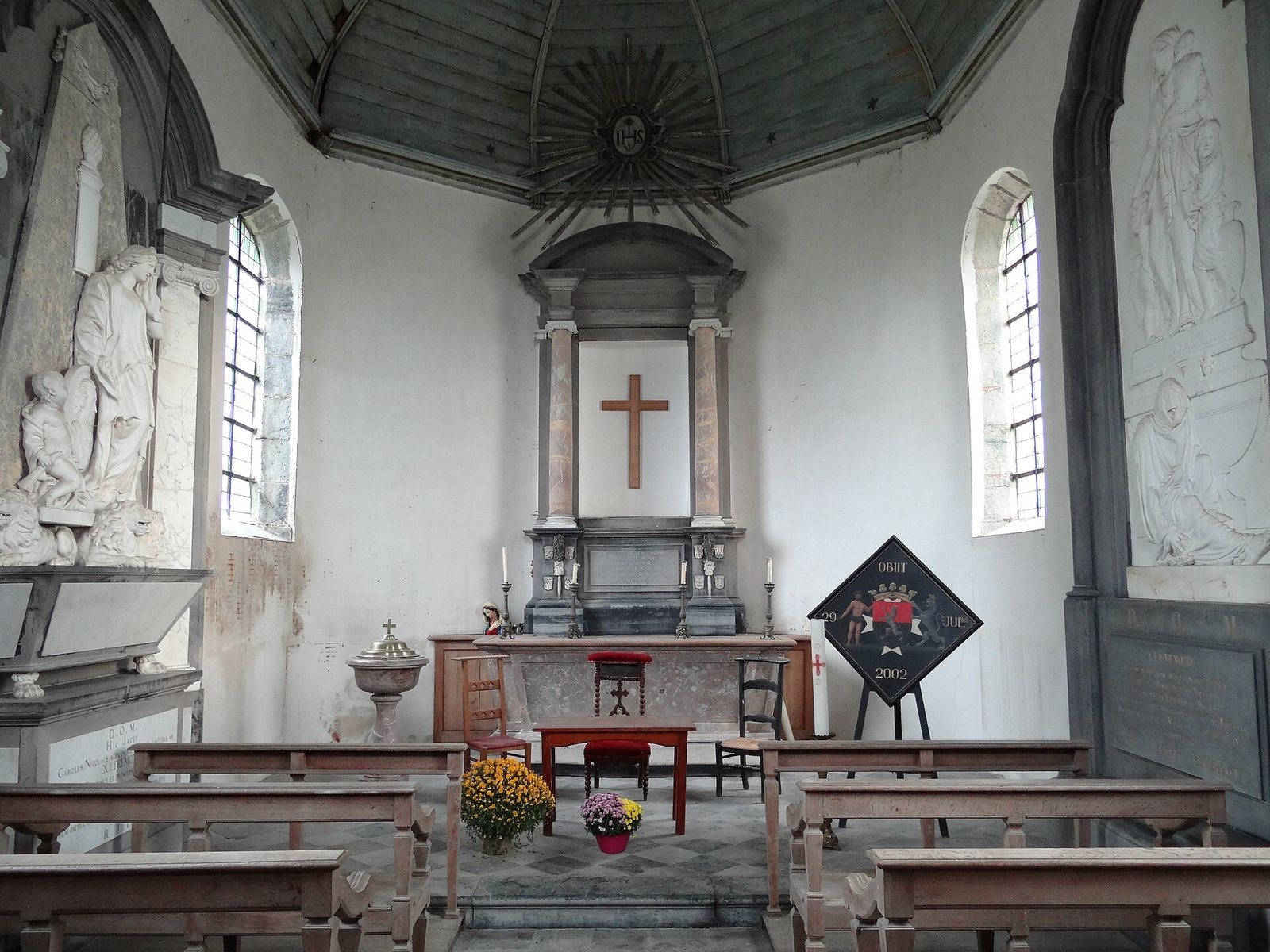
During revolutionary upheaval, the d’Oultremont family rescued the mausoleum and remains of Charles-Nicolas d’Oultremont from the ruins of Liège’s Cathedral of Notre-Dame and Saint Lambert. They were brought to the castle in 1806. Charles-Nicolas had served as Prince-Bishop of Liège from 1763 to 1771. A prince-bishop was a bishop who also exercised secular governing authority over a territory.
Remains
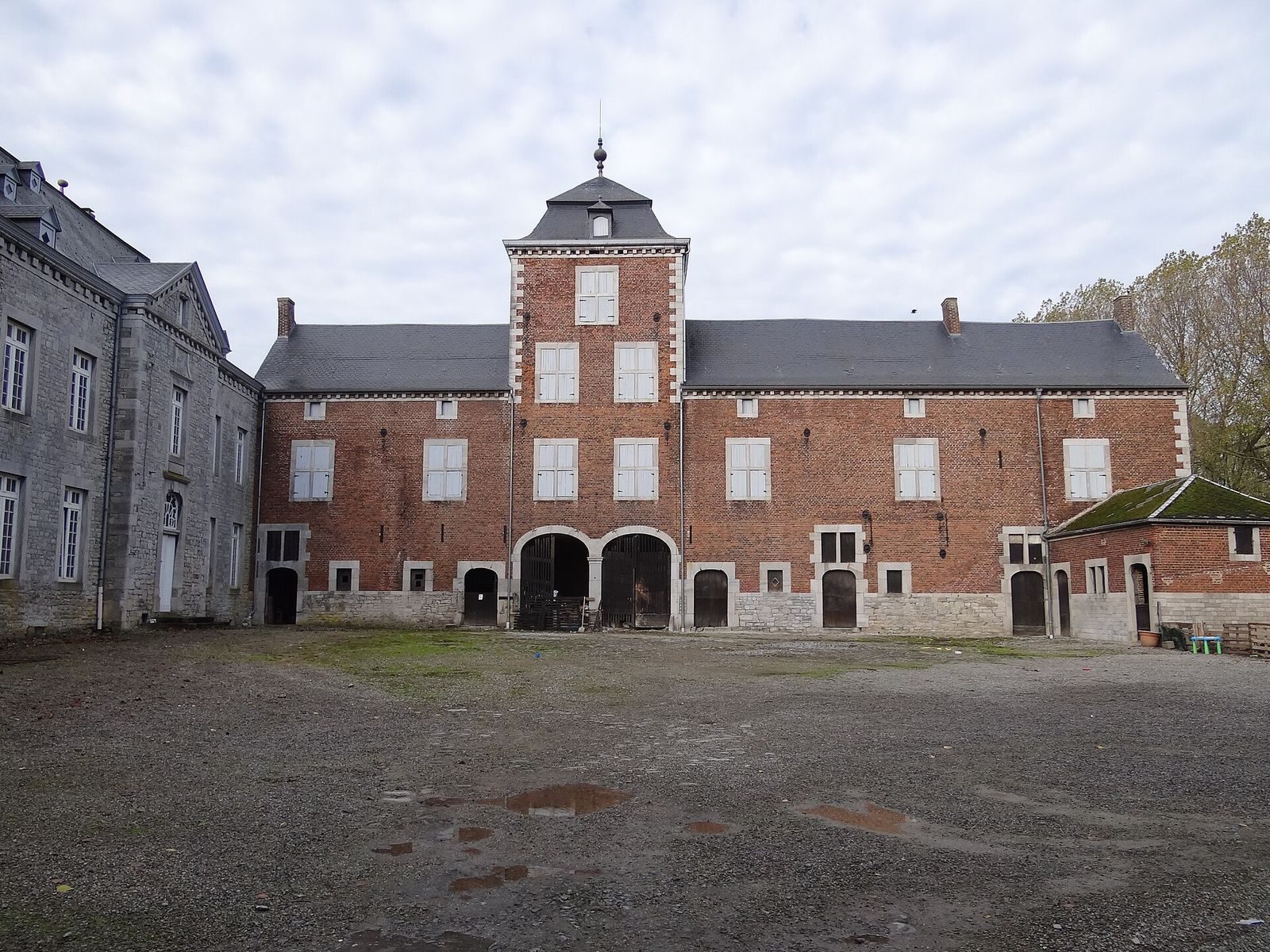
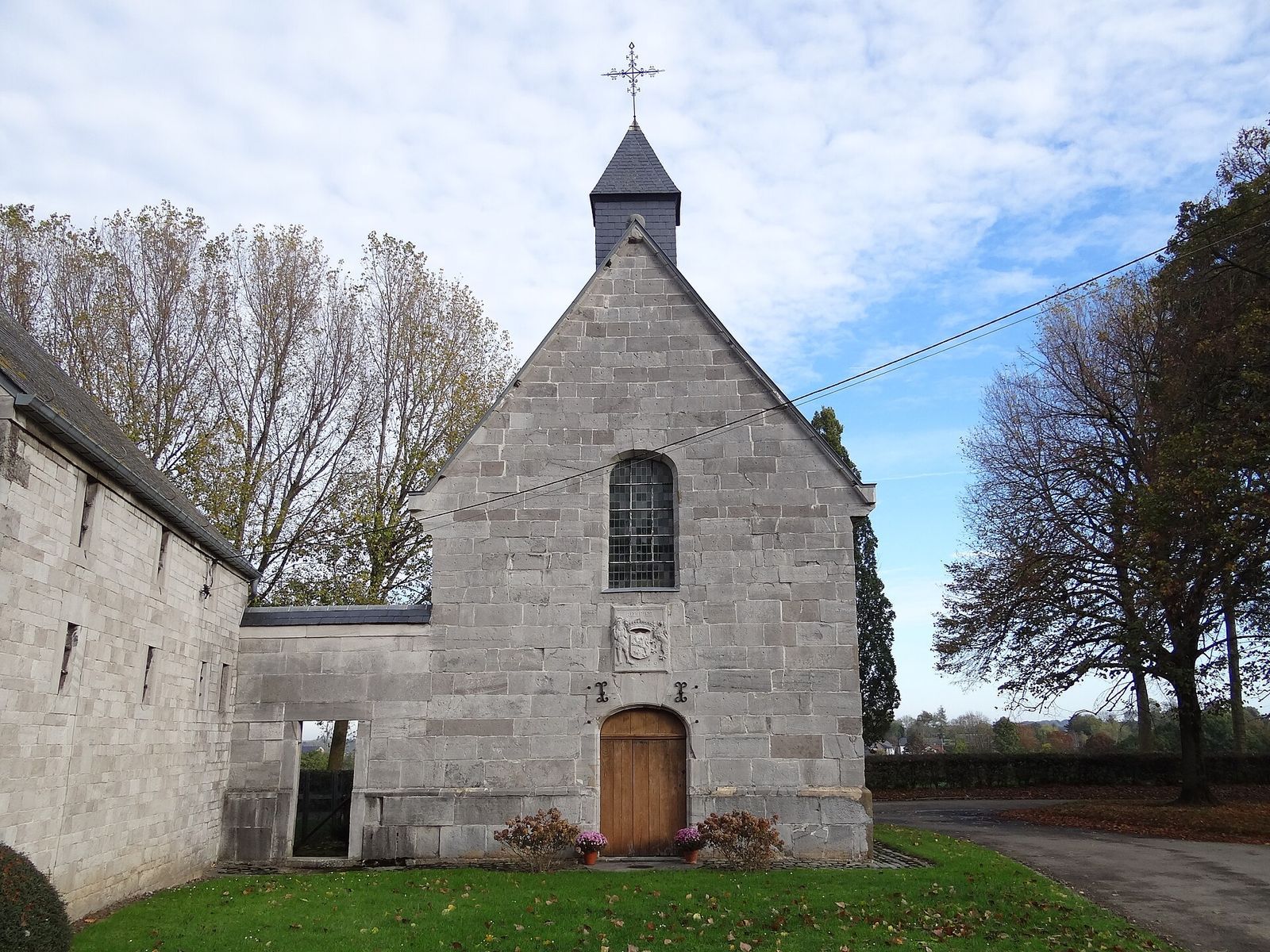
The complex has two separate courtyards and brings together residential, agricultural, religious, and entrance structures. Its principal elements include a castle, a farm, a chapel, and a limestone gate tower.
Castle and farm
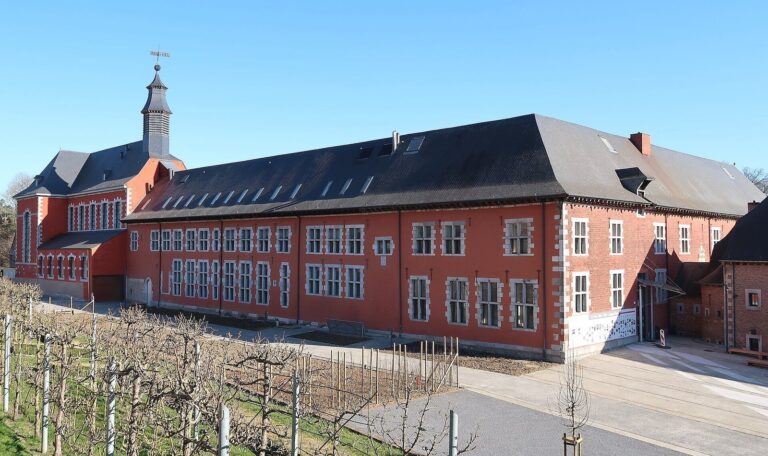
The castle includes a principal residential range with a Tuscan gallery, designed in the plain, restrained Tuscan classical style. The farm has two barns. These buildings form the residential and agricultural parts of the complex.
Gate tower and entrance
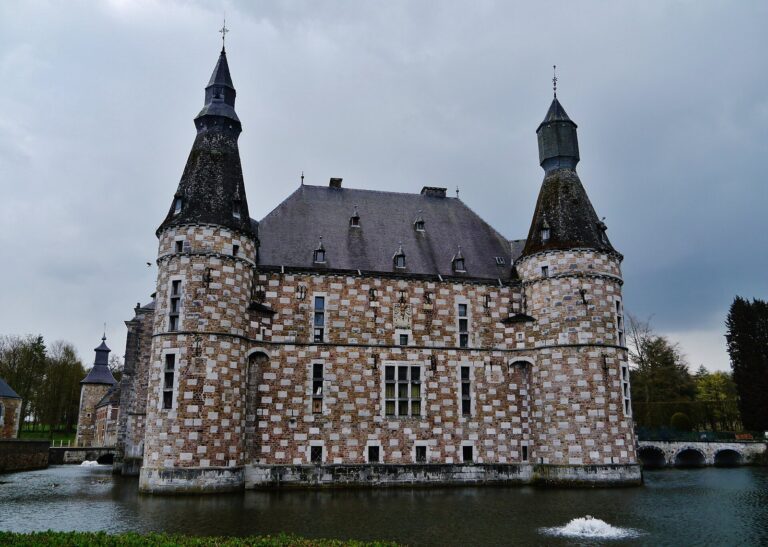
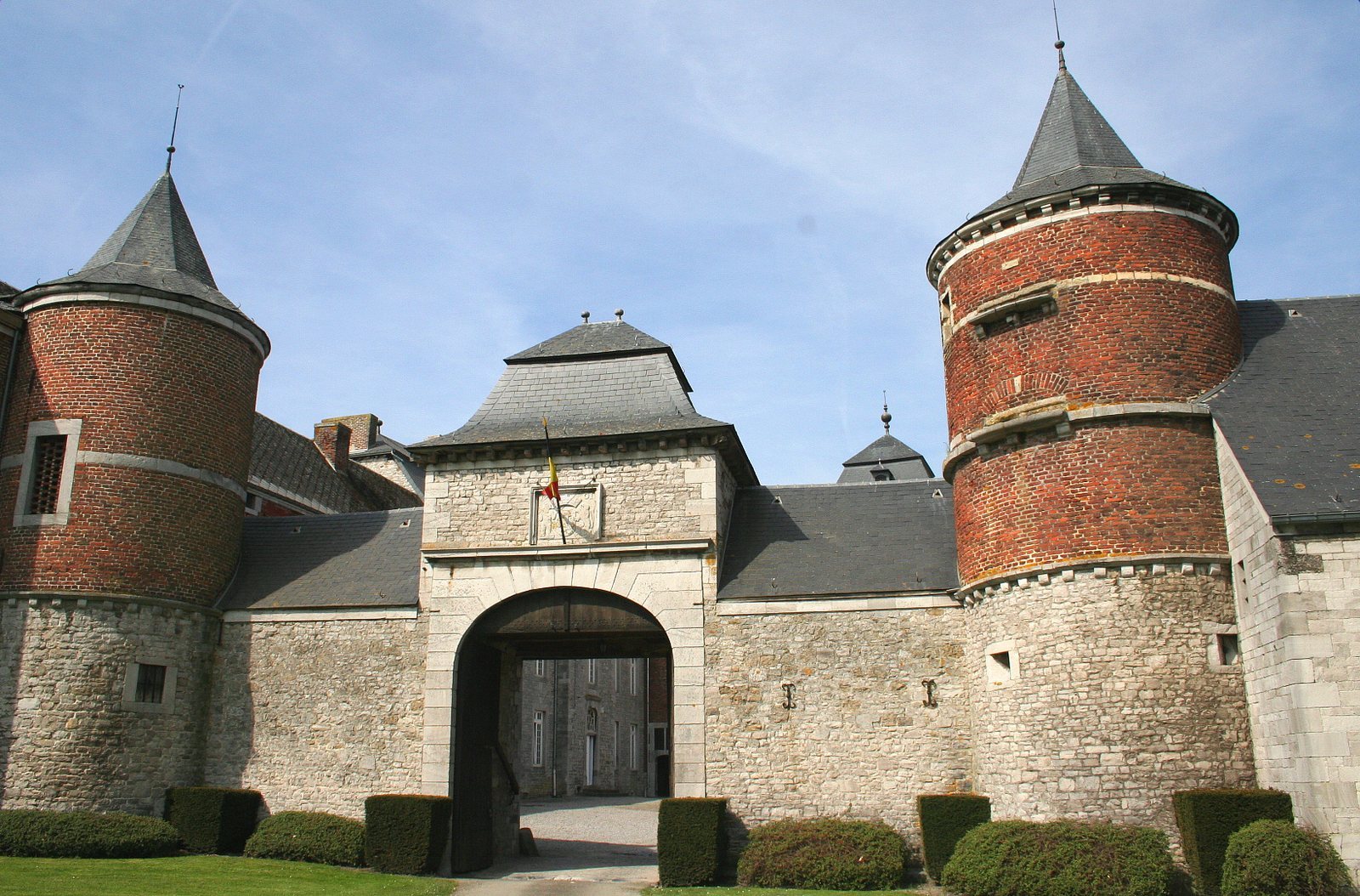
The limestone gate tower has a portal opening onto the main courtyard. Its broad, shallow basket-handle arch curves across the entrance, which is flanked by two large circular towers.
Chapel and mausoleum
The chapel contains the mausoleum and remains of Charles-Nicolas d’Oultremont. Sculpted by Guillaume Évrard, the monument shows an allegorical figure of sorrow wiping away tears with her right hand and resting her left on a medallion depicting the prince-bishop. Behind the figure is a perron, a raised platform or flight of steps that symbolizes the prince-bishop’s justice.