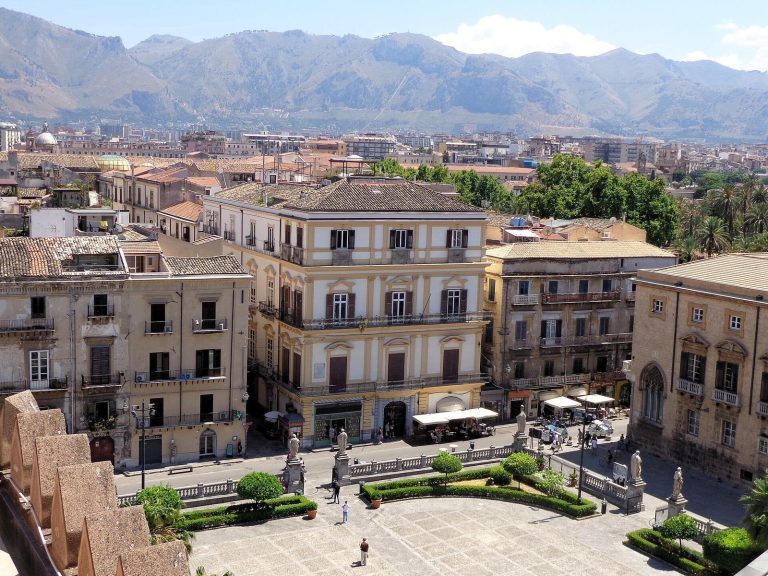
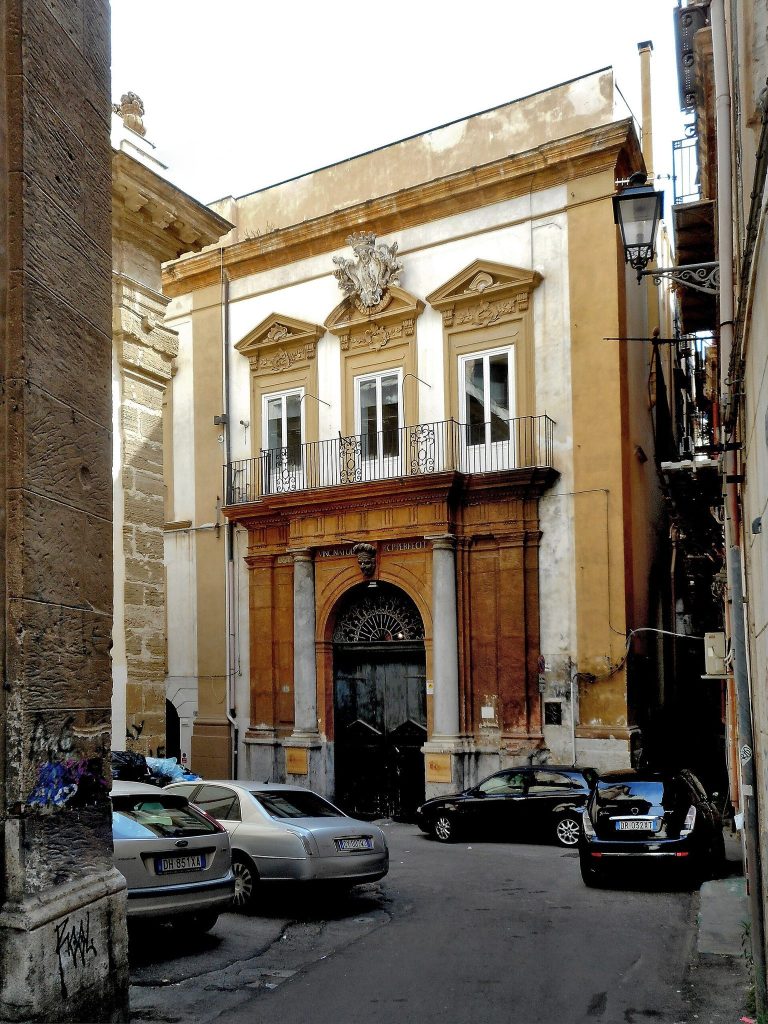
Palazzo Conte Federico: A Historic Palace in Palermo
Site at a Glance
- Popularity
- Medium
- Country
- Italy
- Primary era
- Early Modern
- Eras represented
- Classical, Medieval, Early Modern
- Civilizations
- Carthaginian, Crown of Aragon, Habsburg, Habsburg Spain, Kingdom of Sicily, Norman, Spanish
- Site type
- Domestic
- Remains
- Elite Residence
On this page8 sections
History
Palazzo Conte Federico is a seventeenth-century palace in Palermo, Italy, regarded as one of the city’s oldest and most distinguished buildings.
The Federico acquisition
In the mid-seventeenth century, Gaspare Federico e Balsamo, Count of San Giorgio, bought a large hospice at Porta Busuemi from the Olivetan Fathers of Santa Maria dello Spasimo. The Olivetans are a Catholic monastic congregation in the Benedictine tradition. Gaspare reshaped the property into the palace’s present form. His heir, Count Nicolò Federico e Opezzinga, later commissioned many of its decorative works.
Residence and cultural use
The palace remains a residence, inhabited by Count Alessandro Federico. During a stay in Palermo in 1882, German composer Richard Wagner played a grand piano in the Ballroom Gallery.
Remains
Architectural features
Torre Busuemi and Porta Busuemi
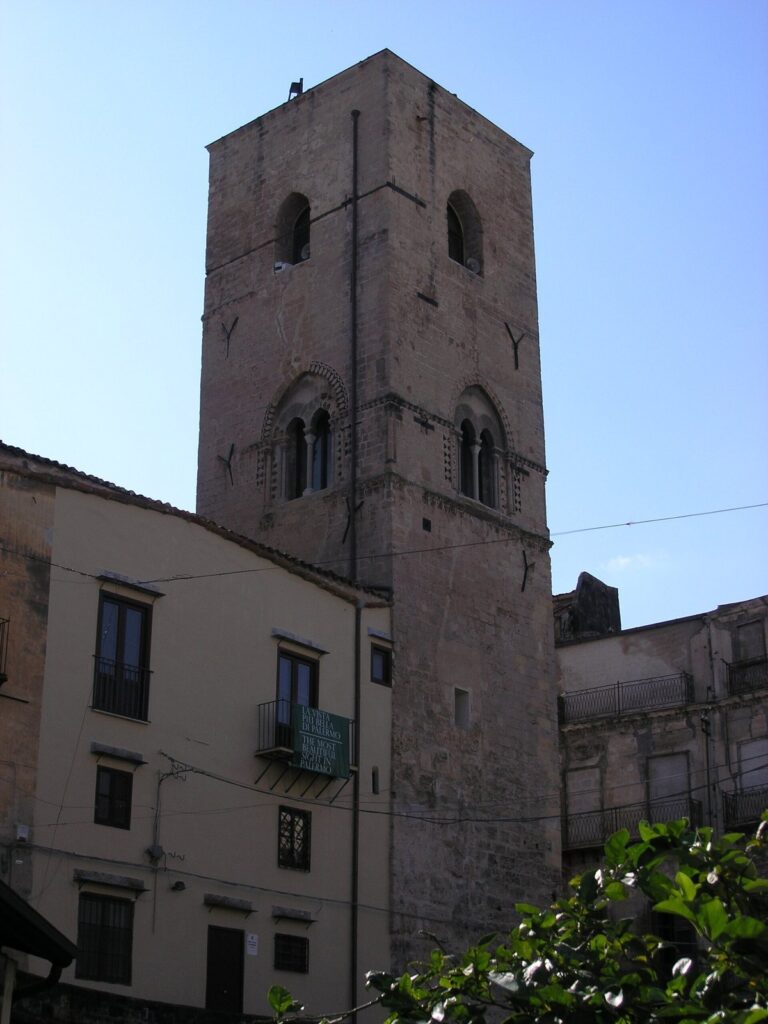
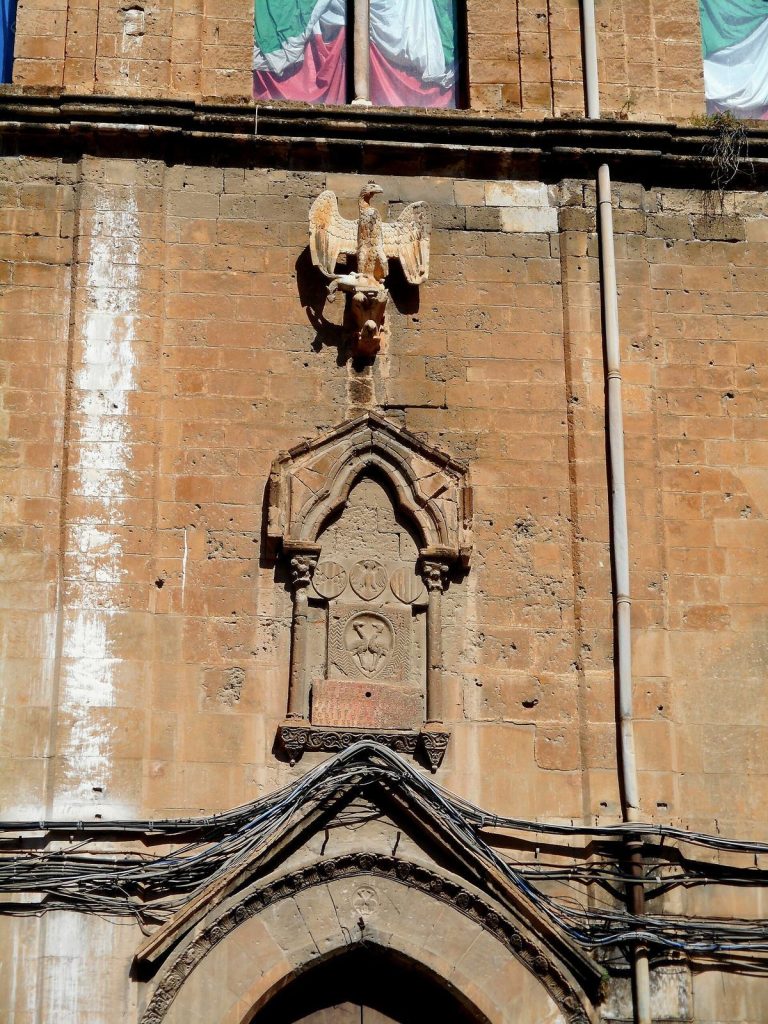
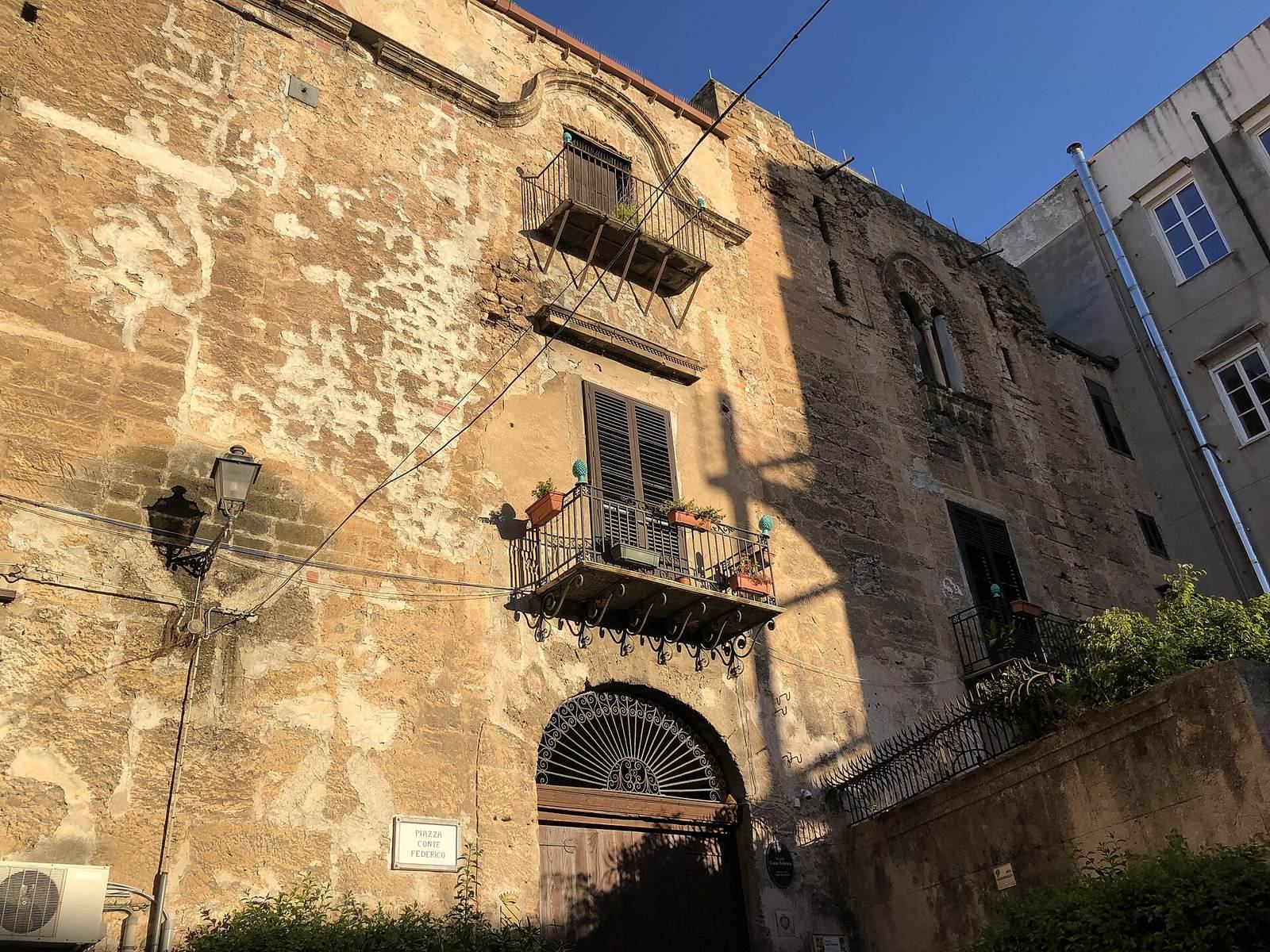
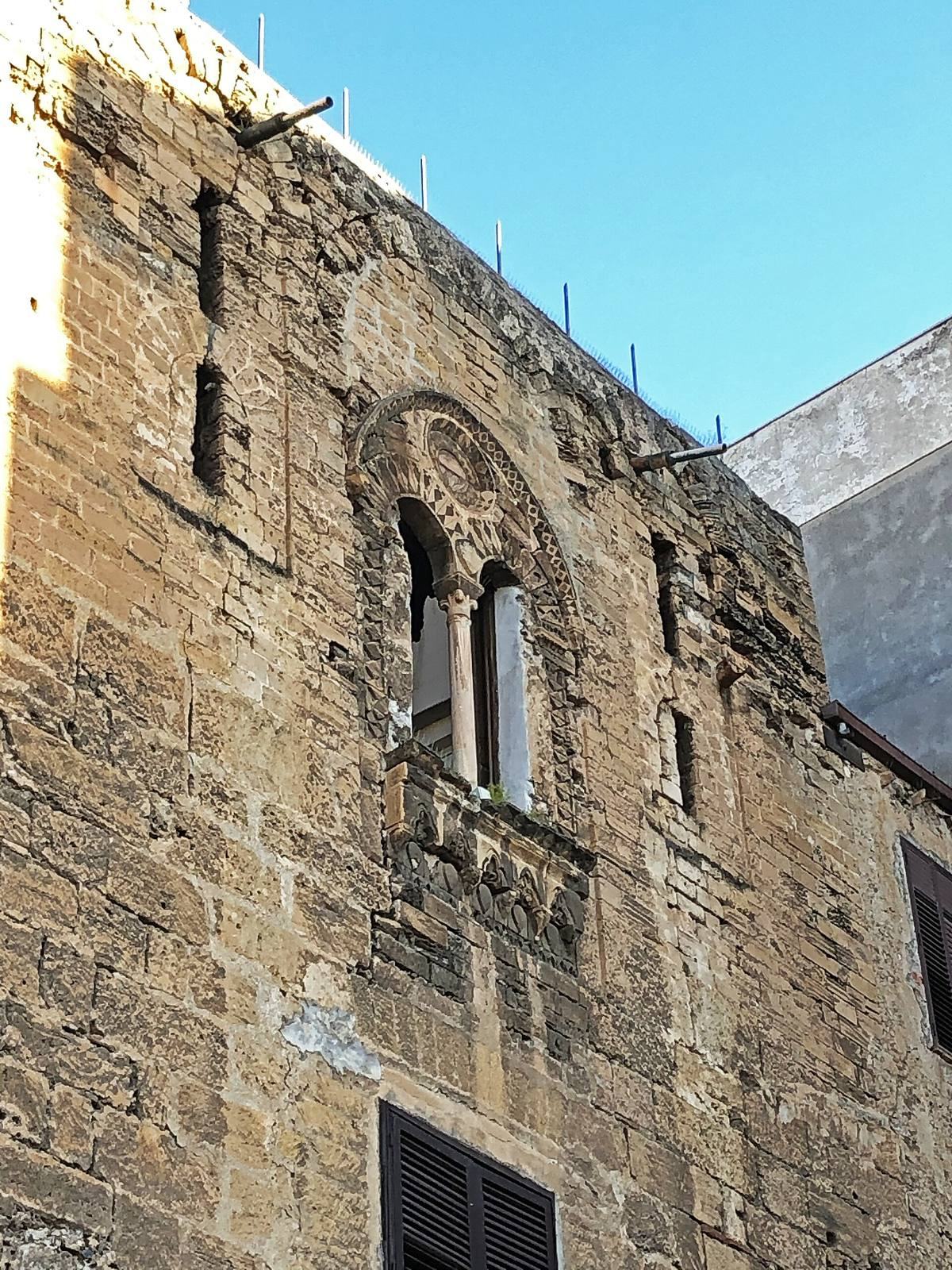
The palace stands between Via dei Biscottari and Piazza Conte Federico, within the ancient walls of the former Punic city. Punic refers to the Phoenician culture of the western Mediterranean, including Carthage and its sphere. At the palace, a twelfth-century Arab-Norman tower, a medieval Sicilian style combining Arab and Norman influences, rises from a Punic wall and incorporates the former city gate, Porta Busuemi. The gate’s name comes from the Arabic Bab el Soudan, meaning “Gate of the Blacks.” The tower has two paired-light windows, one Norman and one Aragonese, and bears two old coats of arms of Palermo, from the Swabian and Aragonese periods.
Courtyard and principal floor
Giuseppe Venanzio Marvuglia, a Sicilian architect, created the courtyard’s carved-stone decoration in 1750. A dramatic staircase of red marble leads from the courtyard to the principal floor, where salons reflect different periods in the palace’s history. They retain original furnishings and paintings by notable artists of their time. Their features include fifteenth-century painted wooden coffered ceilings, divided into recessed panels, and eighteenth-century frescoes by Vito D’Anna and Gaspare Serenari. The rooms also hold collections of weapons and antique ceramics.
Ballroom Gallery
The Ballroom Gallery includes a stage with a grand piano.