Sant Sebastià del Sull: A Pre-Romanesque Benedictine Monastery in Catalonia
Site at a Glance
- Popularity
- High
- Country
- Spain
- Primary era
- Medieval
- Eras represented
- Medieval
- Civilizations
- Carolingian, Crown of Aragon
- Site type
- Religious
- Remains
- Monastery
On this page8 sections
History
Foundation and endowment
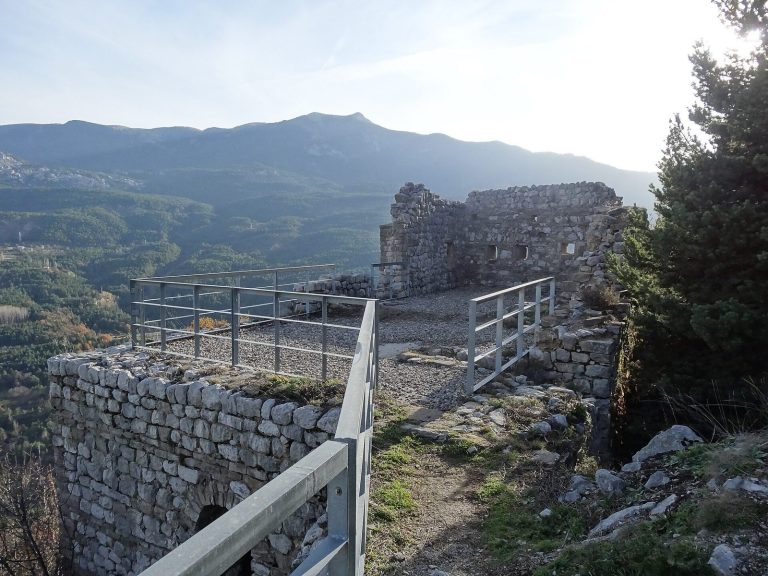
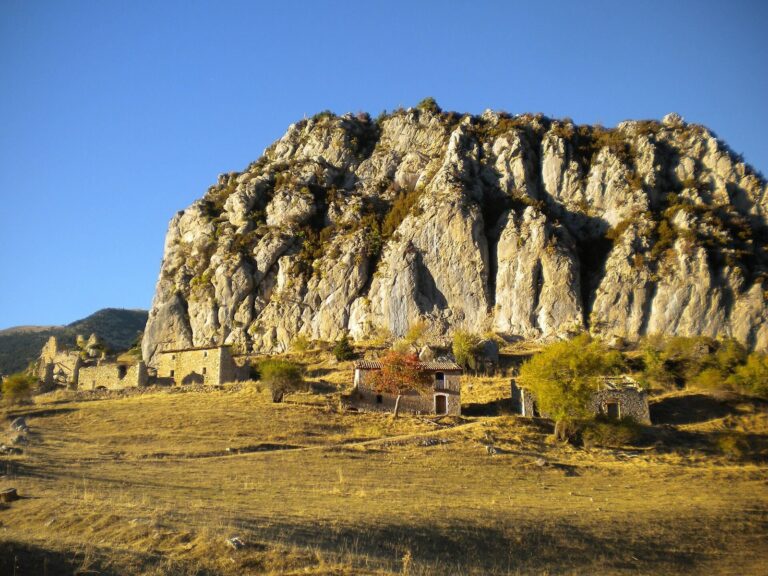
Sant Sebastià del Sull was a pre-Romanesque Benedictine monastery on the left bank of the Saldes River in Saldes, Catalonia, Spain. The Benedictines were a Western Christian monastic tradition shaped by the Rule of Saint Benedict. The first construction at the site dates to the late ninth century, and the monastery was founded in the early tenth century by the priest Daniel and Honesta, who secured land for it before 939.
In 939, Count Sunifred II of Cerdanya confirmed the monastery’s lands, which stretched from Gresolet Forest toward the Ensija ridge and the Trapa pass on Pedraforca. He granted them to Abbot Dracón, the head of the community, and its six monks. The monastery’s holdings grew in 965 through a donation of independently held estates.
Monastic control and later use
In 983, Count Oliva Cabreta transferred Sant Sebastià del Sull to Sant Llorenç de Bagà. Monks had left by the mid-eleventh century, but Sant Llorenç retained control of the site until 1836.
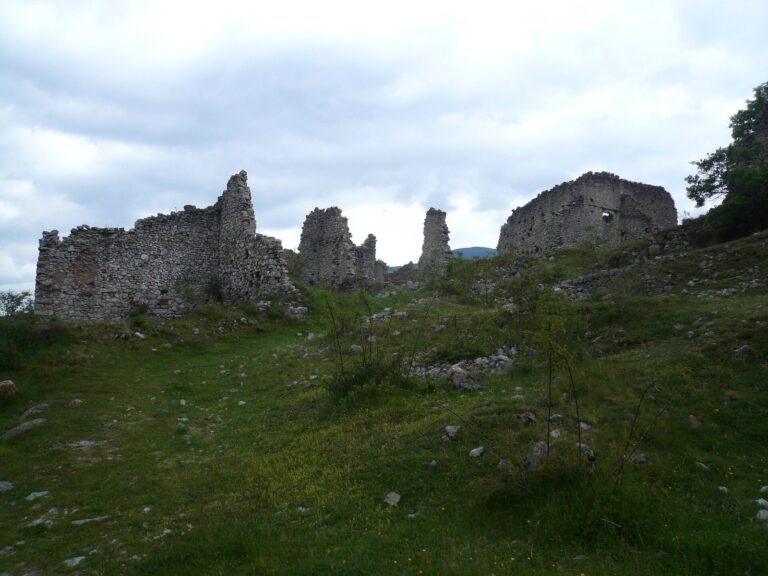
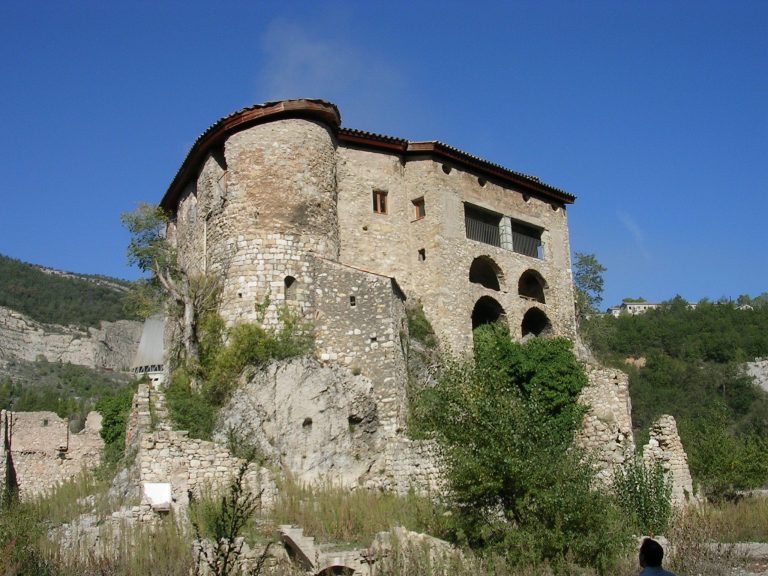
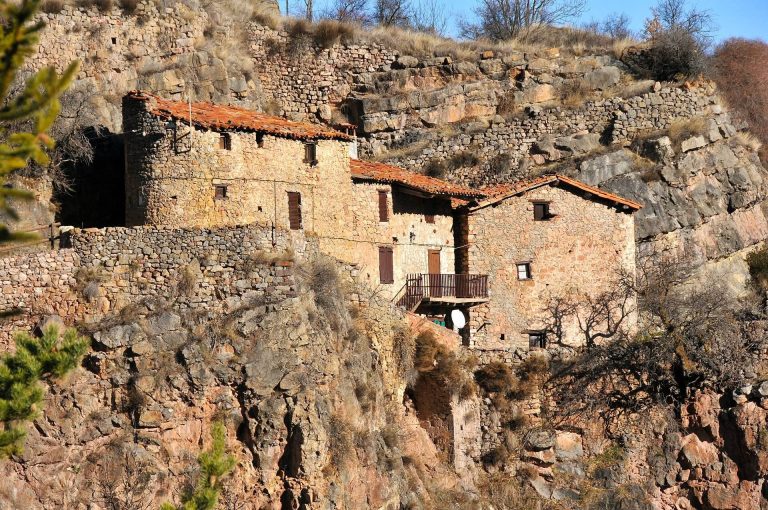
The church underwent several renovations, then collapsed and was rebuilt in the fifteenth century. A farmhouse later occupied the site and remained in use until 1910. Between 1971 and 1977, Manuel Riu Riu led eight excavation campaigns that cleared the farmhouse remains and exposed the earlier church and a substantial burial ground.
Remains
Church
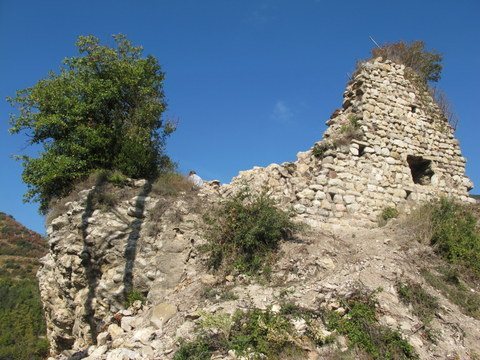
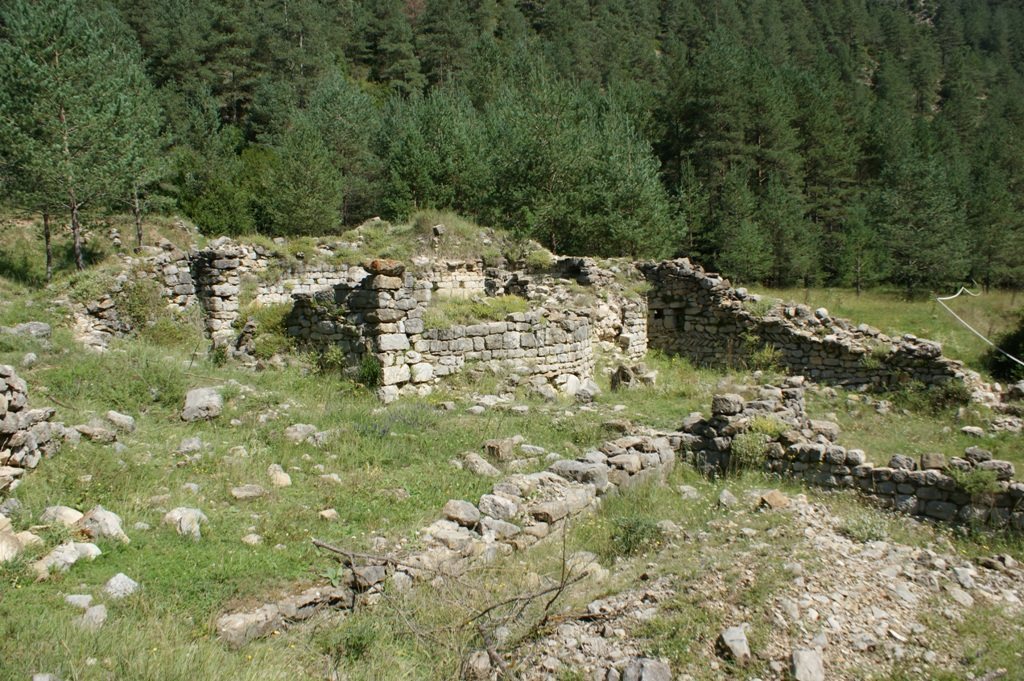
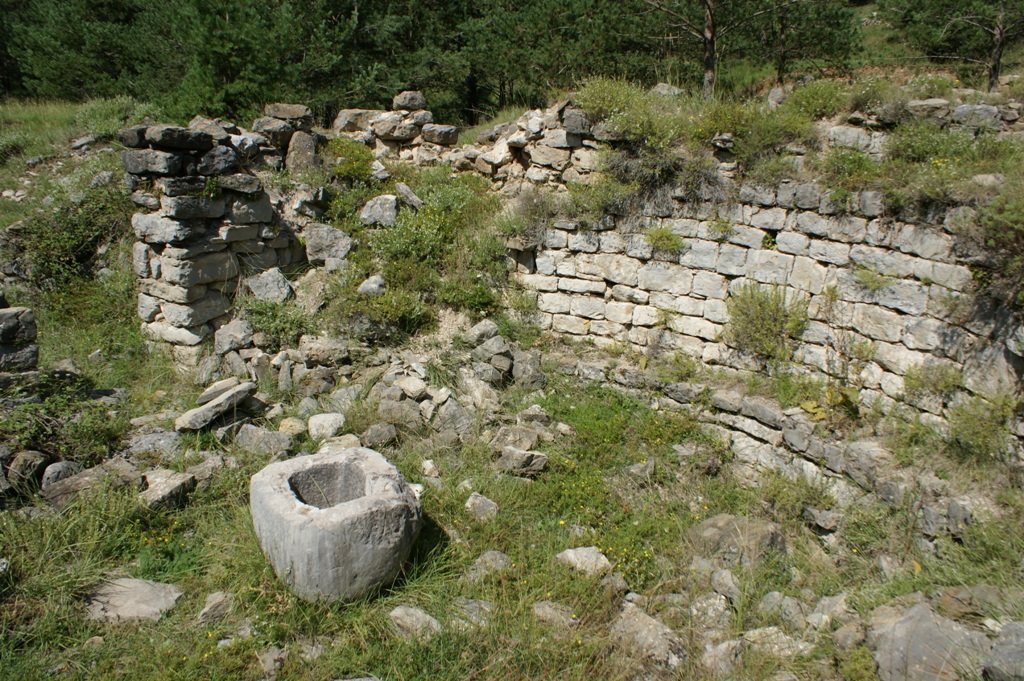
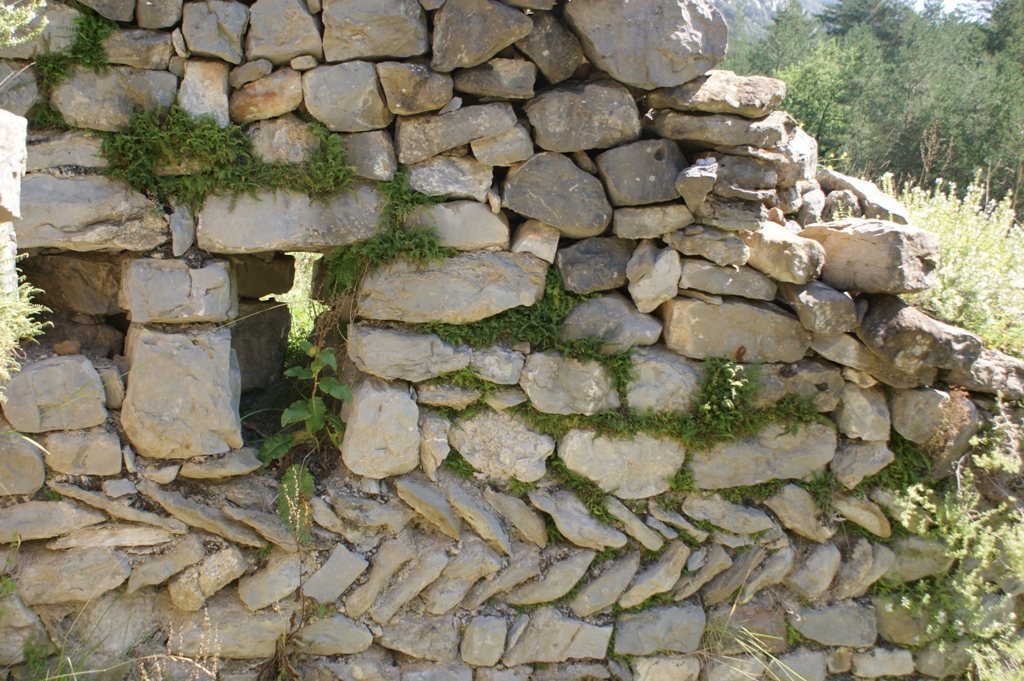
The ruined church has a centralized circular plan, with a semicircular sanctuary end on the east and the entrance opposite it. Its walls were built from small, hammer-shaped blocks laid in courses and bonded with mortar. Broad wall bases form a continuous bench around the building, including the sanctuary end, where a narrow slit window remains. The circular structure is thought to have carried a dome made from small blocks set in concentric rings.
Burial ground
Grave forms
Excavation uncovered 120 burials, classified into six types. Among the forms were simple pits covered by large horizontal slabs, with no stone lining along the sides. The dead in these, considered the oldest graves, may have been placed in oak or holm-oak chests joined with wooden pegs. Oval stone-lined graves with one or two cover slabs date to the early tenth century. Carefully shaped rectangular stone boxes are mostly from the eleventh century. Trapezoidal graves made from worked slabs date to the late twelfth century; some have stones arranged to outline a human-shaped head end. Other unlined, uncovered pits date to the late twelfth or early thirteenth century. Most graves ran east to west, with the head at the western end. Few overlapped, and their depths varied.
Burial 66
Burial 66 contained a gray ceramic vessel resembling a pitcher, placed between the deceased’s lower-leg bones. The vessel dates to the late eleventh or early twelfth century. Riu proposed that it may have held water to quench the spirit’s thirst on its journey to eternity. He also suggested that finds of this kind in Berguedà and Bages might indicate a return of pre-Christian burial customs in the twelfth century, when Christianity was presumably more firmly established in the area.