Ravesteyn Castle: A Medieval Fortress and Prison in Heenvliet
Site at a Glance
- Rating
- 4.3
- Popularity
- Medium
- Country
- Netherlands
- Primary era
- Medieval
- Eras represented
- Medieval
- Civilizations
- Holy Roman Empire
- Site type
- Military
- Remains
- Castle
On this page9 sections
History
Ravesteyn Castle is a medieval stone castle in Heenvliet, the Netherlands, built in the mid-13th century. Its history includes use as a residence, prison, and military fortification, followed by its deliberate destruction in 1572.
Foundation and medieval expansion
A wooden fortification probably stood on the site around 1100. Hugo, brother of Hendrik van Voorne, built the stone castle in the mid-13th century. In 1254, Hendrik granted Hugo the territory of Heenvliet, and Hugo became its first lord.
Fire, changing use, and destruction
In the 14th century, fire destroyed the fortification down to its foundations, after which it was rebuilt. During the 16th century, the castle served as both a prison and a military stronghold. The priest Angelus Merula, who was accused of heresy, may have been held there for a time before the castle’s destruction.
In 1572, during the Eighty Years’ War, a conflict against Spanish rule in the Low Countries, Dutch Sea Beggars deliberately destroyed the castle to prevent the Spanish army from using it. The castle was not rebuilt, but its cellars continued to serve as a prison for more than a century.
Restoration and protection
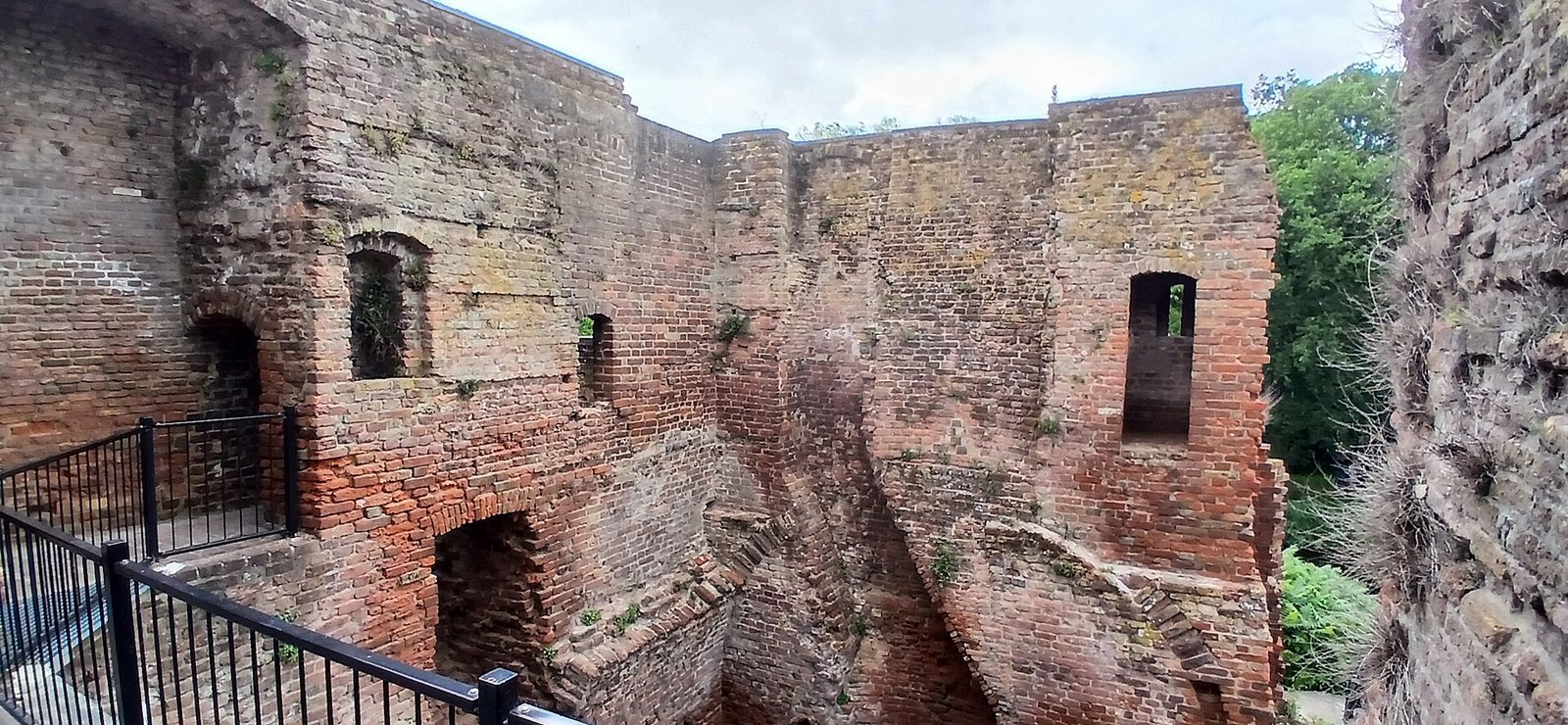
From 1959 to 1965, the ruins underwent extensive restoration accompanied by archaeological investigation led by J.G.N. Renaud. The castle lies within Heenvliet’s protected historic townscape, and several parts of the complex are Dutch National Monuments, a designation for protected historic properties.
Remains
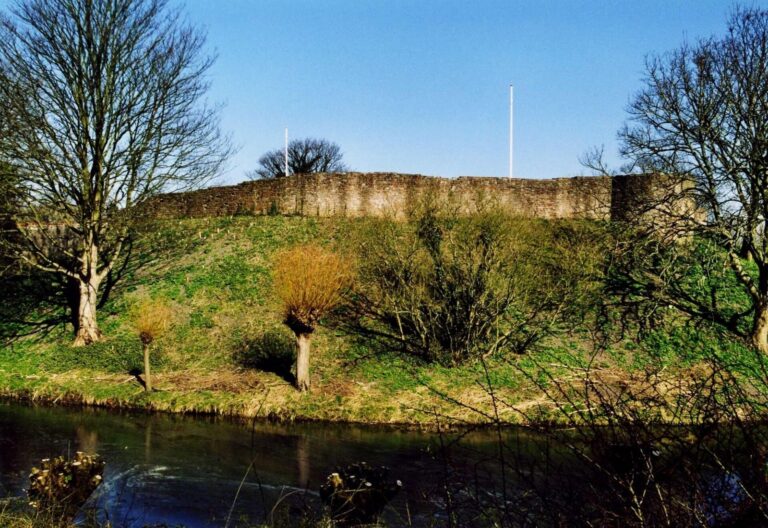
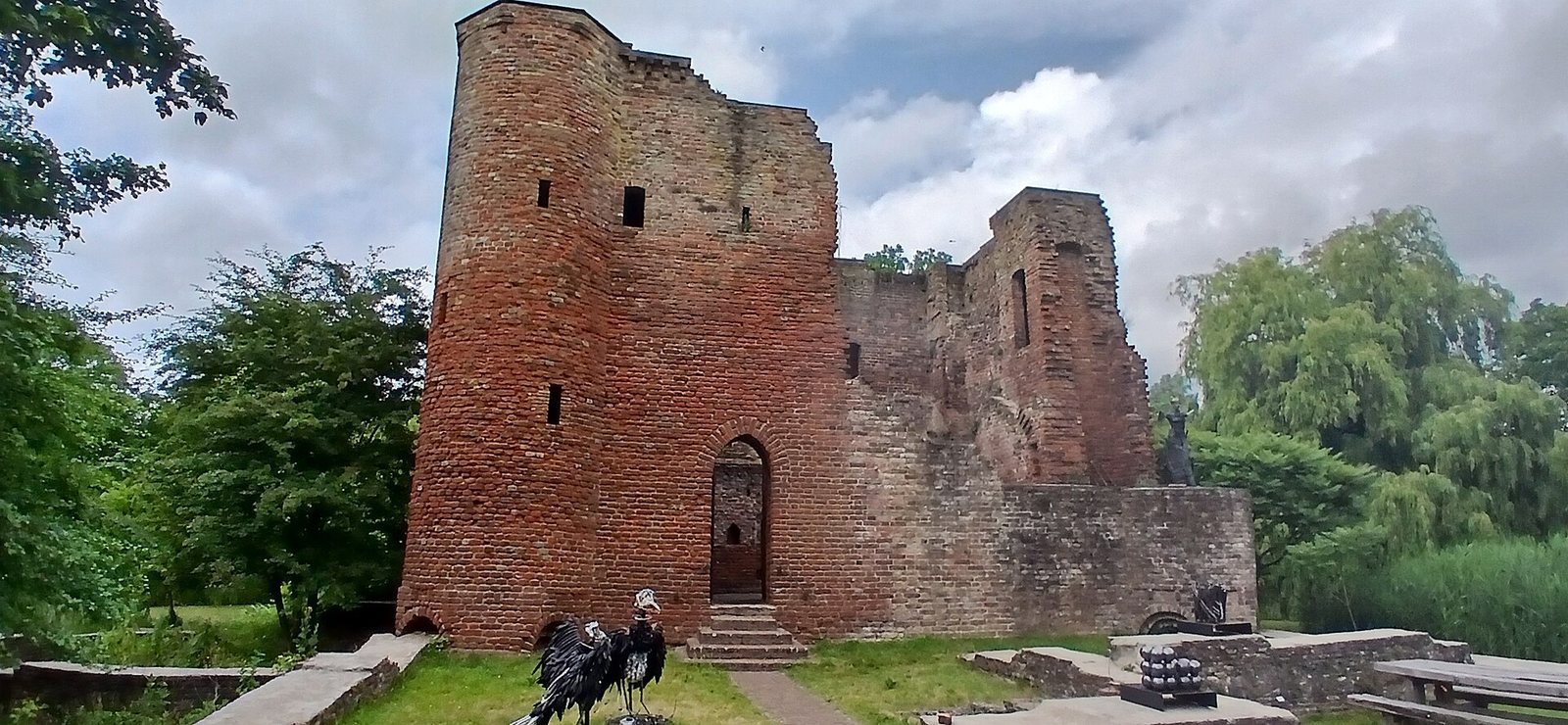
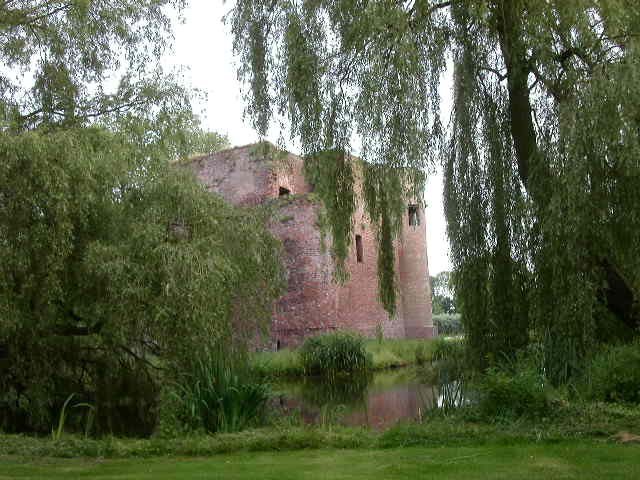
Ravesteyn stood on raised ground surrounded by a moat. The castle was built of stone, with brick also used in its construction.
Castle structures
Keep and entrance
The two-storey castle’s principal structure was a massive keep, the castle’s main fortified tower, with four towers at its corners. A portcullis, a heavy gate lowered vertically across an entrance, protected the gateway.
Residential wing
A residential wing was added in the 14th century, and further additions during the 14th and 15th centuries provided more comfortable accommodation.
Surviving remains
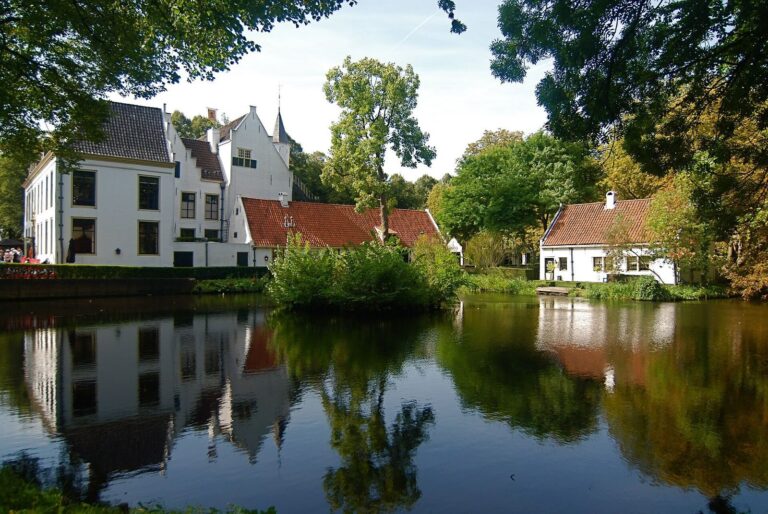
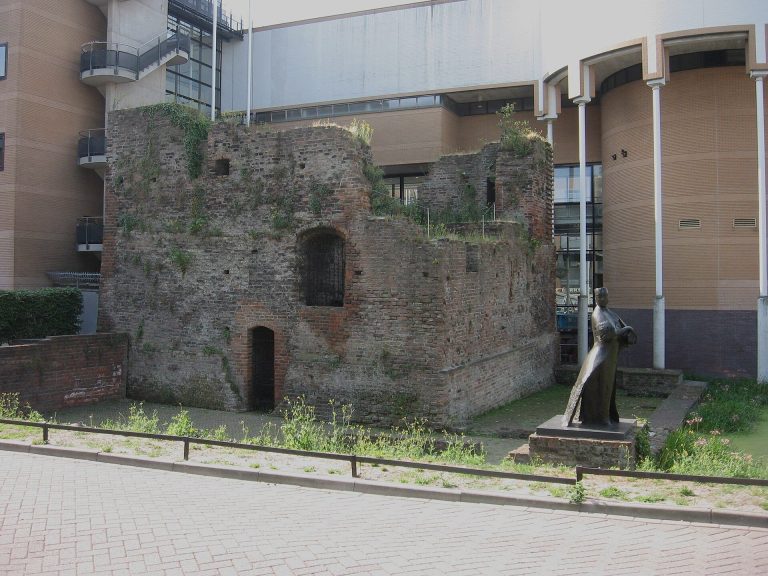
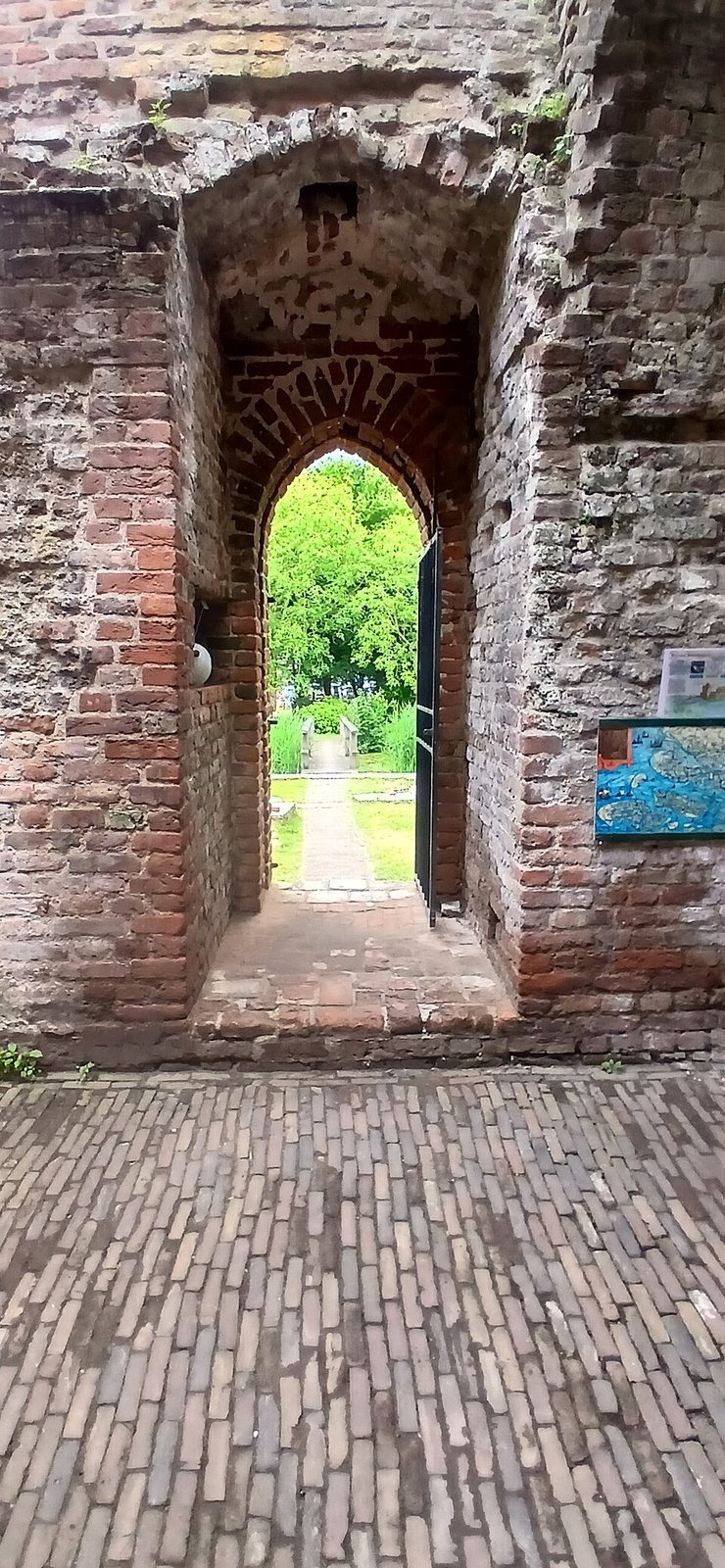
The castle is now a ruin, and its ruins and moat remain. The ruins form part of a protected garden. Ravesteyn was one of five fortified structures built in the area and the only one to survive.