Castel Pietra in Tonadico: A Medieval Defensive and Residential Castle
Site at a Glance
- Rating
- 4.3
- Popularity
- Medium
- Country
- Italy
- Primary era
- Medieval
- Eras represented
- Medieval
- Civilizations
- Unclassified
- Site type
- Military
- Remains
- Castle
On this page5 sections
History
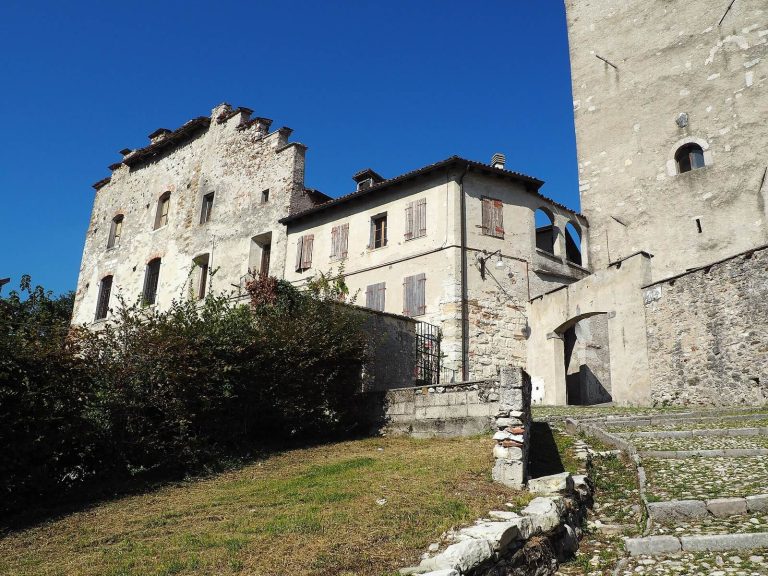
Castel Pietra in Tonadico is a ruined medieval castle in Italy, with a style described as Romanesque-Gothic, referring to two successive medieval architectural styles. It was traditionally dated to the time of Attila, the fifth-century ruler of the Huns, but was more probably built under the bishops of Feltre, church authorities associated with the Diocese of Feltre. Formerly known as Castrum Petrae, it was first recorded in 1273 and served both defensive and residential purposes.
Welsperg ownership and destruction
In 1401, the castle passed to the Welsperg family, a noble house that used it as a summer residence. Forces of the Republic of Venice destroyed it in 1511. It was partly rebuilt in 1565, but further fires and devastation preceded its abandonment in 1675.
Collapse and restoration
In 1865, a flood in the Canali stream below the castle eroded part of its supporting rock and caused another collapse. The ruins were restored during the 1980s.
Remains
Setting and layout
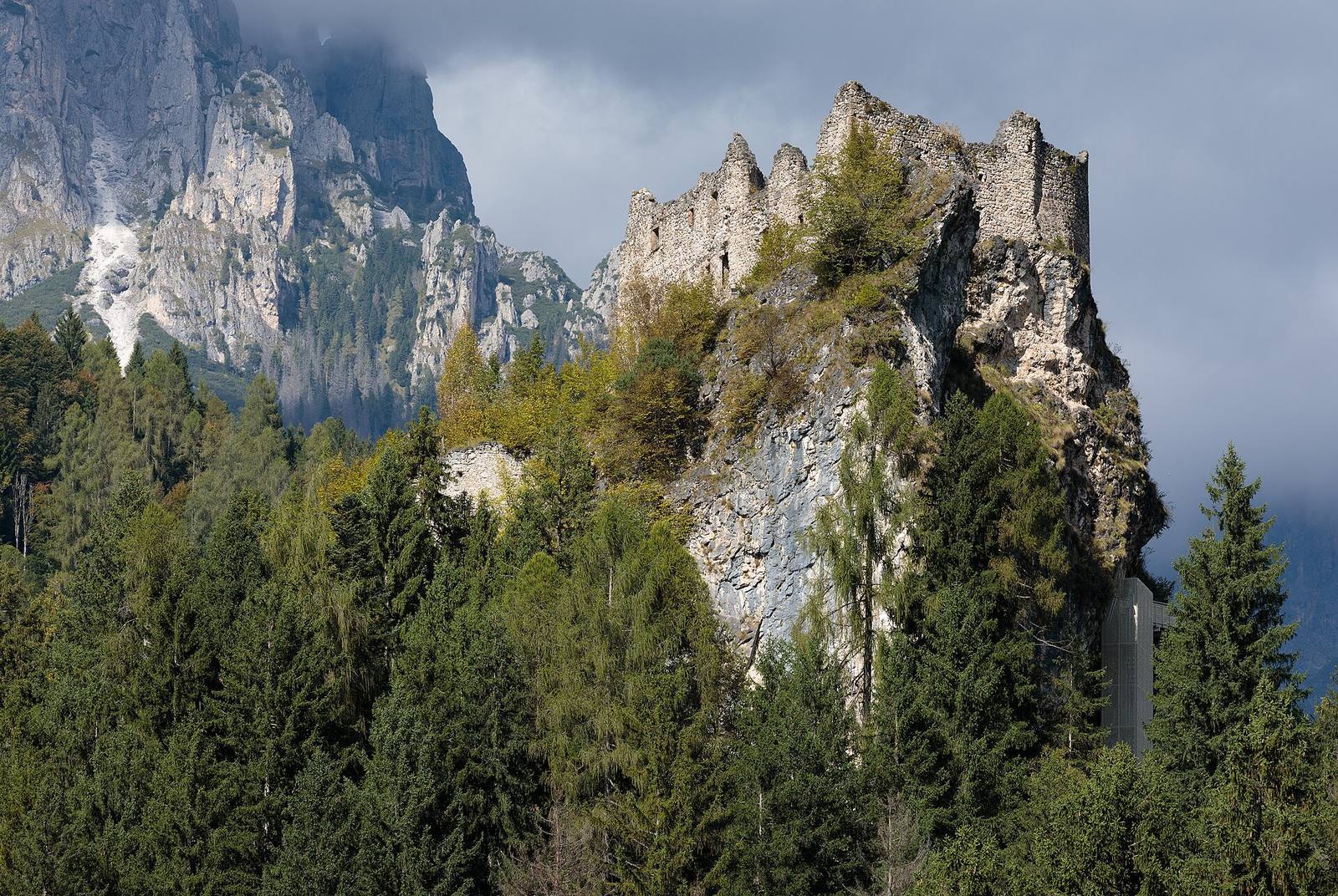
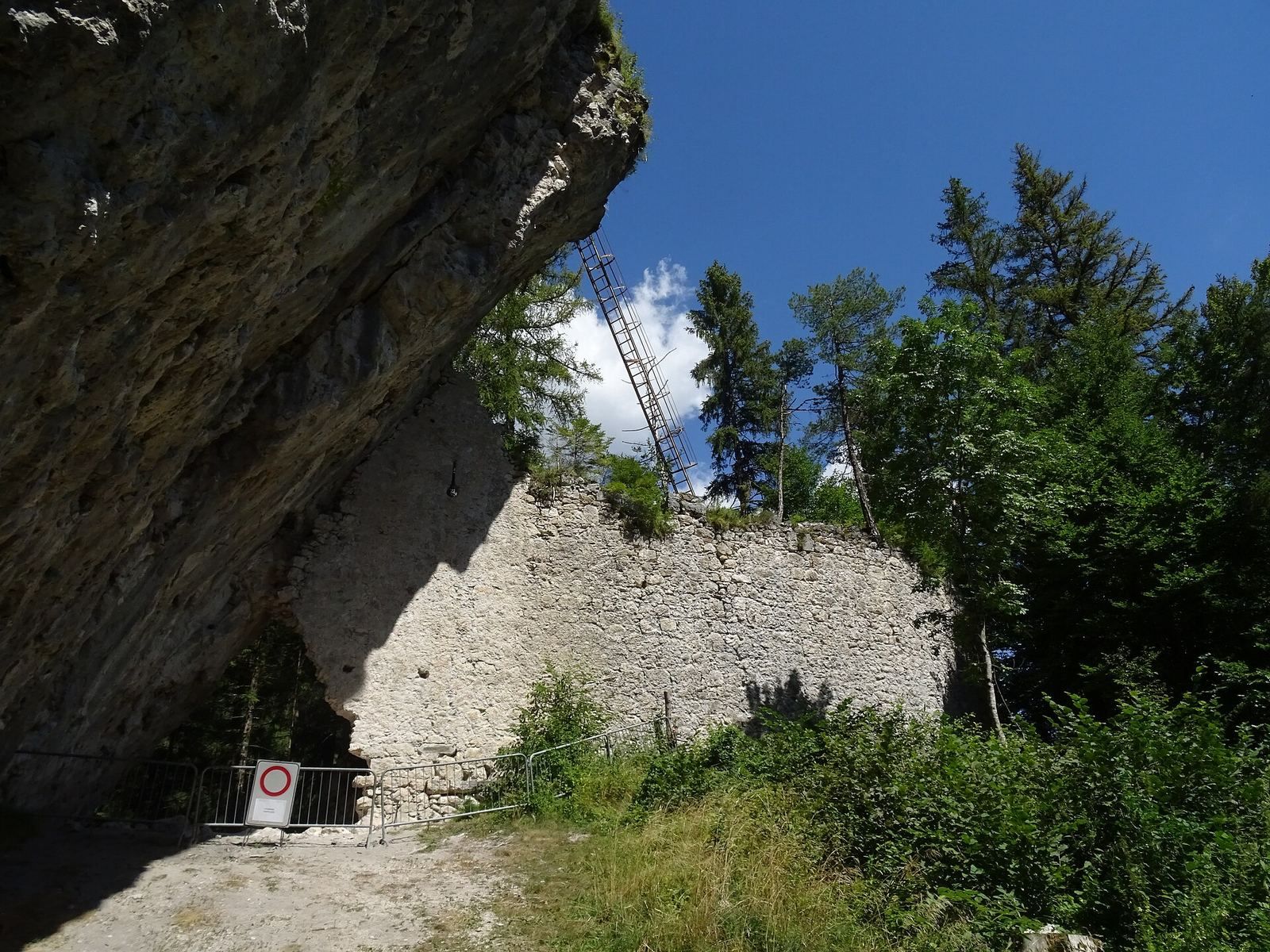
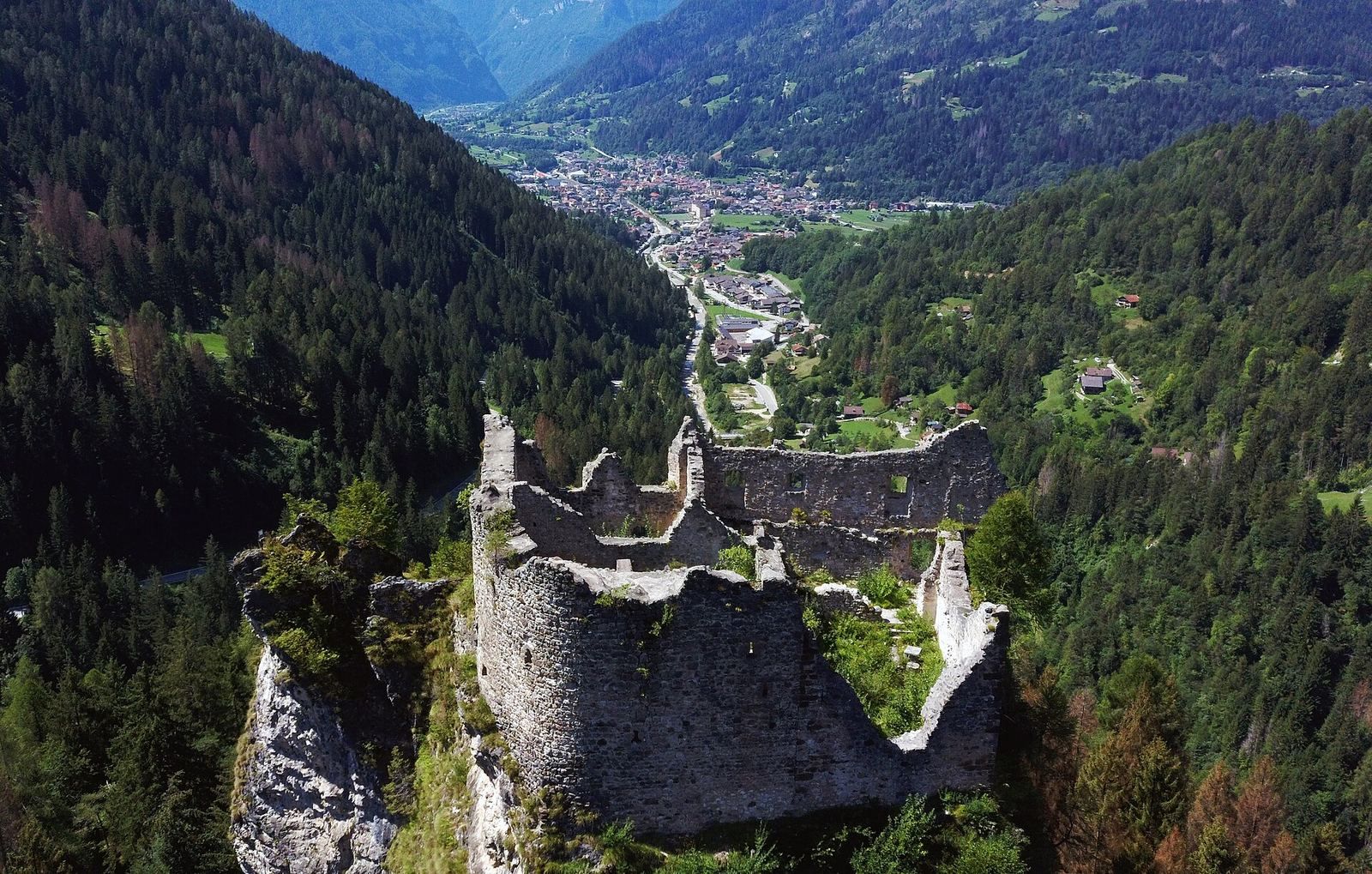
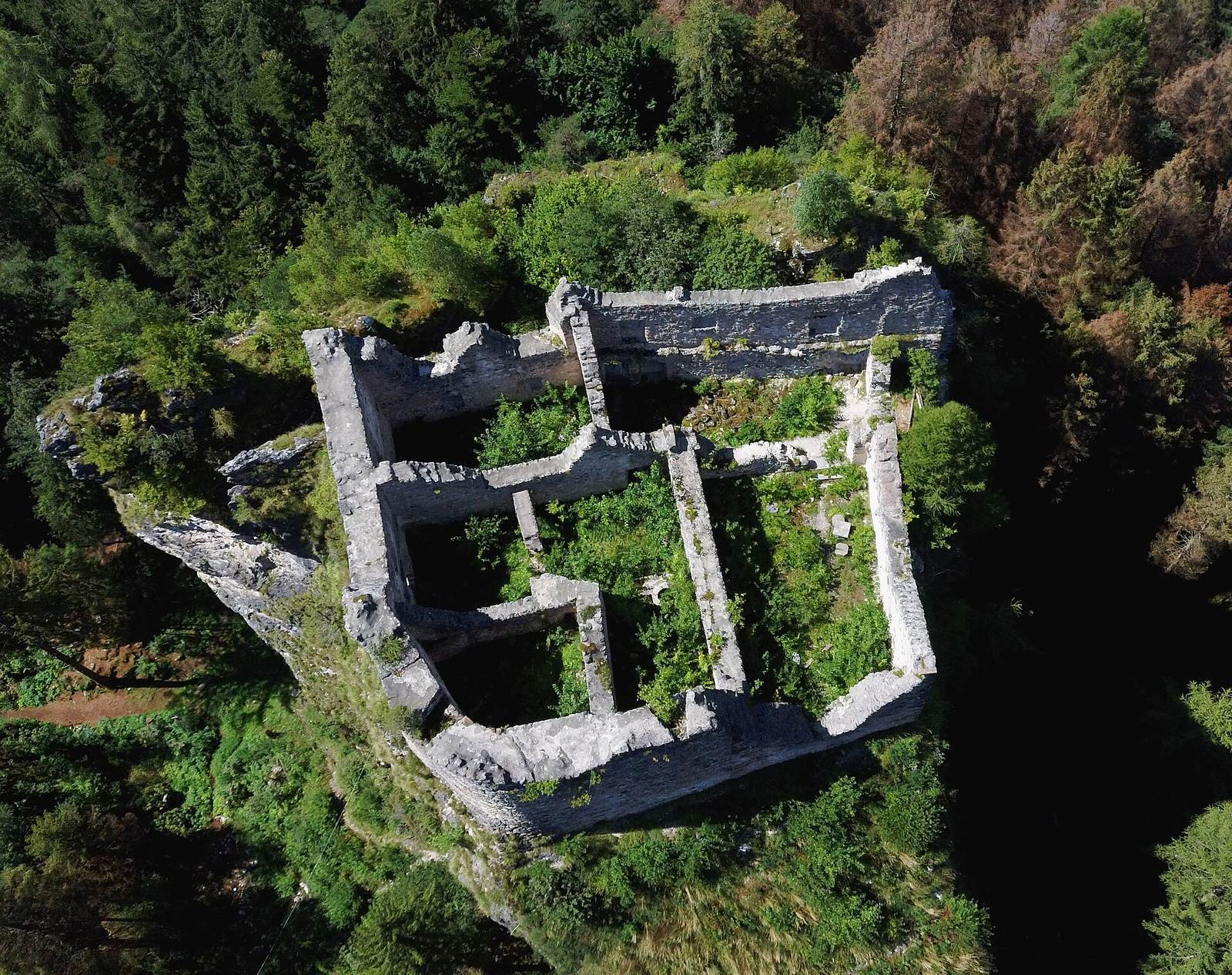
The ruins stand on an erratic boulder, a rock carried away from its geological origin, commonly by glacial action. The site overlooks Tonadico, on the left side of the road to Cereda Pass, at the entrance to Val Canali. Period depictions provide the basis for reconstructing a probable quadrangular plan with two floors. The lower floor contained the lords’ living quarters, a large hall, and a small private chapel dedicated to Saint Leonard. A mill, a sawmill, a forge, and quarters for the militia occupied the upper floor.