Chalcatzingo: A Formative-Period Settlement and Ceremonial Center
Site at a Glance
- Popularity
- High
- Country
- Mexico
- Primary era
- Iron Age
- Eras represented
- Bronze Age, Iron Age, Classical
- Civilizations
- Unclassified
- Site type
- Settlement
- Remains
- Town
On this page22 sections
History
Settlement, flourishing, and changing role
Chalcatzingo is a Formative-period settlement and ceremonial center in the Amatzinac River Valley of Mexico. Settlement is placed around 1500 BCE, while evidence of human occupation dates from the 14th century BCE and a construction date of about 1400 BCE has also been assigned. The site flourished during the Middle and Late Formative, periods also known as the Preclassic.
From around 900 BCE, residents produced monumental art and architecture in an Olmec-influenced style. The Olmec were an early civilization associated especially with the Gulf Coast, and their artistic forms also appeared elsewhere in Mesoamerica. Chalcatzingo reached its height between about 700 and 500 BCE, when its population is estimated at 500 to 1,000. It was an important link in trade routes connecting Guerrero, the Valley of Mexico, Oaxaca, and the Gulf Lowlands.
Chalcatzingo flourished at the same time as La Venta, a major Olmec center. Its art indicates connections with Olmec traditions, but does not establish that people from the Olmec heartland lived at the site; direct evidence for their presence is weak. Proposed explanations for the artistic influence include political expansion from Gulf Coast centers and interaction through broader networks.
By about 500 BCE, Chalcatzingo had lost importance as small farming villages spread across Morelos. The settlement was not abandoned: it saw a lesser occupation in the Late Formative and later served as a minor ceremonial center during the Classic period.
Archaeological investigation and protection
A storm exposed the carving called El Rey in 1934, the year archaeologist Eulalia Guzmán began the first archaeological explorations at Chalcatzingo. In 1972, the University of Illinois and Mexico’s National Institute of Anthropology and History (INAH), the government body responsible for archaeological heritage, began the Chalcatzingo Project. Archaeologists David Grove, Raúl Arana, and Jorge Angulo led the work, which examined several parts of the site and described its stone monuments. After four years of research, Grove and Angulo published monument descriptions and a numbering system in Ancient Chalcatzingo. In 2002, the Mexican government declared the site an Archaeological Petroglyph Zone; it remains under INAH oversight.
Remains
Settlement layout and buildings
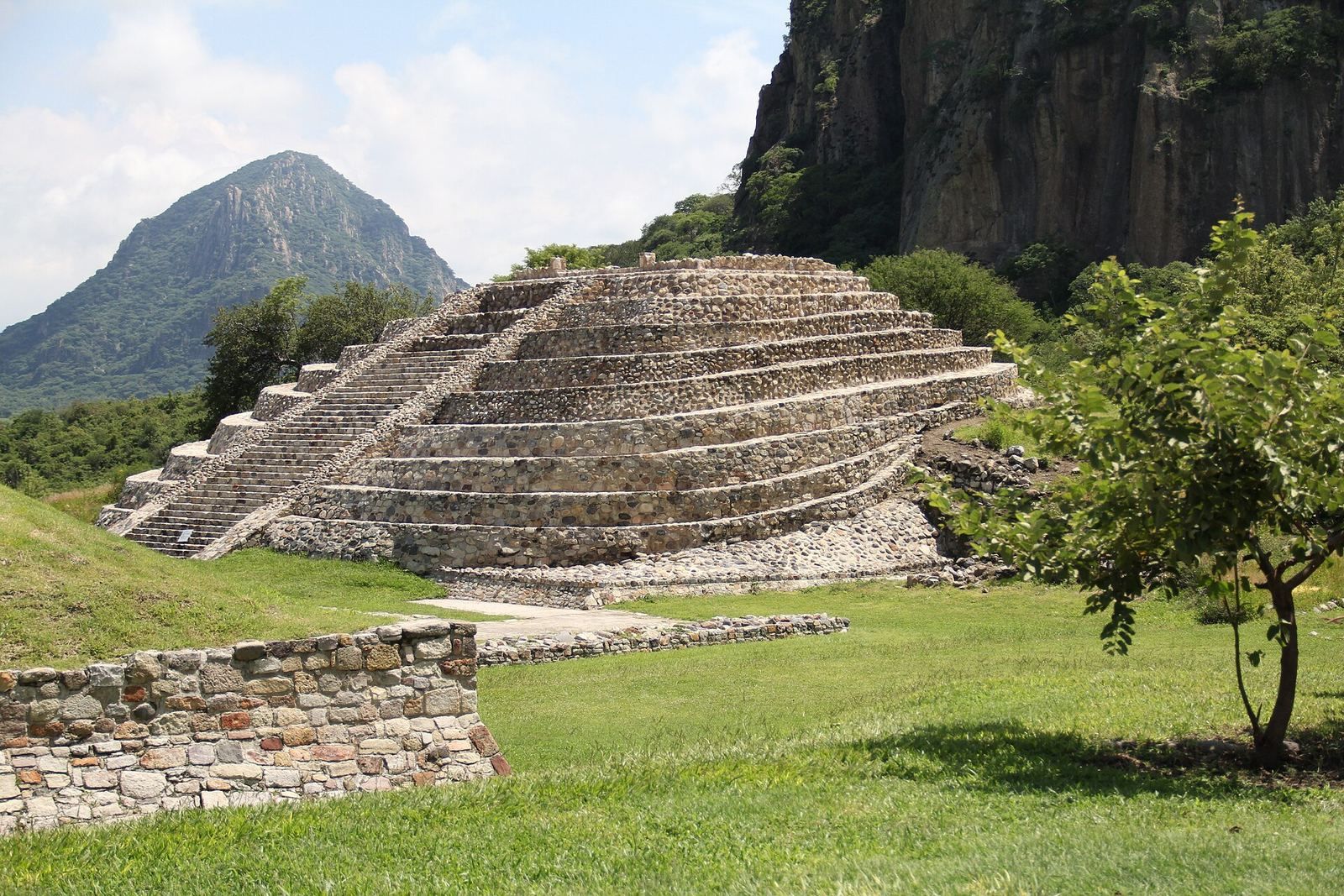
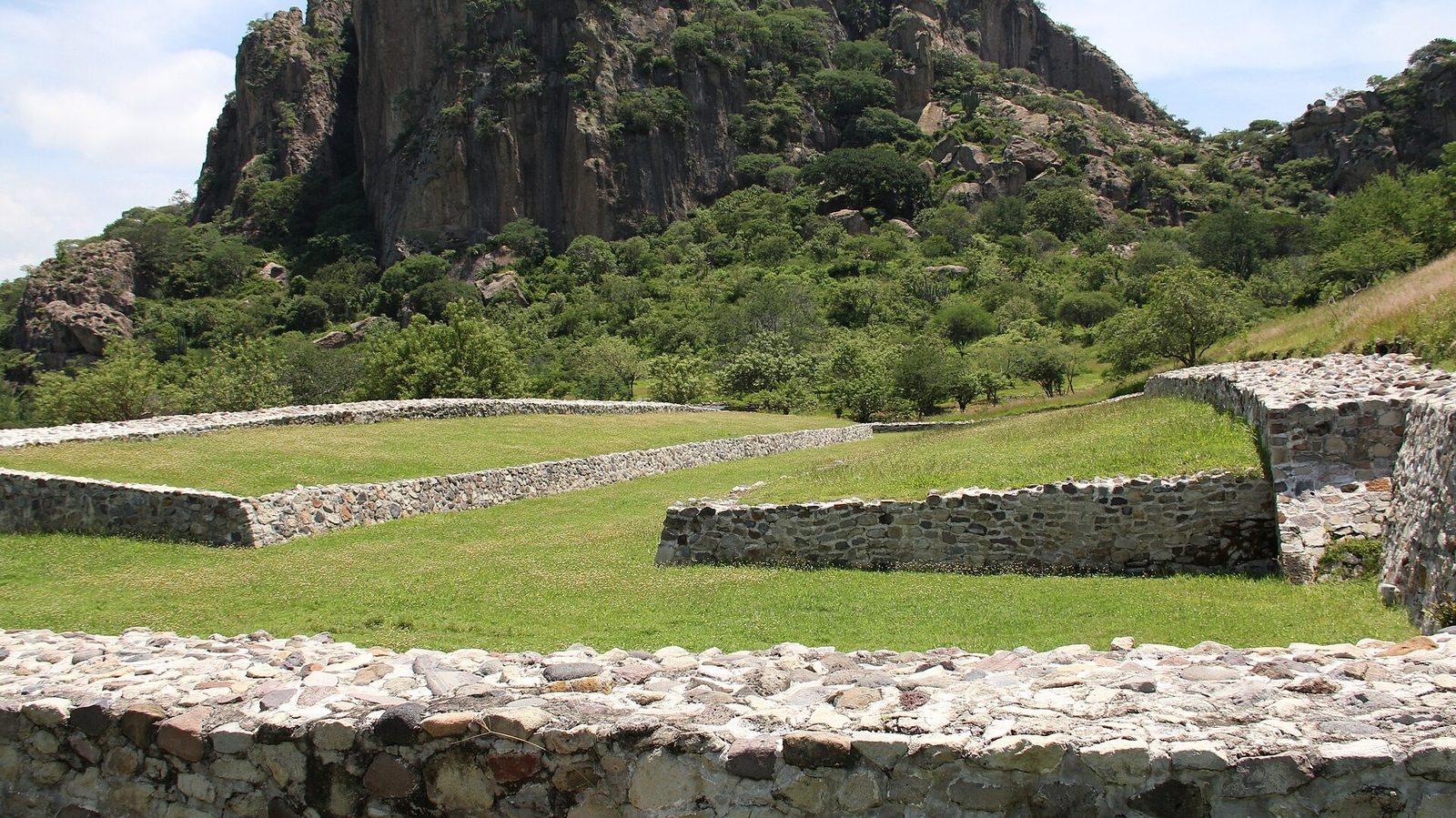
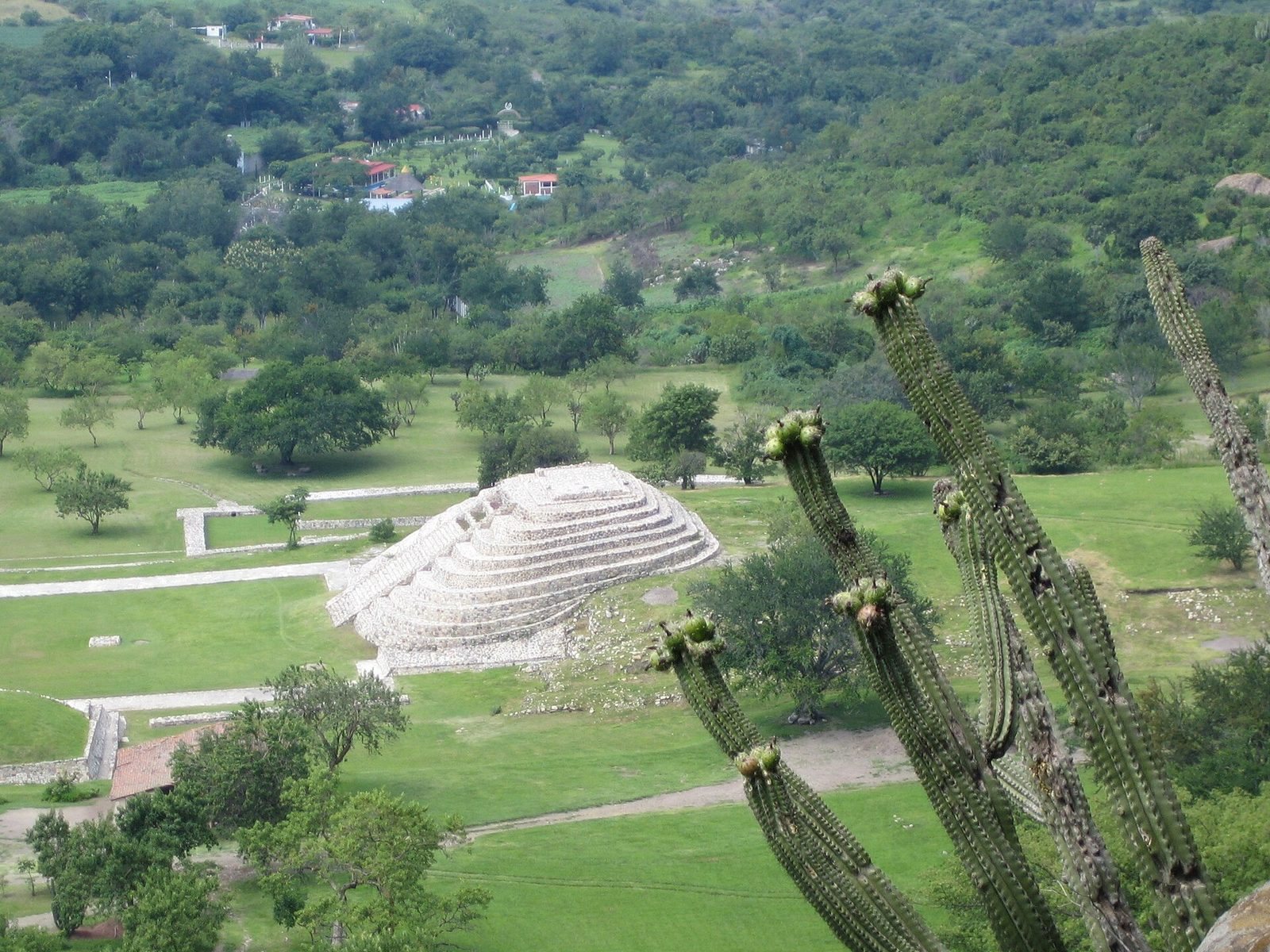
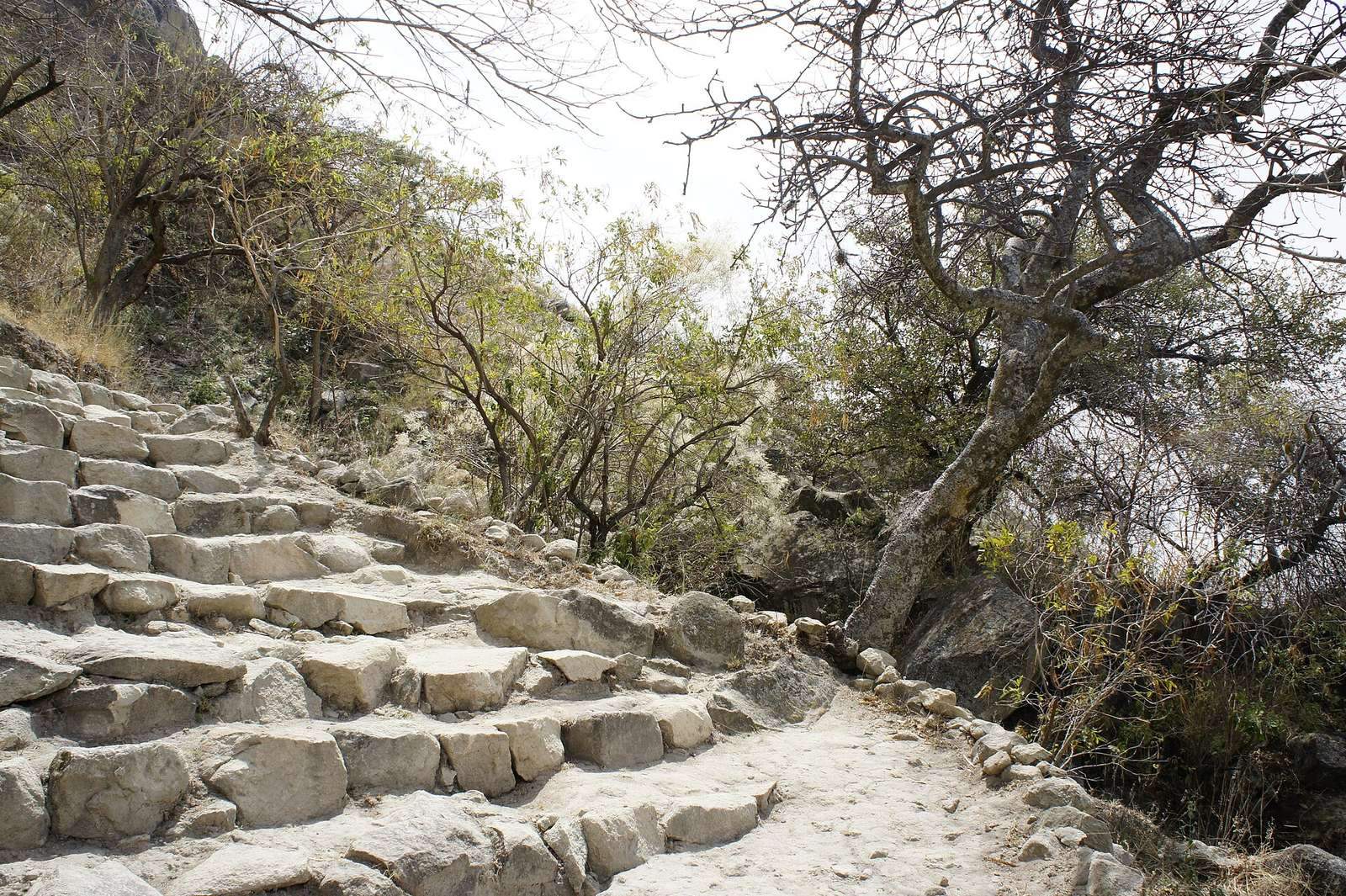
The ceremonial center covers about 40 hectares on a fertile, generally level plain in the Amatzinac River Valley. It lies between Cerro Chalcatzingo, also called Cerro Ancho, and Cerro Delgado, large formations of granodiorite. A spring on the hillsides supplied drinking water to the settlement. The site’s buildings and carved monuments occupy both the plain and the surrounding hills.
Plaza and terraces
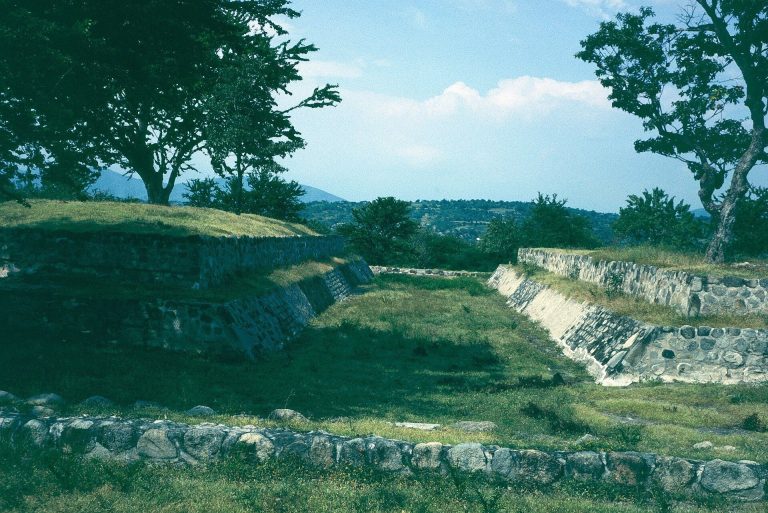
The central plaza is Terrace 1, associated with residences of the ruling elite. Terrace 25 contains a sunken patio with a tabletop altar at its center. The patio resembles one at Teopantecuanitlan, while the altar recalls examples at La Venta and San Lorenzo. Chalcatzingo and Teopantecuanitlan share stone-faced patios and monumental shallow carvings; the patio at Teopantecuanitlan is older.
Structure 4 and burials
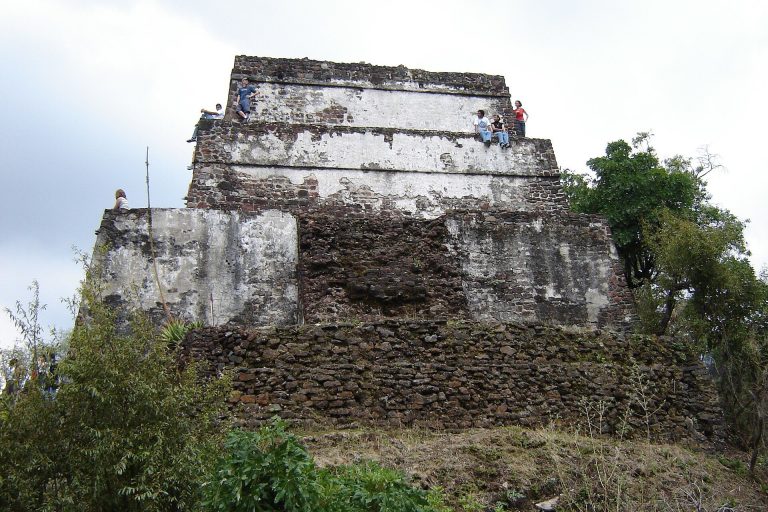
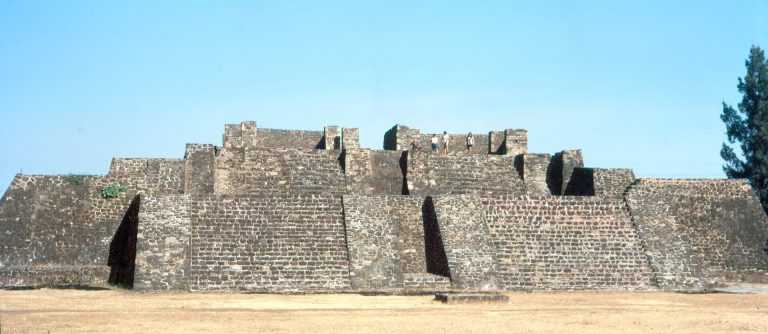
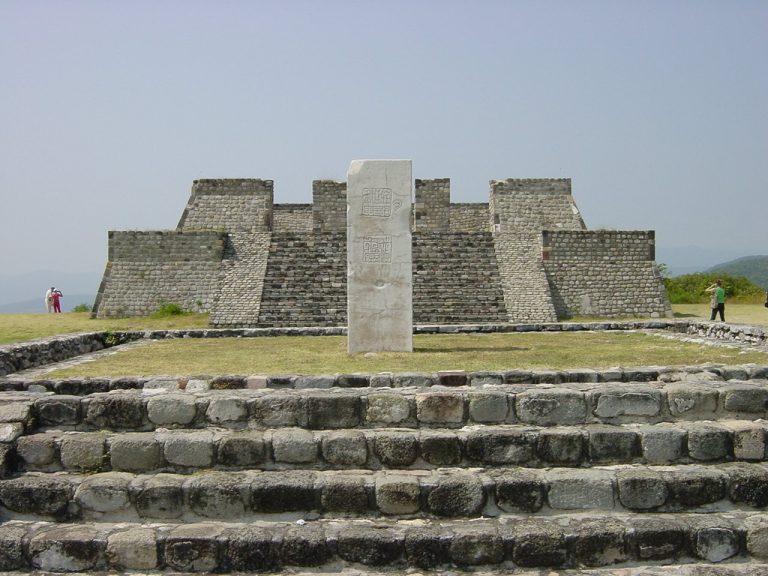
Structure 4 is the site’s largest construction, an almost square platform measuring about 70 metres on each side. High-status burials near it contained jade ornaments and mirrors made of magnetite, an iron-bearing mineral. Other burials, representing people of different social ranks, lay beneath house floors.
Carved landscape of Cerro Chalcatzingo
Chalcatzingo has an extensive body of stone art. The site contains 31 monuments and 34 reliefs; by 2005, 37 petroglyphs, or images carved into stone, were known from the surrounding region. Most reliefs were cut into nearly vertical rock faces at the mountain’s base, while others appear on large stones to the north and on settlement terraces. Some were later partly covered or moved. The site also has the earliest known Mesoamerican example of a carved stela, an upright stone monument, associated with a round altar.
The Water Dancing Group and El Rey
High on Cerro Chalcatzingo, the Water Dancing Group brings together carvings associated with rain and fertility. The cleft mountain itself has been interpreted as an entrance to the underworld or as the place from which maize emerged. The placement of carvings near the hills has also been understood as evidence of their ritual importance.
Monument 1, El Rey, or The King, is a life-size carving of a human-like figure seated inside a cave. The scene shows the cave in cross-section. Its opening, to the figure’s right, forms half of a four-lobed shape and has also been read as a jaguar’s jaws or a mouth; an eye appears in the cave form. Curving bands extend from the opening and may represent speech or wind. Forms above it have been interpreted as clouds and falling raindrops. The seated figure wears elaborate clothing and holds an object.
El Rey sits above a major natural water channel that once supplied the settlement. One interpretation presents the figure as a leader able to bring water to the region. Other proposals identify it as a rain deity, a mountain deity possibly related to the Aztec mountain-and-jaguar god Tepeyollotl, or a jaguar deity dwelling in caves.
Five smaller reliefs, numbered 5/6, 8, 11, 14, and 15, extend eastward from El Rey, with the mountain’s main natural water channel separating them from Monument 1. They depict reptile-like creatures above scroll forms and below cloud-like shapes and probable raindrops. Their arrangement allows the images to be viewed in sequence, prompting the interpretation that they form a pictorial or processional series.
Reliefs at the mountain’s foot
A second group consists mainly of larger shallow carvings on loose slabs and boulders at the mountain’s foot. El Rey is the exception to this placement. The images chiefly show fantastic creatures dominating outlined human figures.
Monument 2
At the western end of the series, Monument 2 shows four masked people. Three stand carrying spears or pikes; the fourth sits on the ground with a mask at the back of the head. The seated figure appears slumped and may be bound. One standing figure’s headdress resembles the ornament worn by a feline in Monument 4, suggesting a connection between the scenes.
Monuments 3 and 4
Monument 3 depicts a reclining feline beside a plant resembling a cactus. A possible human figure appears in a damaged part of the carving. Monument 4 shows two felines attacking two people who may be trying to flee. The animals bare their fangs and reach toward the humans with extended claws. Each wears ornaments and has a cross-shaped mark between the eyes, possibly an association with the sun or with jaguar deities.
Monument 5
Monument 5 portrays a reptilian creature, perhaps a feathered serpent, swallowing or disgorging a human. The creature has a long snout, large fangs, triangular markings, and apparent fins or wings near its tail.
Plant and rain imagery
Other carvings show a luxuriant plant, including a realistically rendered branch of a pumpkin vine, and a cloud with falling raindrops. The meaning of the rain image remains uncertain.
Monument 9
Monument 9 is a flattened sculpture that may show the cave in Monument 1 from the front. A large hole in its center corresponds to the cave entrance. Eyes appear above it, with thick brows and bromeliad forms extending from the corners of the mouth. The sculpture may have been used in rites of passage or ceremonies for initiating priests.
Monument 13
Set considerably lower than the other images in its group, Monument 13 shows a supernatural human-like being with a cleft head, in Olmec iconographic style. The figure sits within the four-lobed mouth of a supernatural creature.
Terrace monuments and other carvings
Monuments 21 and 32
Monument 21, also called the Queen’s Stela, stood at the front of Terrace 15 during the Cantera occupation phase, about 700 to 500 BCE. Its top is missing. The carving shows a woman wearing sandals, a head covering, and a skirt, touching or perhaps raising a bound stela above a stylized earth monster. Another interpretation sees her carrying a band-decorated bundle, possibly a marriage dowry. The image may be the earliest representation of a woman in Mesoamerican monumental art. Monument 32 shows a man touching a stela in a similar, mirrored pose.
Monument 31
Monument 31 shows a feline above a person, perhaps attacking. The scene is more static than Monument 4. Three drops fall from above, resembling those in El Rey. They have been interpreted either as a fertility metaphor or as a reference to bloodletting and sacrifice.
Figurines and preservation of the carvings
Figurines
Numerous figurines recovered at Chalcatzingo are associated with an indigenous Central Mexican tradition. Together with the monumental art, they contribute to interpretations of the region’s cultural identity.
Recording and condition
Drawings have been made of the carvings, but molds taken before the drawings were prepared damaged the stone. The process wore away fine lines and tore off small pieces.