Kattau Castle: A Historic Estate in Lower Austria
Site at a Glance
- Rating
- 4.7
- Popularity
- Very Low
- Country
- Austria
- Primary era
- Early Modern
- Eras represented
- Medieval, Early Modern, Modern
- Civilizations
- Austrian Empire, Duchy of Austria, Habsburg, Habsburg Austria, Holy Roman Empire
- Site type
- Domestic
- Remains
- Castle
On this page6 sections
History
Medieval origins and fifteenth-century conflict
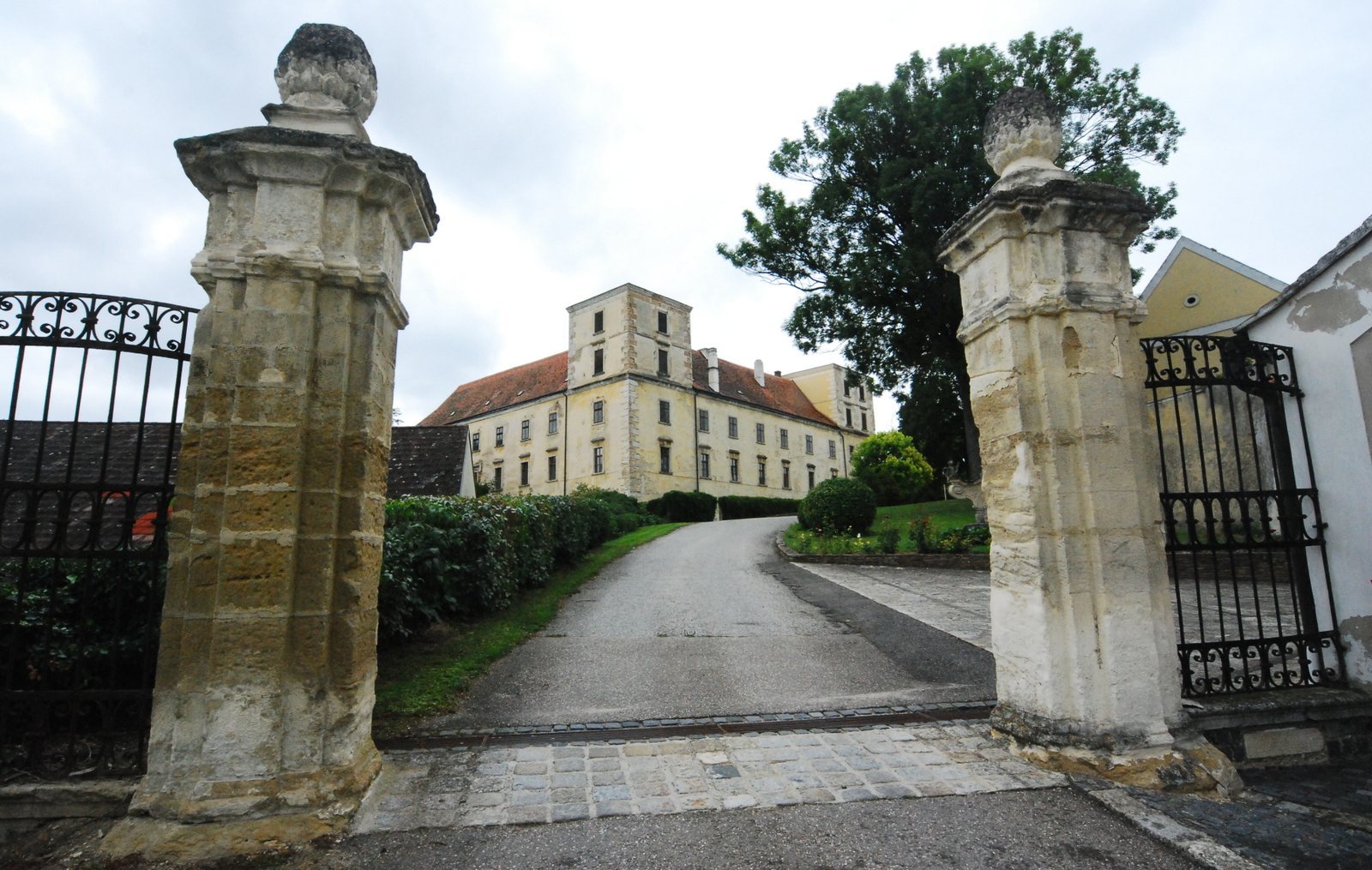
Kattau Castle stands in Kattau, in the municipality of Meiseldorf in Lower Austria, Austria. Probably built in the mid-fourteenth century, it was first mentioned in 1343.
In the fifteenth century, forces of Hungarian king Matthias Corvinus occupied the castle. Frederick III, a Habsburg ruler and Holy Roman Emperor, recovered it. In 1497, his son Maximilian I granted Heinrich Prüschenk von Stettenberg the lordship as a fief, an estate held under a lord’s authority.
Moated castle and Baroque changes
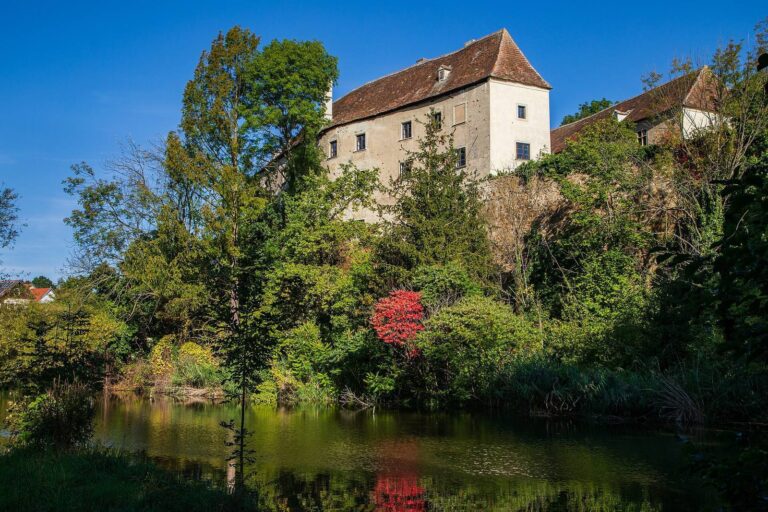
The castle was probably converted in the first half of the seventeenth century into a moated residence, protected by a nearby water obstacle. A reference from 1644 described it as newly built.
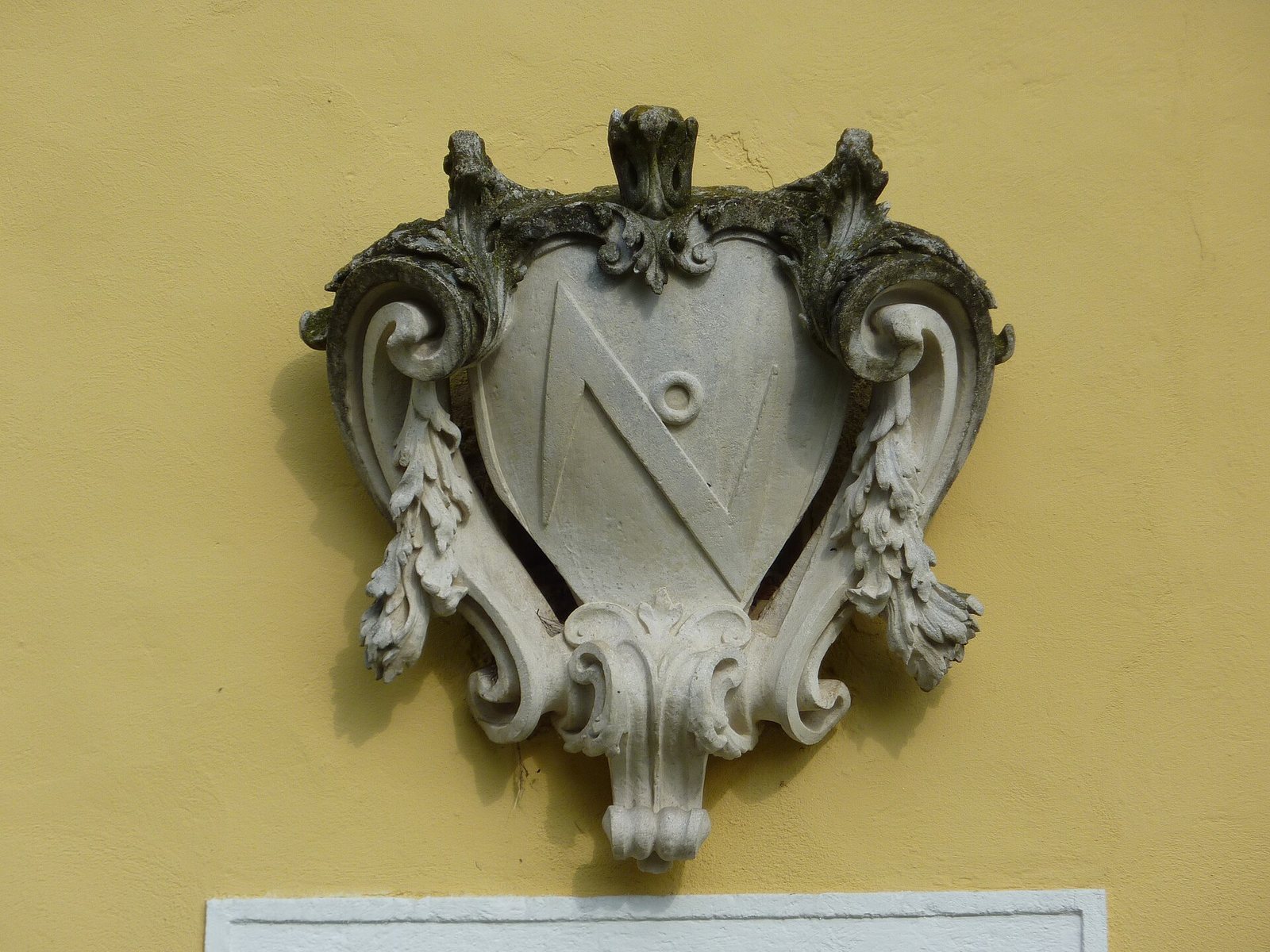
From 1669 to 1827, the Barons von Gilleis owned Kattau Castle and carried out remodeling in the ornate Baroque style. A garden was laid out in the third quarter of the eighteenth century and reshaped in 1823 as an English landscape park, designed to look natural rather than formally geometric.
Later ownership and modern survival
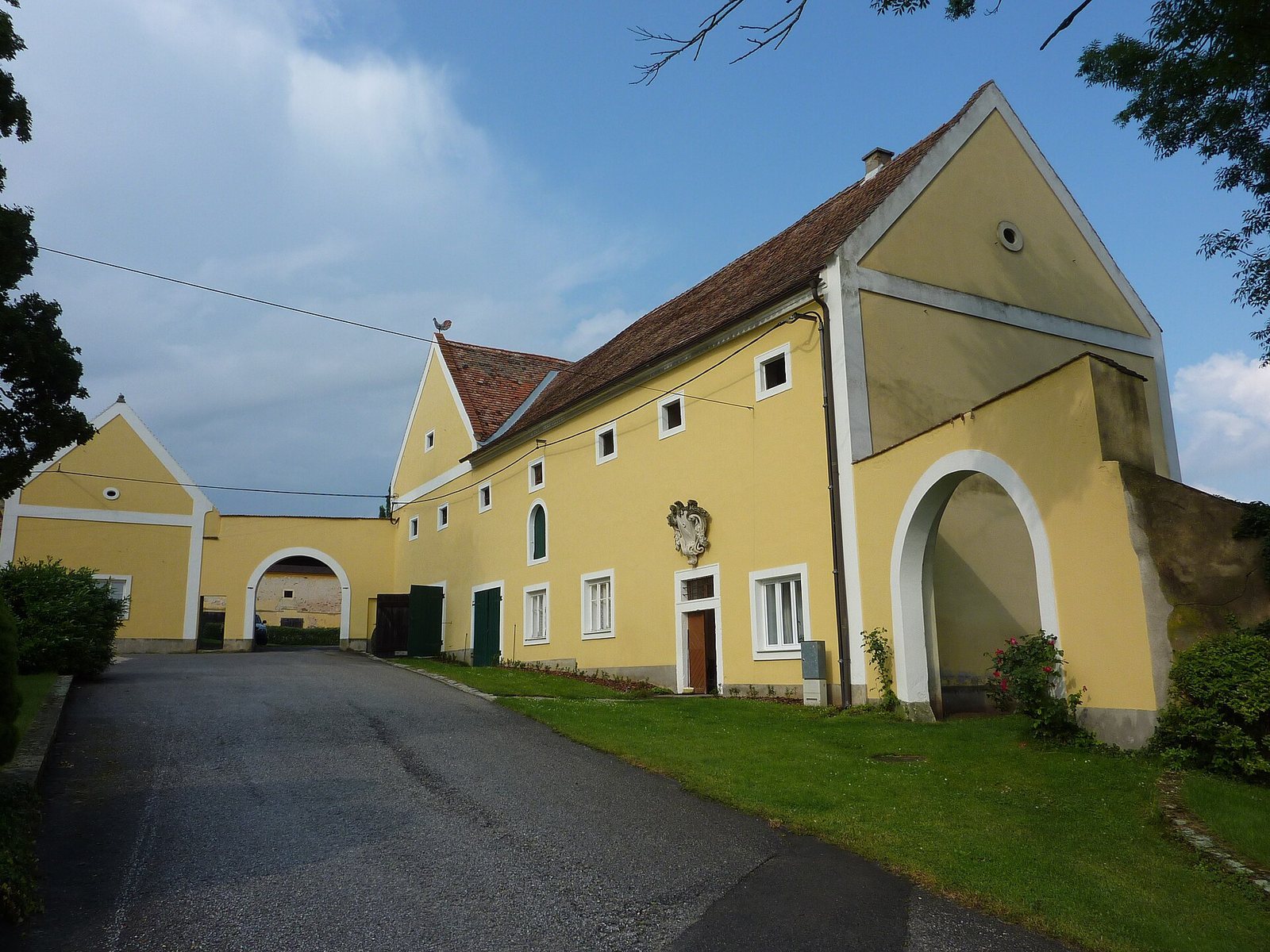
Later owners included Josef von Hempel, who held the estate from 1832 to 1839, the lords of Neuhaus, and the Geymüller family. After the Second World War, the castle’s deteriorated condition led to consideration of demolition, but partial renovations were undertaken. It remains the center of the estate’s operations and belongs to the Hiller family.
Remains
Castle and grounds
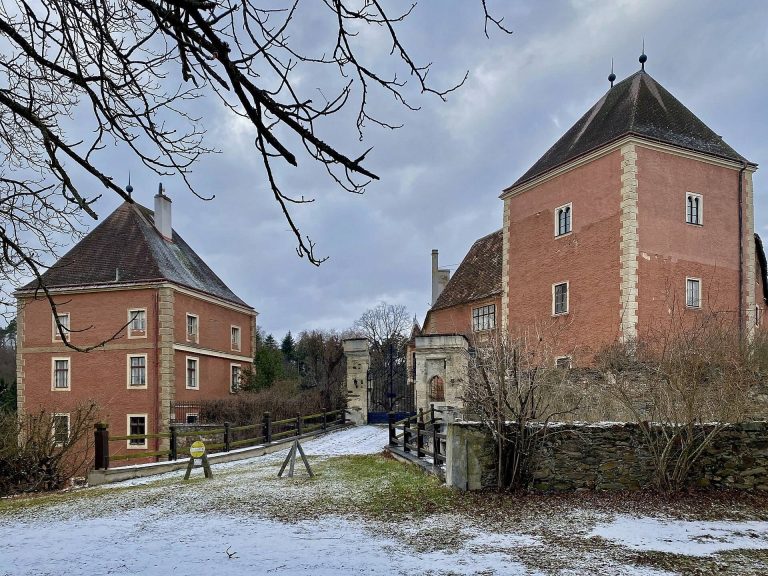
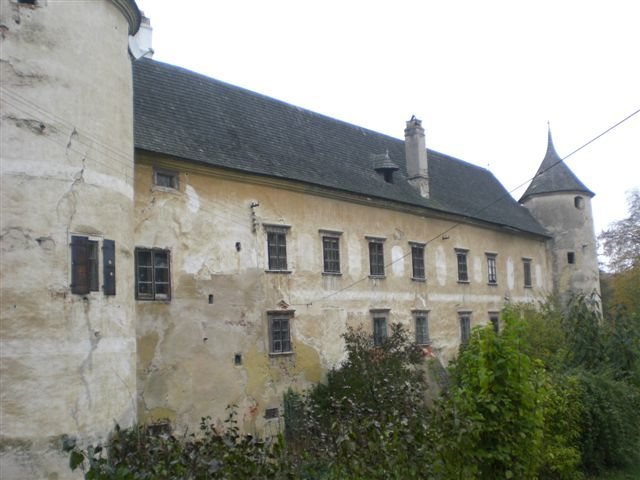
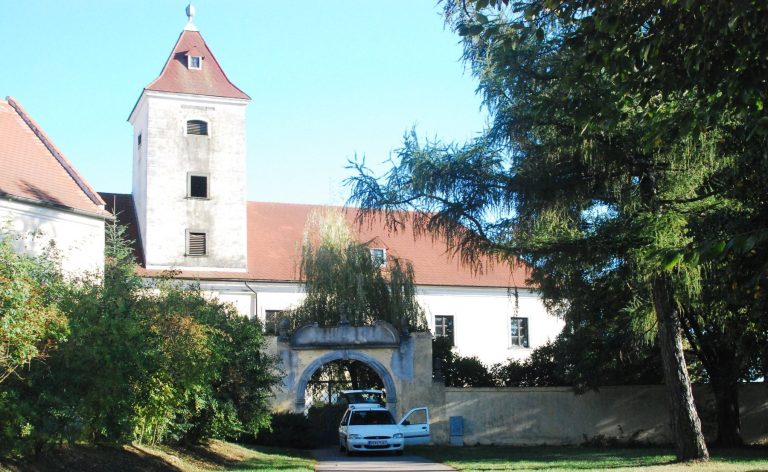
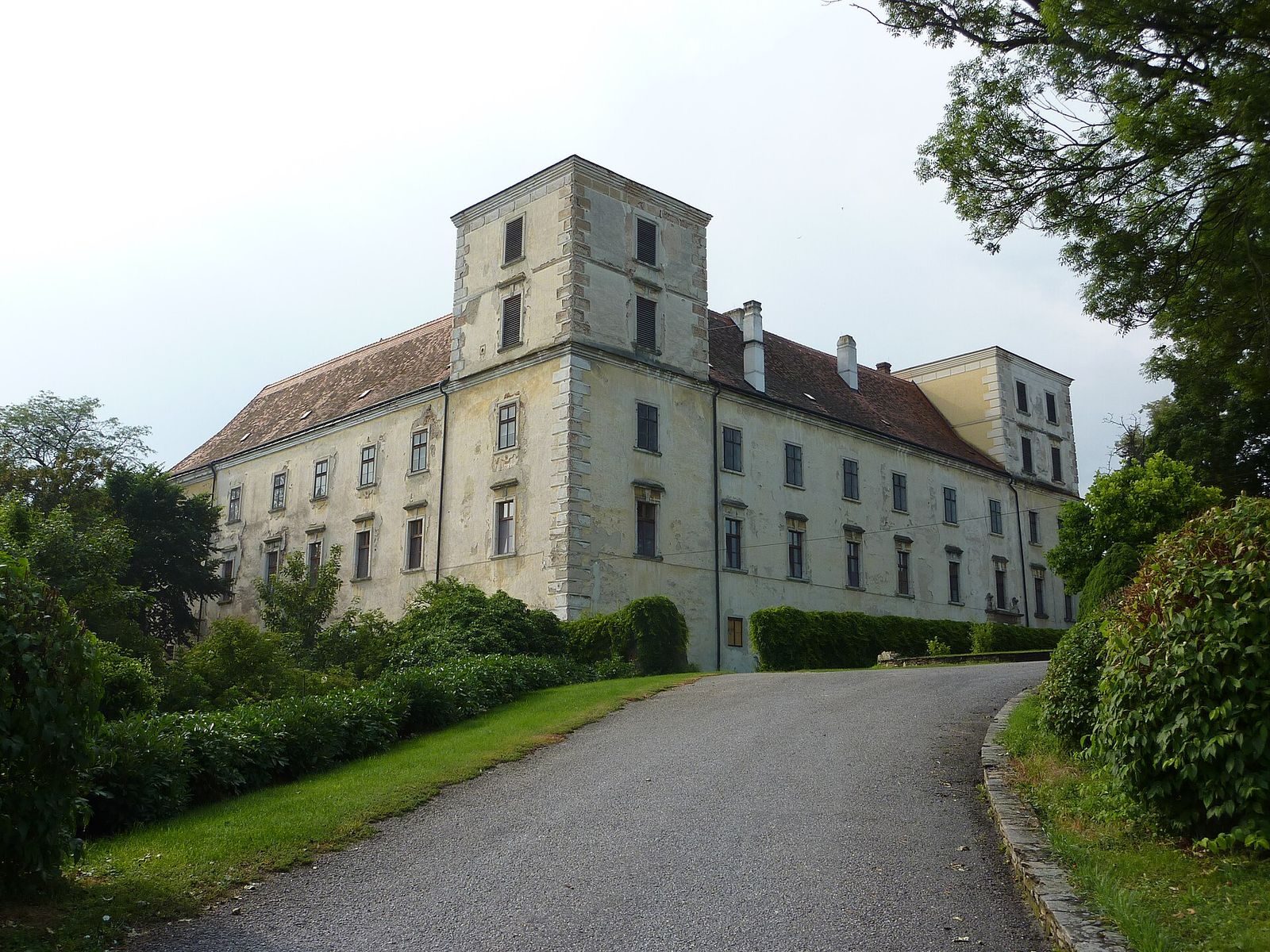
The surviving castle is a three-storey complex of four wings arranged around a rectangular courtyard. Low corner towers stand on three sides, while the west wing has collapsed. A wall encloses the garden, and several old trees survive in the park.