Shockerwick House: An Eighteenth-Century Manor House in Somerset
Site at a Glance
- Popularity
- Medium
- Country
- United Kingdom
- Primary era
- Early Modern
- Eras represented
- Early Modern
- Civilizations
- British
- Site type
- Domestic
- Remains
- Manor House
On this page7 sections
History
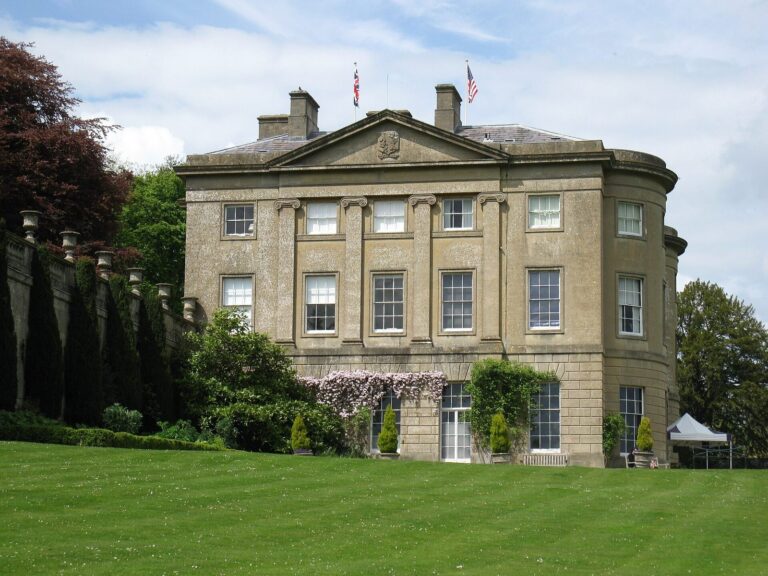
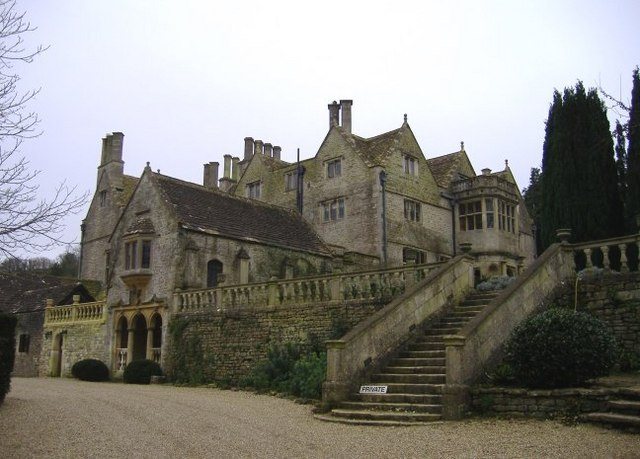
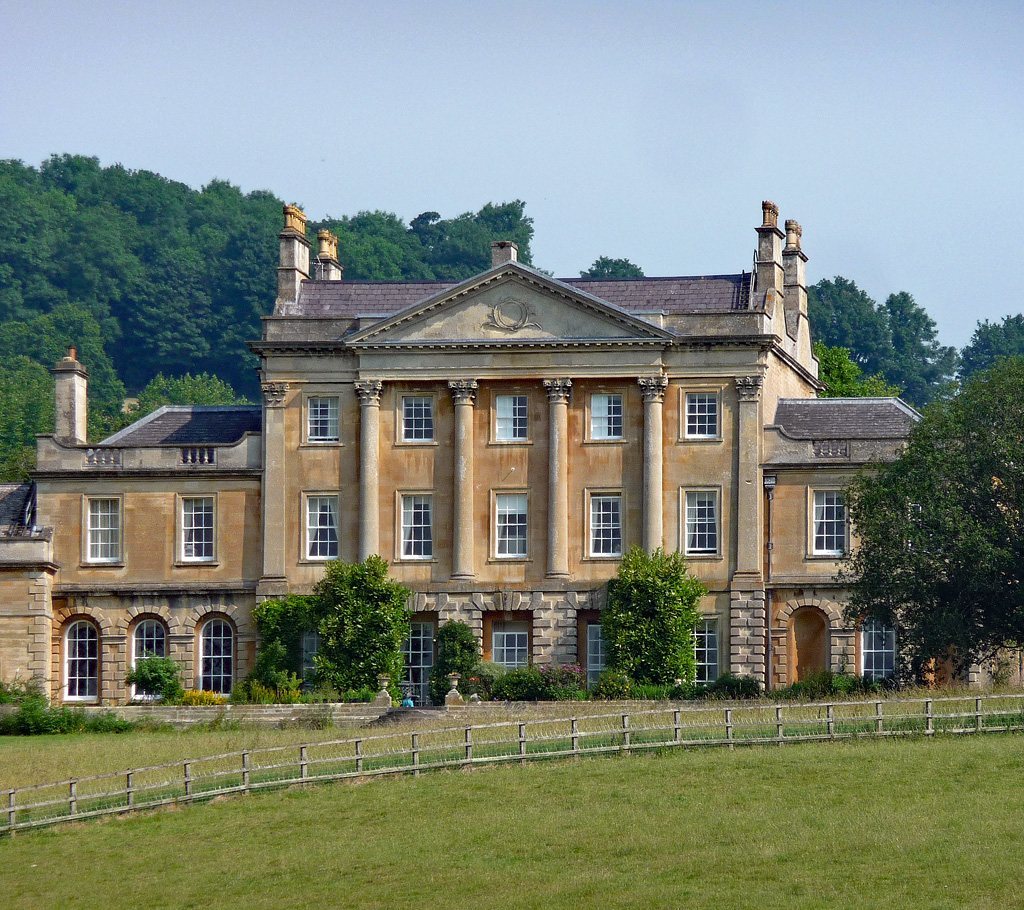
Shockerwick House is a manor house in Bathford, Somerset, England, built around 1750 for the Wiltshire family. Its history includes a long period of private ownership, artistic visits and later use as a training centre and nursing home.
The Wiltshire family and eighteenth-century visitors
A manor already occupied the site before 1740, when the Wiltshire family bought the property from Anthony Carew’s estate. The family commissioned John Wood the Elder, an English architect associated with major building projects in Bath, to design a new house and its grounds. The manor house was built around 1750.
Thomas Gainsborough, an English portrait and landscape painter, frequently visited Shockerwick House. Among the paintings he made there was a portrait of Edward Orpin, parish clerk of Bradford-upon-Avon. The portrait is now in Tate, a group of British art museums. William Pitt the Younger, then a British prime minister, was at the house when news arrived of Napoleon’s victory at the Battle of Austerlitz in 1805, fought during the Napoleonic Wars.
Later owners and changing uses
Charles Morley, Member of Parliament for Breconshire, bought Shockerwick House in the 1880s. The house was altered in 1896, and the Morley family remained its owners until 1955. On 1 February 1956, it received Grade I listed status, England’s highest category for listed buildings, reserved for buildings of exceptional interest.
Henry Pelham-Clinton-Hope, the 9th Duke of Newcastle, acquired the house in 1961 and sold it in 1970 to the tobacco company W.D. & H.O. Wills, which made it a training centre. Since 1983, Shockerwick House has been used as a nursing home run by Bupa.
Remains
House and grounds
Shockerwick House stands in the Bybrook River valley. Its grounds include parkland, and the house has an orangery.
Orangery
Several of Gainsborough’s canvases were painted in the orangery, linking this part of the house with his frequent visits to Shockerwick.
Parkland
The grounds include 7.7 hectares (19 acres) of parkland in the river valley.