New Castle of Neustadt-Glewe: A Ducal Residence in Germany
Site at a Glance
- Popularity
- Medium
- Country
- Germany
- Primary era
- Early Modern
- Eras represented
- Early Modern
- Civilizations
- Holy Roman Empire
- Site type
- Domestic
- Remains
- Palace
On this page7 sections
History
Construction and completion
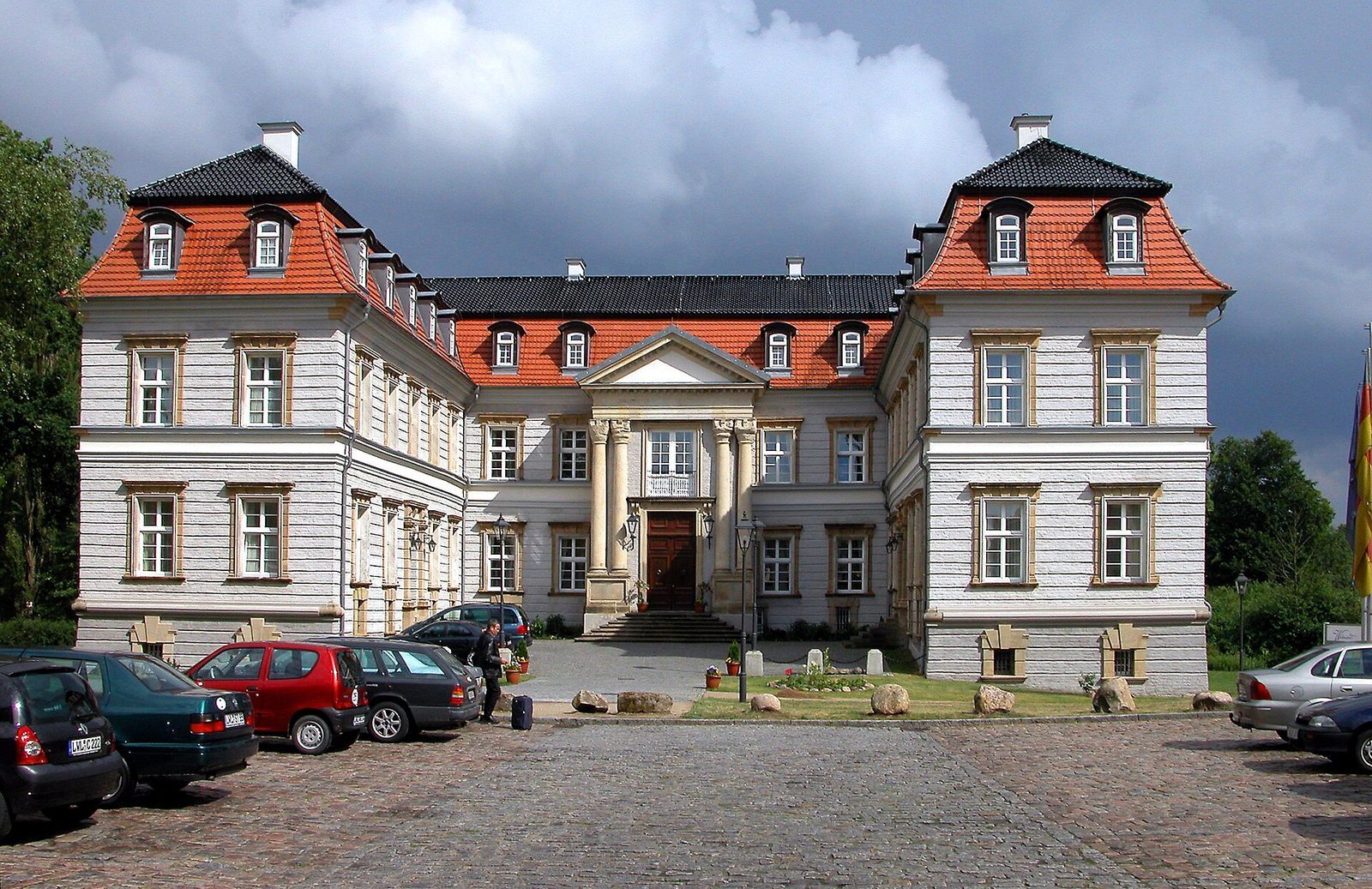
The New Castle of Neustadt-Glewe is a ducal castle in Neustadt-Glewe, Germany. Commissioned by Duke Adolf Friedrich I of Mecklenburg-Schwerin, it was begun in 1618–1619 to plans in the Dutch late Renaissance style, an architectural style associated with the Netherlands. Work stopped after the death of ducal master builder Gerhart Evert Pilooth in 1629.
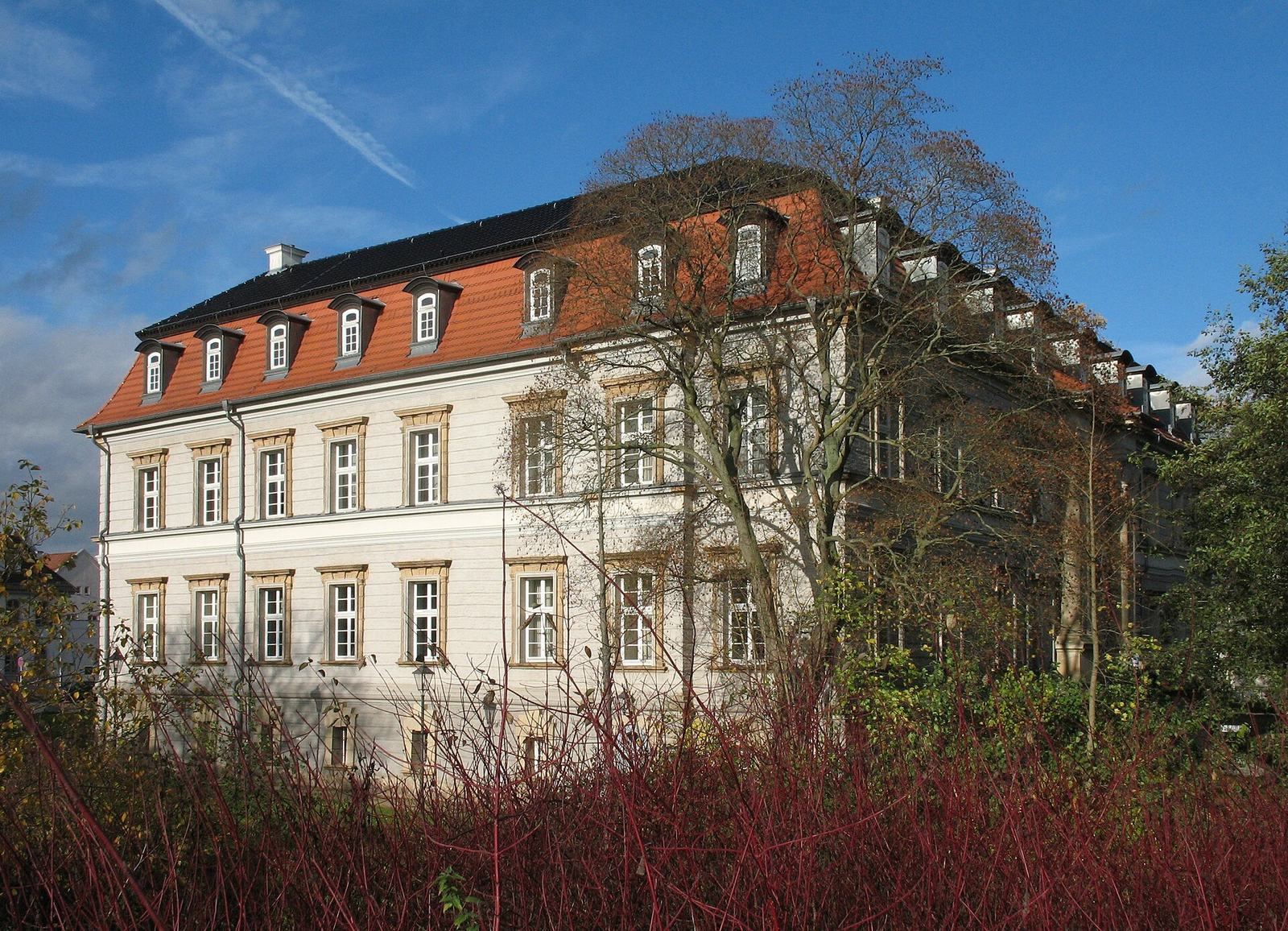
Architect Leonhard Christoph Sturm directed the castle’s completion between 1711 and 1717. Its finished form is described as Dutch Baroque, a later style associated with the Netherlands. Fitting out the interior continued for another eight years.
Ducal residence
After a fire in Grabow, Christian Ludwig II lived at the castle from 1725 to 1735. Three years after moving there, he became Duke of Mecklenburg-Schwerin. Comfortable apartments were installed later.
Changing uses and restoration
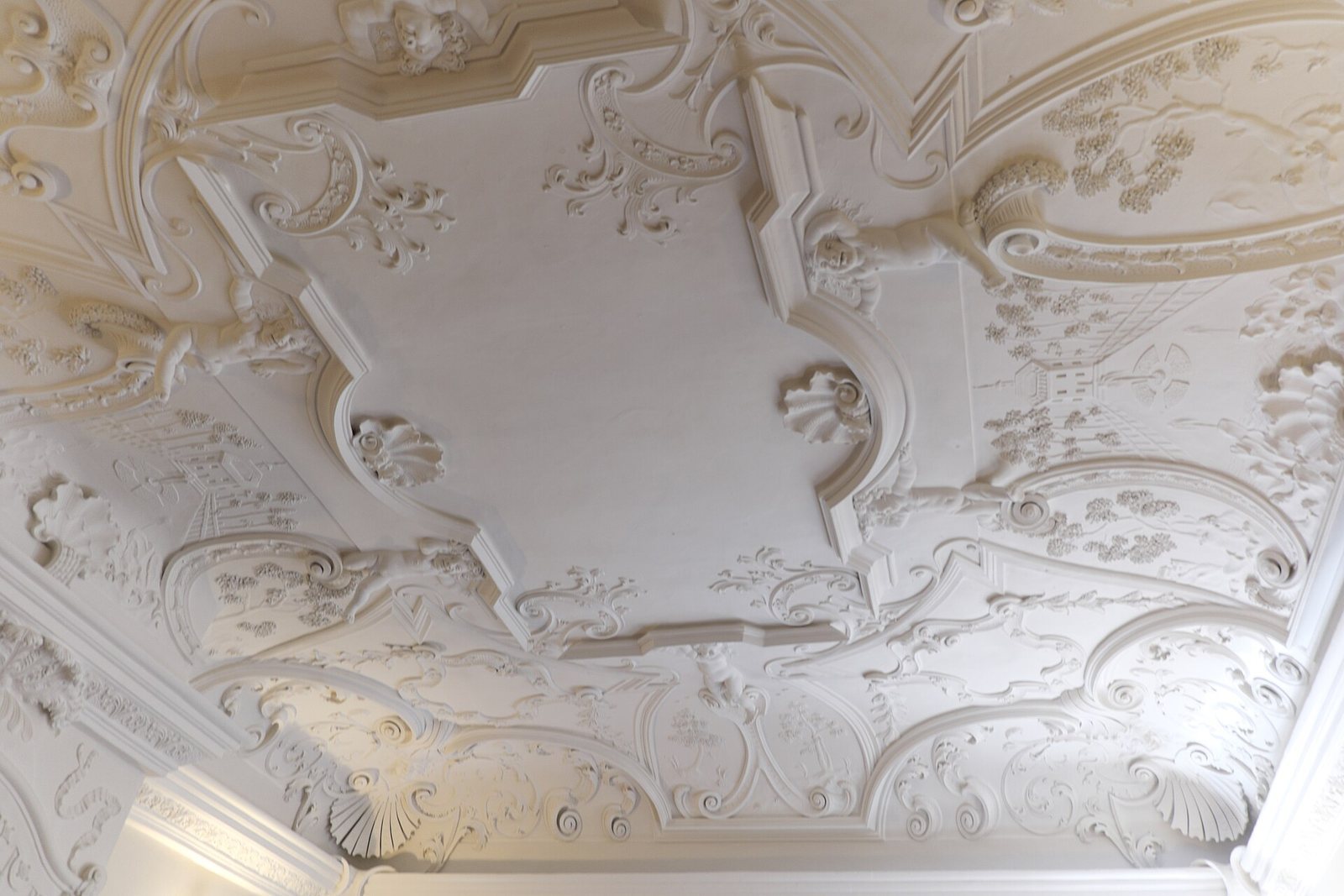
After World War II, some rooms were used to house refugees and people whose homes had been bombed. During the East German period, the castle held classes and, until after German reunification, a library and a midday kitchen for workers and pupils. By then, its oak-pile foundations were at risk of subsidence, cracks had formed in the walls, and nets beneath the ceilings helped protect people from falling stucco.
Extensive renovation after 1990 repaired the foundations, roof, exterior walls and interiors. Polish specialists restored the stucco ceilings. The castle now houses a hotel and restaurant.
Remains
Layout and setting
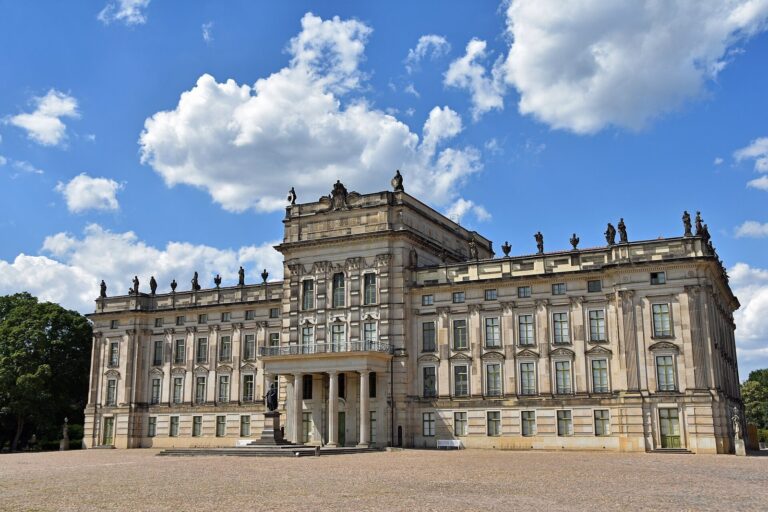
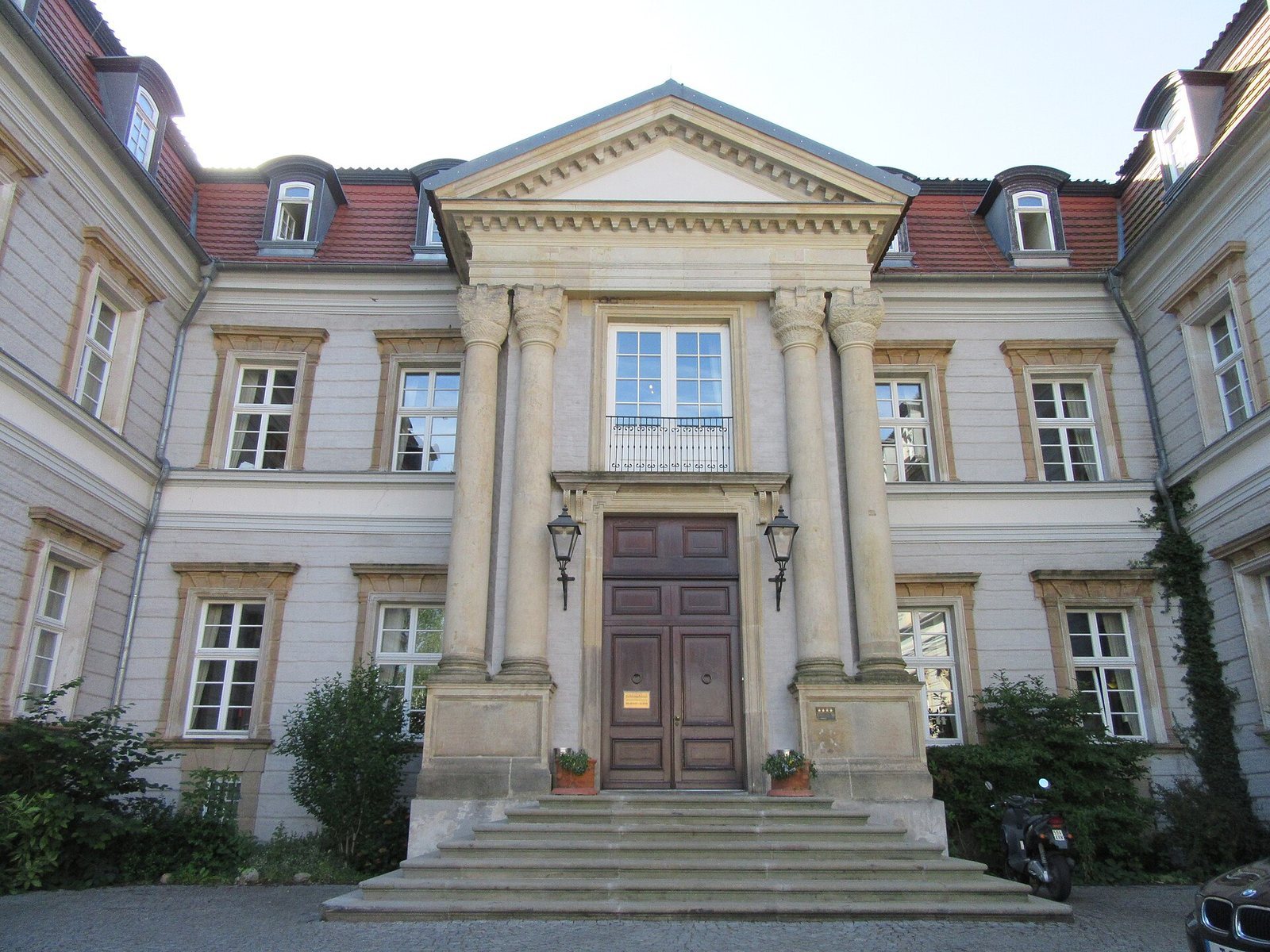
The two-storey castle is a three-wing building in the Dutch style, arranged around a formal courtyard. It stands on hundreds of oak piles beside a western branch of the Elde, in central Neustadt-Glewe. The Old Castle is nearby, and a small park adjoins the site toward the lock; the park is now left in a natural state.
Interior decoration
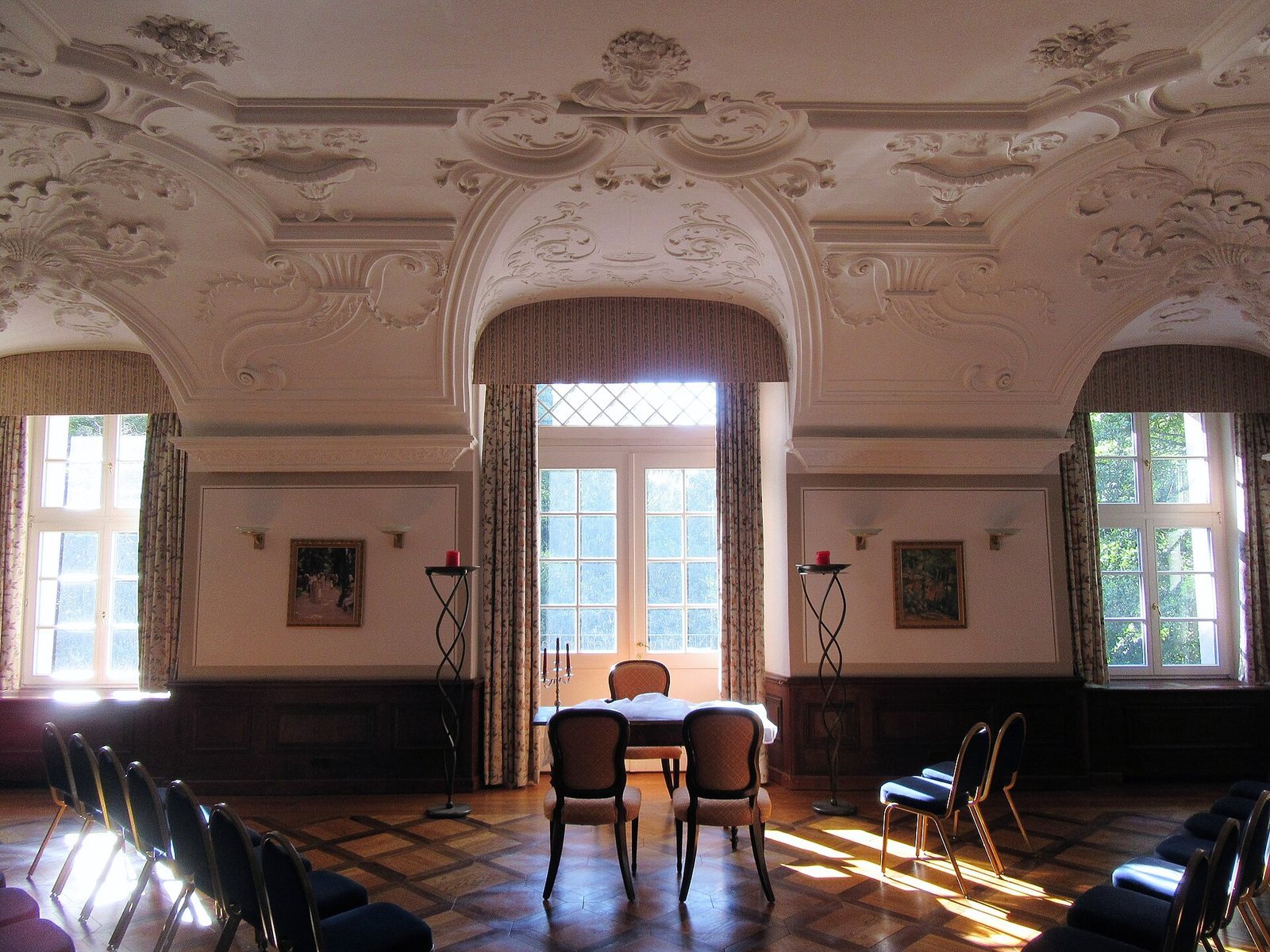
The country palace has a plain exterior, while elaborate stucco ornament covers about 1,600 square metres of ceiling space inside. Its 32 fireplaces feature rosettes, cornices and figures.