Sanguszko Palace in Lubartów: A Baroque Palace Complex in Poland
Site at a Glance
- Rating
- 4.6
- Popularity
- Low
- Country
- Poland
- Primary era
- Early Modern
- Eras represented
- Early Modern
- Civilizations
- Polish–Lithuanian Commonwealth
- Site type
- Domestic
- Remains
- Elite Residence
On this page9 sections
History
Foundation and early setting
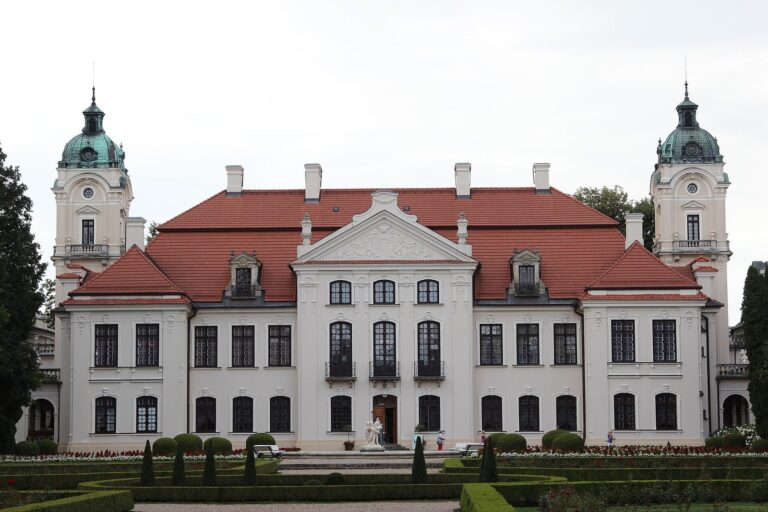
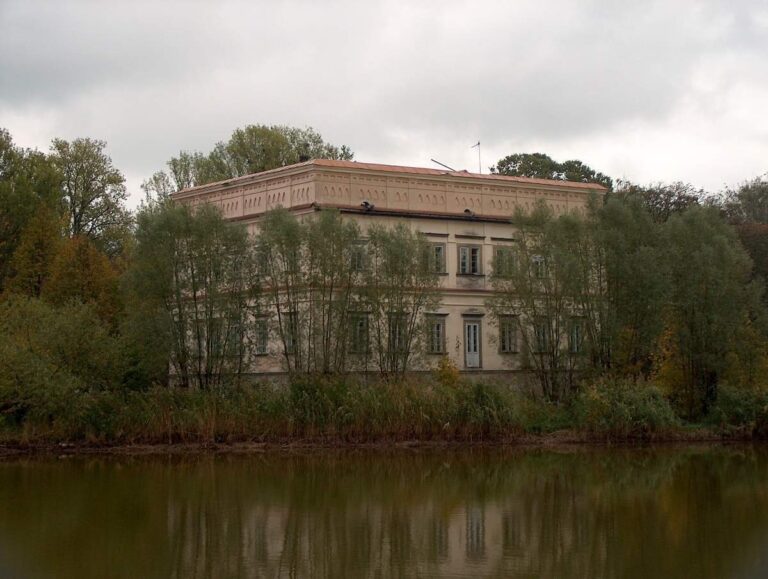
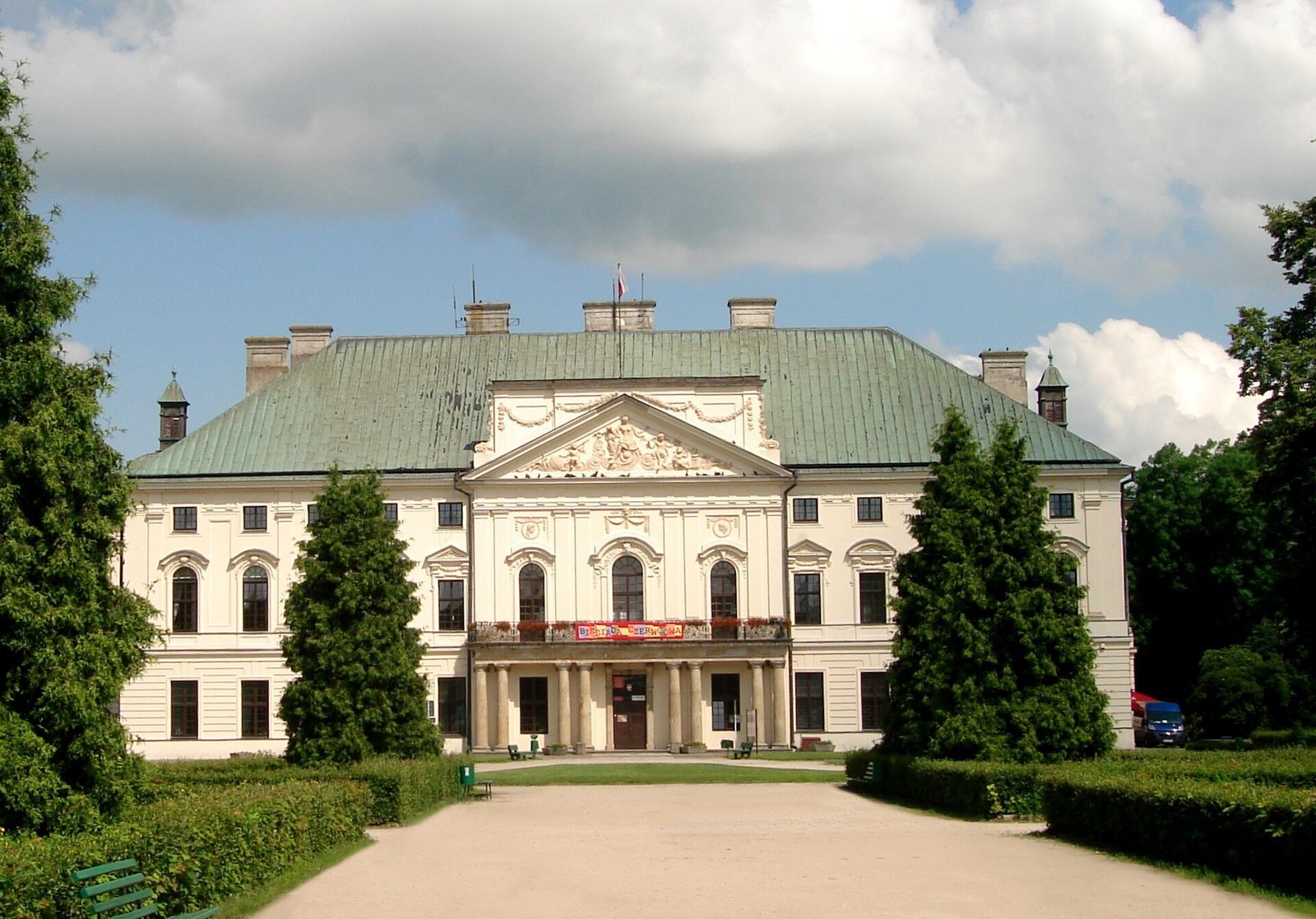
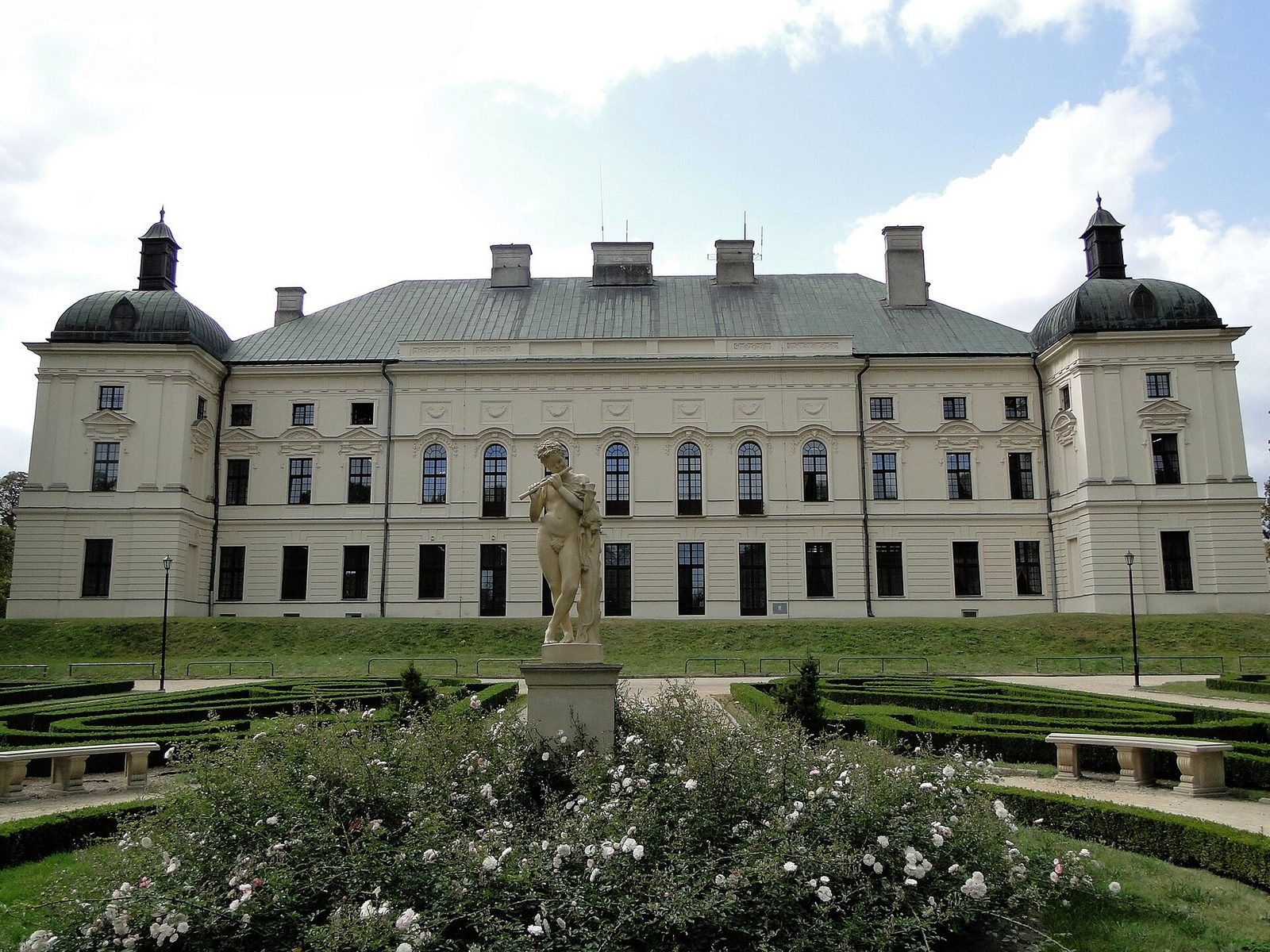
Sanguszko Palace in Lubartów, Poland, is a seventeenth-century Baroque building created for the Lubomirski family by Tylman van Gameren, a Dutch-born architect who worked in the Polish-Lithuanian Commonwealth. Baroque was a European style associated with dramatic forms and elaborate decoration, especially in the seventeenth and eighteenth centuries.
The palace was built on the site of an earlier fortified manor belonging to the Firlej family. The Lubomirski and Firlej families were prominent nobles in the Polish-Lithuanian Commonwealth, a state that united the Kingdom of Poland and the Grand Duchy of Lithuania from 1569 to 1795.
Later alterations and park
The palace underwent major remodeling in the second half of the seventeenth century, in the eighteenth century, and from 1950 to 1970. Paweł Antoni Fontana was involved in later work, and Jakub Fontana and Adolf Schuch are also listed among the palace’s architects.
The park has served as a municipal park since 1935.
Remains
Palace complex
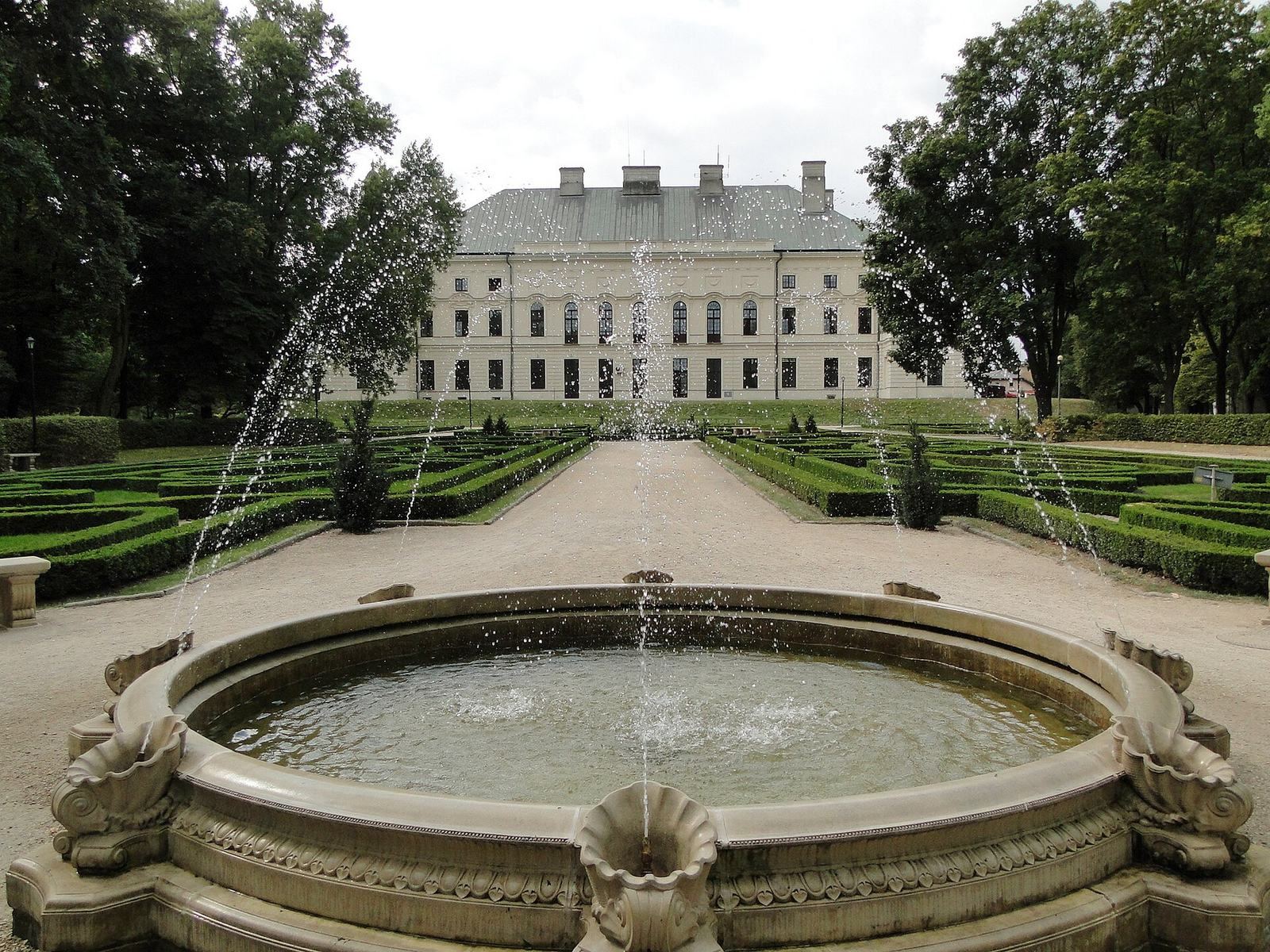
The complex includes the palace, an orangery, a gate and small bridge, and a park. Its identified features extend from the palace’s garden-facing façade to a fragment of the palace garden.
Palace façade and tympanum
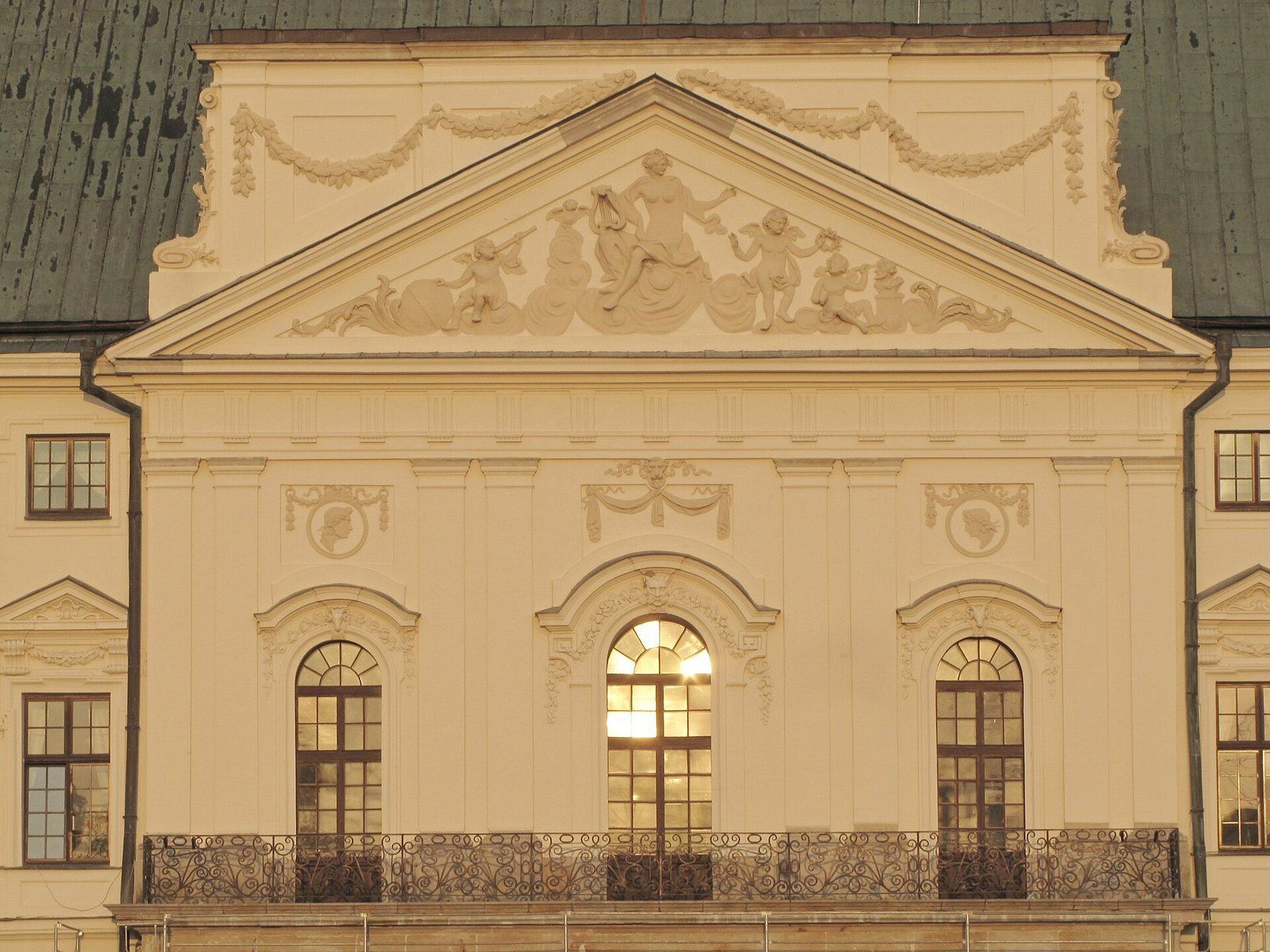
The garden-facing façade is one of the palace’s identified architectural features. The complex also includes a tympanum, a panel often triangular within a pediment or above a doorway.
Orangery
The orangery, a building used to grow or protect citrus and other tender plants, was remodeled in 1780 and 1931.
Gate and bridge
The complex’s gate and small bridge date to the mid-eighteenth century.
Park and garden
The park dates to the seventeenth and eighteenth centuries. A fragment of the palace garden is also part of the complex.