Lichtenwerth Castle: A Medieval Fortress in Tyrol
Site at a Glance
- Rating
- 4
- Popularity
- Low
- Country
- Austria
- Primary era
- Medieval
- Eras represented
- Medieval, Early Modern
- Civilizations
- Habsburg, Habsburg Austria, Holy Roman Empire
- Site type
- Military
- Remains
- Castle
On this page10 sections
History
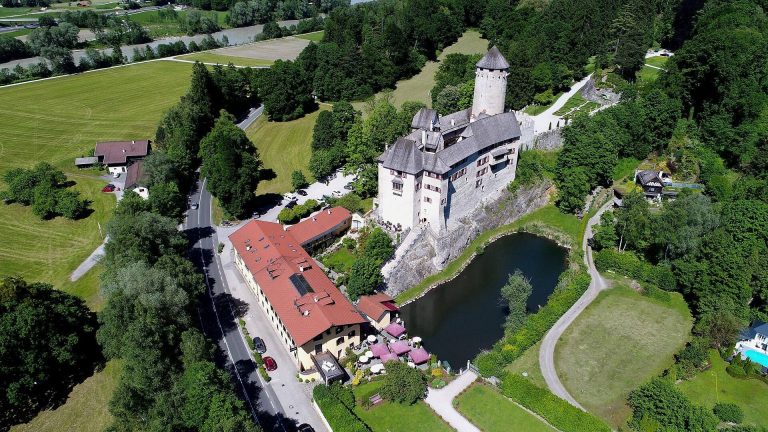
Lichtenwerth Castle lies between Münster and Brixlegg in Tyrol, Austria, and its construction is thought to date to the 12th century.
Origins and name
The castle is first referred to in records from 1212 and 1249. The name element werth, meaning “island,” suggests that the lowland site may once have stood on an island in the Inn.
Later associations
The castle chapel is the easternmost establishment of a diocese, a church district governed by a bishop, in North Tyrol. Ferdinand Sterzinger was born at the castle in 1721. He was a cleric in the Theatine order, a Catholic religious community of clerics, and a scholar of church law.
Since 1879, the Inama-Sternegg family has held the castle in private ownership.
Remains
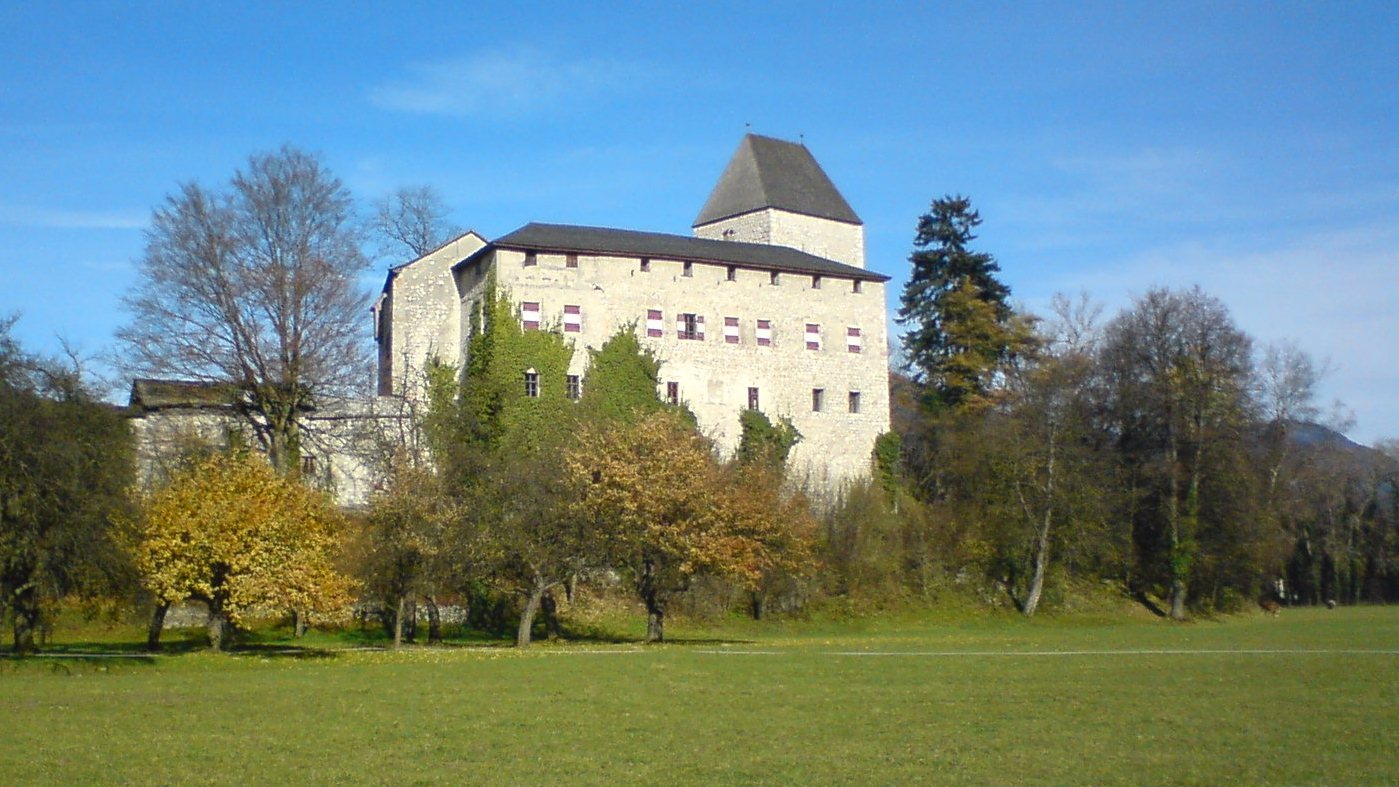
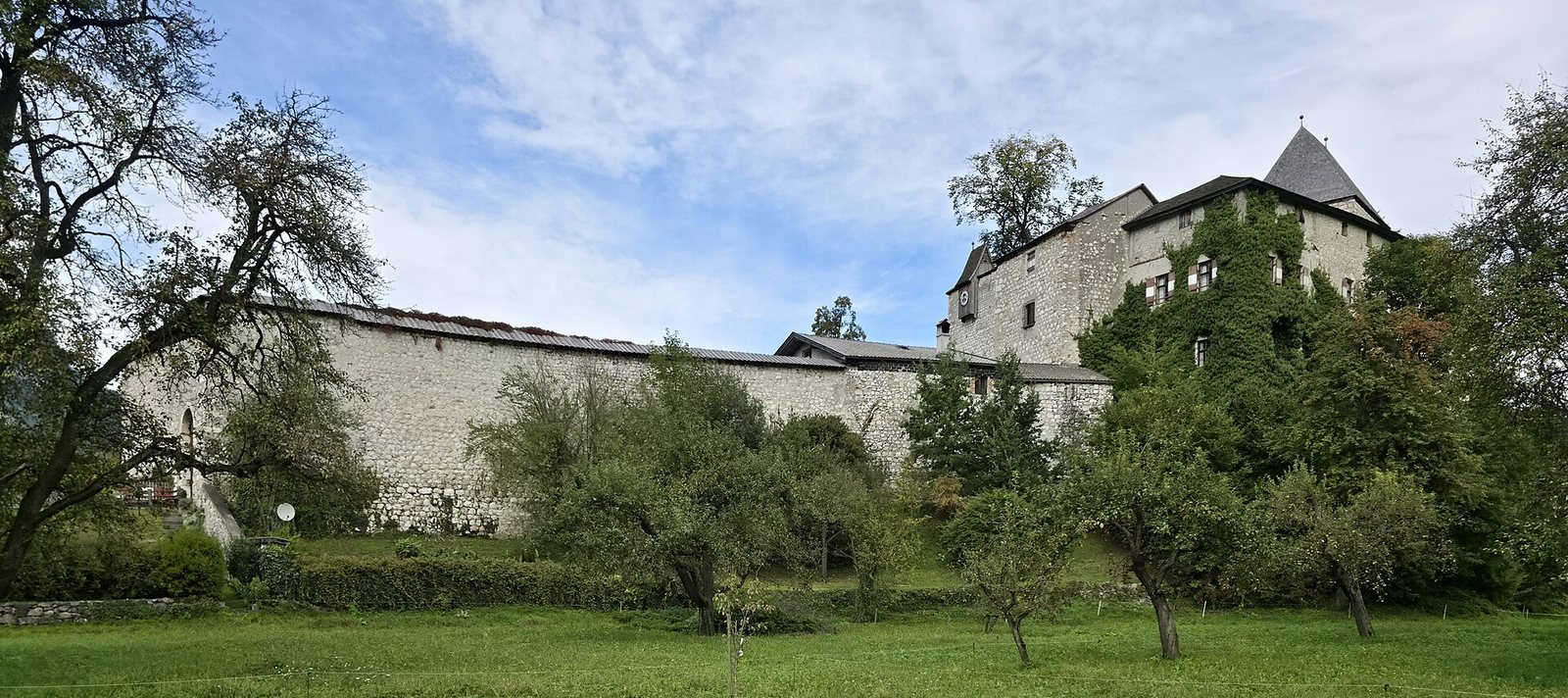
At 366 metres above sea level, Lichtenwerth comprises an upper castle and associated defensive, service, and residential buildings. Its surviving fabric includes medieval features alongside later alterations.
Layout and architecture
Upper castle and western court
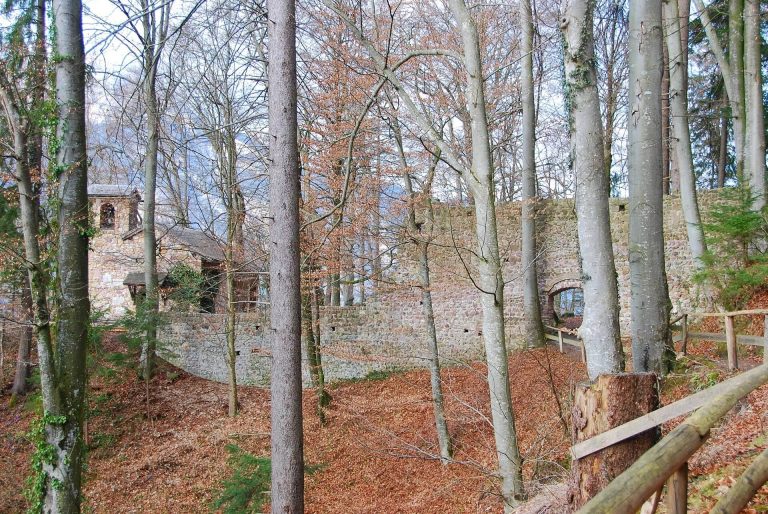
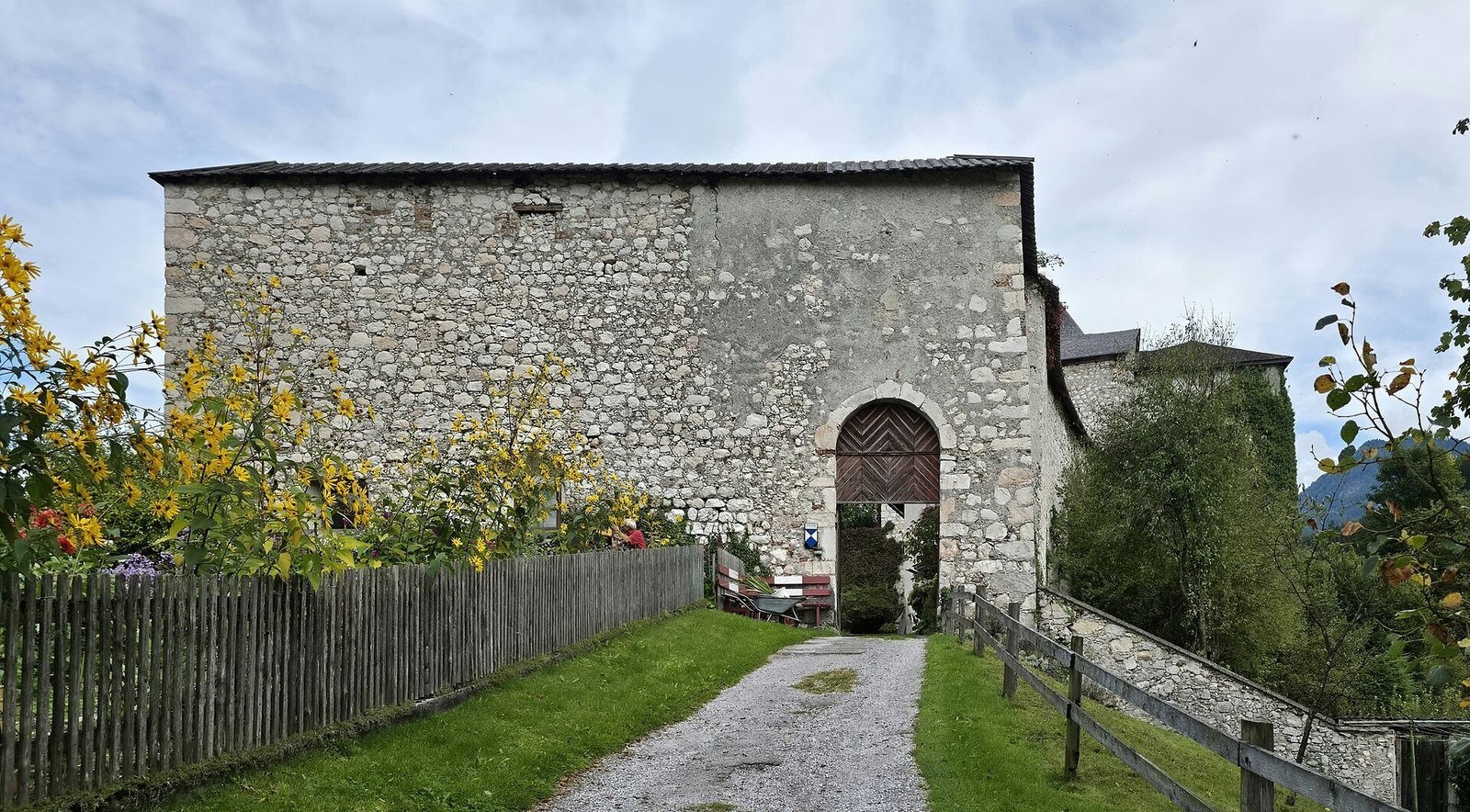
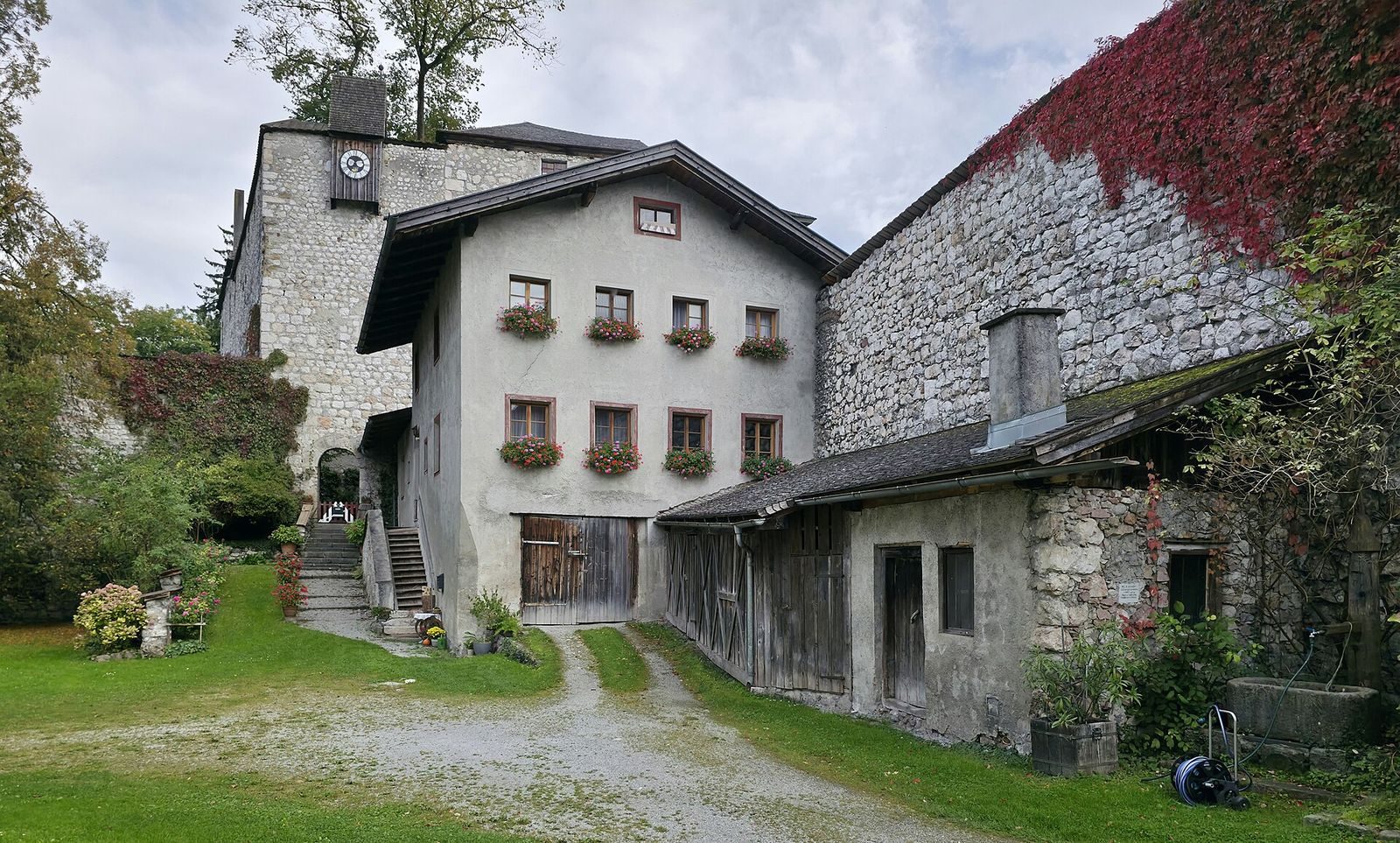
The upper castle has a rectangular plan. To its west are an outer bailey, an enclosed outer court, and service buildings. Blocked windows in the Romanesque style, a medieval European architectural style, contribute to the proposed 12th-century date.
Eastern tower and residence
The principal defensive tower was shortened in the 17th century. On the eastern side, the tower and a three-storey residential building were renewed in the 18th century.
Interior and chapel
Kitchen, wall-walk, and judge’s chamber
The kitchen retains its original fittings beneath a vaulted ceiling. A wall-walk, a passage along the defenses, also survives. The castle contains a judge’s chamber, reflecting its former use as a judge’s seat, and a clock above the inner gate.
Theatre and chapel
The castle theatre dates to 1765 and is in the Baroque style, a European artistic style. In 1776, the chapel received decorative plasterwork in the Rococo style, a later European style known for elaborate, often curved ornament.